
Views: 0 Author: Site Editor Publish Time: 2026-07-06 Origin: Site


While operating an Essential Oil Diffuser seems straightforward, achieving optimal therapeutic output and maximizing device lifespan requires a technical understanding of diffusion mechanics. Simply filling a reservoir and pressing a button often leads to suboptimal results if the underlying technology does not align with the physical environment. Consumers and commercial buyers frequently experience degraded oil quality, poor spatial coverage, or premature hardware failure due to incorrect usage, improper placement, or selecting the wrong diffusion technology for their specific spatial requirements. This guide breaks down the operational protocols for different diffuser types, establishes criteria for evaluating hardware performance, and outlines risk-mitigation strategies. By understanding the mechanical differences between ultrasonic and nebulizing systems, users can ensure safe, efficient, and scalable aromatherapy implementation across various environments.
An ultrasonic essential oil diffuser operates using a piezoelectric transducer, commonly known as an ultrasonic plate. Located at the base of the water reservoir, this small ceramic disc vibrates at high frequencies—typically around 2.4 million times per second. These rapid vibrations agitate the water and essential oil mixture, breaking the surface tension and atomizing the liquids into microscopic airborne droplets. A small internal fan then propels this fine mist out of the device and into the surrounding air.
The primary success criteria for this technology involve balancing localized humidity addition with moderate scent throw. Because these devices dilute the essential oil in water, the resulting aroma is gentler compared to waterless systems. This makes ultrasonic models highly effective for daily residential use, office spaces, and environments where a subtle fragrance and a slight increase in ambient moisture are desired. However, their performance relies heavily on maintaining a clean transducer; mineral buildup from hard water or residual oil resin will significantly impede the vibration frequency, reducing mist output. When evaluating these units, check the frequency rating of the transducer, as lower frequencies produce larger water droplets that fall quickly, while higher frequencies create a finer mist that stays airborne longer.
Nebulizing diffusers rely on the Bernoulli principle to atomize pure essential oils without the use of heat or water. Pressurized air is forced through a small tube, creating a vacuum that pulls the undiluted essential oil from the reservoir to the surface. As the oil reaches the top, a secondary stream of pressurized air blasts it into micro-particles, dispersing a highly concentrated mist directly into the environment.
This method presents distinct trade-offs. On the positive side, nebulizers deliver maximum therapeutic potency and add zero humidity to the room, making them ideal for large spaces or clinical settings requiring rapid scent saturation. Conversely, they consume essential oils at a much higher rate than ultrasonic models. The internal air pump also generates noticeable motor noise, which may be disruptive in quiet environments like bedrooms or meditation spaces. Additionally, the microscopic glass tubes inside nebulizers are highly susceptible to clogging, demanding rigorous and frequent cleaning protocols. If you run thick oils like vetiver or sandalwood through a nebulizer without thinning them first, the micro-tubes will block within hours.
Specialized glass diffusers, ranging from delicate hand-blown glass nebulizers to ultrasonic models featuring heavy glass dome covers, introduce unique mechanical and structural considerations. Glass is chemically inert, meaning it will not react with or degrade upon contact with highly corrosive essential oils like citrus or clove. This makes it an excellent material for preserving the integrity of the oil and the device.
However, glass assemblies require specific handling procedures to mitigate physical risks. Users must avoid thermal shock; washing a cold glass reservoir with boiling water can cause immediate fracturing. During assembly and disassembly, care must be taken to avoid applying uneven pressure, which can snap delicate internal nebulizer tubes. Furthermore, clear glass surfaces will inevitably show oil-residue clouding over time. Maintaining the aesthetic appeal necessitates regular cleaning with appropriate solvents to dissolve the sticky resin without scratching the surface. Always handle glass domes with dry hands, as essential oil residue makes the surface extremely slippery.
Beyond active electronic devices, passive diffusion methods such as reed diffusers, terracotta stones, and cotton pads offer localized aroma dispersion. These systems rely on natural evaporation, drawing oil up through porous materials and releasing it into the air. Heat-based systems, including candle warmers and electric hot plates, accelerate this evaporation process.
The primary implementation risk with heat-based diffusion is the alteration of the essential oil's chemical composition. Excessive heat degrades the volatile organic compounds (VOCs) that provide the therapeutic benefits, essentially cooking the oil and potentially releasing unpleasant or harmful byproducts. For users seeking to diffuse essential oils without an active device, comparative benchmarks include placing a few drops on a cotton ball near a fan, direct palm inhalation for immediate personal use, or creating a hot-water bowl steam tent. These methods provide targeted, short-term solutions without compromising the oil's chemical structure through prolonged high-heat exposure.
The physical placement of an essential oil diffuser dictates its overall efficacy. The ideal setup involves positioning the device on a flat, water-resistant tray to catch accidental spills or condensation. It should be elevated 24 to 36 inches from the floor and placed centrally within the room to allow the mist to disperse evenly before settling. Placing the unit directly on the floor limits the scent throw and increases the risk of moisture damage to flooring materials.
Follow these specific placement rules for optimal performance:
Vent orientation is equally critical. Devices with top-release vents project mist straight up, requiring high clearance, while angled side-release vents allow for directional scent throw. Users must orient the vent away from walls, electrical outlets, and unsealed wood furniture to prevent warping or electrical hazards from continuous moisture exposure. Environmental variables must also be controlled; avoid placing the unit in direct sunlight, which can degrade the oil in the reservoir, or in immediate proximity to return air vents, which will extract the mist before it circulates through the intended space.
Achieving the correct concentration requires adhering to baseline measurements. For standard ultrasonic models, a ratio of 3 to 5 drops of essential oil per 100ml of distilled water is recommended. Using distilled or filtered water prevents the mineral buildup associated with tap water, which can calcify on the ultrasonic plate and reduce mist output.
Oil viscosity significantly impacts diffusion rates and device performance. Thin oils, such as Lemon or Peppermint, disperse quickly and easily through the transducer. Thick, resinous oils like Vetiver, Patchouli, or Sandalwood have higher viscosities that can coat the ultrasonic plate or clog nebulizer tubes. When using highly viscous oils, it is advisable to blend them with thinner carrier oils or reduce the drop count to prevent mechanical strain on the device.
| Oil Viscosity Type | Examples | Recommended Drops per 100ml | Hardware Impact |
|---|---|---|---|
| Thin / Highly Volatile | Lemon, Sweet Orange, Eucalyptus | 4 - 6 drops | Evaporates quickly; minimal residue left on transducer. |
| Medium Viscosity | Lavender, Rosemary, Tea Tree | 3 - 5 drops | Standard diffusion rate; requires normal weekly cleaning. |
| Thick / Resinous | Vetiver, Patchouli, Myrrh | 1 - 2 drops (Blend recommended) | Coats the ultrasonic plate heavily; high risk of clogging nebulizers. |
Managing the operational cycle is vital for both human physiology and hardware longevity. Continuous diffusion often leads to olfactory fatigue—a temporary, normal inability to distinguish a particular odor after prolonged exposure. Running the device continuously wastes oil because the user can no longer perceive the scent after the first hour.
Implementing intermittent diffusion cycles (e.g., 30 minutes on, 30 minutes off) is more effective than continuous operation. This approach prevents olfactory adaptation, allowing the user to continuously benefit from the aroma. Many modern devices feature built-in interval timers and auto-shutoff functions. Utilizing these settings not only maximizes the therapeutic yield of the essential oils but also prevents the internal motor and ultrasonic plate from overheating, thereby extending the operational life of the hardware.
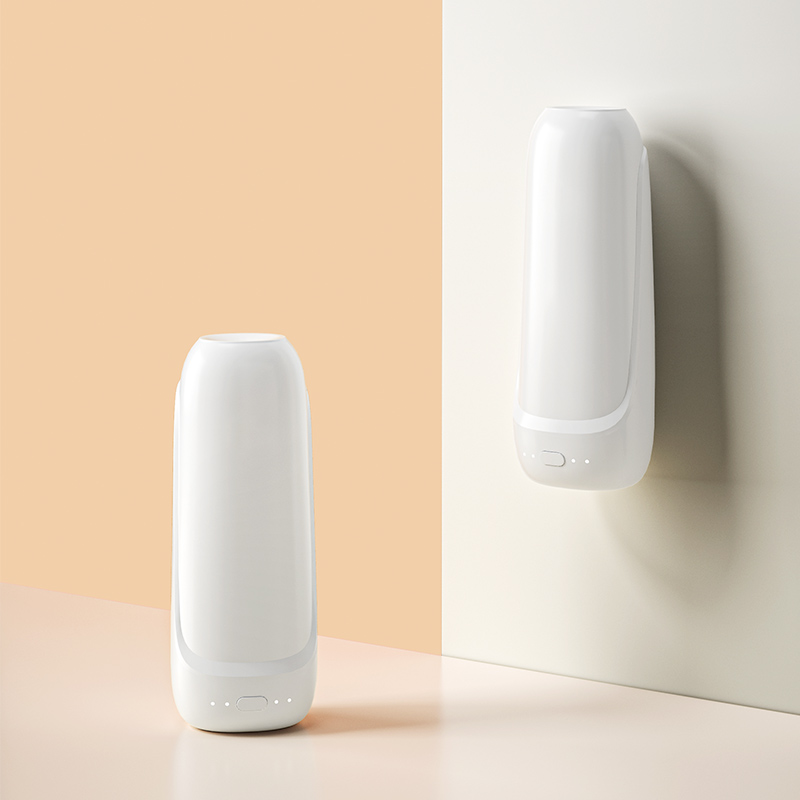
Selecting the right hardware requires matching the tank size and mist output to the room's square footage. A small 100ml unit outputting 15-20ml per hour is sufficient for a bathroom or a small office (up to 150 square feet). Mid-sized rooms like bedrooms require 300ml tanks, while large open-concept living spaces demand 500ml+ reservoirs with output capacities exceeding 50ml per hour.
Manufacturer claims regarding square footage coverage should be evaluated critically. These metrics are often calculated under ideal laboratory conditions. In real-world applications, high ambient humidity will suppress the mist's ability to evaporate and travel, while high ceilings require significantly more output to achieve noticeable scent saturation. Users must adjust their expectations and potentially scale up their hardware specifications based on their specific environmental variables.
| Tank Capacity | Average Mist Output (ml/hr) | Ideal Room Size (sq ft) | Best Application |
|---|---|---|---|
| 100ml - 150ml | 15 - 20 ml/hr | 100 - 150 sq ft | Bathrooms, small home offices, bedside tables. |
| 200ml - 300ml | 25 - 35 ml/hr | 150 - 300 sq ft | Standard bedrooms, massage therapy rooms. |
| 400ml - 500ml+ | 40 - 60+ ml/hr | 300 - 500+ sq ft | Open-concept living rooms, hotel lobbies, yoga studios. |
The internal components of a diffuser face constant exposure to water and highly concentrated, corrosive plant extracts. It is strictly necessary that the water tank and any internal plastic components in contact with the oil be constructed from medical-grade polypropylene (PP) plastic. PP is highly resistant to chemical degradation, ensuring that high-phenol oils (like Clove or Oregano) or acidic citrus oils do not melt the plastic and leach toxic synthetic compounds into the air.
Exterior housings present aesthetic and functional trade-offs. Wood exteriors offer a natural aesthetic but are susceptible to warping and staining from oil spills. Ceramic covers provide weight and stability, reducing the risk of tipping, but are fragile and prone to shattering if dropped. Glass offers superior chemical resistance and visual appeal but requires meticulous handling. Evaluating these materials ensures the selected device aligns with the usage environment and maintenance capabilities.
Consistent maintenance is the primary factor in extending hardware lifespan. The standard cleaning procedure should be performed weekly. It involves emptying any residual water, wiping the reservoir with a soft microfiber cloth, and running a specialized cleaning cycle. Fill the tank halfway with clean water, add a teaspoon of white vinegar, and run the device for five minutes to descale the ultrasonic plate. Afterward, empty the solution and wipe the transducer gently with a cotton swab.
Follow these steps for a deep clean of an ultrasonic unit:
Delicate glass components, particularly the internal tubes of nebulizers, require different protocols. To dissolve hardened, sticky resin blockages without scratching or breaking the glass, soak the components in high-percentage isopropyl alcohol (rubbing alcohol). Agitate gently, rinse thoroughly, and allow to air dry. Never use abrasive brushes on these glass parts. Furthermore, standing water must never be left in the reservoir between uses, as this creates an optimal breeding ground for mold and bacterial growth, which will then be aerosolized during the next operation.
Aromatherapy introduces potent volatile compounds into the environment, necessitating strict risk mitigation regarding health sensitivities. Ventilation is critically important when diffusing around pets. Cats and dogs lack specific liver enzymes required to metabolize certain phenols and ketones found in oils like Tea Tree, Eucalyptus, and Peppermint. Diffusing these oils in enclosed spaces can lead to severe neurological and respiratory distress in animals. Always ensure doors are open, allowing pets to leave the room if they choose.
For individuals with respiratory conditions such as asthma or Chronic Obstructive Pulmonary Disease (COPD), aerosolized particles can trigger bronchospasms. Users with these conditions must exercise extreme caution. It is essential to utilize devices with easily adjustable output controls, starting with the lowest possible mist setting and running the device for very short intervals (5-10 minutes) to gauge respiratory tolerance before committing to longer diffusion cycles.
For commercial facilities, bulk buyers, or private labelers, evaluating the manufacturing partner is as critical as evaluating the device itself. Partnering with a reputable essential oil diffuser factory requires analyzing their quality control (QC) infrastructure. Key indicators of a reliable manufacturer include low historical defect rates and transparent sourcing of critical components, such as the piezoelectric ceramic chips used in ultrasonic models.
Rigorous QA testing protocols must be in place at the factory level. This includes prolonged stress testing for water leakage, specifically around the base seals where the transducer meets the plastic housing. Electrical safety testing is equally vital, ensuring that the internal circuitry is adequately shielded from moisture and that the power adapters can handle continuous operation without overheating or short-circuiting.
Deploying electronic devices that utilize water and electricity necessitates strict adherence to international safety standards. Non-negotiable certifications for safe operation and retail distribution include CE (European conformity), RoHS (Restriction of Hazardous Substances), FCC (Federal Communications Commission for electromagnetic interference), and UL (Underwriters Laboratories) listings for power supplies.
Factory-level compliance with these standards is not merely a bureaucratic hurdle; it is a fundamental liability mitigation strategy. For commercial buyers executing large-scale deployments—such as outfitting a hotel chain or a network of wellness clinics—these certifications ensure consistent device performance, protect end-users from electrical hazards, and safeguard the purchasing entity from catastrophic liability claims associated with hardware malfunctions.
A: It is highly recommended to use distilled or filtered water instead of tap water. Tap water contains minerals that will calcify and build up on the ultrasonic plate over time. This mineral scale impedes the transducer's vibration frequency, significantly reducing mist output and shortening the lifespan of the device.
A: The standard baseline is 3 to 5 drops of essential oil per 100ml of water. This ratio can be adjusted based on the viscosity of the oil and the desired scent strength. Thicker oils or stronger scents like peppermint may require fewer drops, while lighter citrus oils might require slightly more.
A: Poor misting is usually caused by three factors: the water level exceeds the maximum fill line, preventing the ultrasonic plate from agitating the water; oil residue or mineral scale has built up on the transducer, requiring a vinegar cleaning cycle; or the air intake vent at the bottom of the unit is obstructed.
A: Running a device continuously all night can lead to olfactory fatigue and excessive moisture buildup. It is safer and more effective to use devices equipped with intermittent timers (e.g., 30 minutes on, 30 minutes off) and auto-shutoff features to prevent the motor from overheating once the reservoir is empty.
A: To safely dissolve stubborn, sticky resins without damaging delicate glass components, soak the glass parts in high-percentage isopropyl (rubbing) alcohol. Gently agitate the alcohol to break down the oils, then rinse thoroughly with warm water and allow it to air dry completely. Avoid using abrasive brushes.
A: While both devices aerosolize water, diffusers are constructed with medical-grade, corrosion-resistant plastics (like PP) specifically designed to withstand concentrated, reactive essential oils. Standard humidifiers use cheaper plastics that will quickly degrade, melt, or crack if exposed to essential oils.
A: Low-cost alternatives include adding a few drops to a cotton ball and placing it near a fan, creating a room spray using distilled water and witch hazel, or utilizing steam inhalation by adding a drop of oil to a bowl of hot water and breathing in the vapor.


