
Views: 0 Author: Site Editor Publish Time: 2026-07-10 Origin: Site


While operating an Essential Oil Diffuser seems intuitive, improper setup and maintenance are the leading causes of device failure, poor scent dispersion, and indoor air quality issues. Users frequently experience clogged ultrasonic plates, mold growth, or weak aroma output due to incorrect water-to-oil ratios, poor placement, or substandard device quality. For bulk buyers, sourcing unreliable units leads to high return rates and brand damage.
This guide provides an evidence-based breakdown of how to properly operate, maintain, and evaluate an aroma diffuser, ensuring maximum device lifespan, optimal therapeutic output, and informed purchasing decisions. We will cover the mechanical differences between unit types, exact dosing measurements based on room volume, and the strict cleaning protocols required to keep the internal components functioning at peak efficiency.
Matching the diffuser technology to specific environmental requirements and user maintenance capabilities determines long-term success. Different mechanisms serve distinct operational needs, from large open commercial spaces to small residential bedrooms. Understanding the physics behind how these devices aerosolize liquids will help you select the right unit for your specific spatial constraints and airflow dynamics.
Ultrasonic technology uses electronic frequencies to vibrate a small ceramic disk located at the base of the water reservoir. This rapid vibration—often exceeding 1.7 million times per second—creates a fine mist of water and essential oils that disperses into the air. Because the oil is broken down into micro-particles alongside the water, the resulting vapor is light and easily carried by ambient room currents. While this method adds slight humidity and operates quietly, it requires water and demands frequent cleaning to prevent calcification on the disk. If hard water is used, calcium and magnesium deposits will quickly form a hard white crust over the transducer, insulating it and severely reducing mist output.
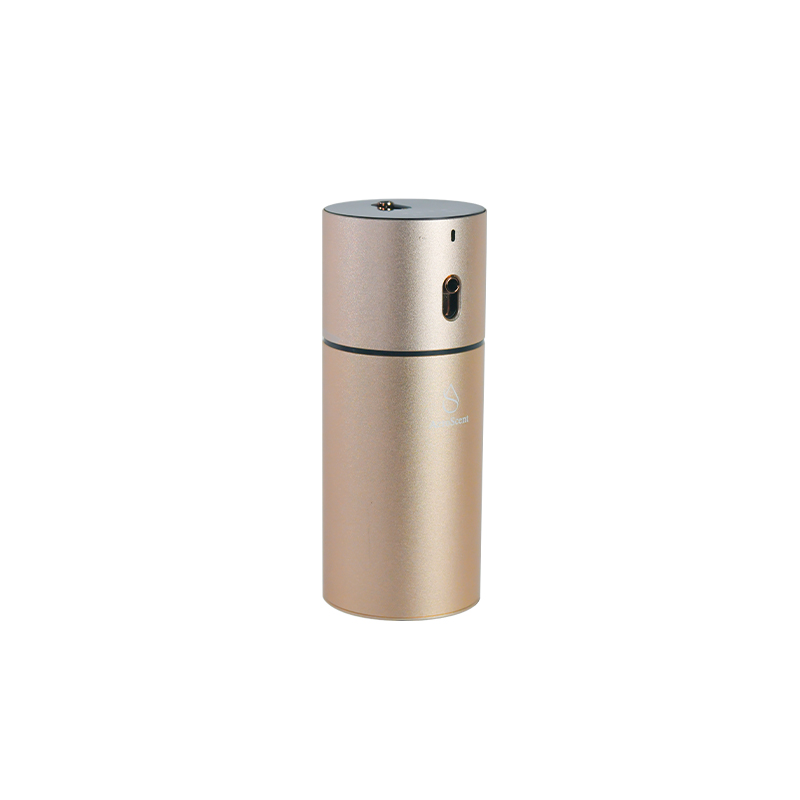
Nebulizing units use pressurized air to atomize essential oils directly without water or heat. Operating on the Bernoulli principle, an internal air pump forces air through a small tube, creating a vacuum that pulls the pure essential oil to the surface where it is blown into micro-droplets. This delivers the most potent, undiluted aroma suitable for large spaces like hotel lobbies or expansive living areas. However, this technology consumes oil significantly faster than ultrasonic models and operates with a noticeable humming sound from the internal air pump. The glass components inside nebulizers also require careful handling and specialized cleaning with high-proof alcohol to prevent thick oil resins from causing permanent blockages.
These devices utilize airflow from internal fans or low-grade heating elements to evaporate oils from a pad or reservoir. As the air blows across the oil, the lighter, more volatile compounds evaporate first, followed by the heavier base notes. This results in an uneven scent profile over time. Furthermore, heat can alter the chemical composition of the oils, oxidizing delicate terpenes and reducing their therapeutic efficacy. Consequently, heat-based units are generally considered outdated for clinical or high-end commercial use, though they remain common in low-cost consumer applications where scent fidelity is not a primary concern.
| Technology Type | Mechanism of Action | Primary Advantages | Operational Drawbacks | Best Use Case |
|---|---|---|---|---|
| Ultrasonic | High-frequency ceramic disk vibration | Quiet operation, efficient oil usage, adds light moisture | Requires frequent descaling, adds humidity to damp rooms | Bedrooms, standard living rooms, personal offices |
| Nebulizing | Pressurized air atomization (Bernoulli principle) | Maximum scent potency, no water required, covers large areas | High oil consumption, pump noise, fragile glass parts | Large open floor plans, commercial lobbies, clinical settings |
| Evaporative | Fan-forced airflow over an oil-soaked pad | Simple mechanical operation, highly portable | Uneven scent dispersion, requires replacement pads | Cars, small bathrooms, travel |
| Heat | Low-voltage heating element | Silent operation, inexpensive manufacturing | Alters oil chemistry, potential burn hazard if knocked over | Basic ambient scenting, non-therapeutic applications |
Proper operation extends device longevity and maximizes scent distribution. Following systematic steps prevents common operational failures such as water damage to surrounding furniture, short-circuited motherboards, and degraded indoor air quality.
Where you place the unit physically dictates how the vapor behaves in the room. Mist is heavier than air; if placed too low, it will simply fall to the floor, creating a slip hazard or damaging hardwood. If placed too close to an air return, the HVAC system will immediately extract the scent before it circulates.
The water you use directly impacts the lifespan of the internal components. Identify the maximum fill line inside the tank before adding any liquid. Overfilling suppresses the ultrasonic vibrations because the ceramic disk cannot generate enough force to agitate a heavy column of water, resulting in zero mist output and potential water ingress into the motor housing.
Distilled or purified water is highly recommended over standard tap water. Municipal tap water contains varying levels of dissolved solids, primarily calcium and magnesium. When aerosolized, these minerals settle on surfaces as a fine white dust. More importantly, they bake onto the ultrasonic transducer. Over time, this mineral scale acts as an insulator, forcing the motherboard to draw more current to achieve the same vibration, eventually leading to component burnout.
Dosing is not a guessing game; it requires precision based on the volume of the water tank and the square footage of the room. The standard baseline requires 3 to 5 drops of high-quality essential oil per 100ml of water. If you are operating a larger 500ml unit, you will need 15 to 25 drops to achieve the same olfactory concentration.
Adjust this ratio based on oil viscosity. Thicker, resinous oils like vetiver, patchouli, or sandalwood require careful monitoring as they do not break down as easily in water and can leave a sticky residue on the ultrasonic plate. Room square footage also dictates dosing adjustments; a small 100-square-foot office needs far less oil than a 400-square-foot open-concept kitchen. When blending, combine top notes (like lemon or peppermint, which evaporate quickly), middle notes (like lavender or rosemary), and base notes (like cedarwood or frankincense, which linger) to create a balanced, long-lasting ambient profile.
Neglecting maintenance leads to biofilm formation, mold aerosolization, and permanent damage to the ultrasonic plate. Essential oils are highly concentrated plant extracts containing volatile organic compounds (VOCs) that can degrade plastics over time if left sitting in the reservoir. Implementing strict cleaning protocols mitigates these risks and ensures the device operates safely.
Routine cleaning prevents the buildup of residual oils, which can oxidize and produce a rancid smell during subsequent uses. It also stops the formation of pink mold (Serratia marcescens) in the damp environment of the tank.
A monthly deep clean is required to descale the unit and clear out any stubborn resin blockages in the mist tube or around the transducer ring.
Operating these devices requires an understanding of environmental safety, particularly regarding vulnerable populations in the home. Certain oils, such as tea tree, eucalyptus, wintergreen, and heavy citrus blends, contain compounds that are highly toxic to cats and dogs because they lack the liver enzymes necessary to metabolize them. Always ensure adequate ventilation and leave a door open so pets can exit the room if the scent becomes overwhelming.
Monitor usage around infants, pregnant women, and individuals with asthma or chronic respiratory conditions. Continuous diffusion can cause respiratory irritation and headaches. Limit diffusion to 30–60 minute intervals to maintain a safe concentration of VOCs in the indoor air.
Assessing a unit's build quality and operational features before purchase ensures long-term reliability and safety. The market is flooded with low-cost units that utilize inferior plastics and unshielded wiring, which pose significant operational risks.
The internal reservoir must be constructed from medical-grade, BPA-free polypropylene (PP) plastic. Polypropylene is highly resistant to the corrosive nature of pure essential oils, particularly citrus oils containing d-limonene, which will rapidly melt or crack cheaper ABS plastics. Evaluate alternatives like ceramic, glass, or treated wood outer shells for aesthetic integration and durability upgrades in high-traffic areas, but ensure the internal water-bearing components remain high-grade PP.
Modern units should include specific programmable features that enhance safety and usability. Devices lacking these basic functions should be avoided.
Verify the manufacturer's claimed square footage against the actual tank capacity and mist output rate (measured in ml/hour). A standard 100ml tank outputting 20ml per hour is physically insufficient to scent a 500 square foot living room, regardless of aggressive marketing claims. Match the tank volume to the actual spatial requirements. For spaces over 300 square feet, look for units with at least a 300ml to 500ml capacity and an output rate of 30-50ml per hour.
Commercial buyers, retail chains, and institutional users must evaluate bulk purchases based on strict operational criteria to ensure product reliability, safety compliance, and end-user satisfaction. Sourcing from unverified manufacturers often results in high return rates due to premature motor failure or leaking tanks.
Ensure the supplier provides valid, verifiable CE, RoHS, and FCC certifications. These documents are not optional; they verify electrical safety, electromagnetic compatibility, and the strict absence of hazardous materials (like lead or cadmium) in the manufacturing process. Request the actual test reports from third-party laboratories rather than accepting self-declared certificates.
Inquire deeply about the supplier’s acceptable quality limit (AQL) testing procedures during mass production. Do they perform 100% aging tests on the PCBA boards? Do they test the ultrasonic transducers for frequency stability before assembly? A reliable essential oil diffuser supplier should offer at least a 12-month warranty on all units and maintain a historical defect rate strictly below 1-2%.
Evaluate the supplier's ability to customize tooling, water tank capacities, and exterior branding. Customization must be handled by experienced engineers to ensure that altering the outer shell does not compromise the integrity of the internal ultrasonic mechanisms, block the bottom air intake vents, or alter the internal airflow dynamics required to push the mist up and out of the nozzle.
| Evaluation Metric | Standard Requirement | Red Flags to Avoid |
|---|---|---|
| Material Quality | BPA-Free Polypropylene (PP) internal tank | Use of standard ABS plastic for water reservoirs |
| Safety Certifications | Third-party verified CE, RoHS, FCC | Self-certified documents, missing lab reports |
| Warranty Terms | Minimum 12 months with clear replacement policies | No warranty, or warranties requiring buyer to pay return shipping to overseas factories |
| Quality Control | Documented AQL inspections, 100% aging tests | No formal QC documentation available upon request |
Successfully operating these devices requires treating them as functional environmental appliances rather than simple decorative pieces. Proper placement, precise dosing based on room volume, and strict adherence to cleaning regimens are the determining factors in device longevity and indoor air quality. For individual users, prioritize units constructed with BPA-free materials, reliable auto-shutoff features, and tank sizes appropriate for your specific room dimensions. For commercial purchasers, prioritize manufacturing partners with transparent compliance certifications, rigorous quality control processes, and low historical defect rates.
A: The standard recommendation is 3 to 5 drops per 100ml of water. For larger 300ml or 500ml tanks, scale up proportionally to 9–15 drops, depending on the desired scent strength and room size.
A: Ultrasonic diffusers require water to operate. However, nebulizing diffusers and waterless atomizers are specifically designed to disperse pure essential oils directly from the bottle without the use of water.
A: It is safe only if the diffuser is equipped with an automatic shut-off feature that triggers when the water runs out. However, continuous diffusion is not recommended; use an intermittent timer setting to prevent olfactory fatigue and overexposure.
A: Distilled or purified water is highly recommended. Tap water contains minerals like calcium and magnesium that cause scale buildup on the ultrasonic plate, which reduces mist output and shortens the device's lifespan.
A: The most common causes are overfilling the water past the maximum fill line, mineral buildup on the ultrasonic plate, or a blocked air intake at the bottom of the unit. Empty the tank, clean the plate with rubbing alcohol, and ensure proper water levels.
A: Alternative methods include diluting with a carrier oil for direct skin application, adding a few drops to cotton balls placed strategically around the room, making a DIY room spray using distilled water and witch hazel, or performing direct inhalation from the bottle.


