
Views: 0 Author: Site Editor Publish Time: 2026-07-18 Origin: Site


Dispersing essential oils effectively requires more than just dropping liquid into water; it relies on specific fluid dynamics and vaporization technologies to maintain the integrity of volatile organic compounds (VOCs). Improper setup, incorrect oil-to-water ratios, and poor device placement lead to wasted product, compromised indoor air quality, device malfunction, and potential safety hazards for pets or sensitive individuals. This guide provides an evidence-based framework for operating an essential oil diffuser, evaluating hardware technologies (such as ultrasonic vs. nebulizing), mitigating maintenance risks, and selecting the right device for residential or commercial applications.
Users often purchase diffusers based on aesthetics rather than the underlying technology, resulting in inadequate room coverage or altered oil chemistry. Selecting the correct hardware requires understanding the mechanical differences in how these devices process liquids into airborne particles. You need to match the vaporization method to the specific environmental requirements of your space.
An ultrasonic aroma diffuser operates using a small ceramic disc located at the base of the water reservoir. When powered, this transducer vibrates at ultrasonic frequencies, typically around 2.4 million times per second. These rapid vibrations agitate the water and essential oil mixture, breaking the fluids down into micro-particles. The device then expels this mixture as a fine, cool mist. This method adds a slight amount of humidity to the room, uses less oil per hour of operation, and runs very quietly. The primary limitation is that the mist consists mostly of water, which dilutes the concentration of the essential oil.
Nebulizing technology takes a completely different mechanical approach. It relies on Bernoulli’s principle, using a pressurized air pump to force air through a small tube. This high-velocity air creates a vacuum that pulls pure essential oil from the reservoir and atomizes it against a glass baffle. The result is a highly concentrated mist of pure volatile organic compounds without any water dilution. Nebulizers deliver the strongest scent profile and therapeutic value. However, they consume oil rapidly, the internal air pumps generate noticeable noise, and the hardware generally commands a higher initial investment.
| Feature | Ultrasonic Technology | Nebulizing Technology |
|---|---|---|
| Mechanism | High-frequency vibration | Pressurized air atomization |
| Water Required | Yes | No |
| Scent Concentration | Mild to Moderate | Very High |
| Noise Level | Whisper quiet | Noticeable pump hum |
| Oil Consumption | Low (3-5 drops per cycle) | High (uses pure oil) |
Heat-based diffusers utilize a heating element to warm the oil, accelerating its evaporation into the air. While inexpensive and silent, applying heat alters the chemical profile of the essential oil. The delicate volatile compounds degrade under thermal stress, which significantly reduces any therapeutic efficacy and can even change the intended scent profile. We do not recommend heat models for high-quality oils.
Evaporative fan diffusers operate by blowing ambient air across a fibrous pad soaked in essential oil. This causes uneven dispersion. Essential oils consist of various chemical components with different molecular weights. The lighter components evaporate and disperse much faster than the heavier base notes. As a result, the scent profile changes over time, leaving a distorted and often unpleasant residue on the pad.
Active electronic devices provide continuous, automated room coverage, making them ideal for managing the ambient environment of entire rooms. Manual alternatives offer localized, temporary solutions. Passive diffusion methods, such as placing a few drops of oil on a cotton ball or terracotta disc, work well for micro-spaces like desk areas, closets, or drawers. They require no power but offer zero control over the dispersion rate.
Manual dispersion methods include using water-based spray bottles. These provide instant, non-continuous room deodorizing. You must shake the bottle vigorously before each spray because oil and water separate. Direct inhalation and topical applications require strict safety protocols. Applying oils directly to the skin mandates the use of carrier oils (like jojoba or fractionated coconut oil) to prevent chemical burns, contrasting sharply with the ambient safety of airborne mist inhalation.
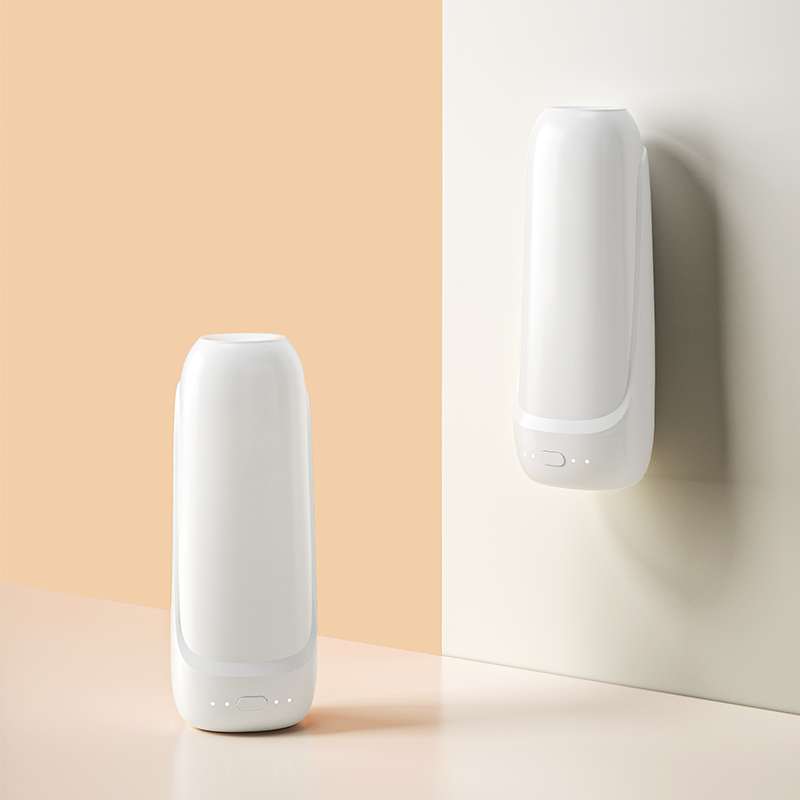
A standardized protocol for device setup maximizes output, prevents physical overflows, and ensures hardware longevity. Following these exact steps prevents the most common causes of device failure we see in the field.
Place the unit 24 to 36 inches off the ground. Side tables, nightstands, or dedicated shelving work best. This specific height allows the heavier-than-air mist to fall and disperse naturally throughout the room's air currents. Placing it directly on the floor results in damp carpets and poor room coverage.
Identify and avoid placement hazards. Do not position the device near open windows, direct fans, or HVAC return intakes. These airflow systems will immediately extract the mist from the room before it can circulate. Always use moisture-proof trays or silicone coasters under the unit. This protects wood furniture from potential condensation and corrosive oil spills, which can strip varnish and paint.
The sequence of filling the reservoir is critical. You must fill the reservoir with water first, and then add the oil drops. Reversing this sequence allows pure, undiluted essential oil to coat the dry ultrasonic transducer plate. This heavy oil layer insulates the plate, causing it to overheat and fail prematurely when powered on.
Never fill the reservoir past the designated "Max Fill" boundary. The ultrasonic plate requires a specific volume of water to create the correct fluid dynamics for atomization. Overfilling increases the water weight, preventing the water column from vibrating effectively, which results in zero mist output.
Distilled or purified water is highly recommended to prevent mineral buildup (scale) on the ultrasonic plate. However, some manufacturers specify tap water because their internal sensors rely on waterborne minerals to detect fluid levels and trigger the auto-shutoff. Always verify the fluid requirements against the specific manufacturer's manual.
Proper assembly prevents leaks and protects the internal electronics. Always align the inner splash guard or lid securely before placing the outer decorative shroud. Misaligned inner lids cause water to channel down the sides of the device and into the motor housing.
Ensure your hands and the device exterior are completely dry before handling the power adapter. Plug the cable into the base of the unit first, then plug the adapter into the wall outlet. This sequence prevents accidental liquid spills while wrestling with cords.
When combining multiple oils in the reservoir, you must maintain strict safety limits. The total cumulative drops must still match the water-to-oil ratio of the reservoir size. If your 100ml unit calls for 5 drops total, a blend means 2 drops of lavender and 3 drops of cedarwood, not 5 drops of each.
Balance your note profiles to ensure a long-lasting scent throw. Top notes (like citrus) evaporate quickly. Middle notes (like floral or herbal) provide the core scent. Base notes (like woods and resins) anchor the blend and linger the longest. Mixing across these three categories prevents the scent from overwhelming the room initially and fading too fast.
Continuous diffusion is ineffective. The human olfactory system quickly adapts to constant smells, a phenomenon known as olfactory fatigue or nose blindness. Running a unit continuously wastes oil and saturates the airspace, which can cause headaches.
We recommend standard operating cycles. Set the device to run for 30 minutes on, followed by 30 minutes off. Many modern units feature built-in intermittent timers that handle this automatically. This cycle maintains a pleasant ambient scent without overwhelming the occupants.
Assessing hardware specifications against desired environmental outcomes ensures you deploy the right equipment for the space. Do not buy based on appearance alone; evaluate the functional capacity.
Map the reservoir size directly to the room's square footage. A 100ml unit effectively covers small spaces like bathrooms, entryways, or individual desks. For open-concept living spaces or large master bedrooms, you need 300ml to 500ml capacities to generate enough mist to impact the larger air volume.
Evaluate how continuous versus intermittent output settings impact the total run time. A 300ml unit might run for 8 hours on continuous mode but can last up to 16 hours on an intermittent setting, reducing the frequency of manual refills required by the user.
The internal reservoir must be constructed from medical-grade, BPA-free plastics, specifically Polypropylene (PP). Essential oils, particularly citrus and heavy resins, are highly corrosive. They will melt or degrade standard plastics, leaching chemicals into the water and eventually causing the reservoir to crack and leak.
Assess the exterior housing materials. Glass and ceramic offer premium aesthetics and resist chemical damage, but they shatter easily if knocked off a table. Wood-grain plastic housings provide durability and a natural look, making them suitable for high-traffic areas or homes with active pets.
Variable mist controls allow you to adjust the output volume (strong vs. weak). This is useful when moving a high-capacity unit into a smaller room temporarily. Auto-shutoff features are absolutely critical for fire and device safety; the unit must power down immediately when the reservoir empties to prevent the transducer from burning out.
Smart home integration offers app-controlled scheduling. This allows you to program the unit to start diffusing 15 minutes before you arrive home or tie the operation to existing HVAC fan cycles for better whole-house distribution.
Operating diffusion hardware safely requires acknowledging the implementation risks and adhering to strict maintenance schedules. Neglect leads to hardware failure and potential health hazards.
Implement a daily maintenance routine. After use, empty any residual water from the reservoir. Wipe the inside completely dry with a microfiber cloth or paper towel. Leaving stagnant water in the dark, warm reservoir guarantees biofilm formation and microbial growth within 48 hours.
Execute a deep-cleaning protocol weekly. Fill the reservoir halfway with clean water and add one teaspoon of white vinegar. Run the unit for five minutes to allow the acidic solution to break down mineral scale inside the mist tube. Empty the unit, then use a cotton swab dipped in rubbing alcohol to gently clean the ceramic ultrasonic disc at the bottom. Rinse with clean water and wipe dry.
You must address critical safety considerations regarding pets. Many common essential oils are highly toxic to cats and dogs. Tea tree, eucalyptus, peppermint, and citrus oils can cause severe liver damage or respiratory distress in animals. Always ensure pets have an open door to leave the room if they find the scent irritating.
Maintain adequate ventilation when diffusing around vulnerable populations. Children, pregnant women, and individuals with asthma or chronic respiratory conditions have higher sensitivity to airborne VOCs. Keep the output low, use intermittent cycles, and ensure fresh air can circulate through the space.
Diagnose low mist output systematically. First, check the water level; if it is above the max fill line, pour some out. Second, inspect the ultrasonic plate; if it is coated in yellow oil residue or white mineral scale, clean it with alcohol. Third, ensure the inner lid is seated perfectly flat.
Diagnose water leakage or loud grinding noises. Leaks almost always stem from improper lid seating or a cracked plastic base caused by dropping the unit. Loud grinding noises indicate a failing internal cooling fan located in the base. If the fan fails, the unit will overheat and must be replaced.
| Symptom | Likely Cause | Corrective Action |
|---|---|---|
| No mist, lights on | Overfilled reservoir | Pour out water below max line |
| Weak mist output | Dirty ultrasonic plate | Clean plate with rubbing alcohol |
| Water leaking from base | Misaligned inner lid | Re-seat the internal splash guard |
| Loud grinding noise | Failing internal fan | Replace hardware |
| Unit shuts off immediately | No water or dirty sensor | Refill water, clean sensor pin |
Commercial buyers, wellness centers, and retailers must evaluate overall value influencing factors when sourcing hardware at scale. Buying in bulk requires strict vetting of the supply chain to ensure consistent quality and safety compliance.
When vetting an essential oil diffuser distributor, demand proof of international safety certifications. Look for CE (European conformity), RoHS (Restriction of Hazardous Substances), and FCC (Federal Communications Commission) marks. These certify that the electronics are safe and the plastics do not contain restricted heavy metals.
Evaluate the importance of extended warranties and responsive commercial customer support. When deploying dozens of units across a facility, hardware failures will occur. You need a distributor that provides rapid hardware replacements without requiring you to ship broken units back at your own expense.
Establish criteria for selecting diffusers for high-traffic areas. Standalone high-capacity ultrasonic units work well for specific zones like yoga studios or massage rooms. However, for large hotel lobbies or retail floors, you must transition to HVAC-integrated cold-air diffusers that utilize the building's existing ductwork for even distribution.
Conduct a cost-benefit analysis of proprietary oil pod systems versus open-reservoir systems. Proprietary pods lock you into buying oil from the hardware manufacturer, which increases long-term operational costs. Open-reservoir systems allow you to source bulk oils independently, offering significant savings over time despite requiring more manual labor to refill.
A: Leaving water and oil in the reservoir overnight promotes bacterial growth and allows corrosive oils to degrade the plastic components. Always empty and wipe the reservoir dry after each use.
A: Low mist output typically results from overfilling the water past the max line or a buildup of mineral scale and oil residue on the ultrasonic plate. Clean the plate with rubbing alcohol and ensure proper water levels.
A: Many essential oils, including tea tree, eucalyptus, peppermint, and citrus, are highly toxic to pets. Always consult a veterinarian before diffusing oils in a home with animals and ensure pets can leave the room.
A: Perform a deep clean every 5 to 6 uses or at least once a week if used daily. Use a mixture of water and white vinegar to descale the unit and clean the ultrasonic disc.
A: While distilled or purified water prevents mineral buildup, some manufacturers require tap water because their sensors rely on minerals to detect water levels. Always check the specific manufacturer's manual.


