
Views: 0 Author: Site Editor Publish Time: 2026-09-18 Origin: Site


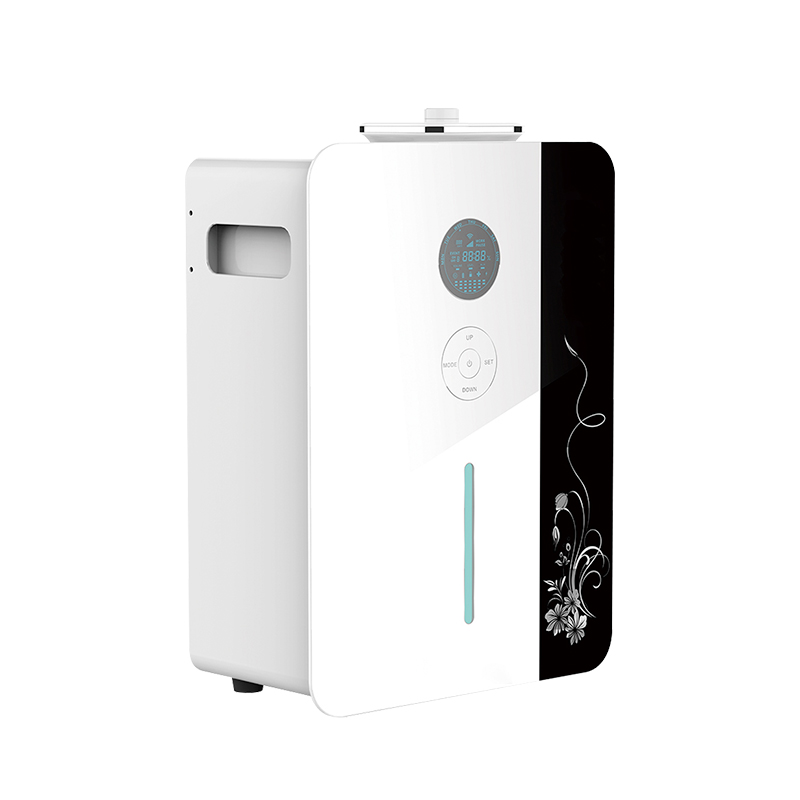
Scenting a compact living space presents a unique challenge. You want a consistent, pleasant ambient fragrance without creating an overwhelming olfactory environment. Small apartment dwellers face strict constraints regarding square footage, poor ventilation, multi-use surfaces, and lease restrictions like zero-tolerance policies for open flames. Selecting the right fragrance solution requires balancing aesthetic presentation with practical, daily utility. The wrong device quickly becomes a nuisance in a micro-environment.
Gift buyers often struggle to find a product that feels luxurious but functions seamlessly within a cramped studio or one-bedroom layout. A poorly chosen scent device can dominate a room, trigger headaches, or clutter valuable counter space. This guide evaluates whether a portable fragrance solution fits compact spaces. We break down the technical criteria, safety considerations, and functional trade-offs required to make an informed purchasing decision for small-footprint living.
Scent Control is Critical: In spaces under 800 square feet, the ability to control fragrance output (via intermittent timers or adjustable mist levels) is more important than maximum scent throw.
Portability Maximizes Utility: A portable essential oil diffuser allows users to shift the fragrance source between distinct functional zones (e.g., desk, bedside, kitchen) without requiring multiple devices.
Sensory Intrusiveness Matters: In studio apartments, secondary sensory outputs like motor noise and un-dimmable LED lights can disrupt sleep and work, making "night mode" features essential.
Safety and Lease Compliance: Heatless, flameless diffusion methods mitigate the fire risks and lease violations associated with traditional candles.
Hidden Maintenance Costs: Evaluating a home fragrance gift set requires factoring in the ongoing costs of consumable essential oils and the maintenance required to prevent mold in water-based diffusers.
Defining a successful scenting strategy in a micro-environment requires understanding the physical limitations of the space. A successful setup provides a subtle background aroma that enhances the room without demanding conscious attention. It must adapt to the shifting functions of the room throughout the day. You cannot treat a 400-square-foot studio the same way you treat a sprawling suburban living room.
Room volume directly dictates how quickly scent molecules saturate the air. In a compact apartment with standard eight-foot ceilings, an active fragrance device can reach maximum saturation in a fraction of the time it takes in a larger home. Continuous diffusion in these tight quarters quickly leads to over-saturation. The air becomes heavy, and the fragrance transitions from pleasant to suffocating.
This rapid concentration also accelerates olfactory adaptation, commonly known as scent fatigue. When exposed to a constant stimulus, the human nose stops registering the smell within 15 to 20 minutes. In single-room living setups, residents often turn up the device intensity because they can no longer smell the fragrance. This creates an overpowering environment for anyone entering the apartment from the outside. Managing this requires devices that cycle on and off, allowing the olfactory receptors to reset.
Small apartments frequently suffer from poor cross-ventilation. Single-aspect windows and sealed building envelopes trap indoor air, meaning whatever you release into the environment stays there. Introducing volatile organic compounds (VOCs) through synthetic fragrances can rapidly degrade indoor air quality. Without adequate airflow to disperse these particles, residents may experience respiratory irritation or headaches.
This reality necessitates the use of high-grade, pure essential oils over synthetic fragrance oils in enclosed spaces. Pure botanical extracts still release VOCs, but they generally lack the phthalates and synthetic binders found in cheap commercial air fresheners. Verifying the purity of the included oils is a non-negotiable step for maintaining a healthy micro-environment.
Every square inch of surface area in a small apartment holds high value. Nightstands double as desks, and kitchen counters serve as dining tables. Introducing a new object into this ecosystem requires careful consideration of its footprint. Large, sprawling diffusers or wide multi-wick candles consume too much usable space.
Fragrance devices must feature a vertical, compact design to fit onto crowded shelves or narrow window sills. Furthermore, the device must be stable. A tall, top-heavy unit placed on a multi-use desk is a spill hazard waiting to happen. The ideal unit integrates seamlessly into the background, requiring minimal clearance for operation and refilling.
A single room functioning as a kitchen, office, and bedroom presents distinct olfactory challenges. Cooking odors easily embed themselves in fabrics, while the scent needed for focused work differs vastly from the aroma desired for sleep. Sensory overlap occurs when lingering food smells mix with heavy floral or woody fragrances, creating an unpleasant, muddy scent profile.
Adaptability is required to navigate this overlap. A static scent source, like a reed diffuser, cannot shift gears when the room transitions from a workspace to a dining area. Active diffusion allows users to swap out scent profiles quickly. You can run a crisp citrus blend to clear out cooking odors, then switch to a soothing lavender profile before bed.
Comparing the primary mechanisms included in typical fragrance sets reveals stark differences in how they perform in compact spaces. Each category carries distinct operational mechanics that dictate its suitability for apartment living.
Diffusion Method | Output Control | Space Requirement | Best Application |
|---|---|---|---|
Active (Ultrasonic/Nebulizing) | High (Timers/Mist Levels) | Low to Medium | Studios, Multi-use rooms, Desks |
Passive (Reed Diffusers) | None (Continuous) | Low | Small bathrooms, Closets |
Combustion (Candles) | Low (Burn time only) | Medium (Requires clearance) | Well-ventilated living areas |
Evaluating the inclusion of curated starter oil collections versus standalone device purchases comes down to user experience. A comprehensive home fragrance gift set removes the friction of sourcing compatible, high-quality oils. Starter collections typically include versatile profiles like lavender for sleep, peppermint for energy, and citrus for odor neutralization.
The unboxing experience and storage solutions provided in these sets also matter. Premium sets often include custom foam inserts or wooden storage boxes that keep the small oil bottles organized. In an apartment where drawer space is scarce, a self-contained storage solution prevents tiny bottles from cluttering bathroom cabinets or getting lost in junk drawers.
Active diffusion relies on mechanical force to disperse scent molecules. Ultrasonic models use water and high-frequency vibrations to create a fine mist, while nebulizing models use pressurized air to atomize pure oil without water. Both technologies offer rapid scent distribution, which is highly advantageous when you need to quickly mask an unpleasant odor.
The primary benefit of a portable essential oil diffuser is the immediate shut-off capability. When the scent reaches the desired concentration, you can simply turn the unit off. The fragrance stops dispersing instantly, preventing the room from becoming overwhelmed. This level of granular control is unmatched by passive scenting methods.
Passive diffusion relies on natural evaporation. Reed diffusers draw scented oil up through wooden sticks, releasing it slowly into the air. This provides continuous, low-level scenting without requiring electricity or active management. For a tiny bathroom or a closet, passive diffusion works well.
However, passive options lack output control. You cannot turn a reed diffuser off; you can only remove the reeds or cap the bottle. In a studio apartment, this continuous output can lead to severe scent fatigue. Furthermore, reed diffusers pose a significant spill risk in high-traffic, tight spaces. An accidental knock can send concentrated fragrance oil onto carpets or electronics, causing permanent damage.
Combustion-based scents introduce several drawbacks in small spaces. Burning candles release soot and consume oxygen, which degrades air quality in poorly ventilated rooms. The scent throw from a candle is also difficult to regulate; it depends entirely on the size of the melt pool and the ambient air currents.
Beyond air quality, fire hazards are a primary concern. Knocking over a candle in a cramped space can lead to immediate disaster. Consequently, many apartment leases include strict clauses prohibiting open flames. Relying on candles for daily home fragrancing in a rental unit often violates lease agreements and compromises safety.
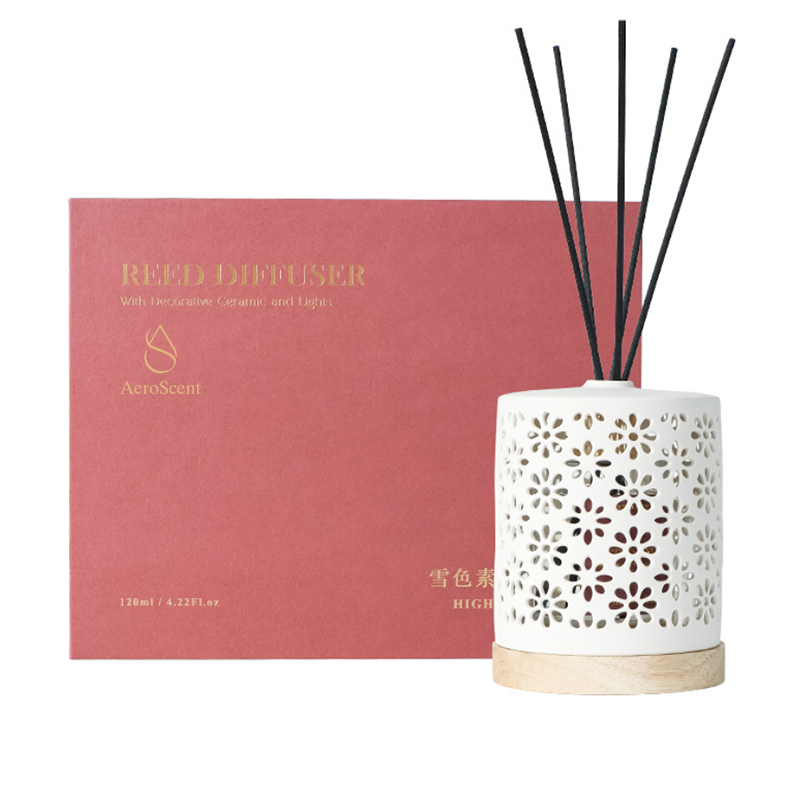
Understanding how specific product features translate to viable use in a small apartment allows buyers to filter out inadequate options. The technical specifications of a device directly dictate its daily utility. When looking at an Aroma Gift Set, you need to look past the packaging and examine the hardware.
Interval timers are an absolute necessity to prevent overpowering a studio apartment. A device that runs continuously will saturate a 500-square-foot room in under an hour. Look for units that offer intermittent settings, such as 30 seconds of mist followed by 30 seconds of rest, or 1 hour on followed by 2 hours off. This cycling maintains a subtle background aroma and prevents olfactory fatigue.
Variable mist intensity controls provide another layer of management. The ability to switch between low and high output allows the user to adapt to different scenarios. High output works well for clearing out lingering cooking smells, while low output is ideal for sustained, background scenting during a workday.
Comparing tethered plug-in models against untethered rechargeable models highlights a major shift in convenience. Tethered models require proximity to a wall outlet, heavily restricting placement options in older apartments with limited electrical infrastructure. Power cords also add visual clutter and create tripping hazards in tight walkways.
Cordless portability allows a single device to serve multiple micro-zones. You can place it on the bathroom counter during a morning shower, move it to the kitchen island during breakfast, and shift it to the bedside table at night. Models powered by USB-C or internal rechargeable batteries offer ultimate flexibility, even allowing operation via portable power banks during travel or outdoor balcony use.
Sensory intrusiveness extends beyond smell. The decibel levels of internal motors can be highly disruptive. Nebulizing diffusers often utilize small air pumps that emit a distinct humming or vibrating sound. Ultrasonic models produce water-trickling sounds as the mist condenses and falls back into the reservoir. In a silent apartment at night, these noises can easily disrupt sleep.
Visual intrusiveness is equally problematic. Many devices feature bright LED indicator lights or color-changing glowing bases. If the device sits on a nightstand in a studio apartment, these lights act as unwanted beacons. Evaluating the presence of a "dark mode" or the ability to completely disable all LED lights is mandatory for bedside use.
Device dimensions must align with the available surface area. A wide, bowl-shaped diffuser consumes too much space on a standard desk. Cylindrical or tall, narrow designs offer a much better footprint-to-output ratio. Aesthetic neutrality is also important; the device should blend into the existing decor rather than demanding visual attention.
Consider how easily the device can be stored when not in use. A compact unit can be quickly tucked into a cabinet or drawer to clear counter space for food preparation or cleaning. Bulky units end up permanently occupying valuable real estate, reducing the functional capacity of the apartment.
Pet safety requires strict attention in unventilated spaces. Many popular essential oils, including tea tree, eucalyptus, and citrus blends, contain compounds that are toxic to cats and dogs. In a small apartment, pets cannot easily escape the scented air. Active diffusion increases the risk of pets inhaling or ingesting microscopic oil droplets. Buyers must verify that the oils used are pet-safe and monitor their animals for signs of respiratory distress.
Auto-shutoff features are mandatory for safe operation. Ultrasonic models must detect when the water reservoir is empty and cut power to the ultrasonic plate to prevent overheating and permanent damage. Waterless nebulizers should feature similar timer-based shutoffs to prevent the motor from burning out if left unattended.
Balancing upfront appeal with long-term viability requires looking past the initial purchase price. The true cost and effort of maintaining a scenting system dictate whether it will be used daily or abandoned in a closet.
Feature | Nebulizing Diffuser | Ultrasonic Diffuser |
|---|---|---|
Water Required | No | Yes |
Scent Potency | Very High | Moderate |
Oil Consumption | High | Low |
Maintenance | Occasional alcohol flush | Frequent wiping and descaling |
Weighing the upfront premium of a comprehensive set against the convenience of pre-selected blends involves assessing the user's expertise. Beginners benefit greatly from curated sets designed for small spaces. These collections remove the guesswork of blending oils and ensure the included scents complement the specific diffusion technology.
À la carte purchasing allows for precise customization but often results in higher overall costs when factoring in shipping and the trial-and-error process of finding quality oils. For gifting purposes, a complete set provides a cohesive, ready-to-use experience that standalone devices lack.
Comparing lifecycle costs reveals the long-term financial impact of different systems. High-end candles and reed diffuser refills require frequent, expensive replacements. A single luxury candle may burn for 40 hours, costing a significant amount per hour of use.
Active diffusion requires a higher initial investment for the hardware, but the consumable costs are drastically lower. A standard 15ml bottle of essential oil contains roughly 300 drops. Using 5 drops per day in an ultrasonic device means one bottle lasts two months. Over a year, the active diffusion model proves far more economical.
The labor of maintenance is the primary trade-off for superior scent control. Ultrasonic diffusers require strict cleaning protocols to prevent bacterial and mold growth in the water reservoir. Users must wipe out the tank after every use and perform a deep clean with white vinegar weekly to remove mineral buildup from tap water.
Passive devices like reed diffusers require zero daily maintenance, offering ultimate convenience. However, this convenience comes at the cost of output control and adaptability. Buyers must decide if the brief daily cleaning routine of an active device is worth the ability to precisely manage the apartment's olfactory environment.
Evaluating nebulizers against ultrasonic models highlights a choice between potency and humidity. Nebulizers operate without water, atomizing pure essential oil directly into the air. This produces a highly potent, unadulterated scent profile. However, nebulizers consume oil at a much faster rate and often produce more motor noise.
Ultrasonic models dilute the oil in water, producing a lighter scent and adding a small amount of humidity to the room. They consume less oil and generally operate quieter. The choice depends on the apartment's existing climate; adding humidity is beneficial in dry winter months but detrimental in already damp environments.
Even the best hardware can fail if implemented poorly in a micro-environment. Understanding common adoption risks allows users to establish routines that prevent damage and maximize enjoyment.
Ultrasonic diffusers add moisture to the air. In a poorly ventilated bathroom or a damp basement apartment, this continuous moisture output can encourage mold and mildew growth on walls and fabrics. Small rooms reach their maximum relative humidity capacity quickly.
To mitigate this risk, users should limit run times to 30-minute intervals and monitor indoor humidity levels, aiming to keep them between 40% and 60%. If the apartment already suffers from high humidity or condensation on windows, opting for a waterless nebulizing diffuser eliminates this risk entirely.
Essential oils are highly concentrated plant extracts containing natural solvents. If spilled, they can strip paint, melt certain plastics, and permanently damage wood finishes on cramped desks or tables. In a small apartment where devices sit near laptops and paperwork, a spill is highly disruptive.
Mitigation strategies include utilizing protective ceramic or silicone coasters beneath the device. Choosing tip-resistant, bottom-heavy device designs reduces the likelihood of accidental knock-overs. Furthermore, establish a dedicated, safe refilling zone, such as the kitchen sink, rather than attempting to pour oil and water over a wooden nightstand.
Strong fragrances can easily seep into hallways, HVAC vents, or neighboring units in densely packed apartment buildings. What smells pleasant in your living room might trigger allergies for the neighbor across the hall.
Utilize intermittent settings to keep the scent contained within your own square footage. Avoid diffusing heavy, lingering base notes like patchouli, vetiver, or heavy musks near entryways or shared ventilation ducts. Stick to lighter top notes that dissipate quickly once the device is turned off.
In a single-room studio, lingering morning scents can clash with evening relaxation scents. If you diffuse strong peppermint at 8 AM, the residual oil in the air and on fabrics can interfere with the chamomile you want to diffuse at 10 PM, creating a jarring sensory experience.
To prevent clashing, utilize a device that is easy to rinse and wipe clean between uses. Rely on rapid-dissipating top notes like lemon, sweet orange, or eucalyptus for daytime use. Ensure the room receives a brief period of cross-ventilation before switching to a completely different scent profile for the evening.
To successfully implement a scenting strategy in a compact apartment without overwhelming the space, follow these immediate steps:
Audit your apartment for pet safety constraints and remove any toxic oils from your collection before operating a new device.
Measure your available surface area on nightstands or desks to determine the maximum base width your device can occupy.
Check your available wall outlets to decide if you need a battery-operated unit or a standard plug-in model.
Verify the purity of the oils included in your prospective set to avoid introducing synthetic VOCs into unventilated spaces.
A: A portable diffuser with interval timers works best for studios. It provides precise scent control, preventing olfactory fatigue in small spaces. Active diffusers eliminate the fire hazards and lease violations associated with open flames, making them a safe and adaptable choice.
A: Look for light, fast-dissipating top notes like sweet orange, lemon, bergamot, or lavender. These scents freshen the air without lingering excessively. Avoid heavy base notes like patchouli or strong musks, as they quickly overwhelm a compact room and embed themselves in fabrics.
A: Yes, if it is an ultrasonic model run continuously in a poorly ventilated space. Ultrasonic diffusers emit water vapor. To prevent mold, limit run times, ensure adequate airflow, and monitor room humidity. If dampness is already an issue, choose a waterless nebulizing diffuser instead.
A: They can be, but strict caution is required. Many common essential oils, such as tea tree, eucalyptus, and peppermint, are highly toxic to cats and dogs. Always verify that the included oils are pet-safe, use intermittent diffusion settings, and ensure the pet can easily leave the room.
A: Ultrasonic models require regular maintenance to prevent bacterial growth. You should wipe out the water reservoir after each use and perform a deep clean with white vinegar weekly. Waterless nebulizers require less frequent cleaning but need occasional flushing with rubbing alcohol to prevent oil clogs.
A: A standard 15ml bottle contains about 300 drops. In a small apartment, you only need 3 to 5 drops per session to achieve adequate scenting. With daily use, a single bottle can easily last two to three months, making active diffusion highly cost-effective over time.


