
Views: 0 Author: Site Editor Publish Time: 2026-07-19 Origin: Site


Acknowledge the tension between the widespread adoption of aromatherapy and growing skepticism from medical professionals regarding indoor air quality, rapid systemic absorption, and respiratory health. Consumers and retailers face conflicting information daily. Wellness brands claim respiratory benefits, while pulmonologists warn of Volatile Organic Compounds (VOCs) and airway irritation. Buyers need an objective framework to evaluate hardware and usage practices. Lung safety is not just about the oils used. It heavily depends on the diffusion technology, concentration levels, and manufacturing quality. Poorly manufactured devices degrade quickly, releasing microplastics into the air alongside the aromatic compounds. High-quality hardware controls the output, limits exposure times, and uses chemically resistant materials. This guide provides a technical evaluation of diffuser types, safety protocols, and sourcing standards to ensure respiratory safety and hardware reliability.
Essential oils function as highly concentrated sources of biogenic VOCs. When a device disperses these liquids into the air, the respiratory tract responds immediately to the high concentrations of terpenes and aromatic compounds. This exposure often causes mucosal irritation. The myth that natural equals safe misleads many users. Natural compounds trigger inflammatory responses in lung tissue just as synthetic chemicals do. Immediate physiological warning signs flag airway irritation. Users might experience persistent coughing, throat tickles, nasal burning, and watery eyes. Monitoring indoor air quality requires understanding that adding any particulate matter to the environment changes the baseline air composition.
A micro-fine mist crosses the alveolar-capillary membrane directly into the bloodstream. This process bypasses first-pass liver metabolism entirely. This rapid systemic exposure contrasts sharply with topical application, where the skin acts as a barrier. The purity of both the misting hardware and the liquid oil dictates the safety of this process. Contaminated water or degraded plastic components introduce foreign pathogens and toxins directly into the circulatory system. You must ensure the hardware operates cleanly to prevent systemic toxicity.
Individuals without respiratory issues generally face low risk with moderate exposure to diffused oils. However, specific contraindications exist for users with asthma, COPD, and reactive airway disease. These conditions elevate the risk of severe bronchospasms. The eucalyptus paradox perfectly illustrates this issue. Compounds like eucalyptus contain high levels of 1,8-cineole. People widely use this compound for mild congestion relief. Yet, it can trigger acute, life-threatening airway constriction in hyper-reactive or asthmatic patients. Clinical consensus does not support the inhalation of oils as a treatment for severe respiratory infections. Medical professionals advise against using these devices as primary medical interventions.
An ultrasonic essential oil diffuser uses a piezoelectric transducer to create high-frequency electronic vibrations. These vibrations break water and oil into a micro-fine mist. Experts generally consider this the safest option for daily use. The water heavily dilutes the oil, significantly lowering the atmospheric concentration of VOCs. Trade-offs include increased ambient humidity and the absolute necessity for strict cleaning protocols. Failing to clean the water reservoir allows microbial growth, which the device then aerosolizes into the room.
A nebulizing aromatherapy diffuser uses pressurized air and the Bernoulli principle. It atomizes pure essential oil without adding water or heat. This mechanism delivers a potent, undiluted dose of aromatic compounds into the environment. It poses a significantly higher risk of respiratory irritation, bronchospasms, and rapid olfactory fatigue if users do not strictly regulate the output. You should reserve this method for short, targeted intervals in large, highly ventilated commercial or clinical spaces.
These devices rely on heat sources, like candles or electric heating elements, or simple airflow to evaporate oils. Heat thermally alters the chemical composition of the essential oil. This thermal degradation potentially creates new, more irritating chemical byproducts. Respiratory safety guidelines generally discourage the use of heat-based diffusion methods due to this unpredictable chemical alteration.
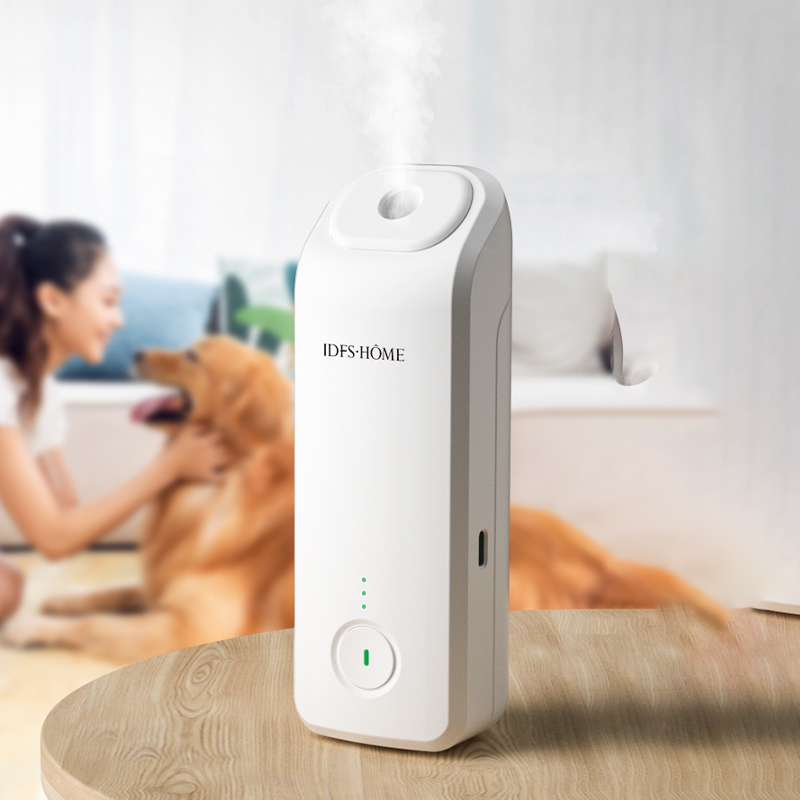
Continuous diffusion leads directly to olfactory fatigue, commonly known as nose blindness. It also causes unnecessary VOC accumulation in the room. Hardware must support interval settings. A standard safe setting runs for 30 minutes on and 30 minutes off. This interval allows the lungs to process and clear particulates from the airway. Devices lacking interval timers force users to manually monitor exposure, which often leads to oversaturation.
Pure essential oils act as highly corrosive agents against cheap plastics. Devices require medical-grade or high-quality BPA-free plastics, such as Polypropylene (PP) or Polyethylene Terephthalate (PET). These specific polymers resist chemical degradation. They will not break down and off-gas toxic plasticizers into the mist. Using inferior plastics guarantees that the device will eventually aerosolize chemical contaminants.
You must evaluate the correlation between a device's output capacity, measured in milliliters per hour, and the square footage of the room. This prevents atmospheric oversaturation. Concrete criteria define a well-ventilated space for safe operation. You need to keep internal doors open, avoid operating devices in sealed rooms, and ensure active HVAC airflow or regular air exchanges.
| Hardware Feature | Operational Benefit | Risk if Absent |
|---|---|---|
| Intermittent Timers | Prevents olfactory fatigue and limits exposure | Dangerous VOC accumulation in enclosed spaces |
| BPA-Free PP/PET Plastics | Provides high chemical resistance to corrosive oils | Toxic off-gassing and structural failure |
| Adjustable Output Control | Matches mist volume to specific room dimensions | Atmospheric oversaturation and respiratory irritation |
| Auto-Shutoff Mechanism | Stops operation when water levels drop | Overheating and potential fire hazards |
The primary risk associated with water-based models involves stagnant water. Left unchecked, water reservoirs breed mold, fungi, and bacteria. The device then propels these pathogens directly into the lungs. You must implement strict, evidence-based cleaning schedules to maintain safety.
You must differentiate between pure, third-party tested essential oils and synthetic fragrance oils. Verify oil purity by demanding Gas Chromatography-Mass Spectrometry (GC-MS) testing reports. This documentation ensures the product contains zero synthetic adulterants, heavy metals, or carrier oil dilution. Inhaling carrier oils, such as coconut, jojoba, or sweet almond oil, poses a severe medical risk. These heavy lipids can coat the inside of the lungs and lead directly to exogenous lipoid pneumonia, a serious and potentially fatal condition.
Infants, toddlers, and domestic pets possess significantly smaller lung capacities and faster respiration rates than adult humans. Their developing metabolic pathways make them highly susceptible to toxicity from diffused oils. Cats and dogs lack specific liver enzymes required to break down certain aromatic compounds. Diffusing oils in spaces occupied by these vulnerable populations requires extreme caution, heavy dilution, and constant monitoring for signs of distress.
Retailers must evaluate their supply chain rigorously. They need absolute certainty that the products they sell do not pose health risks to the end user. Criteria for selecting a reliable essential oil diffuser OEM include strict adherence to ISO manufacturing standards. The manufacturer must conduct rigorous QA testing for electronic safety, transducer lifespan, and material integrity.
CE, RoHS, and FCC certifications remain non-negotiable requirements. These certifications ensure the device operates safely without electrical faults or hazardous material degradation. You must verify that the manufacturer uses certified food-grade or medical-grade polymers in all internal components that come into direct contact with the water and oil mixture.
Brands can work directly with manufacturers to build safety-first features into their proprietary models. You should specify mandatory auto-shutoff switches, locked interval timers that prevent continuous operation, and antimicrobial coatings for water tanks. These hardware customizations protect the consumer and reduce liability for the retailer.
A: Yes, improper use, high concentrations, or poor-quality oils irritate the respiratory tract. Continuous exposure without ventilation can cause mucosal damage, especially in individuals with pre-existing respiratory conditions.
A: An Essential Oil Diffuser utilizing ultrasonic technology is generally considered the safest for daily use. It heavily dilutes the oil with water, significantly reducing the atmospheric concentration of VOCs.
A: You should use interval settings, running the device for 30 minutes on and 30 minutes off. This prevents olfactory fatigue and stops dangerous VOC accumulation in the room.
A: No, diffusing oils poses documented risks for individuals with asthma, COPD, or reactive airway disease. The airborne particulates can easily trigger severe bronchospasms and acute airway constriction.
A: Coughing indicates airway irritation. This results from high VOC concentrations, poor oil quality, or aerosolized mold and bacteria propelled from an improperly cleaned water reservoir.
A: Yes, inhaling vaporized carrier oils like coconut or jojoba coats the lungs with heavy lipids. This directly leads to exogenous lipoid pneumonia, a severe medical emergency.
A: Demand CE, RoHS, and FCC certifications. You must also verify adherence to ISO manufacturing standards to guarantee electronic safety and chemical resistance of the plastic components.


