
Views: 0 Author: Site Editor Publish Time: 2026-07-29 Origin: Site


Aromatherapy has become a staple in modern wellness routines, transforming homes and commercial spaces with inviting scents and therapeutic benefits. However, as the popularity of these practices grows, so does clinical scrutiny regarding indoor air quality and respiratory health. Consumers and facility managers face a challenge: integrating scenting solutions without compromising environmental safety, triggering sensitivities, or endangering pets and vulnerable populations. The question of whether diffusing essential oils is safe does not have a simple yes or no answer. Safety depends on a precise formula involving oil quality, strict adherence to exposure intervals, and the technical capabilities of the essential oil diffuser being used. Understanding these variables ensures you can enjoy the benefits of aromatherapy while maintaining a healthy environment.
Essential oils are composed of naturally occurring Volatile Organic Compounds (VOCs). While these compounds provide the therapeutic aromas we seek, they behave differently than synthetic chemical buildup found in conventional air fresheners. Natural does not mean inert. When diffused oils enter the air, they can react with indoor ozone to form secondary organic aerosols (SOAs). These microscopic particles can accumulate in poorly ventilated spaces, potentially irritating the respiratory tract. Managing indoor air quality requires understanding that even natural VOCs contribute to the overall particulate load in a room. Facility managers and homeowners alike must monitor how long devices run to prevent this particulate load from exceeding safe thresholds. You need to treat scenting as an active addition to the air, not a passive background element that runs indefinitely.
To better understand the impact of VOCs, consider the baseline air quality of the room before turning on any device. Rooms with heavy carpets, poor HVAC filtration, or high humidity already carry a particulate burden. Adding aerosolized oils to this environment without proper ventilation compounds the issue. We recommend using air quality monitors to track PM2.5 levels when running scenting devices in enclosed spaces. This data-driven approach removes the guesswork from indoor air management and provides concrete evidence of when to turn the device off.
The human olfactory system adapts quickly to continuous scents, a phenomenon known as olfactory fatigue or nose blindness. After about 30 to 60 minutes of continuous exposure, you may stop noticing the aroma entirely. Running a device beyond this point offers diminishing therapeutic returns and increases the risk of sensitization. Prolonged inhalation can lead to headaches, nausea, or dizziness. Recognizing olfactory fatigue signals that your body has absorbed enough of the active compounds and requires a break to process them safely.
Many users mistakenly believe that if they can no longer smell the scent, the device needs more oil or needs to run longer. This is a dangerous misconception. The active compounds are still present in the air and entering your lungs. Pushing past olfactory fatigue overloads your sensory receptors and respiratory system. Implementing strict off-cycles allows your olfactory bulb to reset, ensuring that when the device turns back on, you actually experience the intended benefits without the negative side effects of overexposure.
Handling undiluted oils during preparation poses a direct risk of skin sensitization. Spills or direct contact can trigger allergic reactions over time. Active diffusion releases airborne micro-droplets that eventually settle on surfaces, including human skin. While the concentration is low, continuous exposure in a small, unventilated space can trigger systemic or localized dermal sensitivities. Proper handling and controlled diffusion times mitigate these risks, ensuring the compounds remain in the air at safe therapeutic levels rather than accumulating on the skin.
Sensitization is a cumulative process. You might use a specific oil for months without issue, only to suddenly develop a rash or respiratory irritation. This happens because the immune system has slowly built up a response to the repeated exposure of concentrated compounds. To prevent this, rotate the types of oils you use every few weeks and strictly adhere to dilution guidelines. Wearing gloves when filling the reservoir or cleaning the unit adds an extra layer of protection against accidental dermal contact with undiluted drops.
Certain demographics require strict contraindications when it comes to aromatherapy. Infants and toddlers have developing respiratory systems and thinner skin, making them highly susceptible to adverse reactions. Pregnant individuals should avoid specific oils entirely due to potential systemic effects. Individuals with asthma, chronic obstructive pulmonary disease (COPD), or other respiratory conditions must exercise extreme caution. For these high-risk groups, airborne particulates can trigger bronchospasms or exacerbate existing breathing difficulties. Consulting a healthcare provider before introducing diffused oils is a necessary baseline precaution for these populations.
When operating in spaces shared with vulnerable individuals, the default approach should always be maximum dilution and minimum run time. If an infant is in the house, scenting should be confined to separate, well-ventilated rooms where the child does not spend time. For asthma sufferers, even seemingly benign oils like lavender can act as triggers if the concentration is too high. Always prioritize the respiratory health of the most sensitive occupant in the building.
Clinical guidelines strongly recommend capping diffusion sessions at 30 to 60 minutes. This timeframe maximizes therapeutic absorption while preventing olfactory fatigue and indoor air saturation. Following an active cycle, you must implement a minimum break period of 30 to 60 minutes. This rest phase allows the nervous system to reset and clears the residual VOCs from the air. Treating diffusion as an active, interval-based therapy rather than a continuous background scent is the cornerstone of safe practice.
Enforcing this rule manually is often impractical, which is why hardware selection is so important. Relying on memory to turn off a device usually results in overexposure. We strongly advise using devices with built-in interval timers. If your current unit lacks this feature, plug it into a smart outlet programmed to cut power after 45 minutes. This mechanical enforcement removes human error from the safety equation.
Proper dilution is critical for safety. For a standard ultrasonic device, the recommended ratio is typically 3 to 5 drops of pure oil per 100ml of water. Exceeding this drop count does not amplify the therapeutic benefits; instead, it drastically increases the risk of respiratory irritation and headaches. The "less is more" principle ensures that the aromatic compounds remain at a safe, subtle concentration. Over-saturating the water reservoir wastes expensive oils and creates an unnecessarily harsh environment.
Users often struggle with measuring drops accurately, especially with thicker oils like vetiver or patchouli. A standard dropper dispenses roughly 0.05ml per drop. Adding 10 drops to a 100ml tank doubles the safe concentration limit. If you want a stronger scent, do not add more oil. Instead, improve the airflow in the room to distribute the existing scent more effectively, or move the unit closer to the area you occupy.
A well-ventilated space is a non-negotiable prerequisite for safe diffusion. In practical terms, this means keeping doors open, utilizing active HVAC circulation, or creating a cross-breeze with windows. Closed, stagnant rooms trap aromatic particulates, leading to rapid accumulation and potential respiratory distress. If you are operating a device in a confined space, you must reduce both the drop count and the run time to compensate for the lack of airflow.
Consider the square footage and ceiling height of the room. A 10x10 foot office with the door closed will reach saturation much faster than an open-concept living room. In commercial settings, ensure the scenting device is not placed directly under a return air vent, which can pull concentrated VOCs into the HVAC system and distribute them unpredictably throughout the building. Position the unit where natural air currents can disperse the mist evenly.
Household pets possess distinct metabolic limitations that make them highly sensitive to certain aromatic compounds. Felines lack a specific liver enzyme necessary to break down phenols and monoterpenes, making oils like tea tree, eucalyptus, and citrus highly toxic to them. Dogs also have heightened olfactory sensitivity and can suffer respiratory distress from strong scents. Always implement an "open door policy" when pets are present, allowing them to freely exit the scented environment. Never confine an animal in a room with an active device.
| Pet Type | Highly Toxic Oils (Avoid Completely) | Generally Safer Oils (Use with Caution) | Primary Symptoms of Toxicity |
|---|---|---|---|
| Cats | Tea Tree, Citrus, Eucalyptus, Peppermint, Pine, Wintergreen | Frankincense, Copaiba, Helichrysum | Drooling, vomiting, tremors, respiratory distress, lethargy |
| Dogs | Tea Tree, Pennyroyal, Wintergreen, Pine, Sweet Birch | Lavender, Chamomile, Frankincense, Ginger | Weakness, muscle tremors, vomiting, behavioral changes |
| Birds | ALL essential oils (highly sensitive respiratory tracts) | None recommended | Labored breathing, sudden collapse |
If you observe any signs of distress in your pets, immediately turn off the unit, open all windows, and remove the animal to fresh air. Contact a veterinarian if symptoms persist. Pet safety requires extreme diligence, as animals cannot communicate early signs of respiratory irritation or nausea.
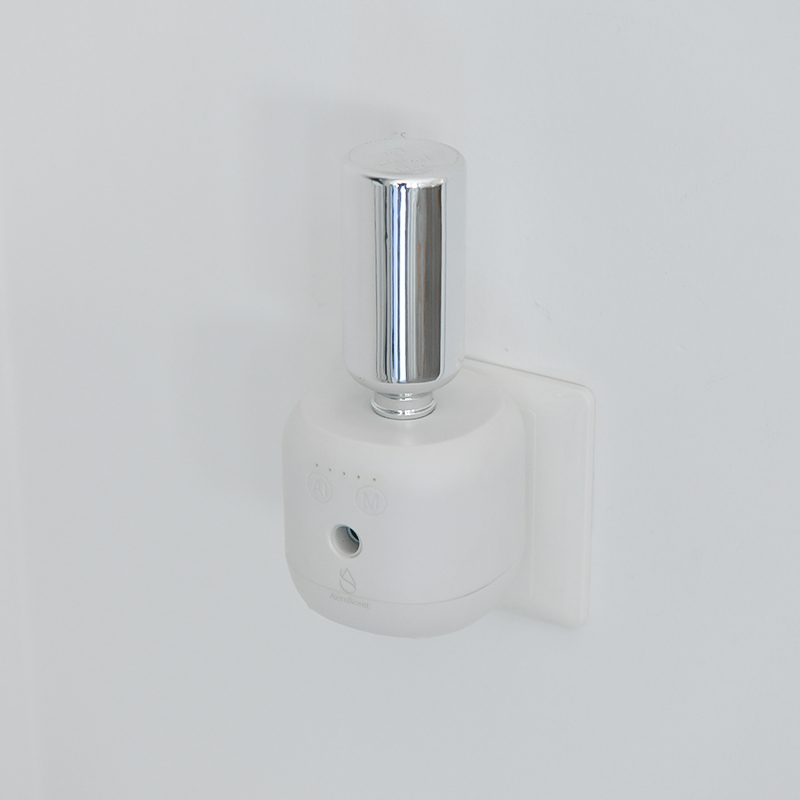
The technology driving your device directly impacts its safety profile. Ultrasonic models disperse a water-diluted mist. A hazard here is the aerosolization of tap water minerals, which can create white dust (PM2.5) that irritates the lungs. Using distilled or filtered water is a strict safety prerequisite for these models. They require daily cleaning to prevent mold and bacterial growth in the water reservoir. Nebulizing models disperse undiluted, pressurized air. They output a significantly higher concentration of aromatic compounds. Because of this potency, nebulizers require much shorter run times and stricter adherence to interval protocols to prevent rapid over-saturation of the space.
| Feature | Ultrasonic Technology | Nebulizing Technology |
|---|---|---|
| Dispersion Method | Water and ultrasonic vibrations | Pressurized air and undiluted oil |
| Concentration Level | Low to Moderate (diluted) | High (undiluted) |
| Run Time Safety Limit | 30 - 60 minutes | 10 - 15 minutes |
| Maintenance Needs | Daily water changes, weekly deep clean | Regular alcohol flushes to prevent clogs |
| Primary Risk Factor | Mold/bacteria in water, mineral dust | Rapid over-saturation of indoor air |
Modern hardware must include mechanical safeguards to enforce usage guidelines. Programmable interval timers (e.g., 5 minutes on, 10 minutes off) are mandatory for continuous safety, preventing the need for manual monitoring. Auto-shutoff mechanisms linked to water-level sensors are equally critical; they prevent the device from overheating and posing a fire hazard when the reservoir runs dry. Variable mist output controls allow users to adjust the concentration based on room square footage, ensuring small spaces do not become overwhelmed.
When evaluating a new unit, test the auto-shutoff feature immediately. Fill the reservoir with a minimal amount of water and let it run dry while monitoring it. If the unit continues to vibrate or generate heat after the water is gone, it is a fire hazard and should be returned. Reliable hardware is the foundation of safe aromatherapy practice.
Pure essential oils are highly concentrated and can degrade cheap plastics over time. This degradation can release microplastics or chemical toxins into the air alongside the aromatic mist. It is vital to source devices constructed from non-reactive materials. Look for Polypropylene (PP) BPA-free plastics, ceramic, or medical-grade glass. These materials maintain their structural integrity when exposed to potent compounds, ensuring the mist remains pure and uncontaminated.
You can often identify cheap plastics by inspecting the water reservoir after a few weeks of use. If the plastic appears cloudy, etched, or feels sticky despite cleaning, the oils are actively dissolving the material. This is a clear sign that you need to upgrade your hardware. A reliable Essential Oil Diffuser will maintain a smooth, intact reservoir surface even after months of daily use with potent citrus or pine oils.
When selecting hardware, verifying compliance is essential. Demand electrical and manufacturing certifications from your supplier, such as CE, RoHS, UL, or FCC marks. These certifications guarantee the device has passed rigorous safety testing regarding electrical components and material toxicity. Prioritize suppliers who offer transparent warranties and quality assurance testing. A reputable supplier stands behind the safety and durability of their products.
Do not compromise on electrical safety to save a few dollars. Devices that plug into wall outlets and handle water simultaneously pose a inherent shock risk if improperly manufactured. Check the power adapter for official UL or CE stamps. If the documentation provided by the manufacturer lacks clear safety specifications, find a different vendor.
Operating a high-capacity device in a confined area like a bathroom or small office quickly leads to air saturation and respiratory irritation. To mitigate this, map the output capacity (ml/hour) to the exact room dimensions. Utilize low-output settings and strictly limit run times in smaller spaces to maintain a safe concentration.
For spaces under 150 square feet, consider passive scenting methods like reed diffusers or terracotta stones instead of active electronic dispersion. If you must use an electronic unit, run it for no more than 15 minutes at a time, and ensure the door remains open to allow the scent to dissipate into adjoining hallways.
Aerosolizing synthetic carrier fluids or artificial fragrances poses significant health risks. To prevent this, establish strict criteria for selecting your oils. Only purchase 100% pure, GC/MS (Gas Chromatography/Mass Spectrometry) tested products. This testing verifies the purity and chemical composition, ensuring you are not inhaling harmful synthetic additives.
Be wary of products labeled simply as "fragrance oil" or "aromatherapy oil," as these terms are not regulated and often indicate the presence of synthetic extenders like propylene glycol. True essential oils will list the botanical name (e.g., Lavandula angustifolia) and the extraction method on the bottle. Demand GC/MS reports from your vendor to verify you are getting exactly what you pay for.
Stagnant water and residual oils create an ideal breeding ground for microbial growth, which is then dispersed into the air during operation. Implement a standardized cleaning Standard Operating Procedure (SOP). Empty the reservoir daily and wipe it down. Weekly, perform a deep clean using water mixed with white vinegar or rubbing alcohol to eliminate residue and prevent bacterial buildup.
Follow this strict numbered cleaning protocol to ensure your unit remains safe for daily use:
Diffusing essential oils offers substantial benefits, but safety requires treating the practice as an active, controlled process rather than a passive background element. By adhering to strict exposure limits, ensuring adequate ventilation, and utilizing hardware with built-in mechanical safeguards, you can effectively mitigate the associated risks.
A: They are generally safe for healthy lungs when used intermittently in well-ventilated spaces. However, continuous exposure or usage around individuals with pre-existing respiratory conditions like asthma or COPD can trigger irritation or bronchospasms.
A: You should strictly follow the 30- to 60-minute rule. Run the device for a maximum of 60 minutes, followed by an equal rest period of 30 to 60 minutes to prevent olfactory fatigue and indoor air saturation.
A: They can be safe if you maintain an open-door policy, allowing pets to leave the room. You must ensure adequate ventilation and strictly avoid diffusing oils known to be toxic to specific species, such as tea tree or citrus for cats.
A: Prolonged exposure leads to olfactory fatigue, where you stop smelling the scent. It can also cause headaches, nausea, dizziness, potential skin sensitization, and a buildup of VOCs in the indoor air.
A: Prioritize devices constructed from non-reactive materials like BPA-free plastics or glass. Ensure the hardware includes mechanical safety features such as programmable intermittent timers and automatic shutoff mechanisms when water levels drop.
A: Yes. Using tap water can aerosolize minerals, creating fine white dust (PM2.5) that irritates the respiratory tract. Always use distilled or filtered water to ensure a clean, safe mist.


