
Views: 0 Author: Site Editor Publish Time: 2026-07-02 Origin: Site


A widespread adoption of aromatherapy for wellness, sleep, and stress relief has transformed how people manage their daily environments. However, this popularity is increasingly met with clinical and dermatological scrutiny regarding indoor air quality, contact sensitization, and respiratory health. Users and commercial buyers face conflicting information regarding the safety of diffusing volatile organic compounds (VOCs). The primary challenge is distinguishing between the therapeutic benefits of a high-quality aromatherapy diffuser, the inherent biological risks of essential oils, user error, and hardware-level hazards like leaching plastics or lack of certifications. Safety operates within a tripartite framework: biological realities of who is breathing the mist, operational protocols of how the device is used, and hardware integrity of how the unit is engineered. This guide provides an evidence-based technical evaluation of diffuser safety for consumers and commercial buyers alike.
Defining "safe" in the context of aromatherapy requires establishing clear success criteria. Safe usage means achieving desired olfactory or calmative benefits without triggering respiratory irritation, neurological distress, dermal sensitization, or indoor air pollution. A device is safe only when operated within strict biological and mechanical parameters. You cannot simply plug a unit into a wall, fill it with concentrated plant extracts, and leave it running indefinitely without altering the chemistry of your indoor air.
The mechanism of diffusion involves dispersing concentrated plant extracts into breathable, micro-fine particulate matter. These extracts are composed of naturally occurring volatile organic compounds (VOCs). While they originate from plants, natural does not automatically mean harmless. The lungs absorb these compounds directly into the bloodstream, bypassing the digestive system's primary filtration mechanisms.
A major consideration is the chemical difference between naturally occurring organic VOCs and synthetic indoor pollutants. When essential oil particles interact with indoor ozone, they react to form secondary organic aerosols (SOAs) and ultrafine particles. These secondary particles degrade indoor air quality, particularly in small, unventilated rooms. Managing the concentration of these VOCs is the foundation of safe diffusion.
| Compound Type | Source | Interaction with Indoor Ozone | Respiratory Impact at High Concentrations |
|---|---|---|---|
| Natural Terpenes (e.g., Limonene, Pinene) | Citrus and coniferous essential oils | High reactivity; forms secondary organic aerosols (SOAs) | Mucosal irritation, potential bronchospasm in asthmatics |
| Synthetic Phthalates | Cheap fragrance oils, air fresheners | Low reactivity; persists as suspended particulate matter | Endocrine disruption, chronic respiratory sensitization |
| Phenols (e.g., Eugenol) | Clove, cinnamon, thyme oils | Moderate reactivity | Severe mucous membrane irritation, hepatotoxicity in pets |
Evidence supports the calmative and therapeutic benefits of certain plant extracts. Lavender is frequently utilized for nervous system regulation, while peppermint is applied for focus and alertness. When inhaled in appropriate, low concentrations, these compounds interact with the olfactory bulb, sending signals to the limbic system to modulate emotional and physiological responses.
Conversely, the physiological risks of prolonged, uninterrupted inhalation are significant. Continuous exposure often leads to headaches, nausea, mucosal membrane irritation, and olfactory fatigue. Olfactory fatigue is a condition where the nose becomes desensitized to the scent, prompting users to add more drops and exacerbate the problem. The clinical principle of "less is more" dictates that low concentrations yield therapeutic outcomes, whereas high concentrations trigger adverse physiological defenses.
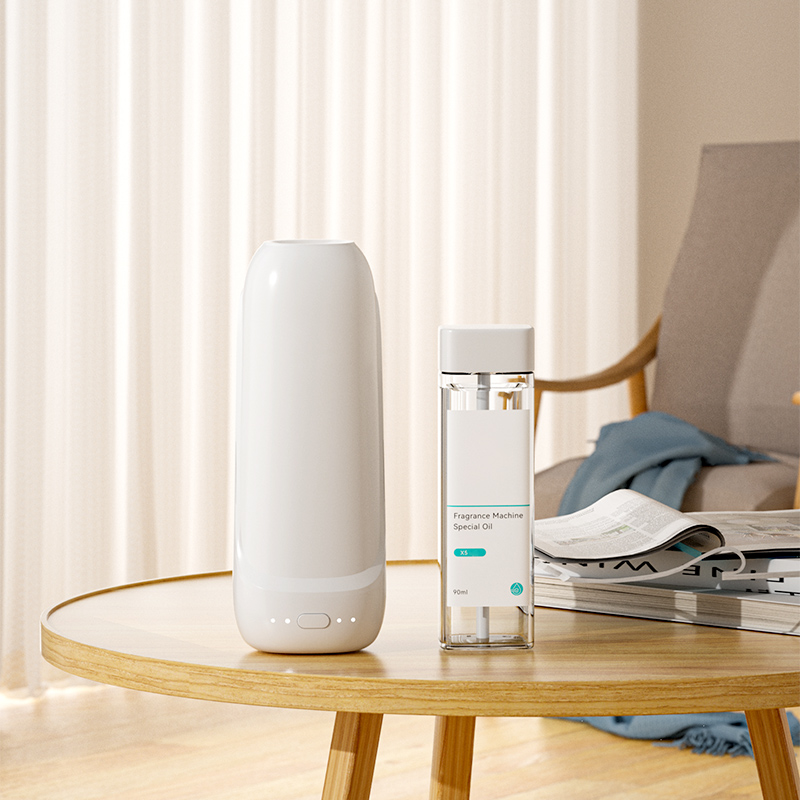
The physical device and its engineering directly impact the safety of the diffusion process. Evaluating hardware requires looking beyond aesthetics to understand dispersion methods, material stability, and built-in electrical safeguards. A poorly manufactured unit can turn a safe botanical extract into a respiratory hazard.
Ultrasonic units use water to dilute plant extracts and ultrasonic vibrations to create a fine mist. This method is generally safer for continuous ambient use due to the lower concentration of dispersed compounds. However, it introduces mold and bacteria aerosolization risks if the water reservoir is not cleaned regularly. Stagnant water becomes a breeding ground for pathogens, which the ultrasonic plate then launches into the breathable air.
Nebulizing units operate differently. They use pressurized air to disperse pure, undiluted extracts without water. This creates a much stronger aroma but carries a higher risk of rapid overexposure and respiratory triggering. Nebulizers require strict adherence to short timer intervals and are best suited for larger, highly ventilated spaces rather than small bedrooms or offices.
| Dispersion Method | Mechanism | Primary Safety Risk | Best Use Case |
|---|---|---|---|
| Ultrasonic | Water dilution + high-frequency vibration | Bacterial/mold aerosolization from dirty reservoirs | Small to medium rooms, daily ambient use |
| Nebulizing | Pressurized air + pure oil (no water) | Rapid VOC overexposure, respiratory irritation | Large, well-ventilated spaces, short therapeutic sessions |
| Evaporative | Fan blowing through an oil-soaked pad | Uneven dispersion, pad degradation | Personal desk space, travel |
Highly concentrated citrus and coniferous extracts contain high terpene content. Terpenes act as natural solvents that can rapidly degrade cheap plastics. When incompatible plastics break down, they leach microplastics, phthalates, and bisphenols (BPA) into the water, which are subsequently aerosolized into the room.
To prevent chemical leaching, the reservoir must be constructed from highly durable materials. High-density polypropylene (PP) that is explicitly rated as BPA-free is the industry standard for safe plastic components. Alternatively, medical-grade glass or ceramic reservoirs offer complete chemical inertness, ensuring that the mist remains free of degraded plastic byproducts.
Operating any electrical device involving water and heat generation requires strict safeguards. A waterless auto-shutoff feature is a critical requirement for any Essential Oil Diffuser. This mechanism detects when the reservoir is empty and cuts power to the unit, preventing device overheating, electrical fires, and permanent damage to the ultrasonic plate.
Programmable interval timers serve as a built-in safeguard against user forgetfulness. Devices that offer intermittent misting (e.g., 30 seconds on, 30 seconds off) or auto-shutdown after one hour enforce the "less is more" principle mechanically, reducing the burden on the user to monitor exposure times manually.
Sourcing high-volume products requires a rigorous compliance checklist. A reputable essential oil diffuser manufacturer must provide verified CE, RoHS, FCC, and UL/ETL electrical safety listings. These certifications guarantee that the device meets international standards for electrical insulation, electromagnetic interference, and hazardous substance restrictions.
Factory-level quality assurance (QA) protocols are equally important. Buyers must verify that the manufacturer conducts material stability testing under exposure to corrosive plant extracts. Devices should undergo lifecycle testing to ensure the ultrasonic plate, fan, and auto-shutoff sensors maintain functionality over thousands of hours of use.
Translating clinical safety guidelines into actionable daily practices is essential for mitigating health risks. Proper implementation focuses on exposure duration, ventilation, and protecting vulnerable populations.
The industry-standard framework for safe inhalation dictates diffusing for 30 to 60 minutes, followed by an equal or longer break. This interval allows the olfactory system and respiratory tract to reset, preventing mucosal irritation and olfactory fatigue.
Ambient airflow is non-negotiable. Operating a unit in a sealed room causes particulate accumulation and stale indoor air. Users should crack windows or ensure functioning HVAC systems are circulating air to disperse the VOCs and prevent the formation of secondary organic aerosols.
The concept of diffuser drift refers to micro-droplets settling on exposed skin, clothing, and furniture. Prolonged exposure to this settling mist can lead to delayed-type hypersensitivity or allergic contact dermatitis. Users should position devices several feet away from their face and workspace to minimize direct dermal contact.
Phototoxicity presents another severe risk. Citrus extracts containing furanocoumarins can settle on the skin during diffusion. If that skin is subsequently exposed to UV light, it can cause severe dermal burns and hyperpigmentation. Proper placement and avoiding direct mist inhalation mitigate this hazard.
Medical consensus strongly advises against diffusing around infants under six months of age. Their developing respiratory tracts and immature skin barriers are highly susceptible to airborne irritants and systemic toxicity.
Individuals with asthma, chronic obstructive pulmonary disease (COPD), or other reactive airway diseases face risks of acute bronchospasms when exposed to strong airborne irritants like eucalyptus, peppermint, or tea tree. For these populations, passive inhalation methods are safer than ambient room diffusion.
The most common and severe safety oversight in residential diffusion involves household pets. Animal biology differs significantly from human biology, making them highly vulnerable to compounds we find therapeutic.
Cats lack the liver enzyme glucuronyl transferase, which is required to metabolize certain compounds. This biological limitation makes them highly susceptible to phenol and monoterpene toxicity, commonly found in tea tree, citrus, pine, and cinnamon extracts. Exposure can lead to liver failure and severe neurological distress.
Dogs also face risks from specific extracts, including pennyroyal, wintergreen, and pine. Signs of clinical distress in canines include excessive drooling, lethargy, vomiting, and uncoordinated movement.
Birds possess highly efficient but extremely sensitive respiratory tracts. Any airborne particulates, including natural VOCs, can cause rapid respiratory failure. Zero diffusion is recommended in rooms housing pet birds.
The rule of passive diffusion must always be enforced: never lock an animal in a room with an active device. Pets must always have the physical agency to leave the space if the scent becomes overwhelming or irritating.
A hidden risk lies in settled residue. Diffused mist settles on the pet’s fur, bedding, or flooring. When pets groom themselves, they orally ingest the toxic compounds, bypassing the respiratory system entirely and causing direct gastrointestinal and hepatic toxicity.
Hardware safety is inextricably linked to the chemical consumable being loaded into the device. Poor quality extracts compromise both human health and device integrity.
Synthetic fragrance oils often contain phthalates and carrier solvents designed to mimic natural scents cheaply. These synthetics can clog the ultrasonic plate, degrade plastic reservoirs, and void manufacturer warranties. More importantly, inhaling vaporized carrier oils can cause mucosal irritation and, in severe cases, lipid pneumonia.
Verification of pure extracts involves checking for Gas Chromatography/Mass Spectrometry (GC/MS) testing reports, clearly labeled botanical names, and the country of origin. Pure extracts ensure predictable chemical profiles and safer inhalation.
A: No. Continuous overnight use increases the risk of respiratory irritation and olfactory fatigue. It is safer to use a device with an interval timer or an auto-shutoff feature that limits operation to 30-60 minutes before you fall asleep.
A: Sticky residue is caused by the settling of heavy volatile organic compounds or the use of synthetic fragrance oils containing carrier lipids. Ensure you are using pure extracts and place the device on a protected surface away from valuable furniture.
A: While many units accept tap water, distilled or filtered water is highly recommended. Tap water contains minerals that can cause scale buildup on the ultrasonic plate, reducing efficiency and aerosolizing white mineral dust into the air.
A: You should empty and wipe out the reservoir after every use. A deep clean using water and a small amount of white vinegar should be performed weekly to prevent mold, bacteria growth, and cross-contamination of scents.
A: Yes. Cats are highly toxic to tea tree, citrus, pine, wintergreen, peppermint, and eucalyptus. Due to their liver enzyme deficiencies, you should avoid diffusing these entirely in a home with felines.


