
Views: 0 Author: Site Editor Publish Time: 2026-09-19 Origin: Site


Buying random scented products often creates a chaotic environment. You place a floral candle in the living room, plug a synthetic pine warmer into the hallway, and set up a vanilla reed diffuser in the bathroom. The result is an overwhelming clash of fragrance profiles. Olfactory fatigue sets in quickly. Open-plan spaces remain inadequately covered, and you waste your budget on ineffective delivery systems that fail to perform. We need a more systematic methodology. Scentscaping, or scent zoning, treats fragrance as a structural element of your interior design. You must evaluate specific diffuser technologies against the functional requirements of each room. You must match scent profiles to the mood and square footage of the space. This structured framework solves common residential scenting failures. It maximizes the impact of your home fragrance setup. You will learn how to isolate zones, select the right hardware, and safely deploy scents across your entire floor plan.
Strategic Scent Zoning & Layering: Effective home fragrance requires isolating zones to prevent scent clashing, utilizing transition spaces as olfactory palate cleansers, and smartly layering different mediums within a single room.
Phased Deployment: You do not need to scent every room at once; starting with two or three key spaces prevents olfactory overwhelm and budget drain.
Hardware Matching: Delivery mechanisms must match room volume; passive diffusers fail in large open-plan spaces, where cold-air or smart aroma diffusers are technically required for continuous coverage.
Safety and Compliance: Implementation must account for pet toxicity, indoor air quality (VOCs), and HVAC system compatibility before scaling to whole-home diffusion.
A successful scent implementation requires strict parameters. You need a consistent baseline scent. You must achieve zero clashing between adjacent rooms. You need manageable maintenance schedules. The fragrance must align perfectly with the psychological purpose of the space. Meeting these criteria requires planning before you purchase any hardware.
Attempting to scent an entire house simultaneously often leads to olfactory chaos. You introduce too many variables at once. Different delivery mechanisms disperse at different rates. Airflow carries competing profiles into shared spaces. The resulting mixture is rarely pleasant. We recommend starting with a primary zone. The entryway and main living room serve as the best testing grounds. Establish a reliable baseline scent here first. Monitor how the fragrance travels through your hallways. Adjust the intensity settings based on your daily routine. Once you master this primary zone, you can safely expand to secondary rooms. This phased approach prevents sensory overwhelm.
Identify the highest-traffic area in your home to serve as the primary testing zone.
Deploy a single diffusion device and run it on the lowest setting for 48 hours.
Walk into the house from the outside to gauge the initial impact and detect any dead zones.
Gradually increase the output intensity until you reach a noticeable but unobtrusive baseline.
Room dimensions dictate your required dispersion power. Square footage is only one part of the equation. High ceilings drastically increase the total air volume. A diffuser rated for 500 square feet will fail in a room with vaulted ceilings. You must calculate the cubic footage. HVAC return vents also play a critical role. They constantly pull air out of the room. If you place a diffuser near a return vent, the scent disappears into your ductwork. Passive scenting devices struggle in high-airflow environments. Reeds and waxes simply cannot evaporate fast enough to overcome constant air circulation. You need mechanical dispersion for these spaces.
Room Type | Average Cubic Footage | Airflow Characteristics | Recommended Dispersion Power |
|---|---|---|---|
Standard Bedroom | 1,200 - 1,500 cu ft | Low to moderate, closed doors | Low (Passive or small ultrasonic) |
Open-Plan Living Room | 4,000 - 6,000+ cu ft | High, multiple entryways, ceiling fans | High (Cold-air nebulizing) |
Entryway / Foyer | 800 - 1,200 cu ft | Variable, frequent door opening | Medium (Targeted active diffusion) |
Master Bathroom | 600 - 900 cu ft | High exhaust fan usage | Medium (Motion-activated or reed) |
Zoning and layering serve two distinct functions. Zoning involves assigning non-competing fragrance families to different physical spaces. You might use a woody profile in the living room. You might use a clean citrus in the kitchen. The physical distance prevents these scents from mixing. Layering happens within a single room. You establish a continuous baseline scent using a reliable home fragrance diffuser. You then add short-burst mediums to elevate the mood for specific occasions. You might light a specialized candle during a dinner party. The temporary candle scent complements the permanent baseline. This creates depth without causing permanent clashes.
Olfactory fatigue is commonly known as nose blindness. Your brain naturally filters out continuous, unvarying stimuli. If a scent remains constant, you stop smelling it after a few days. Many people assume their diffuser is broken. In reality, their olfactory receptors have simply adapted. You must use programmable delivery schedules to maintain scent perception. Cycling the diffusion on and off prevents your brain from ignoring the smell. Running a diffuser for twenty minutes, then pausing for forty minutes, keeps the fragrance noticeable. This technique also extends the life of your consumable oils.
Selecting the right hardware is a technical decision. Each delivery mechanism has specific trade-offs. You must match the technology to the room's requirements. We break down the primary solution categories below.
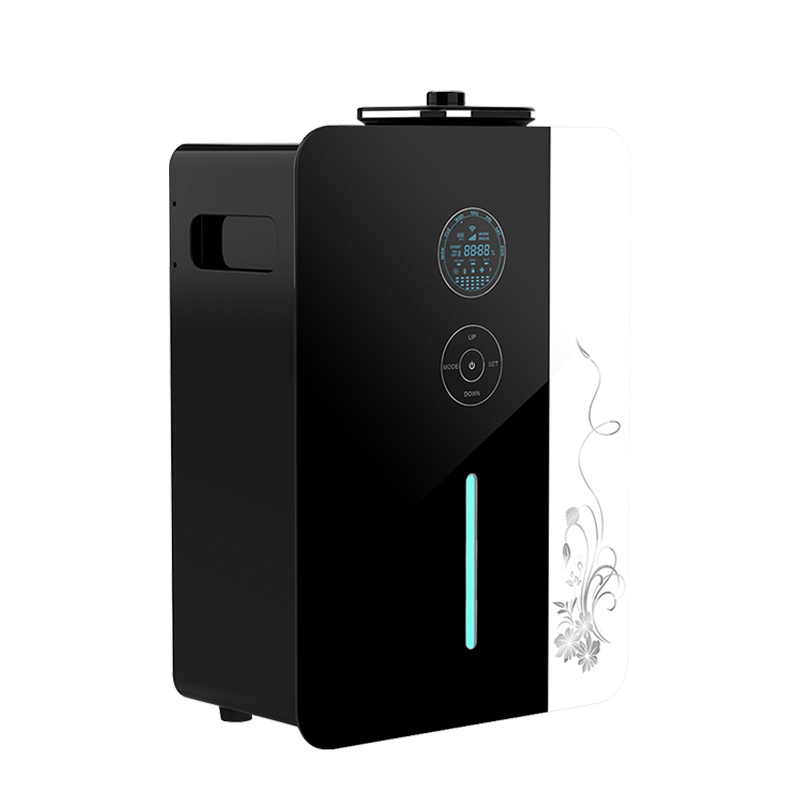
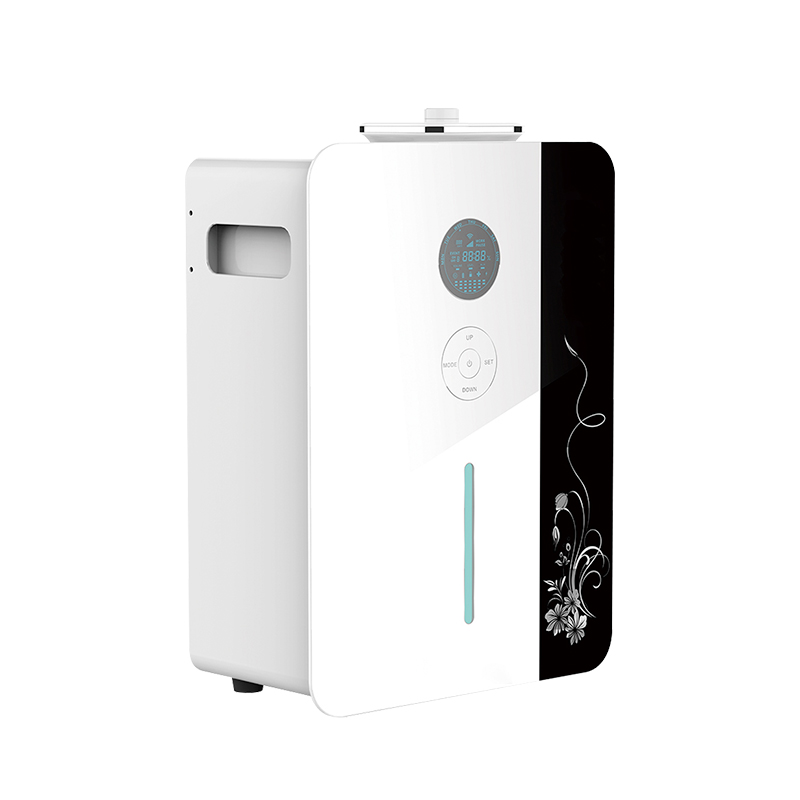
Cold-air nebulizing technology represents the standard for large spaces. These units do not use heat. They do not use water. They use pressurized air to break essential oils into micro-particles. These dry particles float on the natural air currents in your home. The advantages are significant. You get maximum square footage coverage. A smart aroma diffuser offers highly programmable intensity settings. It leaves zero residue on your furniture. The cold-air process preserves the therapeutic integrity of the oils. It is the ideal choice for continuous baseline scenting. There are some drawbacks to consider. The upfront hardware cost is higher. These units require proprietary or high-quality oil refills. They also produce a slight humming noise during operation. You must place them strategically to minimize acoustic distraction.
When installing these units in residential projects, we always look for central placement away from direct HVAC returns. Mounting them on a wall at eye level ensures the micro-particles catch the ambient room draft rather than settling on the floor. You can program the internal timers to match your family's schedule. Set the machine to activate thirty minutes before you arrive home from work. Program it to power down completely overnight. This level of control separates professional-grade equipment from basic consumer models.
Ultrasonic diffusers use water and rapid vibrations to create a scented mist. You add a few drops of oil to a water reservoir. The device disperses this mixture into the air. This is the most common entry-level technology. These units offer a lower entry cost. They add localized humidity, which helps in dry climates. They are budget-friendly options for smaller, enclosed spaces like home offices. However, the disadvantages limit their utility. The water dilutes the fragrance significantly. You must refill the reservoir daily. You must clean the unit frequently to prevent mold and bacterial growth. The heavy water particles fall quickly, severely limiting the coverage area.
If you leave an ultrasonic unit running on a wooden nightstand without a protective tray, the falling moisture will eventually damage the finish. The mist simply does not travel far enough to scent anything beyond a standard bedroom. They work well for temporary, localized applications. If you want to diffuse eucalyptus while recovering from a cold, an ultrasonic unit on your bedside table performs perfectly. For whole-room baseline scenting, they fall short.
Passive systems rely on natural evaporation or localized heat. Reed diffusers draw oil up through porous sticks. Candles and wax melters use heat to release fragrance molecules. They require no electricity or complex machinery. These systems produce zero mechanical noise. They offer high aesthetic value. They are excellent for targeted micro-zoning in small areas. Candles are highly effective for delivering short bursts of intense fragrance while creating visual ambiance. The limitations are strict. You cannot regulate the output. Candles present obvious fire hazards. The consumables deplete rapidly. Passive systems are entirely ineffective for establishing a baseline scent in large, open rooms.
We use passive systems strictly as supplementary layers. A high-quality reed diffuser placed in a guest bathroom provides a constant, low-level freshness. You flip the reeds weekly to refresh the scent throw. Wax melters work well in kitchens to quickly mask cooking odors, but you must turn them off manually. Relying on passive systems for your primary scenting strategy guarantees inconsistent results and constant manual intervention.
You must map specific hardware and fragrance families to distinct residential zones. We evaluate each space based on its functional goals and desired mood. This strategy ensures optimal performance across your floor plan.
Open-plan spaces require serious dispersion power. Passive diffusers will fail here. You need standalone cold-air diffusers. If your layout is exceptionally large, consider HVAC-integrated systems. These units push scent through your existing ductwork. Your strategy here is establishing a signature scent. This serves as the baseline for your entire home. Choose woods, light citruses, or subtle florals. These profiles remain pleasant over long periods. They provide a welcoming atmosphere without overwhelming occupants or guests.
Consider the airflow patterns in your living room. Ceiling fans, large windows, and open corridors dilute fragrance rapidly. Position your primary diffuser in a corner where natural convection currents can pick up the scent particles and carry them across the room. Avoid placing the unit directly next to an open window or an exhaust fan. We often recommend a blend of sandalwood and bergamot for these main areas. It feels sophisticated, clean, and universally appealing.
Kitchens present unique challenges. Heavy cooking odors compete with introduced fragrances. You should use targeted passive diffusers here. Short-duration ultrasonic diffusers also work well. Budget-friendly DIY simmer pots offer a natural alternative during heavy cooking sessions. You must avoid heavy florals in dining spaces. Floral notes interfere with your sense of taste. They ruin the dining experience. Focus on neutralizing odors instead. Use herbaceous profiles like basil and rosemary. Clean citrus notes also cut through lingering food smells effectively.
Timing matters in the kitchen. You do not want a diffuser running while you are actively eating a meal. Program your devices to activate an hour after dinner concludes. This helps clear the air of lingering garlic or fish odors. Lemon, thyme, and grapefruit oils excel at cutting through heavy airborne grease particles. Keep the scent profile crisp and culinary-adjacent.
Bedrooms require precise control. You need a smart diffuser with advanced scheduling capabilities. The unit must shut off automatically during deep sleep to prevent sensory disruption. You can layer this baseline with a jumbo candle for evening ambiance. Utilize aromachology principles to shape the mood. Evaluate lavender, chamomile, or sandalwood profiles. These specific scents support the parasympathetic nervous system. They promote relaxation and improve sleep quality. Keep the intensity settings low to maintain a subtle environment.
A bedroom should never smell overpowering. The goal is a subtle background note that signals your brain it is time to rest. Set your diffuser to run for thirty minutes before your target bedtime. Let it power down completely while you sleep. If you wake up in the middle of the night, a strong fragrance can make it difficult to fall back asleep. Stick to single-note essential oils or very simple blends to avoid olfactory overstimulation.
Hallways act as transition zones between distinct rooms. They serve as olfactory palate cleansers. Keep the scent profile neutral or use fresh linen notes. Reed diffusers work perfectly in these narrow spaces. They provide a continuous, low-level baseline. Bathrooms require high-intensity, clean profiles. Eucalyptus and marine notes work best. These scents combat localized odors effectively. Motion-activated atomizers deliver targeted bursts exactly when needed. Layering the space with complementary scented soaps and lotions enhances the localized experience.
Airflow in bathrooms is highly unpredictable due to exhaust fans and humidity changes. A motion-activated unit solves this problem by only deploying scent when the room is occupied. Place it high on a shelf to allow the mist to fall naturally through the breathing zone. For hallways, position reed diffusers on console tables away from direct drafts. This creates a subtle scent bridge as you walk from the woody living room to the lavender bedroom.
Scaling a scent system introduces hidden complexities. You must address safety, hardware integration, and ongoing maintenance. Ignoring these factors leads to system failure or health risks.
Many essential oils pose severe biological risks to pets. Cats and dogs lack specific liver enzymes required to process certain compounds. Tea tree, eucalyptus, citrus, and pine oils are highly toxic to them. Airborne diffusion allows these compounds to settle on their fur, which they later ingest during grooming. You must source pet-safe synthetic blends if you have animals in the house. Alternatively, isolate diffusers in strictly pet-free zones. Always monitor your pets for signs of respiratory distress or behavioral changes when introducing a new scent.
Consult your veterinarian before running any active diffusion system around birds or reptiles. Their respiratory systems are incredibly fragile. If you use a cold-air nebulizer, ensure the machine sits well out of reach of curious cats. The concentrated oil inside the reservoir is dangerous if spilled and ingested. Stick to verified pet-safe fragrance oils rather than raw essential oils to minimize risk.
Connecting a scenting system directly to your ductwork offers ultimate convenience. It provides uniform coverage across the entire house. However, this approach requires careful evaluation. You must ensure your HVAC fan can run independently of the heating or cooling cycles to maintain consistent scenting. Installation requires drilling into the ductwork. This modification may void warranties on newer HVAC units. Furthermore, oil particulates can build up in your air filters over time. You must increase your filter replacement frequency to prevent airflow restriction and system strain.
We see many homeowners attempt DIY HVAC installations and fail. You must tap into the supply side of the ductwork, never the return side. If you inject scent into the return duct, the air filter will immediately trap the particles, wasting your oil and clogging the filter. Hire a professional technician to install the injection tube. Check your air filters monthly. If they feel sticky or smell overwhelmingly strong, you need to lower the output settings on your scent machine.
Mechanical diffusers require strict maintenance protocols. You must calculate your refill frequency based on your programmed intensity settings. Running a cold-air unit at maximum output depletes the reservoir rapidly. Adjusting the cycle times extends the lifespan of the oil significantly. You can use budget-friendly supplemental scenting to reduce reliance on the main diffuser. Room sprays and natural simmer pots handle short-term odor issues. This preserves your premium oils for baseline scenting. Finally, you must flush mechanical diffusers with rubbing alcohol monthly. This prevents the micro-tubes from clogging with thickened oil residue.
To clean a nebulizing diffuser, empty the oil reservoir completely. Fill it with a quarter inch of high-proof rubbing alcohol. Run the machine on its highest setting for fifteen minutes in a well-ventilated area. This dissolves any hardened essential oil sap inside the nozzle. Dump the remaining alcohol, let the reservoir air dry, and refill it with your fragrance oil. Skipping this monthly maintenance guarantees a clogged nozzle and a broken machine.
Audit your floor plan to identify your primary living zone and measure its total cubic footage.
Select a cold-air nebulizing device for your main open-plan area to ensure adequate dispersion without adding moisture.
Program your diffusion hardware to cycle on and off in thirty-minute intervals to prevent olfactory fatigue.
Install passive reed diffusers in transition hallways to act as neutral scent bridges between distinct rooms.
Flush your mechanical diffusers with rubbing alcohol every thirty days to prevent nozzle clogs and maintain consistent output.
A: Cold-air or nebulizing diffusers are the most effective. They break oils into dry micro-particles without heat or water. This technology provides maximum square footage coverage and leaves no residue, far outperforming standard ultrasonic options in large spaces.
A: You must implement scent zoning. Assign distinct, non-competing fragrance families to separate physical spaces. Use hallways as transition zones with neutral scents to act as olfactory palate cleansers between rooms.
A: Combine a continuous baseline scent from a smart diffuser with short-burst mediums. Use room sprays or candles for temporary intensity during specific events. Complement the baseline with matching scented soaps and lotions in bathrooms.
A: Yes. They offer programmable scheduling that cycles the scent on and off. This prevents olfactory fatigue. They also provide precise intensity control, which optimizes oil consumption and reduces long-term refill requirements.
A: It depends on the oil. Many natural essential oils, like tea tree and eucalyptus, are toxic to cats and dogs. You must use specifically formulated pet-safe fragrance oils or restrict diffusers to pet-free zones.
A: Yes, using an HVAC-integrated cold-air diffuser. However, it requires professional installation into your ductwork. You must also change your HVAC filters more frequently to prevent oil particulate buildup and maintain proper airflow.
A: Reed diffusers typically last one to three months depending on ambient temperature and airflow. Cold-air diffusers consume oil based on programmed settings. A 500ml bottle in a cold-air unit can last several months on a low-intensity schedule.


