
Views: 0 Author: Site Editor Publish Time: 2026-09-22 Origin: Site


Tired of synthetic automotive air fresheners that assault your senses for two days and then completely vanish? You are not alone. For many drivers, finding a natural, long-lasting aroma that actually fits their specific hardware feels like a constant cycle of trial and error. The confined, climate-variable environment of a vehicle cabin demands a much higher standard of aromatics. A simple cardboard cutout simply cannot handle the thermal stress of a modern dashboard.
In this comprehensive engineering and selection guide, we will explore the nuances of premium botanical extracts. Specifically, we will break down the critical factors of device compatibility. You will learn exactly how to match essential oils with your existing hardware. This ensures a sustainable, non-toxic driving environment without damaging your diffuser's internal micro-pumps.
Key Takeaways:
Recent automotive accessory market analyses reveal a massive shift in consumer behavior. Drivers are rapidly abandoning disposable, chemically synthesized air fresheners. Instead, the focus has shifted toward sustainable, wellness-oriented alternatives. This trend is driven by an increased awareness of In-Cabin Air Quality (ICAQ). Modern car interiors are heavily sealed, meaning any off-gassing from cheap synthetics gets trapped inside. Consequently, hardware manufacturers are developing advanced delivery systems capable of handling pure botanical extracts. These new systems prevent the degradation of delicate molecular structures under extreme dashboard temperatures.
When evaluating automotive aromatherapy options, consumers must prioritize ingredient transparency and extraction methodology. The market is saturated with heavily diluted liquids that offer little beyond temporary odor masking. High-quality botanical extracts establish a rigorous standard, making them highly suitable for the uniquely demanding micro-climate of a vehicle.
As engineers, we look closely at the chemical stability of a liquid. The primary advantage of utilizing premium refills lies in their strict adherence to chemical purity. These oils undergo comprehensive Gas Chromatography and Mass Spectrometry (GC/MS) testing to verify their constituent profiles. For a small, enclosed space like a car, this verifiable purity is critical. Synthetic alternatives often release phthalates and artificial fixatives when exposed to the high temperatures typical of a parked vehicle in the summer. Pure botanicals degrade naturally. Extracted via cold pressing or steam distillation, they evaporate without emitting harmful chemical byproducts. Consequently, the air quality inside your cabin remains uncompromised.
Beyond basic odor elimination, pure plant extracts offer functional benefits supported by botanical science. Navigating heavy traffic or embarking on long road trips requires sustained cognitive focus and emotional regulation. Specific chemical constituents found in these oils interact directly with the olfactory system to produce physiological responses. For instance, oils rich in menthol (such as Peppermint) or 1,8-cineole (such as Eucalyptus) have been shown to support cognitive clarity and combat driver fatigue. Furthermore, high-traffic commutes elevate cortisol levels. Oils containing linalool, particularly Lavender and Roman Chamomile, assist in mitigating this sensory overload, promoting a much calmer driving environment.
A common point of failure we see in the lab is users confusing genuine plant extracts with synthetic alternatives. They might appear identical in amber glass packaging. However, their chemical composition, performance in vehicular environments, and physiological impacts differ substantially. Understanding these distinctions is necessary for making an informed purchasing decision and protecting your hardware.
To illustrate the contrast, a fragrance oil refill is typically lab-created. It often utilizes petroleum-based synthetic compounds designed solely to mimic specific scents. When subjected to the intense heat of a dashboard, the synthetic binders within these liquids can break down. This chemical breakdown releases VOCs that may cause headaches or olfactory fatigue. Conversely, a pure botanical extract contains hundreds of natural chemical constituents (e.g., terpenes, esters). While its therapeutic properties may diminish under extreme heat, it evaporates cleanly without toxic off-gassing.
| Feature | Pure Essential Oils | Synthetic Fragrance Oils |
|---|---|---|
| Composition | 100% natural plant extracts (Terpenes, Esters) | Petroleum-based chemicals & artificial binders |
| Heat Tolerance | Evaporates cleanly; therapeutic value may drop | Binders break down; emits VOCs and toxins |
| Hardware Impact | Safe for micro-pumps (if viscosity is matched) | Leaves sticky residue; frequently clogs nozzles |
The most critical factor in achieving optimal scent dispersion is matching the physical properties of the liquid with the mechanical operation of your hardware. Not all botanical extracts are universally compatible with all devices. If you fail to account for viscosity and delivery method, you risk severely damaging your equipment. Here is the engineering breakdown for selecting the right car scent oil for your specific device.
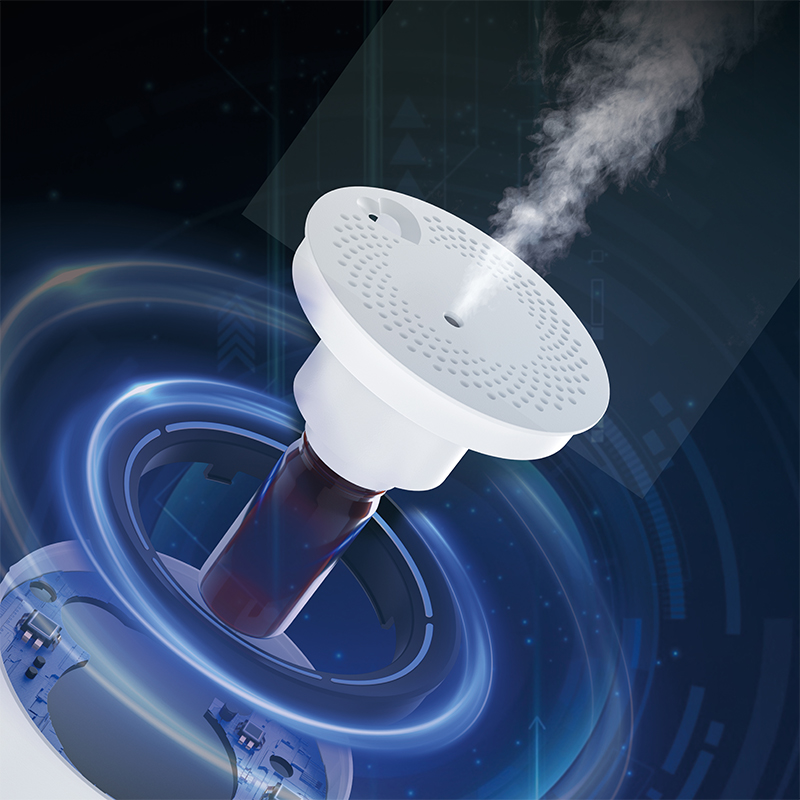
Nebulizing technology operates on Bernoulli’s principle. It utilizes pressurized air to break the liquid into nano-particles (usually around 1-3 microns) without the use of heat or water. This method delivers the most potent and unaltered aroma profile available for vehicles. However, users must exercise extreme caution with highly viscous, resin-based oils such as Vetiver, Myrrh, or Patchouli. These dense liquids can easily obstruct the delicate micro-tubes within the nebulizer nozzle. If you are utilizing a high-end waterless car diffuser—particularly those featuring sleek aluminum alloy bodies and smart timing controls—it is highly advisable to stick to thinner liquids. Citruses, mints, and light florals ensure the internal air pump operates smoothly without excessive backpressure.
Designed to fit within standard cup holders, these devices use a high-frequency piezoelectric transducer (often vibrating at 2.4 MHz) to create ultrasonic vibrations. This turns a mixture of water and oil into a fine, cool mist. These are fully compatible with botanical extracts, provided the user adheres to strict dilution ratios. Because the cabin of a vehicle is a micro-environment, adding too much extract to the water reservoir can quickly become overpowering. It may even leave a hazy, oily residue on the inside of the windshield. A conservative ratio of one to two drops per 50ml water reservoir is strongly recommended for automotive ultrasonic devices.
Passive diffusers, typically attached directly to the air conditioning vents, rely entirely on ambient HVAC airflow. They evaporate the liquid suspended in a porous material, usually felt, cotton, or unglazed ceramic. These are universally compatible with all botanical products, regardless of their viscosity. Because there are no mechanical parts or micro-tubes to clog, you can safely use thicker resinous blends here. A standard felt pad generally requires just a few drops to achieve proper saturation without dripping onto the vehicle's plastic interior components.
Selecting the appropriate aromatic profile requires balancing your personal olfactory preferences with the functional requirements of your typical driving conditions. Below are evidence-based profiles suited for various commuting scenarios.
Citrus oils are characterized by high concentrations of d-limonene, a compound noted for its uplifting and purifying properties. These are optimal for early morning commutes and combating grogginess. Recommended options include Sweet Orange, Lemon, Grapefruit, and Bergamot. It is worth noting that citrus extracts are highly volatile top notes. This means they evaporate rapidly. They perform exceptionally well in passive vent clips but may require more frequent reapplication compared to heavier, wood-based alternatives.
Extracts derived from leaves and woods often contain compounds that support respiratory function and mental acuity. These are highly recommended for long-distance road trips, night driving, and any scenario demanding heightened concentration. Peppermint, Eucalyptus Globulus, Atlas Cedarwood, and Rosemary are excellent choices. Because these possess a strong, penetrating aroma, when used in an active electronic device, the output intensity should be set to the lowest configuration to prevent overwhelming the driver.
Floral extracts contain esters and alcohols known for their grounding and nervous-system-regulating properties. Imagine being stuck in endless urban gridlock; this is where florals shine by reducing commute-induced anxiety. Lavender, Ylang Ylang, and Clary Sage are top contenders. Due to their relaxing properties, it is often a smart strategy to blend florals with a mild citrus or wood note. This maintains a state of calm alertness, rather than inducing drowsiness.
Replacing your aromatherapy source is not as simple as just pouring new liquid into a chamber. Improper replacement procedures can lead to micro-pump malfunction, degraded scent profiles, and even damage to your vehicle's interior upholstery. To ensure optimal performance and maintain the integrity of your device, a systematic approach is required.
The initial phase involves thoroughly cleaning the device to prevent cross-contamination. This step is particularly critical if you are transitioning from a synthetic product to a pure botanical extract. Synthetic fragrances often contain artificial fixatives and chemical binders that leave a stubborn, sticky residue inside the device. If this residue is not removed, it will mix with your new natural oils, altering the scent and potentially clogging the diffusion mechanism. Carefully disassemble the hardware. Use a cotton swab dipped in 99% isopropyl alcohol to gently wipe down the ultrasonic plate, nebulizer nozzle, or plastic housing. Allow the components to air dry completely outside the vehicle.
Once the hardware is prepped and dry, you can securely introduce the new scent medium. Precision is necessary here to avoid spills, as concentrated botanical extracts can dissolve car dashboard plastics over time. When inserting a new essential oil refill into an advanced nebulizing device, ensure the threads align perfectly. Cross-threading can cause micro-leaks. Tighten the bottle until it meets firm resistance, but avoid overtightening, which could crack the internal PTFE seal.
The final crucial step is adjusting the output for your specific vehicle size. The interior volume of a compact sedan is vastly different from that of a three-row SUV (typically ranging from 3 to 5 cubic meters). Setting the diffusion intensity too high in a small cabin can lead to olfactory fatigue. Always start on the lowest possible setting. For electronic devices, select the lowest intermittent interval. Evaluate the concentration after ten minutes of driving before making any upward adjustments.
Understanding the lifecycle of your aromatics is essential for both cost efficiency and consistent air quality. The degradation and consumption rates of your oils depend on several verifiable environmental and mechanical factors. There is no universal timeline; instead, replacement schedules must be calculated based on your specific usage habits and local climate.
Thermodynamics play a massive role in evaporation rates. The interior of a parked car in direct summer sunlight operates like an oven, easily exceeding 140°F (60°C). High temperatures exponentially increase the kinetic energy of the oil molecules, causing them to vaporize rapidly even when the device is turned off. A scent pad that lasts two weeks in a temperate autumn climate may dry out in just three days during a summer heatwave. Conversely, extreme cold can cause certain heavy liquids to thicken, severely reducing their diffusion rate until the car's heater warms the cabin.
Furthermore, different hardware technologies consume liquids at vastly different rates. Passive diffusion relies on ambient airflow, meaning the liquid evaporates continuously. Active diffusion systems, however, only consume liquid when powered on. As a general baseline, vent clip pads require reapplication every three to seven days. For intelligent waterless nebulizing systems, a standard 10ml bottle typically needs replacement every 30 to 45 days of average commuting use (assuming a low intermittent setting).
Maximizing the value of your aromatherapy investment requires moving beyond basic usage instructions. Based on material science and practical application, the following empirical tips can enhance your overall experience while protecting your vehicle's interior.
Felt and cotton pads used in vent clips do not need to be discarded immediately after a scent fades. Over time, the porous fibers become clogged with heavier plant lipids, reducing their absorption capacity. You can easily restore these pads through a simple washing process. Soak the used pads in a mixture of warm water and a small amount of grease-cutting dish soap for ten minutes. Gently press the pads to expel the trapped lipids, rinse thoroughly with clean water, and let them air dry completely for 24 hours. Once entirely dry, their porous structure is restored and ready to absorb a new application.
You are not restricted to single-note extracts. Creating a custom aromatic profile allows you to tailor the environment to your specific driving needs. When blending, it is crucial to understand the concept of volatility notes (top, middle, and base) to achieve a balanced evaporation rate. For an alertness blend, try combining two drops of Peppermint (top note) with two drops of Sweet Orange (top note) and one drop of Rosemary (middle note). If you are using a nebulizer, ensure the final blend isn't too viscous by keeping heavy base notes (like Cedarwood) to an absolute minimum.
The chemical compounds within pure botanical extracts are highly susceptible to oxidation and UV degradation. Leaving spare bottles in a hot glovebox or center console is a common but detrimental mistake. Prolonged exposure to heat and light breaks down the delicate molecular structures. This alters the therapeutic properties and causes the scent to become flat or rancid. Always store your backup bottles indoors in a cool, dark place, such as a drawer or cabinet away from direct sunlight. Bring them into the vehicle only when you are actively refilling the device.
Selecting the right botanical extract for your vehicle elevates the daily driving experience from a mundane chore to a restorative practice. By choosing high-quality, pure extracts, consumers secure a product free from synthetic adulterants, ensuring a truly non-toxic environment within the vehicle cabin. However, as outlined in this guide, the efficacy of these pure oils is inextricably linked to proper hardware utilization. Whether you utilize a simple passive vent clip or invest in sophisticated electronic systems, matching the liquid's viscosity to the device and adhering to a strict maintenance protocol is paramount.
While pure botanicals demand slightly more attention than disposable synthetic alternatives, the tangible benefits to your respiratory health, air quality, and cognitive focus make a premium car diffuser refill an indispensable asset for the modern commuter. For optimal performance and longevity, ensure your chosen aromatics are paired with professional-grade, engineered diffusion systems designed specifically for the automotive micro-climate.
Yes, pure botanical extracts are highly recommended for waterless nebulizing systems. These devices operate by forcing pressurized air through the liquid, which preserves the therapeutic integrity of the oil. However, it is crucial to avoid overly thick, resin-based extracts such as Vetiver, Patchouli, or Myrrh. Their high viscosity can clog the micro-tubes inside the nebulizer nozzle, requiring extensive cleaning with isopropyl alcohol.
Caution is strictly required when traveling with pets. A vehicle cabin is a highly enclosed space with limited ventilation. Certain compounds, such as the phenols found in Tea Tree, Eucalyptus, and Peppermint, can be toxic to dogs and cats, potentially causing respiratory distress or neurological issues. Always opt for pet-safe options like Lavender or Chamomile, keep the concentration extremely low, and ensure the vehicle's fresh air intake is active.
A standard fragrance refill is manufactured in a laboratory using synthetic chemicals, petroleum byproducts, and artificial fixatives designed solely to mimic scents. These can often trigger headaches or respiratory irritation in enclosed spaces. In contrast, high-quality botanical refills use 100% pure plant extracts obtained through steam distillation or cold pressing, offering genuine aromatherapeutic properties without emitting synthetic toxins when exposed to dashboard heat.
The liquid itself will not melt, but extreme cabin heat will cause the volatile organic compounds to evaporate at a highly accelerated rate. Furthermore, sustained temperatures above 90°F (32°C) can initiate chemical degradation, diminishing the therapeutic value and altering the intended scent profile. It is strongly advised to store backup bottles in a temperature-controlled indoor environment rather than leaving them in your glove compartment.
For a standard-sized felt or cotton vent clip pad, three to five drops are generally sufficient to scent an average passenger vehicle without causing olfactory fatigue. Because natural extracts evaporate cleanly without leaving synthetic binders, you will need to reapply this amount every three to seven days, depending on your local climate and how often you run the vehicle's HVAC system.
This is typically caused by one of two factors: olfactory fatigue or a clogged micro-pump. If your nose becomes accustomed to a constant scent, you will stop registering it (olfactory fatigue). Alternatively, if you are using a thick essential oil, the dense lipids may have temporarily restricted the nebulizer nozzle. Try running a small amount of rubbing alcohol through the device to clear the lines, and switch to a lower intermittent timer setting.
Unplug the device and empty any remaining water and oil from the 50ml reservoir. Use a cotton swab lightly dampened with white vinegar or 99% isopropyl alcohol to gently clean the small piezoelectric disc (usually located at the bottom center of the water tank). This removes the oily residue and mineral buildup that prevents the transducer from creating a proper mist. Wipe the rest of the basin clean and let it air dry before next use.


