
Views: 0 Author: Site Editor Publish Time: 2026-09-23 Origin: Site


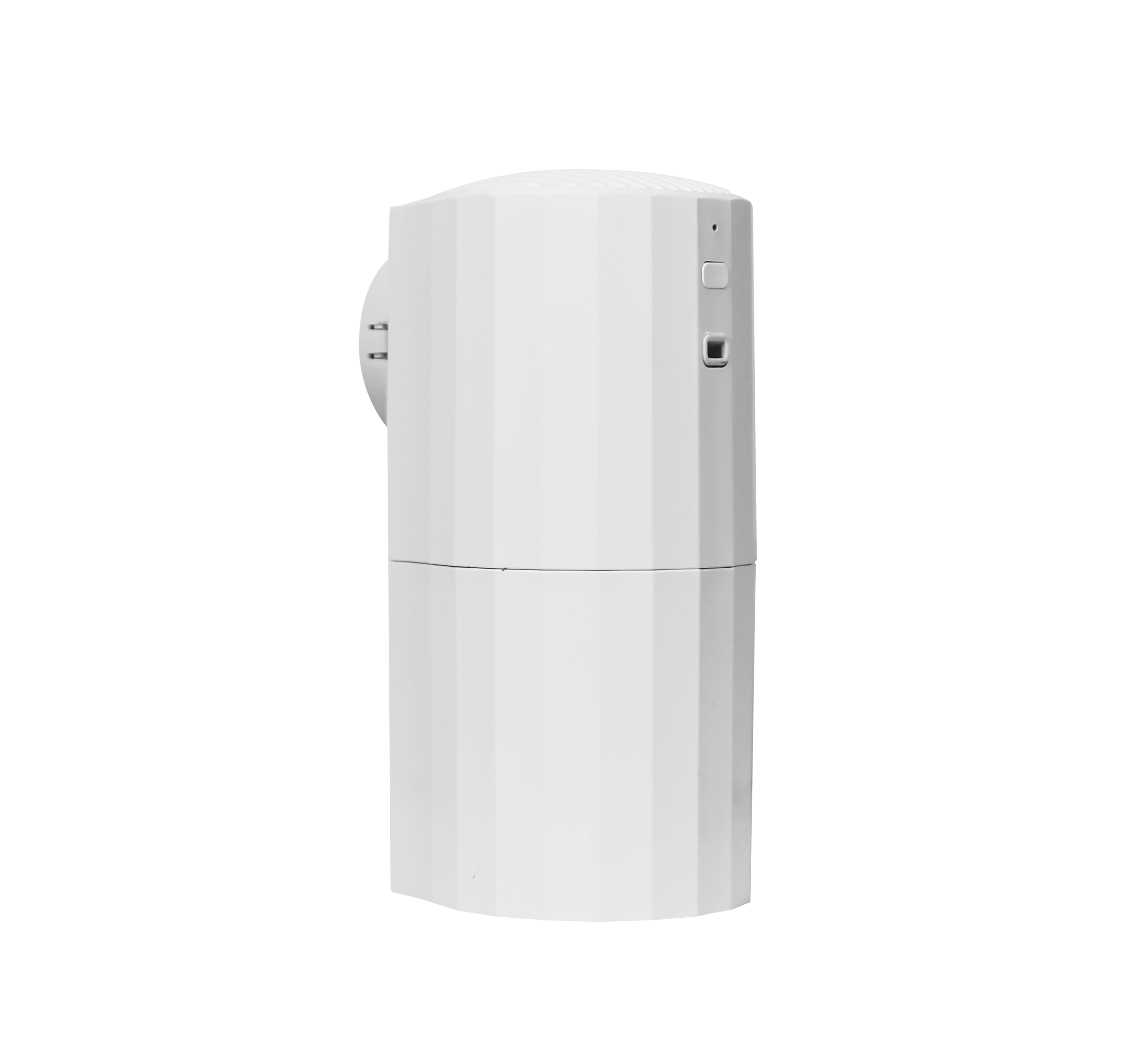
Incorrectly sizing scenting equipment carries a heavy cost. Wasted fragrance oil from overpowered units drains facility budgets rapidly. Conversely, undetectable scent from underpowered machines creates zero experiential impact for guests. Facility managers and business owners face a constant struggle when trying to translate standard manufacturer square footage claims into real-world performance. Complex HVAC layouts, varying ceiling heights, and dynamic airflow make flat-surface measurements highly inaccurate for volumetric scenting.
Evaluating and selecting the correct Commercial Aroma Diffuser requires moving beyond basic floor plans. You need a systematic framework based on true cubic volume, spatial layout, and existing building infrastructure. By matching the specific diffusion technology to your facility dimensions, you ensure consistent ambient fragrance without excessive maintenance or wasted consumables.
Cubic Volume Over Square Footage: Ceiling height and architectural layout dictate actual scent dispersion requirements far more accurately than standard floor area measurements.
HVAC vs. Standalone Thresholds: Standalone units are optimal for targeted zones up to 1,500 sq. ft., while spaces exceeding 2,000 sq. ft. generally require HVAC-integrated solutions for consistent coverage.
Technology Dictates Efficiency: Commercial-grade cold-air diffusion (waterless nebulization) is mandatory for large-scale scenting to prevent residue buildup and ensure micro-particle suspension.
Placement is Performance: Even correctly sized units will underperform if mounted at incorrect heights or placed in dead-air zones.
Manufacturers typically rate diffusion equipment based on square footage. This metric assumes a standard ceiling height of eight to ten feet and a perfectly open room. Commercial spaces rarely fit this profile. Relying solely on floor area often leads to severe underperformance in the field. You cannot scent a space effectively if you only measure the floor.
Buyers must calculate true cubic volume using the formula Length × Width × Height. Consider a 1,000-square-foot hotel lobby featuring 20-foot vaulted ceilings. This space contains 20,000 cubic feet of air. Now compare this to a 2,000-square-foot corporate office with standard 10-foot drop ceilings. This office also contains 20,000 cubic feet of air. Despite the lobby having half the floor space, it requires the exact same scent output capacity as the larger office. Failing to account for vertical space dilutes the fragrance before it ever reaches the occupant level.
Airflow and ventilation rates drastically alter how long fragrance particles remain suspended. Mechanical engineers measure this in Air Changes per Hour (ACH). High-ventilation areas sweep conditioned air out of the building rapidly. These environments require diffusers with significantly higher output capacities to compensate for the rapid air turnover. If you place a standard-capacity unit in a high-ACH zone, the scent gets extracted through the exhaust system before it can accumulate.
Facility Type | Typical Air Changes per Hour (ACH) | Scent Output Requirement |
|---|---|---|
Private Office | 4 to 6 | Low to Moderate |
Retail Showroom | 6 to 8 | Moderate |
Fitness Center / Gym | 8 to 12 | High |
Public Restroom | 10 to 15 | Very High (Targeted) |
Hotel Lobby (High Traffic) | 6 to 10 | High (Continuous) |
Architectural barriers further complicate dispersion. An open-concept showroom allows a single high-capacity machine to push fragrance across the entire floor. Compartmentalized spaces act differently. Walls, glass partitions, and closed doors restrict the throw of a single unit. Attempting to scent a multi-room medical clinic with one powerful machine placed in the hallway will simply over-scent the corridor while leaving the individual treatment rooms completely odorless. These layouts necessitate multi-zone strategies utilizing several smaller units.
Whole-facility fragrance mapping requires understanding how air moves between zones. Interconnected hallways, elevator shafts, and open stairwells create drafts. These drafts can either aid dispersion by carrying scent naturally through the building, or they can dilute scent concentration by pulling it away from the intended target area. Mapping these natural air currents prior to installation ensures you position equipment where the building's natural airflow does the heavy lifting.
Small, enclosed spaces require a delicate approach to ambient scenting. Ideal use cases include single-stall restrooms, spa treatment rooms, fitting rooms, and small entry vestibules. In these environments, the primary risk is overwhelming the occupant with excessive fragrance concentration.
The optimal equipment profile consists of compact wall-mounted, plug-in, or battery-operated units. When evaluating these machines, look for ultra-low output settings. Motion-sensor activation provides excellent value here, ensuring the machine only triggers when the room is occupied. This prevents the space from becoming saturated overnight. Whisper-quiet operation remains mandatory for intimate settings like spas or private offices, where mechanical humming disrupts the atmosphere. Battery-operated units offer flexibility in these zones, especially when power outlets are scarce, but they require strict maintenance schedules to swap batteries before the unit dies.
Medium-sized zones represent the most common application for targeted scenting. Ideal use cases include medical waiting rooms, boutique retail shops, elevator banks, and medium-sized private offices. These spaces have enough volume to handle consistent diffusion but are small enough to be serviced by standalone equipment.
A reliable commercial scent diffuser in a wall-mounted or freestanding configuration works best here. Programmable intensity settings prevent over-scenting. You must be able to fine-tune the output to match the specific dimensions. Mounting height dictates success in these zones. Install units at waist-to-head height, roughly four to six feet off the floor. This maximizes horizontal dispersion before the micro-particles naturally settle toward the ground. If you mount the unit too high, the scent gets trapped near the ceiling. If you mount it too low, the fragrance hits the floor before it can circulate.
Scaling up to larger footprints introduces new logistical challenges. Auto dealerships, mid-sized retail floors, open-plan corporate offices, and fitness centers fall into this category. The sheer volume of air requires robust mechanical solutions to maintain consistent fragrance levels.
Facility managers must choose between deploying high-capacity standalone towers or entry-level HVAC-connected units. A dedicated large area air diffuser offers immense power without requiring ductwork modifications. Assess the trade-off carefully. Multiple standalone units offer zone-specific scenting, allowing you to bypass architectural barriers. However, a single HVAC integration provides uniform ambient fragrance across the entire floor plan, eliminating localized hot spots where the scent feels too intense. Standalone towers in this category often feature internal fans to help push the dry mist further into the room, overcoming stagnant air pockets.
Massive architectural spaces demand enterprise-grade infrastructure. Hotel lobbies, casinos, shopping malls, and large event venues cannot rely on freestanding towers. The floor space is too vast, and the foot traffic is too heavy to risk placing equipment on the ground where it can be tampered with or knocked over.
Multi-zone, commercial-grade HVAC waterless scent diffusers serve as the standard here. When evaluating hotel scenting equipment, focus heavily on consumable capacity. Systems must feature large oil reservoirs ranging from 500ml to over 1000ml. Large capacities minimize maintenance intervals, allowing facilities teams to refill units monthly rather than weekly. Integrating directly with the building's central air handler ensures seamless, invisible scenting that reaches every corner of the property simultaneously. These enterprise units often feature heavy-duty internal pumps designed to run continuously for thousands of hours without failure.

Standalone units provide unmatched flexibility. They remain the ideal choice for leased commercial spaces where landlords prohibit ductwork modifications. If your HVAC system is inaccessible, mounted on a dangerous rooftop, or lacks the necessary static pressure, freestanding units bypass these infrastructure limitations entirely.
They excel at targeted scenting strategies. Many businesses want different olfactory experiences in different zones. A luxury spa might deploy a relaxing lavender profile in the treatment hallway while using an energizing citrus blend in the reception area. Standalone units make this multi-fragrance strategy possible.
Strategic placement dynamics govern their effectiveness. You must position these units precisely to maximize the throw of the fragrance. Keep them strictly away from exhaust vents, open exterior doors, or low-level HVAC returns. Placing a unit near a return vent simply sucks the fragrance out of the room before occupants can experience it. Instead, place them near the main entrance where the natural draft of opening doors pushes the scent inward.
HVAC integration becomes necessary when the primary goal is a seamless, invisible brand experience. High-end environments demand uniformity. Guests should perceive a pleasant aroma without ever seeing the equipment or walking through localized hot spots of intense fragrance.
Technical evaluation dictates feasibility. Installation requires strict adherence to mechanical protocols. If you install the unit incorrectly, you risk damaging the building's infrastructure.
Locate the supply duct strictly post-fan. Injecting oil before the fan coats the mechanical blower components in sticky residue.
Drill a small access hole for the injection tube. Ensure the tube points in the direction of the airflow.
Measure the static pressure inside the duct. The diffuser pump must generate enough pressure to overcome the duct's internal resistance, otherwise, the air will push the fragrance back into the machine.
Wire the diffuser to an air switch or interlock it with the HVAC fan relay. The diffuser must only operate when the HVAC fan is actively moving air. If the diffuser runs while the fan is off, oil simply pools inside the ductwork, creating a massive cleanup hazard.
Compare the higher upfront installation cost against the operational advantages. HVAC units offer superior coverage area, better oil efficiency, and drastically reduced labor for maintenance. Over a multi-year deployment, the centralized approach requires far fewer labor hours for refilling and recalibration.
Evaluation Criteria | Standalone Diffusers | HVAC Integrated Diffusers |
|---|---|---|
Coverage Area | Up to 1,500 sq. ft. (effective throw) | 2,000 to 5,000+ sq. ft. (uniform spread) |
Installation Complexity | Low (Plug-and-play, wall mount) | High (Requires duct access, static pressure checks) |
Maintenance Frequency | Higher (Smaller bottles, multiple units) | Lower (Large reservoirs, centralized location) |
Aesthetic Impact | Visible equipment in the space | Completely invisible to occupants |
Airflow Dependency | Relies on natural room drafts | Relies on mechanical blower fans |
Understanding the underlying technology prevents costly procurement mistakes. Commercial-grade cold-air diffusion operates via waterless nebulization. This process uses pressurized air to break essential oils into a dry mist of nanoparticles. These particles are so light they remain suspended in the ambient air for hours. Ultrasonic diffusers, which rely on water and vibration, fail entirely in commercial settings. They introduce unnecessary humidity, carry a high risk of mold generation inside ductwork, and produce heavy, wet particles that fall quickly, damaging nearby furniture and flooring.
Programmable scheduling and intensity controls separate professional equipment from residential toys. Facility managers require Bluetooth or Wi-Fi-enabled applications to set precise operating hours. A machine should only run from 9 AM to 6 PM if those are the operating hours. Running equipment overnight wastes expensive consumables. Granular intensity adjustments prevent olfactory fatigue. You need the ability to run a machine at 35% output rather than being forced into rigid low, medium, or high presets.
Duty cycles determine how the machine operates during its active hours. A duty cycle dictates the ratio of "work time" to "rest time." For example, a machine might run for 60 seconds and pause for 120 seconds. Adjusting this cycle allows you to maintain a subtle background scent without overwhelming the room. High-traffic areas require longer work times, while smaller enclosed spaces need longer rest times to allow the scent to dissipate naturally.
Maintenance schedules depend entirely on oil capacity and output settings. A realistic assessment of refill frequencies helps manage labor expectations. A 500ml bottle running at 30% intensity for 10 hours a day will last for several months. That exact same bottle, running at 80% intensity in a high-ventilation retail entrance, might drain in three weeks. Sizing the reservoir appropriately for the required intensity keeps maintenance manageable. Furthermore, the atomizer core requires periodic cleaning. Running rubbing alcohol through the system every few months prevents the microscopic nozzles from clogging with thick essential oil resins.
Over-scenting remains the most common implementation failure. Employees working in a scented environment quickly develop olfactory fatigue, becoming completely nose-blind to the fragrance. Believing the machine has stopped working, they turn up the intensity. Guests entering the building are then hit with an overwhelming, unpleasant wall of perfume. Mitigate this risk by utilizing lockable settings or password-protected apps. Base all intensity adjustments on objective feedback from first-time visitors rather than the subjective perception of daily staff.
Improper placement actively siphons scent out of the room. A frequent mistake involves placing standalone units directly under HVAC return vents or adjacent to bathroom exhaust fans. The mechanical ventilation immediately extracts the fragrance mist before it circulates. Map the airflow currents prior to installation. Utilize corner placements that push air naturally into the center of the room, allowing the building's own drafts to distribute the mist.
HVAC installation carries distinct physical risks. If the diffuser is installed incorrectly, oil condensation builds up inside the ductwork, eventually leaking through ceiling tiles. Mitigate this by ensuring the injection tube is perfectly centered in the airflow, pointing in the direction of the air current. Never install the injection point near sharp bends in the ductwork, as the mist will hit the metal wall and condense. Crucially, interlock the diffuser power with the HVAC fan relay so the unit only operates when the air handler is actively moving air.
Compliance and safety require strict attention in public spaces. Always source IFRA-compliant (International Fragrance Association) oils. This mitigates allergen risks and addresses Volatile Organic Compound (VOC) concerns. Commercial environments must prioritize occupant respiratory safety over cost savings when selecting fragrance formulations. Cheap, synthetic oils often contain harmful solvents that degrade the internal plastic components of the diffuser and cause respiratory irritation for guests.
Measure your facility's total cubic volume by multiplying length, width, and ceiling height for each distinct zone.
Audit your HVAC system to determine if the supply ducts are accessible post-fan for centralized integration.
Map out natural airflow pathways, return vents, and exhaust fans to identify optimal mounting locations for standalone units.
Consult with a scenting specialist to select equipment with an output capacity slightly above your maximum calculated requirement.
A: Coverage depends entirely on the equipment type and facility layout. Compact wall-mounted units handle micro-zones under 500 square feet. High-capacity standalone towers effectively cover 1,500 to 2,000 square feet. Enterprise-grade HVAC-integrated systems can push fragrance evenly across 5,000 or more square feet, provided the ductwork and mechanical airflow support the distribution.
A: Yes. Scenting requires filling a cubic volume of air, not just covering a flat floor space. A room with 20-foot ceilings requires double the scent output of a room with identical square footage but standard 10-foot ceilings. High ceilings dilute scent concentration rapidly before it reaches the occupants.
A: Multiple small units allow for multi-zoning and bypassing architectural barriers like walls. However, they require more frequent maintenance, consume more power outlets, and risk inconsistent scent overlap. A single large unit provides uniform coverage and centralizes refill maintenance, making it better for open floor plans.
A: Mount standalone units between four and six feet above the floor, roughly at waist-to-head level. This allows fragrance particles to disperse horizontally before settling. Keep units away from HVAC return vents, exhaust fans, and open exterior doors to prevent the scent from being immediately extracted.
A: Lifespan depends on capacity, intensity settings, and operating hours. A 500ml bottle running at 30% intensity for 8 hours a day can last three to four months. The same bottle running at 80% intensity for 14 hours a day in a high-ventilation space may empty in three weeks.


