
Views: 0 Author: Site Editor Publish Time: 2026-09-20 Origin: Site


Does daily stress leave you feeling perpetually overwhelmed? Picture returning home after a grueling commute. Instead of stale indoor air or lingering cooking odors, you step into a serene atmosphere. Your shoulders instinctively drop. Scent is arguably the fastest biological pathway to relax a hyperactive brain. It acts like a direct reset switch for your nervous system.
Unfortunately, commercial air fresheners fail to deliver real therapeutic value. They rely heavily on synthetic chemicals designed merely to mask odors. These artificial compounds often trigger lingering headaches rather than relieve tension. In contrast, a natural botanical mist offers a superior, biologically active solution. Let's break down the mechanics of olfactory architecture. In this guide, you will learn exactly how to engineer a profoundly relaxing fragrance profile tailored specifically to your personal space.
To understand why a natural aromatic mist actively alters your mood, we must look at the biological delivery mechanism. The human olfactory system functions like a high-speed data cable to the brain. Unlike our other senses—which are routed through the thalamus—smell has a direct anatomical connection to the limbic system. This intricate neural network includes the amygdala and the hippocampus. These regions process memory, autonomic responses, and emotional regulation.
When you inhale a pure botanical mist, microscopic odor molecules travel up the nasal cavity and bind to olfactory receptors. These receptors immediately fire electrical signals to the olfactory bulb. The data transmits straight to the limbic system. This rapid pathway explains why a specific scent triggers tranquility before you even consciously register the aroma.
From a clinical standpoint, inhaling specific terpenes (naturally occurring aromatic compounds) actively influences the autonomic nervous system. For instance, studies link certain botanical inhalations to reduced heart rates, lowered systolic blood pressure, and decreased salivary cortisol. Therefore, utilizing 100% pure plant extracts ensures your environmental scenting provides genuine aromatherapeutic value. It delivers measurable stress relief without the respiratory irritation caused by synthetic volatile organic compounds (VOCs).
Recent market data highlights a massive paradigm shift in environmental scenting. Consumers are rapidly abandoning purely aesthetic, synthetic room sprays. Instead, there is a surging demand for "functional neuro-architecture"—scents engineered specifically to induce deep focus or profound calm. People no longer just want their homes to smell good; they want their homes to actively reduce their daily stress.
Furthermore, as remote work blurs the lines between professional and personal spaces, individuals use scent to build mental boundaries. A crisp citrus blend during the day signals focus, while a deep woody aroma in the evening signals relaxation. This growing awareness has elevated scent design from niche perfumery to an essential component of interior wellness. Consequently, this demand drives rapid innovation in advanced diffusion hardware, shifting the industry away from messy water diffusers toward precision cold-air delivery systems.
Engineering a sophisticated fragrance requires more than arbitrarily mixing pleasant smells. It demands a strict understanding of molecular volatility and evaporation rates. Fragrance architecture is divided into three distinct categories. These dictate exactly how a scent unfolds in your environment.
Top notes consist of small, light molecules with extremely high volatility. They evaporate quickly, usually within the first 15 to 30 minutes of diffusion. Their primary function is to provide the initial sensory impact. They clear the air and introduce the fragrance profile.
Once the top notes dissipate, the middle notes emerge. These molecules are slightly heavier and form the core identity of the fragrance. They serve to balance the blend. Heart notes mask the initial sharpness of the top notes while transitioning smoothly into the heavier base.
Base notes are composed of the largest, heaviest molecules in perfumery. They possess the lowest volatility, meaning they evaporate very slowly. Crucially, base notes act as natural fixatives. They bind the lighter molecules together, preventing them from dissipating too rapidly.
When curating a custom calming aroma mist, ingredient selection is paramount. Different plant families offer unique chemical profiles that interact with the nervous system in distinct ways. Here is a breakdown of the most effective botanical categories for achieving profound relaxation.
Floral extracts are the cornerstone of relaxation due to their high concentrations of calming alcohols and esters.
Woody and resinous extracts contain sesquiterpenes. These larger molecules are known for their grounding, stabilizing effects on an overactive mind.
These notes are excellent for individuals who feel mentally scattered or emotionally overwhelmed by daily routines.
Formulating a bespoke home fragrance mist at home requires precision. Because water and botanical oils do not naturally mix, following a structured emulsification process is essential. This ensures a safe, effective, and beautifully cohesive product.
Step 1: Define Your Olfactory Goal
Determine the specific atmosphere you wish to create. Are you designing a mist to lightly spray on your pillows before sleep? Or a daytime ambient spray to reduce work-related stress? Your ultimate goal dictates your ingredient selection.
Step 2: Apply the 30-50-20 Rule
To ensure structural integrity, allocate your total drop count according to the standard perfumery ratio: 30% Top Notes, 50% Middle Notes, and 20% Base Notes. For a standard 2-ounce (60ml) spray bottle, a safe dilution rate is roughly 3% to 5%. This equates to approximately 40 to 60 drops of pure extract.
Step 3: The Mixing Process
Always blend your extracts in a glass vessel before adding liquids. Start by adding your heavy Base notes, follow with your Middle notes, and finish with your Top notes. Swirl the glass beaker in a gentle figure-eight motion. Do not shake vigorously; this introduces excess oxygen and accelerates degradation.
Step 4: Emulsification and Adding the Carrier
Botanical extracts are hydrophobic—they float on water. You must use a solubilizer. Add 1 ounce (30ml) of high-proof perfumer’s alcohol or unscented witch hazel to your oil mixture and swirl thoroughly. Allow this to sit for a few minutes. Then, fill the remaining 1 ounce (30ml) of the bottle with distilled water.
Step 5: Resting the Blend
While it is tempting to use the mist immediately, patience pays off. Place the mixture in a cool, dark place for 24 to 48 hours. This resting phase (maceration) allows the molecules to bind, significantly improving the smoothness of the final scent.
If you are new to olfactory architecture, start with empirically structured formulas. The following recipes are designed for a standard 2-ounce (60ml) glass spray bottle (totaling roughly 40 drops) utilizing the precise 30-50-20 blending ratio.
Engineered to target the parasympathetic nervous system, this blend prepares the body for deep rest.
Formulated to combat acute stress, this profile provides immediate olfactory grounding during high-tension moments.
An earthy, resonant profile intended for mindfulness practices or moments requiring emotional stabilization.
A lighter formulation designed to gently ease the mind into a relaxed but wakeful state.
A common engineering challenge with natural botanical sprays is their transient nature. Pure plant oils are inherently highly volatile. However, understanding the physical chemistry of scent allows you to strategically extend the lifespan of your custom relaxing fragrance spray.
Strategic Storage Solutions
The molecular integrity of essential oils is susceptible to environmental degradation. UV light, oxygen, and thermal fluctuations accelerate oxidation. This diminishes therapeutic efficacy and alters the scent. Always store your mist in dark-colored glass (amber or cobalt blue). Keep the bottle in a climate-controlled environment away from direct sunlight.
Targeted Application Techniques
The physical surface upon which a mist is dispersed dictates its evaporation rate. Spraying directly into ambient air results in rapid dispersion; the scent may vanish within fifteen minutes. To maximize longevity, apply the mist to porous, fibrous surfaces. Natural textiles like cotton pillows or wool rugs possess microscopic pockets. These trap the volatile oil molecules, releasing them slowly over several hours.
Utilizing Natural Fixatives
In botanical perfumery, a fixative equalizes vapor pressures. It slows down the overall rate of evaporation. If your mist fades too quickly, adjust your formula mathematically to increase the base notes. Resinous oils like Vetiver act as heavy anchors. They physically bind to the lighter top notes, restricting their ability to instantly vaporize.
While DIY mists offer a hands-on approach, they present inherent limitations in larger architectural spaces. Water-based sprays require constant manual application and suffer from rapid localized fading. For individuals seeking a permanent, effortless atmospheric transformation, transitioning to professional hardware is the logical next step.
Traditional consumer-grade diffusers rely on ultrasonic water vibrations or heat. Heat alters the delicate chemical isomers within botanical extracts, neutralizing their therapeutic properties. Ultrasonic water diffusers dilute the scent, introduce unnecessary humidity, and struggle to cover large areas evenly.
To solve this, industry leaders utilize sub-micron cold-air diffusion (nebulization). This technology employs highly pressurized, filtered air to physically break down a pure essential oil blend into microscopic, dry nanoparticles. Because these particles are infinitesimally small and completely free of water, they remain suspended in the ambient air for hours. They ride the natural airflow of your space to provide seamless, wall-to-wall coverage without leaving residue.
Choosing the right equipment determines the quality of your olfactory environment. Below is a core comparison of scent delivery methods to help you make an informed decision.
| Feature / Technology | Traditional Ultrasonic (Water) | DIY Room Spray (Water/Alcohol) | Ramon Cold-Air Nebulization |
|---|---|---|---|
| Scent Consistency | Fades as water level drops | Lasts 15-30 mins in air | Continuous, ultra-consistent |
| Oil Integrity | Diluted by water | Altered by alcohol/solubilizers | 100% pure, unaltered preservation |
| Residue & Humidity | Adds moisture, can leave wet spots | Can stain delicate fabrics | Zero humidity, completely dry mist |
| Best Use Case | Small bedside tables | Targeted fabric application | Whole-room/home ambient scenting |
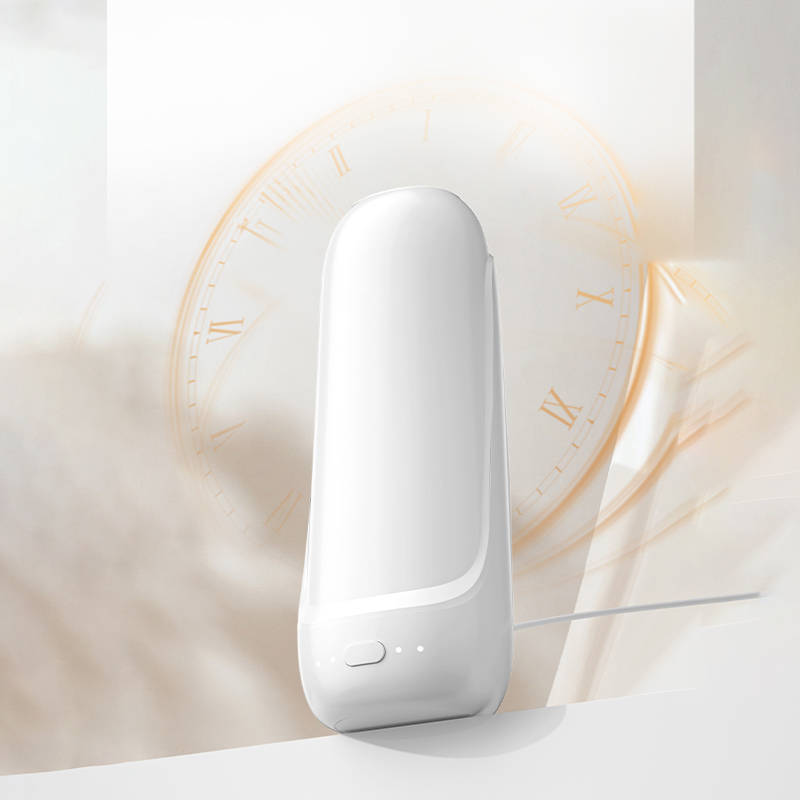
For example, if you want to upgrade your desktop or bedroom experience without the hassle of water tanks, compact nebulizers are ideal. Devices like the 90ml Rechargeable Mini Tabletop Aroma Diffuser offer a masterclass in portable scent engineering. Featuring a built-in battery and Type-C charging, it utilizes pure cold-air atomization. You simply attach the essential oil bottle directly to the pump head. It delivers precise, waterless scent control tailored exactly to your space, preserving the therapeutic integrity of every single drop.
Creating an effective aromatic environment requires careful note layering and proper delivery hardware. A truly balanced fragrance relies on structural ratios and high-quality botanical ingredients. By experimenting with the blending rules provided, you can engineer your perfect relaxing scent profile.
However, if you want to eliminate the manual labor of constant spraying and experience true, uninterrupted tranquility, it is time to upgrade your hardware. Explore professional cold-air diffusion systems at Ramon Aroma. From elegant 90ml rechargeable tabletop units to advanced HVAC-integrated systems, you can effortlessly elevate your daily home fragrance experience to new heights of wellness and luxury.
A: The frequency depends entirely on your space's ventilation and your specific formulation. Natural botanical extracts lack synthetic chemical fixatives, so they evaporate naturally. For general ambient fragrancing, 3 to 4 sprays every two hours is typical. For targeted sleep aid, apply a light spray to your pillowcases 15 minutes before bed for the best physiological results.
A: Essential oils are composed of highly volatile organic compounds (VOCs) predisposed to vaporize quickly at room temperature. If your spray fades rapidly, your formulation likely lacks sufficient base notes (like Sandalwood or Vetiver). Base notes possess heavier molecules that act as natural fixatives. Furthermore, spraying exclusively into the air rather than onto porous textiles accelerates evaporation.
A: We strongly advise against using standard tap water. Municipal tap water contains dissolved minerals, chlorine, and microscopic organic impurities that chemically interact with delicate essential oils, altering the scent profile. More importantly, unsterilized water creates an ideal breeding ground for bacterial growth. Always utilize purified distilled water combined with high-proof alcohol or witch hazel.
A: Not all botanical extracts are safe for animal exposure. Dogs and cats possess vastly different hepatic (liver) metabolic pathways than humans; they cannot safely process certain chemical compounds. Oils such as tea tree, eucalyptus, peppermint, and various citrus oils contain phenols and monoterpenes highly toxic to pets. Always consult a licensed veterinarian before introducing airborne aromatics, and ensure pets can easily leave the scented room.
A: Olfactory preferences are highly subjective. If you dislike a scent, it will not lower your stress levels. Roman Chamomile offers a sweet, apple-like herbaceous profile that functions similarly as a central nervous system relaxant. Ylang-Ylang provides a heavier floral alternative known to reduce autonomic arousal, while Clary Sage offers an earthy, slightly fruity middle note excellent for mood stabilization.
A: Ultrasonic diffusers use high-frequency vibrations to break down a mixture of water and a few drops of oil, emitting a wet mist that dilutes the scent and adds humidity to the room. Cold-air diffusers (nebulizers) use pressurized air to atomize pure essential oils into dry, sub-micron nanoparticles without using any water or heat. This results in a much stronger, purer, and longer-lasting scent that stays suspended in the air longer.
A: A high-quality mini tabletop diffuser, such as a 90ml rechargeable nebulizing unit, is specifically engineered for personal spaces. They typically provide optimal scent coverage for areas ranging from 100 to 300 square feet (10 to 30 square meters). This makes them perfect for home offices, bedrooms, bathroom counters, or directly on your work desk to create a localized zone of calm.


