
Views: 0 Author: Site Editor Publish Time: 2026-09-04 Origin: Site


Unboxing an aroma gift set introduces new variables into your home environment, from humidity changes to volatile organic compound (VOC) distribution and atmospheric mood. You immediately alter the baseline air quality and olfactory profile of your living space. Improper setup of diffusers and essential oils frequently results in weak scent throw, wasted fragrance, surface damage, or olfactory fatigue. Furthermore, beginners often misjudge the ratio of oil to room volume or struggle to integrate multi-component sets without creating an overwhelming, clashing aroma. This guide provides a systematic framework for evaluating your components, executing a technically sound setup, blending custom profiles, and mitigating common maintenance risks to maximize the lifespan, safety, and efficacy of your home fragrance system. We cover precise water-to-oil calibration, airflow management, and hardware upkeep to ensure a consistent aromatic experience.
Component Compatibility: Match the diffusion method (ultrasonic, passive, or heat) to the specific viscosity of the oils provided in your aroma gift set.
Placement Strategy: Scent distribution relies on ambient airflow; placing a ceramic essential oil diffuser near return vents or high-draft windows severely diminishes its effective range.
Dilution & Blending: Standardize your water-to-oil ratios based on tank capacity, and utilize foundational blending techniques to create custom, non-toxic scent profiles tailored to specific wellness goals.
Maintenance Realities: Hard water and residual oil buildup degrade ultrasonic plates and clog passive reeds, requiring a strict cleaning schedule to maintain baseline performance.
Before initiating setup, audit the hardware and consumables to determine the system's maximum coverage area, operational limits, and safety profile. Understanding exactly what equipment you have dictates the maintenance schedule and placement strategy. A thorough initial inspection prevents hardware damage and ensures you deploy the right tool for the right space.
Assess whether the set includes an active system or a passive system. Active units, such as ultrasonic or nebulizing devices, require power and actively push scent molecules into the air. Passive systems, like reed diffusers or porous stones, rely on natural evaporation. Identify the power requirements and tank capacity of electronic units. Note if the kit includes a USB or battery-powered mini diffuser designed for localized, portable use in small spaces like desks or bathrooms.
Evaluate the material integrity of your hardware. If you are using a ceramic essential oil diffuser, inspect the interior chamber. Glazed interiors prevent oil absorption and are easier to wipe clean. Unglazed interiors absorb oils over time, which can cause cross-contamination if you frequently switch between vastly different scent profiles.
Hardware Type | Mechanism | Coverage Area | Maintenance Level |
|---|---|---|---|
Ultrasonic Diffuser | Vibrating plate creates water/oil mist | Medium to Large (200-500 sq ft) | High (Weekly cleaning required) |
Nebulizing Diffuser | Pressurized air atomizes pure oil | Large (400-800 sq ft) | High (Requires specialized cleaning) |
Reed Diffuser | Capillary action draws oil up reeds | Small (50-150 sq ft) | Low (Flip reeds weekly) |
Porous Ceramic/Stone | Natural evaporation from surface | Micro (Desks, closets) | Low (Add drops as needed) |
Differentiate between pure essential oils, absolute blends, and synthetic fragrance oils included in the home fragrance gift set. Pure essential oils are extracted directly from plant matter via steam distillation or cold pressing. Synthetic fragrance oils are manufactured in laboratories to mimic natural scents or create entirely new profiles. Verify the non-toxic benefits of pure essential oils compared to synthetic alternatives. This distinction matters for users seeking natural home scents without introducing harsh chemicals into their indoor air.
Note the viscosity of the liquids provided. Thicker oils, such as vetiver, patchouli, or sandalwood, require different diffusion mechanics and cleaning protocols than lighter citrus oils like lemon or sweet orange. Heavy oils can clog passive reeds faster and leave a sticky residue on ultrasonic oscillating plates, necessitating more frequent deep cleans. Test the viscosity by observing how quickly a drop falls from the orifice reducer; fast drops indicate thin oils, while slow, sluggish drops indicate heavy, resinous oils.
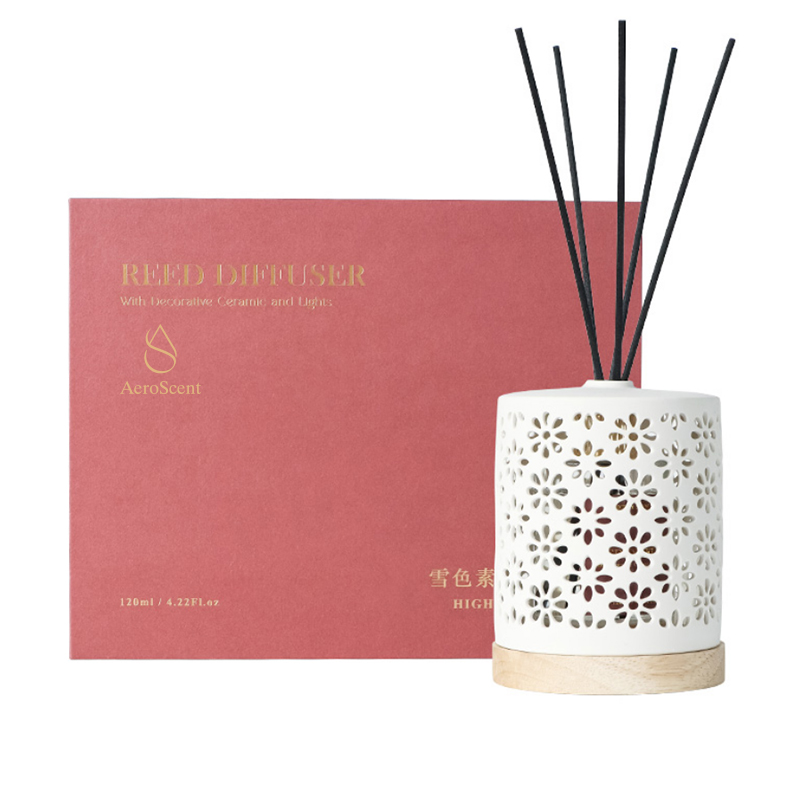
Active diffusion requires precise environmental controls, measurement, and intentional blending to function efficiently without oversaturating the space. Proper calibration prevents hardware malfunction and ensures a balanced scent throw. Rushing the setup process often leads to water spills, damaged furniture, or an overpowering aroma that causes headaches.
Establish a baseline ratio for your water reservoir. Typically, you should use 3 to 5 drops of standard-viscosity essential oil per 100ml of distilled water. Adjust these ratios based on the specific gravity of the oil and the desired intensity of the fragrance. Stronger oils like peppermint require fewer drops, while milder floral notes may require a slightly higher concentration.
100ml Tanks: Add 3 to 5 drops total. Ideal for small bedrooms or home offices.
200ml Tanks: Add 6 to 10 drops total. Suitable for standard living rooms.
300ml Tanks: Add 9 to 15 drops total. Best for open-concept spaces.
500ml Tanks: Add 15 to 25 drops total. Designed for large, high-traffic areas.
Avoid tap water in ultrasonic models to prevent mineral scaling on the oscillating plate. Tap water contains calcium and magnesium, which calcify on the internal components. This scaling restricts the vibration of the ultrasonic disc, resulting in weak mist output and eventual hardware failure. Always use distilled or purified water to protect the internal mechanics.
Utilize single-note oils from your beginner kit to formulate custom blends. Start with a simple three-part ratio comprising top, middle, and base notes to ensure a balanced, long-lasting aroma. Top notes provide the initial scent, middle notes form the core of the fragrance, and base notes anchor the blend, slowing down the overall evaporation rate.
Note Category | Evaporation Rate | Common Examples | Function in Blend |
|---|---|---|---|
Top Notes | Fast (1-2 hours) | Lemon, Sweet Orange, Peppermint, Bergamot | Provides the initial, impactful scent impression. Highly volatile. |
Middle Notes | Medium (2-4 hours) | Lavender, Rosemary, Chamomile, Eucalyptus | Acts as the heart of the blend, balancing sharp top notes. |
Base Notes | Slow (4+ hours) | Cedarwood, Sandalwood, Vetiver, Frankincense | Anchors the fragrance, extending the lifespan of lighter oils. |
Document your drop counts to replicate successful blends. Transition from basic single scents to complex profiles designed for specific wellness outcomes. For instance, combining lavender and chamomile creates a relaxing environment suitable for evening use, while blending peppermint and lemon promotes focus and energy during working hours. Keep a small notebook near your diffuser to track which ratios perform best in your specific room conditions.
Position the unit on a level, moisture-resistant surface. Avoid placing active diffusers on unsealed wood, porous stone, or antique furniture, as the continuous mist can cause warping, water rings, or mold growth. Use a protective tray or coaster if necessary to catch any accidental drips during the filling process.
Ensure a minimum clearance of 24 inches above the unit to prevent moisture accumulation on cabinetry, artwork, or electronics. The mist needs adequate vertical space to disperse into the ambient air before settling. Route power cables carefully to avoid trip hazards and ensure the unit cannot be easily tipped over by foot traffic or pets. Secure loose cords with cable ties or route them behind heavy furniture.
Passive systems and luxe multi-item sets offer lower maintenance but require strategic airflow management and scent coordination to achieve a noticeable, harmonious throw. They operate continuously without electricity, making them ideal for areas where active diffusers are impractical or unsafe.
Insert the provided reeds into the oil vessel and allow 24 hours for initial capillary action to draw the oil to the top. Rattan reeds contain microscopic channels that pull the liquid upward, releasing it into the air as it reaches the exposed surface. Synthetic fiber reeds often saturate faster and provide a stronger throw, but they consume oil more rapidly.
Establish a flipping schedule to refresh the scent profile. Flipping the reeds every 5 to 7 days exposes fully saturated ends to the air, instantly boosting the fragrance output. Note that frequent flipping accelerates oil consumption. If the scent becomes too strong, remove a few reeds; if it is too weak, add more. Replace the reeds entirely every two to three months, as dust and heavy oil molecules eventually clog the capillary channels, rendering them ineffective.
Apply the recommended drops directly to the porous surface of unglazed ceramic or stone diffusers. These passive devices absorb the essential oil and slowly release it into the surrounding air. Calculate the evaporation rate based on ambient room temperature and humidity. Warmer rooms cause faster evaporation, resulting in a stronger but shorter-lived scent.
Passive ceramics require more frequent top-offs than sealed reed systems. They are highly effective for micro-zones like closets, desk spaces, or bathroom shelves. When switching scents on a porous stone, allow the previous oil to evaporate completely over a few days to avoid muddying the new fragrance. You can also lightly sand the surface of some unglazed stones to remove residual oil buildup and restore absorption capacity.
If your aroma gift set includes complementary items like a diffuser, a soy candle, and a room spray, avoid deploying them simultaneously in the same micro-zone. Stacking multiple scent delivery methods in a small area causes olfactory clash and overwhelms the senses. It also wastes expensive consumable products.
Assign specific roles to each component based on their delivery speed and duration. Use room sprays for immediate, short-term freshness after cooking or cleaning. Rely on diffusers for continuous, subtle background aroma throughout the day. Burn candles for localized ambiance and heat-based scent throw during the evening or when entertaining guests. Spacing these items across different rooms creates a cohesive olfactory journey through the house without overwhelming any single space.
The perceived value of an aroma setup is heavily dependent on where it is deployed within the home's HVAC footprint and how it aligns with the room's function. Scent molecules travel on air currents, meaning placement dictates performance. A high-quality oil will perform poorly if placed in a stagnant corner or directly next to an exhaust fan.
Match the diffuser type to the square footage of the room. Reserve 300ml or larger ultrasonic diffusers for open-concept living spaces, large bedrooms, or areas with high ceilings. Deploy passive reeds or mini diffusers in confined spaces like bathrooms, entryways, or home offices to prevent overpowering the small volume of air.
Understand olfactory fatigue, commonly known as nose blindness. If you sit directly next to a running diffuser, your brain will quickly tune out the scent. Place diffusers in transitional spaces, such as hallways or near doorways, rather than directly next to primary seating areas. This allows you to perceive the scent anew each time you enter the room. Rotating your scent profiles every few weeks also helps reset your olfactory receptors.
Deploy specific scent profiles to engineer the desired atmosphere for each room. The olfactory profile should match the functional intent of the space. Misaligning scents can disrupt the intended use of the room, such as using stimulating peppermint in a bedroom.
Kitchens: Use bright, natural citrus or herbal blends (lemon, basil, grapefruit) to cut through cooking odors and create a fresh, clean environment.
Bedrooms: Reserve warm, woody, or floral notes (lavender, cedarwood, ylang-ylang) to build a cozy, relaxing space conducive to sleep and wind-down routines.
Home Offices: Utilize invigorating scents (peppermint, rosemary, eucalyptus) to promote alertness and concentration during work hours.
Bathrooms: Deploy crisp, purifying aromas (tea tree, pine, bergamot) to maintain a hygienic and spa-like atmosphere.
Leverage natural convection currents within your home. Warm air rises, carrying scent molecules with it. Place diffusers lower in the room, such as on a side table or low shelf, so the mist and fragrance naturally ascend and circulate. Avoid placing units on high bookshelves where the scent will remain trapped near the ceiling.
Avoid placing units directly under HVAC intake vents or near exhaust fans. These systems will extract the fragrance from the room before it has a chance to circulate. Similarly, keep diffusers away from open windows with strong inward drafts, which can blow the mist directly against a wall, causing moisture damage to drywall or peeling paint.
Failure to maintain the equipment or account for environmental hazards can lead to hardware failure or health risks. Treating your home fragrance setup with proper care ensures longevity and safety for all occupants. Regular maintenance prevents the buildup of harmful bacteria and protects the internal mechanics of your devices.
Implement a weekly cleaning protocol for water-based diffusers. Empty any remaining water, wipe out the tank with a microfiber cloth, and use a dilute white vinegar solution to dissolve lipid and mineral deposits. The acetic acid in vinegar safely breaks down hard water scale on the ultrasonic plate without damaging the plastic or ceramic components.
Unplug the unit and empty all residual water from the rear of the tank to avoid the air intake valve.
Fill the reservoir halfway with clean water and add one teaspoon of white vinegar.
Run the diffuser for five minutes to allow the vinegar mixture to cycle through the ultrasonic mechanisms.
Empty the tank, wipe the interior with a cotton swab to remove stubborn oil rings, and rinse with clean water.
Leave the lid off to air dry completely before the next use.
Dry the tank completely between uses if the unit will sit idle for more than 48 hours. Stagnant water combined with organic essential oil matter creates an ideal breeding ground for mold and bacteria. Diffusing contaminated water disperses these pathogens directly into the air you breathe, which can trigger respiratory issues.
Audit the essential oils in your collection against veterinary safety databases, such as the ASPCA poison control list. Many common oils are highly toxic to cats and dogs, either through inhalation, direct skin contact, or ingestion. Oils like eucalyptus, tea tree, citrus, peppermint, and pine pose severe risks to household pets. Their livers lack the specific enzymes required to metabolize the compounds found in these oils.
Ensure diffusers are placed entirely out of reach of pets to prevent accidental spills or ingestion. When diffusing any scent, ensure the room has adequate ventilation. Always leave the door open so animals can freely exit the space if the aroma becomes irritating to their sensitive respiratory systems. Monitor your pets for signs of distress, such as drooling, lethargy, or coughing, when introducing a new scent profile to the home.
Finalize your initial placement away from direct HVAC intakes, unsealed wood, and delicate surfaces to prevent moisture damage.
Run a 24-hour test with a basic top-note oil to gauge the effective scent throw and adjust your water-to-oil ratios accordingly.
Establish a recurring calendar reminder for weekly hardware maintenance, deep cleaning, and monthly reed replacement.
Audit your current oil inventory against veterinary databases to separate pet-safe options from toxic variants before diffusing.
A: Fill the reservoir up to the indicated maximum fill line, typically between 100ml and 300ml depending on the model. Never overfill the tank, as this prevents the ultrasonic plate from generating a proper mist. Always use distilled water to prevent mineral buildup inside the ceramic housing.
A: Start with a basic 30-50-20 ratio using top, middle, and base notes. For example, use three drops of a top note like sweet orange, five drops of a middle note like lavender, and two drops of a base note like cedarwood. Document your recipes to replicate successful combinations.
A: You are likely experiencing olfactory fatigue, also known as nose blindness. Your brain naturally tunes out continuous background odors to detect new scents. To combat this, rotate your essential oil blends weekly, turn off the diffuser periodically, or move the unit to a transitional space like a hallway.
A: It is highly recommended to avoid tap water. Tap water contains minerals like calcium and magnesium that create hard scale buildup on the ultrasonic oscillating plate. This scaling reduces mist output and shortens the lifespan of the device. Always use distilled or purified water for optimal performance.
A: Wipe out the water reservoir with a damp cloth after every use. Perform a deep clean once a week by running a short cycle with a solution of water and a few drops of white vinegar. This dissolves lingering lipid residues and prevents mold growth inside the tank.
A: Not all essential oils are safe for pets. Common oils like tea tree, eucalyptus, citrus, peppermint, and ylang-ylang are highly toxic to cats and dogs. Always consult veterinary databases like the ASPCA before diffusing new scents, and ensure your pets can freely leave the room.

