
Views: 0 Author: Site Editor Publish Time: 2026-06-22 Origin: Site


Upgrading your home or business to feature a luxury, hotel-like olfactory experience feels incredibly rewarding. However, choosing the right ambient scent system often leaves buyers feeling completely paralyzed. Two prominent market players currently dominate this premium tier. This reality makes your final decision surprisingly complex. Both brands operate beautifully within the high-end cold-air diffusion space. Yet, they target fundamentally different user needs and implementation scales. We will break down their hardware capabilities transparently. You will also see recurring costs and spatial requirements clearly defined. This helps you determine exactly which system perfectly matches your physical environment. Read on to make a highly informed investment without second-guessing your choice. By comparing these two giants, you avoid costly setup mistakes. Our objective guide ensures you invest wisely based on actual room dimensions.
Many new buyers wonder if one of these brands represents a scam. They do not. Aroma360 and Hotel Collection share a close corporate affiliation. They exist under a shared parent network. Disclosing this fact immediately builds reader trust. It also shifts our focus entirely. We stop asking which company is legitimate. Instead, we ask which ecosystem actually suits your daily routine. Performing a thorough aroma360 vs hotel collection evaluation clarifies everything.
Aroma360 dominates the architectural and commercial space. Engineers built it specifically for permanent installations. It serves B2B retail environments beautifully. High-net-worth residential integration also relies heavily on these units. You install the system once. Then, it runs invisibly in the background. It represents a structural upgrade to your property.
Hotel Collection positions itself quite differently. It operates as a premium direct-to-consumer lifestyle brand. Designers crafted it to bring hospitality aesthetics indoors. Think luxury candles, elegant reed diffusers, and sleek standalone towers. It perfectly elevates everyday living spaces visually. You buy it to display it proudly. It acts as functional room decor.
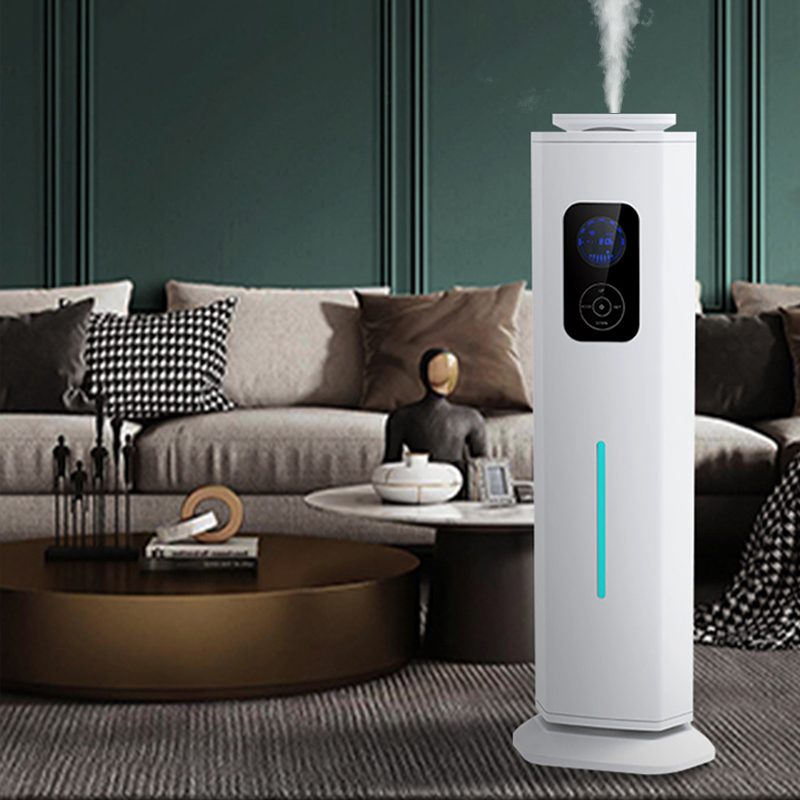
Understanding the internal mechanics is crucial. This is where an objective aroma diffuser comparison becomes highly valuable. Both brands utilize cold-air nebulization, but they deploy it differently.
| Feature Comparison | Aroma360 (HVAC) | Hotel Collection (Standalone) |
|---|---|---|
| Primary Target | Whole-home / Commercial spaces | Single rooms / Apartments |
| Installation Effort | Moderate to High | None (Plug-and-play) |
| Visual Footprint | Hidden in utility closets | Visible aesthetic decor |
Safety verified by industry experts matters deeply. Both brands exclusively use cold-air diffusion. This process uses no water and applies no heat. It effectively prevents dangerous mold growth. It also stops essential oil degradation. Both manufacturers claim strict IFRA (International Fragrance Association) compliance. They also formulate pet-friendly options. Always use them as directed by the manual.
Hotel Collection employs a hyper-focused scent strategy. It relies heavily on precise replication. Buyers evaluate it based on accuracy. They want to recreate specific luxury environments exactly. Popular examples include recreating the "My Way" scent from 1 Hotel. Another favorite is "Black Velvet" inspired by Edition Hotels. It appeals to vacation nostalgia.
Aroma360 takes a much broader approach. Its fragrance library feels significantly more complex. Curators design these scents for distinct moods. The catalog adapts to seasonal shifts perfectly. Retailers use it for custom olfactory branding. Corporate environments thrive on this specific variety. You can craft a unique identity for your business easily.
We must contrast the initial capital expenditure honestly. Aroma360’s HVAC units demand a significant upfront investment. You must purchase heavy-duty commercial machinery. Often, you also pay for professional installation services. Hotel Collection diffusers offer a much lower barrier to entry. You simply buy a standalone tower. Then, you plug it into a standard wall outlet.
The real financial commitment involves recurring subscription models. Fragrance oils require strict monthly replenishment. We can break down this monthly cost clearly. The table below illustrates estimated consumption rates. It assumes moderate usage across standard environments.
| Usage Intensity | Daily Operating Hours | Estimated 120ml Bottle Lifespan |
|---|---|---|
| Low (30%) | 4 - 6 hours | 6 - 8 weeks |
| Moderate (50%) | 8 hours | 4 weeks (1 month) |
| High (80%+) | 12+ hours | 2 - 3 weeks |
You must evaluate VIP tier cancellation policies carefully. Buyers frequently experience friction here during the decision stage. Understand your contract thoroughly before subscribing. Customer service wait times can sometimes complicate cancellations.
Finally, utilize the cost-per-square-foot metric. Do not merely look at the retail bottle price. Evaluate true value based on your total target area. A $100 bottle scenting 500 square feet represents entirely different value than a $100 bottle scenting 2,500 square feet efficiently.
Choosing your ideal system requires practical self-assessment. We created a framework based on three common architectural realities. Review these profiles to finalize your hardware selection.
A: Yes, structurally they share nearly identical viscosities. However, mixing them often voids your manufacturer warranty completely. If a unit breaks down, customer support will likely reject your claim. Practical interoperability certainly exists. Still, we highly recommend sticking to the native ecosystem to protect your expensive hardware investment.
A: Yes. Cold-air nebulization is generally safe for pets. It leaves no heavy residue on floors or fur. It differs greatly from traditional heated essential oils. Heated oils can quickly turn toxic for cats and dogs. Veterinary consensus supports ambient cold-air scenting, provided you maintain adequate room ventilation.
A: A 120ml bottle typically lasts exactly one month. This baseline assumes average intensity settings. It also assumes a daily runtime of about eight hours. Unrealistic marketing claims sometimes promise much longer lifespans. However, real-world usage usually dictates a standard 30-day replenishment cycle for optimal ambient fragrance.


