
Views: 0 Author: Site Editor Publish Time: 2026-08-31 Origin: Site


Aromatherapy is frequently utilized to promote relaxation, alleviate stress, and improve sleep architecture, yet the majority of commercial diffusers introduce a counterproductive element: bright, un-dimmable LED lighting. Standard diffusers often feature color-changing lights or persistent power indicators that disrupt circadian rhythms, trigger sensory sensitivities, or clash with minimalist interior design. Furthermore, traditional alternatives like scented candles introduce unwanted flickering light and soot. Buyers seeking pure olfactory benefits are forced to compromise their visual and respiratory environment.
Transition to evaluating how a dedicated essential oil diffuser without light—or one with a verified "stealth mode"—resolves these environmental conflicts. Outline the criteria for selecting a unit that balances true darkness, acoustic performance, non-toxic air freshening, and efficient oil dispersion.
Creating a restorative environment requires strict control over environmental variables. A high-focus workspace or a sleep-optimized bedroom demands total darkness, minimal ambient noise, and controlled air quality. Standard aromatherapy devices routinely fail these baseline requirements. Manufacturers often treat diffusers as novelty electronics, adding rotating color LEDs, bright digital displays, and illuminated water tanks. These features actively degrade the user experience for anyone sensitive to environmental stimuli. True environmental control requires isolating the olfactory benefits from visual and auditory disruptions. You cannot achieve deep rest if your hardware constantly demands visual attention.
Human biology reacts aggressively to artificial light at night. Standard diffuser LEDs heavily emit blue and green spectrum light, specifically in the 460 to 480-nanometer range. These specific wavelengths signal the brain that it is daytime. When the retina detects this light, it signals the pineal gland to halt melatonin secretion. Melatonin is the primary hormone responsible for regulating your sleep-wake cycles.
Even low-lumen light sources in a completely dark room cause physiological changes. A glowing power button or a dim water reservoir light suppresses melatonin production. This suppression elevates your resting heart rate and delays the onset of deep sleep. It also fragments REM sleep cycles throughout the night. Users attempting to use lavender or chamomile oils for insomnia often negate the chemical benefits of the oils by exposing themselves to these disruptive light spectrums. Achieving clinical sleep hygiene requires eliminating all ambient light sources, no matter how small.
Strong olfactory stimulation paired with visual stimulation creates sensory overload. Pulsing or color-changing lights compound the neurological strain for sensitive individuals. People managing chronic migraines, photophobia, or neurodivergent sensory processing needs require strict environmental isolation. During a migraine attack, a pitch-black environment is medically necessary to prevent symptom escalation. Visual stimuli directly aggravate the optic nerve, intensifying the headache.
Using essential oils like peppermint or eucalyptus can relieve tension headaches. However, if the device delivering the oil emits a flashing low-water warning, it triggers the exact photophobia the user is trying to avoid. Isolating the aromatherapy variable is mandatory here. A completely dark device allows users to harness the pain-relieving properties of essential oils without introducing visual triggers that worsen neurological symptoms.
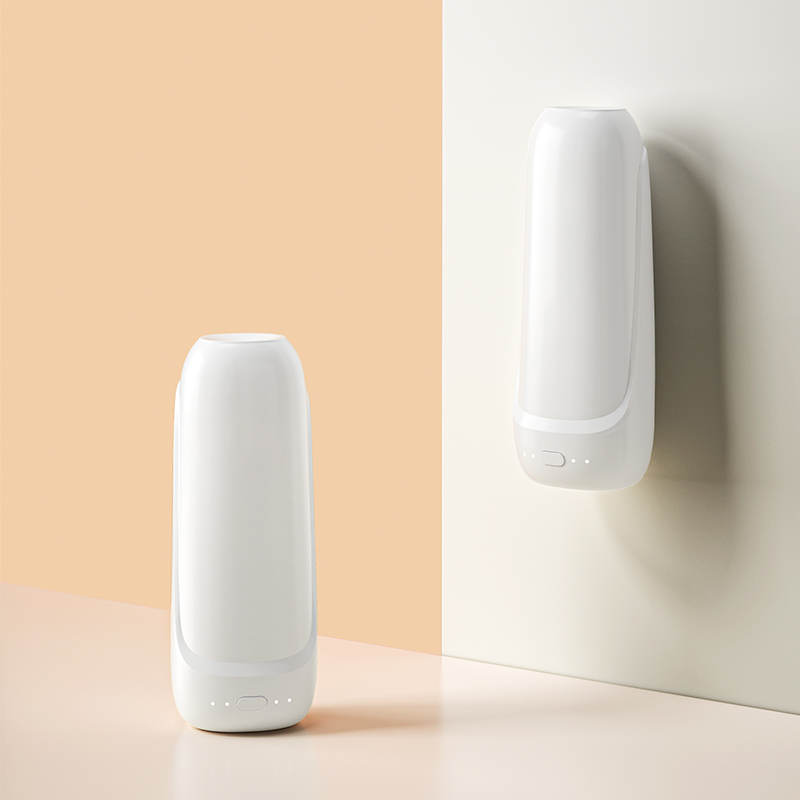
The physical absence of light directly translates to measurable user benefits. Removing LEDs from the printed circuit board eliminates ambient glow. This hardware choice transforms a novelty item into a functional wellness tool. Users gain absolute control over their environment. They can deploy therapeutic scents without compromising the visual darkness of their space. You get the exact scent profile you want without the unwanted light pollution.
Achieving a blackout bedroom environment is the gold standard for sleep hygiene. A no light diffuser allows you to maintain continuous or intermittent aromatherapy throughout the night. You can diffuse grounding oils like vetiver, cedarwood, or frankincense while keeping the room completely dark. This promotes healthy, uninterrupted sleep cycles. The brain receives the relaxing olfactory signals without the conflicting visual signals of an artificial sunrise. You wake up feeling rested because your circadian rhythm remained undisturbed.
Many consumers turn to scented candles or synthetic plug-ins to avoid the glowing screens of modern electronics. These traditional alternatives introduce severe indoor air quality issues. Scented candles emit flickering light, smoke, and soot. They also pose a significant fire hazard if left unattended during sleep. Synthetic air fresheners introduce volatile organic compounds and toxic chemicals into the respiratory tract, which can aggravate asthma and allergies.
A dark diffuser offers a clean operation. It utilizes cold water or pressurized air to disperse pure plant extracts. This method improves indoor air quality without visual disruption. You avoid the soot of open flames and the chemical load of synthetic fragrances. The air remains clean, and the room remains dark.
Standard diffusers often look like cheap consumer electronics due to their glossy plastic construction and neon lights. A simple aroma diffuser integrates seamlessly into professional workspaces. It fits perfectly in therapy offices, yoga studios, or high-end residential designs. Without glowing displays, the device blends into the background. It becomes an unobtrusive architectural element rather than a distracting gadget. This minimalist approach respects the visual integrity of the room, allowing the scent to be the only noticeable output.
Removing lighting components slightly reduces the overall power draw of the unit. More importantly, it eliminates LED component failure as a point of device degradation. Cheap LEDs often flicker or burn out over time, rendering the device visually unappealing and prompting premature replacement. A device built without these components inherently possesses fewer points of failure. Utilizing an electronic diffuser offers long-term cost-effectiveness compared to constantly repurchasing consumable candles or synthetic plug-in refills.
Ultrasonic technology uses water and high-frequency ultrasonic vibrations to create a fine mist. A small piezoelectric ceramic disc at the bottom of the water tank vibrates rapidly. This vibration creates ultrasonic waves that break the essential oil and water into micro-particles. A small internal fan then blows these particles into the air as a cool mist.
This category is most commonly plagued by unnecessary LEDs. Manufacturers frequently illuminate the water tank to show the mist swirling. When selecting an ultrasonic model, you must find one with a true display-off function. The primary advantage of ultrasonic models is that they add light humidity to the air and are generally quieter. The main drawback is that they require frequent cleaning to prevent mold and maintain air quality.
Nebulizing diffusers use pressurized air to atomize pure essential oil. They do not require water or heat. A small air pump forces air through a narrow glass tube. This creates a vacuum that pulls the oil to the surface and blows it into the room as a micro-fine vapor, utilizing the Bernoulli principle.
These devices are often designed for aromatherapy purists. They are frequently manufactured without internal lighting, utilizing glass and wood construction. Nebulizers provide a highly potent aroma quickly. Because they are waterless, they do not increase room humidity. However, the internal air pump makes them typically louder than ultrasonic models, which can be a drawback for light sleepers.
Passive diffusers rely on natural evaporation or gentle heat. Reed diffusers and unglazed ceramics absorb the oil through capillary action and release it slowly into the air. Heat diffusers use a gentle warming plate to accelerate this evaporation process.
These models are inherently zero-light. They lack complex electronic displays, circuit boards, or bulbs. They represent the ultimate simple aroma diffuser. They are completely silent and highly cost-effective. The trade-off is that they lack room-filling projection. You cannot actively control the output, and the scent throw is usually limited to a small immediate radius.
| Technology Type | Mechanism | Light Profile | Noise Level | Best Use Case |
|---|---|---|---|---|
| Ultrasonic | Water + Piezoelectric Vibration | Often has LEDs; requires "Stealth Mode" | Low (Faint water trickling and fan whisper) | Bedrooms, adding light humidity |
| Nebulizing | Pressurized Air (Waterless) | Usually zero LEDs (Glass/Wood builds) | Medium (Motor hum/vibration) | Large living spaces, potent aroma needs |
| Passive (Ceramic/Reed) | Evaporation / Capillary Action | Inherently zero light | Completely Silent | Small desks, absolute silence requirements |
Evaluating true darkness requires distinguishing between software toggles and hardware design. A software toggle allows you to turn off the main tank light. However, it often leaves a hidden glow. You must identify these hidden light sources. Power buttons, Wi-Fi connectivity indicators, and low-water warnings frequently remain illuminated even when the main light is disabled. Surface-mount LEDs on the internal circuit board can also bleed light through thin plastic housings.
A true dark profile requires a hardware design with zero LEDs present on the printed circuit board. If a device has indicator lights, check if they automatically time out after a few seconds. If the lights remain on continuously, the device will fail to provide a blackout environment. Read hardware schematics or user manuals carefully to confirm the behavior of the indicator lights before installation.
Eliminating light is only half the battle for sleep and stress relief. Acoustic performance is equally critical. You must address the trade-off between different motor types. Achieving a restorative environment necessitates the search for a truly silent diffuser.
Compare decibel ratings before selection. Ultrasonic models typically operate between 20 and 30 decibels. They produce a faint water trickling sound and a slight fan whisper. Nebulizing pumps operate between 35 and 50 decibels, producing a noticeable mechanical hum and vibration. If absolute silence is required, passive ceramic diffusers are the only option that operates at zero decibels.
Construction materials impact both longevity and air quality. Evaluate the materials used in the reservoir and housing. Medical-grade glass and sustainably sourced wood are premium options that resist chemical degradation. If selecting a plastic model, ensure it utilizes high-density, BPA-free plastics like Polypropylene.
Caustic essential oils, particularly citrus oils like lemon, sweet orange, and grapefruit, can degrade cheap plastics over time. This degradation causes the device to leach microplastics into the water, which are then aerosolized into the air you breathe. High-quality materials ensure the device remains safe and structurally sound during long-term operation.
Operating a device in the dark requires tactile usability. You need physical buttons that you can feel and operate without visual reliance. Flat, touch-sensitive panels are frustrating to use in a pitch-black room. Look for devices with raised buttons, distinct switches, or textured dials.
Evaluate the reservoir capacity and timer settings. A device intended for overnight use must hold enough water to run for at least eight hours. Intermittent timer settings extend the run time and prevent olfactory fatigue. Reliable auto-shutoff mechanisms are mandatory. The device must power down completely when the water or oil runs out, without emitting a loud beep or flashing a warning light.
Clinical studies on aromatherapy show mixed results regarding symptom improvement. Some users experience significant relief from anxiety and insomnia, while others report negligible effects. Eliminating environmental disruptors ensures you isolate the olfactory variable. By removing light and noise, you maximize the potential relaxation benefits. You prevent counterproductive stimuli from interfering with the body's natural resting state. This isolation is critical for accurately assessing whether specific essential oils are actually improving your sleep architecture.
Consumers often face a strict trade-off between light pollution and noise pollution. Waterless nebulizers are frequently manufactured without any internal lighting, making them visually ideal. However, the pressurized air pump vibrates and hums. Placing a nebulizer on a hollow wooden nightstand can amplify this vibration into a loud, disruptive drone. You may successfully eliminate the light, only to replace it with a noise that equally disrupts your sleep. Placing the device on a dense, sound-absorbing neoprene mat can mitigate this acoustic risk.
Operating a diffuser in a dark environment introduces maintenance challenges. It is significantly harder to spot mold, mildew, or oil residue buildup in the water tank when the room is poorly lit. Ultrasonic models require standing water, creating a prime breeding ground for bacteria if neglected.
You must establish a strict cleaning protocol to prevent the aerosolization of bacteria:
Essential oils are potent plant extracts. They emit Volatile Organic Compounds into the indoor environment. While natural, these compounds can trigger respiratory reactions. Utilize adjustable output settings to control the concentration of the mist. Avoid running the device continuously at maximum output in a small, unventilated room.
Understand the risks of pet toxicity. Oils like tea tree, eucalyptus, and peppermint are highly toxic to cats and dogs. Ensure proper room ventilation and leave doors open so pets can exit the space. Individuals with asthma or severe respiratory sensitivities should consult a physician before introducing aerosolized particulates into their sleeping environment.
A: No, not all ultrasonic models have lights. While many feature color-changing LEDs for aesthetic appeal, specialized models are designed specifically for sleep. These models either completely lack internal LEDs or feature a dedicated stealth mode that disables all tank illumination and indicator lights.
A: On most standard diffusers, you can turn off the main decorative tank light. However, many fail to extinguish the small LED power indicators or low-water warning lights. To achieve complete darkness, you must specifically seek models advertised with a total blackout or display-off function.
A: Passive diffusers, such as unglazed ceramics or reed diffusers, are the only truly silent options as they lack electronic motors. For active diffusion, a high-quality ultrasonic model operating under 25 decibels with a verified stealth mode offers the best balance of quiet operation and darkness.
A: Nebulizing diffusers are excellent for dark rooms because they are frequently built from glass and wood without any internal LEDs. However, they use an internal air pump that produces a mechanical hum, which may disrupt light sleepers despite the visual darkness.
A: If your current device has an un-dimmable power light, you can block it using specialized light-dimming sticker sheets or electrical tape. Cut a small piece of the opaque tape and place it directly over the LED indicator to instantly create a darker environment.
A: Yes. A dark diffuser uses cold water or air pressure to disperse natural plant oils. Scented candles rely on combustion, which releases soot, smoke, and synthetic fragrance chemicals into the air. Diffusers eliminate these harmful respiratory irritants entirely.
A: It is safe if the device features a reliable automatic shut-off mechanism that triggers when the water or oil is depleted. To prevent olfactory fatigue and over-concentration of VOCs, it is best to use an intermittent timer setting overnight.


