
Views: 0 Author: Site Editor Publish Time: 2026-08-19 Origin: Site


Ambient scenting has moved past basic room fragrances. We now use targeted scenting protocols to manage environments, relieve symptoms, and neutralize complex odors. Buyers looking at electric diffusers often hit a wall. The market is flooded, and picking the wrong unit leads to poor space coverage, ruined botanical extracts, and heavy maintenance. A mismatched device might aerosolize bacteria or fail to push scent across your square footage. You need to map your specific environmental goals directly to the right diffusion technology. Clinical relaxation requires precise, undiluted output. Commercial spaces need high-capacity atomization to shape consumer perception. Home odor neutralization depends on consistent micro-particle distribution to bind with volatile organic compounds. Understanding the mechanics behind these devices guarantees a successful setup and maximizes the yield of your botanical extracts.
Define success based on the room's primary objective. In a therapeutic setting, we measure success by symptom management and patient baseline improvement. In environmental scenting, we look for consistent ambient coverage and the actual neutralization of malodors. An aroma therapy machine must match its mechanical output to these criteria. Putting a low-output aesthetic device in a high-traffic lobby fails every time. Likewise, dropping an industrial atomizing unit into a small bedroom causes immediate olfactory overload and respiratory irritation. You have to evaluate the physical space before selecting the hardware.
Localized diffusion supports circadian rhythm regulation and mind-body relaxation. We integrate specific botanical profiles like lavender or Roman chamomile into evening routines. This triggers olfactory receptors connected to the brain's limbic system, lowering heart rates and prepping the central nervous system for sleep. Residential users rely on these setups to build consistent sleep hygiene protocols. Water-based units give you a secondary mechanical benefit in dry climates. The continuous mist provides mild humidification. This stops mucous membranes from drying out during winter months or in heavily air-conditioned rooms. You get dual utility from a single device footprint.
Complementary and Alternative Medicine (CAM) settings use diffusion for targeted symptom management. Massage therapy clinics, dental offices, and counseling centers deploy specific scent profiles to drop patient anxiety, reduce perceived pain, or manage nausea. Clinical environments demand consistent, undiluted output. You need measurable aromatherapeutic healing benefits. Diluting botanical extracts with water alters their concentration and kills their clinical efficacy. Practitioners rely on precise atomization to push the exact molecular profile of the extract into the air without overwhelming the patient. The equipment must run reliably under continuous daily operation while keeping the active compounds intact.
Retail environments and the hospitality sector use a wellness scent machine to shape consumer behavior and lift brand perception. Ambient scenting increases dwell time and builds a cohesive multi-sensory brand identity. Beyond branding, these devices handle heavy odor remediation. Advanced atomization technology neutralizes volatile organic compounds (VOCs) and complex malodors at the molecular level. Instead of masking bad smells with heavy synthetic fragrances, the micro-particles bind to the malodor molecules. They alter the structure and eliminate the scent from the room. This application requires high-capacity output and strategic placement within the facility's airflow patterns.
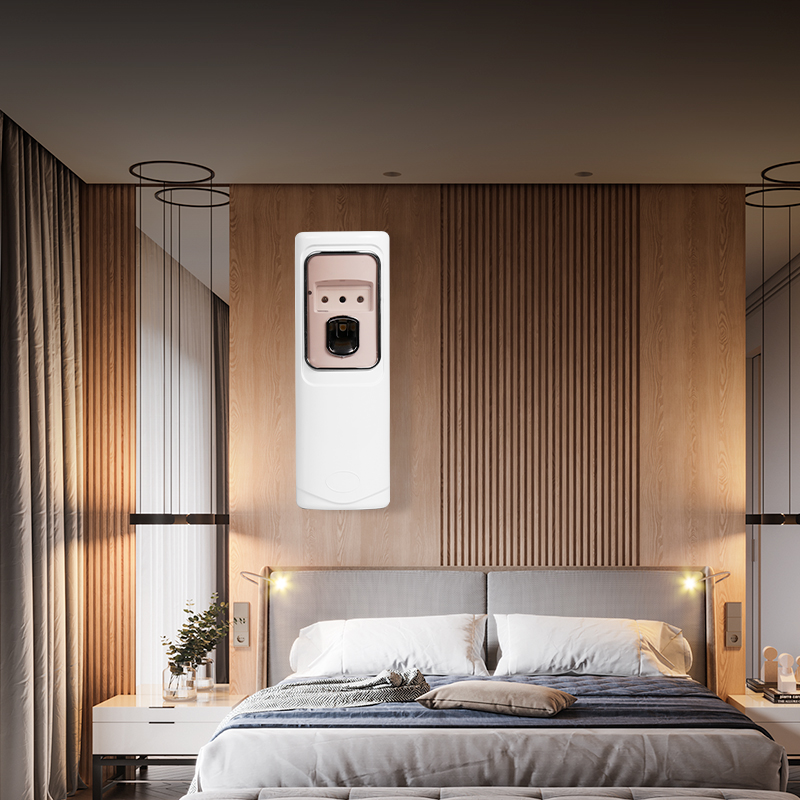
Electric diffusion devices run on fundamentally different mechanical principles. These differences directly impact oil efficacy, maintenance schedules, and the user experience. Categorizing these solutions lets you match the internal engineering of the device to your environmental demands. The main split is between water-based ultrasonic systems and waterless pressurized air systems. Understanding the physics of how each device processes the liquid extract helps you select the right essential oil machine for the space.
Ultrasonic technology uses a small ceramic disc at the base of a water reservoir. When powered, this piezoelectric transducer vibrates at ultrasonic frequencies, usually around 2.4 million times per second. These rapid vibrations agitate the water and the floating botanical extracts. They break down into a fine, cool mist propelled into the air by a small internal fan.
Nebulizing technology operates entirely without water or heat. These devices use an internal air pump to generate pressurized air. The air forces through a small tube, creating a vacuum that pulls the pure liquid extract from the reservoir. As the liquid hits the top of the tube, the pressurized air blasts it against a baffle. This atomizes the liquid into microscopic particles. Based on Bernoulli's principle, this ensures only the lightest micro-particles escape into the environment.
Legacy technologies rely on heat or basic airflow to disperse scent. Candle warmers, electric hot plates, and fan-based absorbent pads accelerate the natural evaporation rate of the liquid. While inexpensive and simple to operate, these methods present severe trade-offs. Applying heat alters the chemical composition of botanical extracts. The heat causes oxidation and fractionation. This destroys the delicate volatile compounds responsible for therapeutic benefits, rendering the extracts completely ineffective for clinical aromatherapy. While evaporative and heat-based units work for basic room scenting, they fail the standards required for advanced environmental management.
| Feature | Ultrasonic (Water-Based) | Nebulizing (Waterless) |
|---|---|---|
| Mechanism | Piezoelectric transducer vibrations | Pressurized air and Bernoulli's principle |
| Output Potency | Diluted (mixed with water) | 100% Undiluted pure extract |
| Square Footage | Small to medium rooms (up to 400 sq ft) | Large open spaces (up to 5,000+ sq ft) |
| Maintenance Needs | Daily water changes, weekly descaling | Monthly alcohol flush to clear nozzles |
| Noise Level | Near silent operation | Audible hum from internal air pump |
Matching technical specifications to environmental requirements prevents operational failure. You must evaluate devices across multiple dimensions. Move beyond basic aesthetics to analyze output metrics, control capabilities, and material construction. A device that looks visually appealing but lacks the output capacity for the room volume provides zero practical value. Structuring the evaluation process around specific performance dimensions ensures the selected equipment meets the exact demands of the space.
Device output must align with the total cubic volume of the room. Square footage calculations often ignore ceiling height, leading to underpowered deployments. Calculating the required output involves measuring the room's length, width, and height to determine total cubic feet. You also need to account for ambient airflow and ventilation rates. Small desktop units lack the fan power and atomization rate to push scent through open-concept spaces or areas with high HVAC turnover. Conversely, placing an industrial-grade atomizing machine in a small, enclosed room leads to rapid over-saturation. This causes headaches and respiratory irritation. Output capacity must scale proportionally with the physical dimensions of the target environment.
Continuous scenting triggers olfactory fatigue. This is a physiological process where the olfactory receptors adapt to a smell and stop registering it. Commonly known as nose blindness, this renders continuous diffusion ineffective. Interval timers and intensity dials are critical control mechanisms. Programming a device to run on an intermittent cycle prevents receptor adaptation and conserves liquid extract. Advanced commercial units feature Bluetooth or Wi-Fi scheduling. This allows facility managers to program specific operational hours. Cold-air diffusion technology can also integrate directly into existing HVAC ductwork. This whole-building scenting approach utilizes the facility's existing air handlers to distribute micro-particles evenly across thousands of square feet without localized scent pooling.
Visible units must integrate seamlessly into the surrounding environment. Secondary features impact the user experience and the visual harmony of the space. LED lighting provides ambient illumination, often serving as a functional nightlight in residential settings. Digital timer displays allow for precise control over diffusion intervals. The physical footprint of the device determines placement flexibility. A tall, narrow unit fits easily on crowded clinical countertops. A wider, low-profile device provides stability on bedside tables. The exterior finish should complement the room's decor, ensuring the equipment enhances rather than detracts from the visual ambiance.
Botanical extracts contain highly concentrated organic compounds. Citrus extracts contain high levels of d-limonene, a natural solvent that rapidly degrades standard plastics. Using highly acidic or solvent-heavy extracts in cheap plastic reservoirs causes the material to melt, crack, and leak. This destroys the device. Material durability dictates the lifespan of the equipment. High-quality units utilize medical-grade polypropylene (PP) plastics, borosilicate glass, or anodized aluminum components. These materials resist chemical corrosion. They ensure long-term operational stability and prevent the leaching of plastic compounds into the atomized mist.
Deploying an aromatherapy diffuser involves navigating practical challenges, setup procedures, and strict safety protocols. Improper implementation negates the therapeutic benefits and introduces environmental risks. Users must understand the operational realities of the equipment, from strategic placement to rigorous maintenance schedules. Addressing these implementation risks upfront ensures a safe, effective, and sustainable scenting protocol.
Initial device setup dictates the efficiency of mist dispersion. Units must sit on flat, stable surfaces away from direct sunlight and external heat sources. The output nozzle should direct the mist into the open room. Avoid immediate proximity to electronics, delicate fabrics, or unsealed wood surfaces that could suffer moisture damage. Custom blending maximizes therapeutic benefits. Effective blending requires balancing top, middle, and base notes. Top notes like peppermint or lemon evaporate quickly. Middle notes like lavender or rosemary provide the core profile. Base notes like cedarwood or patchouli anchor the scent. Blending must respect the machine's output capacity. Overloading a water reservoir with too much extract causes the ultrasonic transducer to stall, preventing atomization.
Safety parameters are non-negotiable. Certain botanical extracts pose severe toxicity risks to household pets. Cats and dogs lack specific liver enzymes necessary to metabolize compounds found in eucalyptus, tea tree, peppermint, and citrus extracts. Aerosolizing these compounds in enclosed spaces leads to neurological toxicity and respiratory distress in animals. Safe diffusion requires strict adherence to ventilation guidelines. Rooms must have adequate airflow. Diffusion sessions should be limited to 30-60 minute intervals to prevent overexposure. Occupants must be monitored for signs of respiratory irritation, headaches, or allergic reactions. The device should be immediately powered down if adverse symptoms occur.
Maintenance is the hidden cost of environmental scenting. Water-based ultrasonic diffusers require strict, daily cleaning protocols. Stagnant water left in the reservoir breeds mold, mildew, and bacterial biofilm within 24 hours. Powering on a contaminated unit aerosolizes these pathogens directly into the breathing zone, causing severe respiratory infections. Users must empty the reservoir daily, wipe it dry, and perform a weekly deep clean using white vinegar to dissolve mineral scale buildup. Waterless nebulizers avoid mold risks but face clogging issues. The microscopic nozzles easily become obstructed by thick, resinous extracts. Maintaining a nebulizer requires a routine rubbing alcohol flush. Running high-proof isopropyl alcohol through the system dissolves residual organic matter and clears the micro-tubes.
| System Type | Daily Task | Weekly Task | Monthly Task |
|---|---|---|---|
| Ultrasonic Diffuser | Empty water, wipe reservoir dry with a clean cloth. | Run a cycle with water and white vinegar to descale. | Inspect ceramic transducer for hard water damage. |
| Nebulizing Diffuser | Check oil levels in the glass or aluminum reservoir. | Wipe down the exterior to remove any settled oil residue. | Run 99% isopropyl alcohol through the unit to clear nozzles. |
The operational health of the equipment depends entirely on the quality of the liquid extract used. Pure, therapeutic-grade botanical extracts contain only the volatile aromatic compounds derived from the plant. Synthetic fragrance oils contain artificial chemicals designed purely for aromatic impact. These synthetic alternatives offer zero clinical benefits and frequently act as severe respiratory irritants. Low-quality products are often diluted with heavy carrier oils like fractionated coconut oil or jojoba oil to reduce manufacturing costs. Carrier oils are heavy, non-volatile lipids. Attempting to process carrier oils through a high-end nebulizer will permanently clog the internal glass baffles and destroy the air pump mechanism. Auditing inventory for purity and avoiding adulterated products is mandatory for equipment survival.
The operational value of environmental scenting equipment relies entirely on matching the mechanical diffusion technology to the specific application. Ultrasonic units provide budget-friendly, localized home use where added humidity and ambient lighting serve as functional bonuses. Nebulizing systems and cold-air diffusion technologies deliver the clinical efficacy and massive square footage coverage required for therapeutic environments and commercial branding. Failing to align the technology with the environmental goal results in wasted capital, degraded extracts, and inadequate scent distribution.
A: A standard humidifier is designed solely to increase room moisture using large water tanks and high-output fans. An aroma therapy machine is engineered to disperse botanical extracts. While ultrasonic diffusers add a small amount of moisture to the air, their primary function is scent distribution, not altering the overall relative humidity of a large room.
A: These machines do not filter particulate matter like a HEPA air purifier. However, certain high-quality botanical extracts contain antimicrobial properties. When dispersed through a nebulizer, these micro-particles can bind with and neutralize specific volatile organic compounds (VOCs) and airborne malodors, improving perceived air quality.
A: Start with a simple ratio balancing top, middle, and base notes. A standard blend uses roughly 30% top notes like citrus, 50% middle notes like floral or herbal, and 20% base notes like woody or earthy. Never exceed the manufacturer's recommended drop count for water-based reservoirs to prevent transducer stalling.
A: Continuous operation causes olfactory fatigue and increases the risk of respiratory irritation. Run the device in 30 to 60-minute intervals. Many modern devices feature built-in interval timers that automatically cycle the unit on and off. This ensures consistent symptom management without overwhelming your sensory receptors.
A: Waterless machines, or nebulizers, are superior for clinical efficacy, large spaces, and preserving the exact chemical integrity of the extract. Water-based machines are better suited for budget-conscious residential users who want localized scenting, ambient lighting, and a slight increase in room humidity.
A: Weak output is usually caused by a clogged mechanism, olfactory fatigue, or incorrect room sizing. For ultrasonic units, mineral scale from tap water often blocks the ceramic transducer. For nebulizers, thick resinous extracts may clog the micro-tube. Clean the unit thoroughly and ensure the device's output capacity matches your room size.


