
Views: 0 Author: Site Editor Publish Time: 2026-08-30 Origin: Site


Remote work setups and high-stress corporate environments often restrict our control over ambient conditions. Maintaining sharp focus, managing daily stress, and controlling localized air quality present constant challenges for professionals. Achieving this without disrupting shared spaces or cluttering limited desk real estate requires a highly targeted approach. Standard room units simply take up too much space and overwhelm colleagues. A mini essential oil diffuser for desk applications serves as a precise, low-footprint intervention designed specifically for micro-environments. This article objectively evaluates the physiological and psychological benefits of workspace aromatherapy. We will compare device technologies, outline safety protocols, and provide a practical framework for selecting the right unit for your professional setup. You will learn how to leverage scent for cognitive support without violating office policies.
A workspace environmental tool must meet specific success criteria to prove useful. It must remain unobtrusive, operate effectively, pose no danger to sensitive electronics, and deliver fast-acting results. Standard room units fail these criteria in a localized setting because they are engineered to saturate 300 to 500 square feet of space. Compact models engineer these exact success metrics into their design, focusing entirely on the immediate three-foot radius around the user.
Desk space commands a premium in any professional environment. A standard office desk measures roughly 48 by 24 inches. Once you add dual 27-inch monitors, an ergonomic keyboard, a document tray, a mousepad, and a coffee cup, you have very little room left for peripheral accessories. Manufacturers engineer compact diffusers to occupy minimal square inches. Most units measure well under four by four inches, taking up less than 16 square inches of total desk real estate.
This small footprint provides a distinct ergonomic advantage. You can place the unit directly within your optimal breathing zone. This zone typically spans one to three feet from your face. Positioning the device here maximizes inhalation benefits without obstructing your webcam, blocking dual-monitor sightlines, or interfering with mouse movement. The compact nature ensures the device integrates into the workspace rather than dominating it. You avoid the clutter that often leads to visual distraction and decreased productivity.
Micro-dispersion relies on specific fluid dynamics and physics. Lower output rates keep volatile organic compounds (VOCs) confined to your immediate vicinity. Standard room diffusers blast heavy plumes across large areas, saturating the entire room and often getting caught in the office HVAC return vents. A compact desk diffuser operates differently. It releases a gentle, highly controlled stream of vapor that stays within the boundary layer of air immediately surrounding your workstation.
Oil particles suspend in this localized air for extended periods. Due to their microscopic size, these particles hang in the immediate atmosphere for hours. You gain sustained cognitive and emotional benefits without running the device continuously. Localized dispersion remains critical in shared environments. It respects your colleagues' respiratory sensitivities. You control your micro-environment without forcing your scent preferences on the entire floor or violating workplace etiquette.
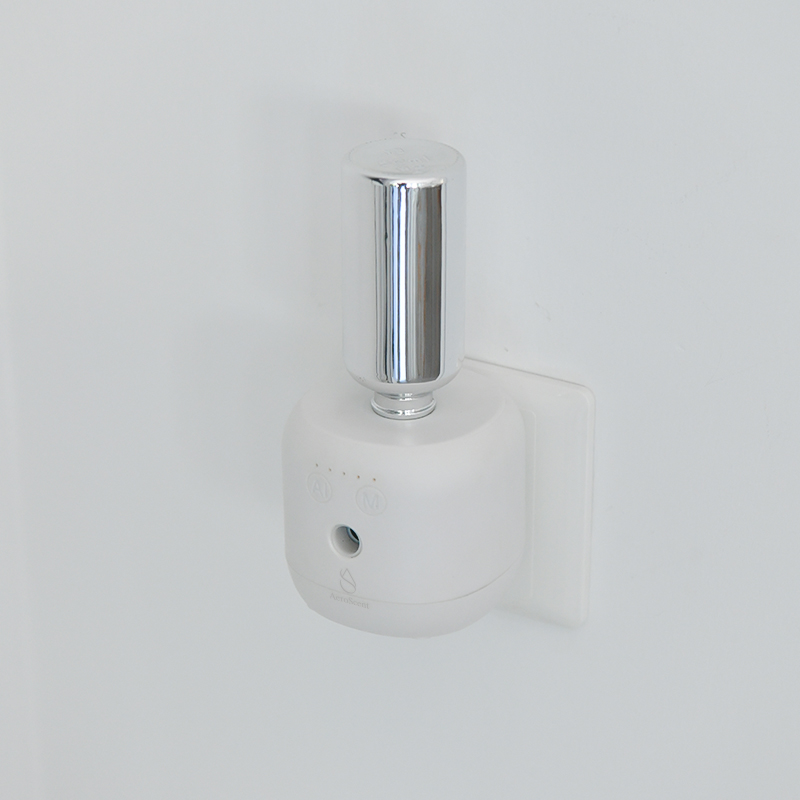
Mapping specific features to tangible outcomes reveals the true value of workspace aromatherapy. We move beyond pleasant smells to understand the physiological and psychological responses triggered by diffusing essential oils at a workstation. The biological mechanisms at play offer measurable advantages for daily performance.
Scent association works through direct neurological pathways. When you inhale an essential oil, the scent molecules travel up the nasal cavity to the olfactory epithelium. The olfactory bulb processes these signals and connects directly to the limbic system, bypassing the thalamus entirely. This brain region governs emotion, memory, and arousal. Specific aromas stimulate neurotransmitters linked directly to concentration and alertness. You can leverage this biological mechanism to anchor your brain into a state of deep work.
Clinical literature links specific terpenes to sustained attention. Peppermint contains high levels of menthol, while rosemary is rich in 1,8-cineole. Inhaling these specific compounds reduces cognitive fatigue during complex, data-heavy tasks. Simply diffuse rosemary when starting a challenging spreadsheet or coding project. Over time, your brain associates that specific scent profile with intense focus, allowing you to drop into a productive state much faster. This creates a conditioned response, turning the diffuser into a physical trigger for deep concentration.
High-stress tasks trigger the sympathetic nervous system. Your heart rate spikes, breathing becomes shallow, and physical tension builds in the neck and shoulders. An office diffuser helps down-regulate this intense physical response. The olfactory system acts incredibly fast. Inhaling calming scents cues the parasympathetic nervous system to take over, reducing anxiety almost immediately and encouraging slower, deeper diaphragmatic breathing.
This speed makes aromatherapy an ideal tool right before difficult client escalations or major board presentations. Linalool-heavy oils show realistic efficacy here. Lavender and bergamot contain high concentrations of linalool. They help lower heart rate variability and ease subjective tension. The immediate physiological shift remains measurable and highly practical for daily corporate stress management. You gain a tool to actively manage your baseline stress levels without leaving your chair.
The afternoon slump hits most professionals around two o'clock. Circadian rhythms dip, energy levels drop, and frustration peaks. Targeted aromatherapy naturally boosts mood and motivation. You can skip the third cup of coffee and avoid the subsequent caffeine crash. Uplifting citrus oils work exceptionally well for emotional regulation because they contain high levels of d-limonene.
Sweet orange, grapefruit, and lemon help shift users out of stagnant emotional states. Complex problem-solving often leads to mental roadblocks and frustration. A quick burst of grapefruit oil resets your sensory baseline. It provides a clean, refreshing interruption that helps you approach the problem with renewed perspective and elevated motivation. It acts as a sensory palate cleanser for your brain.
Shared offices and home workspaces gather odors quickly. Stale air, lingering food smells from the breakroom, and off-gassing from new office furniture distract from work. Diffusers effectively mask these unpleasant odors. They add pleasant particulate matter to your breathing zone, making the immediate air feel significantly fresher and more inviting.
However, we must clarify a common marketing myth. Diffusers do not mechanically purify or filter the air. They lack HEPA filters and do not trap physical particles like dust or pollen. They change the scent profile and add micro-humidity, but they do not remove airborne viruses. Understand their utility strictly as odor management and sensory enhancement tools rather than air purifiers.
Selecting the right hardware requires understanding the mechanical approaches to diffusion. Different technologies suit different workspace constraints. We break down the primary categories applicable to a desk setting so you can make an informed hardware choice.
Ultrasonic units use a piezoelectric transducer that vibrates at ultrasonic frequencies (typically 2.4 MHz) to agitate water and oil into a fine, cool mist. Nebulizing units use the Bernoulli principle, employing pressurized air to atomize pure essential oil without any water. Each technology presents distinct advantages and limitations for desk use.
| Technology Type | Mechanical Process | Primary Advantages | Primary Disadvantages | Best Workspace Use Case |
|---|---|---|---|---|
| Ultrasonic | High-frequency vibration with water reservoir | Adds micro-humidity; operates very quietly (20-25dB); dilutes oil for a subtle scent profile. | Requires frequent water refills; poses a spill risk near sensitive electronics; requires weekly cleaning. | Quiet offices; dry winter climates; users preferring subtle, highly diluted aromas. |
| Nebulizing (Waterless) | Pressurized air atomization via glass or plastic tubes | Requires zero water; completely safe for laptops; delivers potent, immediate scent impact. | Consumes essential oil much faster; internal air pump produces a slight humming noise (35-40dB). | Tech-heavy desks with expensive peripherals; users needing immediate, strong scent delivery. |
Power delivery dictates placement flexibility on your desk. USB-powered models offer seamless integration with modern tech setups. You plug them directly into laptops, monitors, or USB docking stations. This eliminates bulky wall adapters and keeps cable management clean under your desk. They draw very little power, typically operating on standard 5V USB outputs.
Rechargeable battery models provide ultimate portability. Hybrid workers benefit most from these units. You can move a battery-operated mini aroma diffuser from a home office to a corporate hot-desk instantly. Look for units with at least a 2000 mAh battery for a full day of intermittent use. Plug-in options suit permanent setups where wall outlets remain easily accessible and the device will sit in a dedicated spot permanently.
Evaluating competing products requires specific metrics. Do not rely solely on aesthetics or marketing claims. Use the following dimensions to assess which unit will perform best in your specific work environment and integrate smoothly into your daily routine.
Deep work requires minimal acoustic distraction. Establish acceptable decibel levels before purchasing a unit. Sub-30dB represents the ideal range for a quiet office environment. Ultrasonic models produce a soft water trickling sound alongside a very faint fan noise. Many professionals find this acoustic profile soothing, akin to low-level white noise.
Nebulizing models rely on a small internal air pump to pressurize the air. This creates a low, consistent hum, often reaching 35 to 40 decibels. Test the acoustic profile against your personal tolerance for background noise. If you work in absolute silence or frequently take unmuted phone calls on speaker, an ultrasonic model will likely prove less distracting during concentrated tasks.
Standard workdays demand specific run times. Intermittent settings prove optimal for continuous benefit. Look for units that offer customizable intervals, such as 30 seconds on and 30 seconds off. This prevents olfactory fatigue. You stop noticing a scent if it runs constantly, negating the cognitive benefits entirely. Intermittent cycles also stretch a small water reservoir to last a full eight-hour shift.
Waterless auto-shutoff features remain an absolute necessity. Never compromise on this safety feature. It prevents the piezoelectric transducer from burning out when the reservoir runs dry. It eliminates fire hazards, ensuring the device remains safe even if you leave the office abruptly for a meeting and forget to power it down.
Essential oils act as potent, volatile compounds. Citrus oils, in particular, easily degrade cheap plastics over time, causing cracks, clouding, and eventual leaks. Assess the material durability of the reservoir. Look for non-corrosive plastics like BPA-free polypropylene (PP) or ABS plastic. High-end models may use glass or aluminum housings. These materials withstand highly concentrated oils over years of daily use.
Evaluate base stability carefully. A tall, top-heavy unit tips over easily when you reach across your desk for a pen. Anti-slip rubber grips and a low center of gravity mitigate the risk of spilling water on expensive workstation peripherals, mechanical keyboards, or important physical documents.
Integrating a new environmental tool requires foresight. Address potential barriers to adoption and learn how to safely integrate the device without causing friction with colleagues or compromising your own respiratory health.
Shared spaces require mutual respect and clear communication. Always check HR policies regarding fragrances in the workplace before bringing a device to the office. Some organizations maintain strict scent-free rules to accommodate severe allergies, asthma, or chemical sensitivities among staff.
If permitted, use active mitigation strategies to keep your footprint small.
Ultrasonic diffuser maintenance involves an unglamorous but vital reality. You must clean the unit weekly. Stagnant water breeds bacteria rapidly. Mold spores develop quickly in damp, dark environments. Aerosolizing mold or bacteria directly into your face poses serious respiratory health risks, potentially causing sinus infections or allergic reactions.
Follow a strict cleaning protocol to ensure safe operation:
Running a diffuser continuously leads to olfactory fatigue and potential over-exposure. Too much essential oil causes headaches, nausea, and eye irritation. We recommend a strict operational schedule. Run the unit for thirty minutes on, then thirty minutes off. This leverages the natural hang-time of the oil particles in the air and gives your olfactory receptors time to reset.
Practice strategic workday blending to maximize benefits. Create custom setups for different phases of the day. Use two drops of peppermint and two drops of lemon for your morning setup to drive focus and clear morning brain fog. Switch to three drops of lavender and one drop of frankincense for an end-of-day wind down to transition out of work mode smoothly and lower your heart rate before the commute home.
Take the following steps to optimize your workspace immediately:
A: Ultrasonic models emit moisture. Keep them at least two feet away from laptops and monitors to prevent condensation buildup on internal components. Nebulizing units use pressurized air without water, making them inherently safer for close proximity to sensitive electronics.
A: Peppermint, rosemary, and sweet orange rank highest for cognitive support. These oils contain specific terpenes that clinical studies link to increased alertness, sustained attention, and reduced mental fatigue during complex, data-heavy tasks.
A: Yes. Basic blending principles involve combining a top note, like lemon, with a middle note, like rosemary, for a balanced scent profile. Keep blends simple to avoid overwhelming your workspace or causing olfactory fatigue.
A: Clean ultrasonic models once a week using white vinegar or rubbing alcohol. This prevents mold growth and mineral buildup on the vibrating disc. Nebulizing units require monthly cleaning with rubbing alcohol to prevent clogged atomizing nozzles.
A: No. Continuous diffusion causes olfactory fatigue and may trigger headaches or nausea. Use an intermittent setting or follow a manual schedule of thirty minutes on and thirty minutes off to maximize benefits while maintaining a safe breathing environment.
A: Diffusers do not filter the air or remove allergens like dust and pollen. However, diffusing oils like peppermint can provide a cooling sensation in the nasal passages, which some users find soothing during allergy season. They are not a replacement for HEPA air purifiers.


