
Views: 0 Author: Site Editor Publish Time: 2026-08-20 Origin: Site


The modern approach to workspace optimization extends beyond ergonomic chairs and monitor heights to include environmental and olfactory control. Confined workspaces often suffer from stale air, environmental distractions, and midday cognitive fatigue. These factors negatively impact sustained productivity, mood, and baseline stress levels. When you spend eight hours in a small, enclosed room, the ambient environment dictates your capacity for deep work.
Integrating a small office essential oil diffuser offers a targeted solution for environmental regulation. This guide examines the verifiable benefits, technical evaluation criteria, and implementation risks of adding an aroma device to a professional workspace. We will look at how specific scents alter cognitive states, compare hardware types, and establish safe usage protocols for shared commercial buildings.
The physiological response to specific botanical compounds directly influences workplace performance. When you inhale essential oils, volatile organic compounds known as terpenes interact with olfactory receptors. Oils like peppermint and rosemary contain high concentrations of compounds such as 1,8-cineole. Research indicates that inhaling these specific terpenes supports sustained concentration and improves speed and accuracy during demanding cognitive tasks. Deploying an office fragrance diffuser allows you to harness these compounds precisely when focus begins to wane.
Controlled olfactory stimulation serves as an effective intervention for afternoon lethargy. Citrus oils, including sweet orange, lemon, and grapefruit, contain limonene. This compound elevates mood and stimulates the central nervous system. Instead of relying on a third cup of coffee, running a citrus blend for twenty minutes provides a clean energy boost. This targeted application transforms ambient scenting into a functional tool for maintaining steady energy levels throughout complex projects.
To maximize cognitive benefits, facility managers and productivity experts recommend a structured daily scent schedule:
High-pressure tasks, looming deadlines, and back-to-back meetings trigger the body's sympathetic nervous system, leading to elevated heart rates and shallow breathing. Linalool-rich oils, such as lavender and bergamot, play a direct role in downregulating this stress response. Inhaling linalool activates the parasympathetic nervous system, promoting a state of calm without impairing cognitive sharpness. This makes it an ideal intervention for maintaining composure during stressful negotiations or intensive data analysis.
The efficacy of scent lies in its rapid delivery mechanism. Olfactory receptors connect directly to the brain's limbic system, the area responsible for processing emotions and memory. Because this pathway bypasses the conscious, logical processing centers of the brain, diffusers offer immediate, acute stress reduction. You can activate your device five minutes before a high-stakes presentation to quickly ground your nervous system. In a professional setting, we frame these relaxation benefits not as a sleep aid, but as a tactical method for maintaining baseline composure and mitigating the perception of screen-induced tension headaches.
Enclosed workspaces frequently trap stagnant air, lingering lunch odors, and the distinct mustiness associated with commercial building HVAC systems. Older buildings often suffer from negative air pressure, pulling smells from adjacent suites or cafeterias directly into your office. Over time, poor ambient air quality degrades the perception of a clean, professional environment. Diffusing essential oils helps neutralize these unwanted environmental factors, replacing stale air with a crisp, intentional atmosphere. A well-managed olfactory environment signals cleanliness and attention to detail, which benefits professionals who frequently host clients in their private offices.
You must distinguish between masking odors and neutralizing them. Heavy synthetic air fresheners simply layer artificial perfumes over existing smells, creating a cloying, overwhelming environment. High-quality essential oils actively interact with airborne odor molecules to neutralize them. Diffusers do not replace proper ventilation or HEPA filtration. They manage the perception and freshness of the air, but you must still ensure your workspace receives adequate physical airflow.
| Odor Management Method | Mechanism of Action | Impact on Office Air Quality | Professional Suitability |
|---|---|---|---|
| Synthetic Aerosol Sprays | Coats nasal passages and layers heavy artificial fragrance over existing odors. | Introduces volatile organic compounds (VOCs) that can trigger headaches and respiratory irritation. | Low. Often perceived as cheap and overpowering in a corporate setting. |
| Botanical Essential Oils | Binds with and neutralizes odor molecules while providing therapeutic terpene benefits. | Improves perceived air freshness without leaving heavy chemical residues in the room. | High. Offers a subtle, customizable, and premium environmental experience. |
| HEPA Air Purifiers | Physically traps particulate matter, dust, and larger odor-causing molecules in a filter. | Removes physical contaminants but does not introduce any pleasant ambient scent. | High. Best used in conjunction with a diffuser for complete air management. |
Ultrasonic technology remains the most prevalent choice for desktop applications. These devices utilize a small ceramic plate that vibrates at high frequencies—typically around 2.4 million times per second—to agitate a mixture of water and essential oil. This rapid vibration breaks the liquid down into microscopic particles, releasing them into the air as a fine, cool mist. Because they rely on water as a carrier, they operate efficiently with only a few drops of oil.
The primary advantage of an ultrasonic compact diffuser is its ability to add micro-humidity to dry, air-conditioned offices. This slight moisture alleviates dry eyes and irritated respiratory tracts during winter months. The gentle water-bubbling sound serves as subtle, ambient white noise, effectively masking minor office distractions like distant conversations or typing. They require daily water refills and regular cleaning to prevent mold buildup on the ultrasonic plate. The presence of a water reservoir poses a minor spill risk if knocked over near sensitive electronics.
To maintain an ultrasonic unit in an office environment, follow this weekly maintenance protocol:
Nebulizing technology operates on the Bernoulli principle, using pressurized air to atomize pure essential oil directly from the bottle. A small air pump forces air through a narrow tube, creating a vacuum that pulls the oil upward and shatters it into millions of micro-particles. These particles are then dispersed into the room without the use of water or heat.
This mechanism delivers a highly potent, unaltered scent profile. Because the oil is not diluted by water, the therapeutic properties remain highly concentrated. They carry zero water spill risk, making them exceptionally safe to place near expensive computer hardware or important paper documents. They are ideal for immediate, strong coverage in larger executive offices. The trade-offs include a higher acoustic footprint. You will often hear an audible humming or vibrating sound from the air pump. They consume oil at a significantly faster rate than ultrasonic models.
Evaporative diffusers utilize a small internal fan to blow ambient air through a pad or filter infused with essential oil. As the air passes through, the oil evaporates and circulates into the room. Heat diffusers operate on a similar principle but use gentle warmth to accelerate the evaporation process. These devices are typically ultra-compact, often powered by a simple USB connection plugged directly into a laptop or monitor hub.
The main benefit of evaporative technology is its high portability and zero-mist operation. Since they emit no moisture and contain no liquid reservoirs, they are the absolute safest option for crowded desks laden with electronics. They suffer from a notably weak scent throw. They are generally only effective within a two to three-foot radius, making them strictly personal devices. Heat-based models can alter the chemical composition of the essential oil, potentially diminishing its therapeutic efficacy and degrading the nuance of the scent profile.
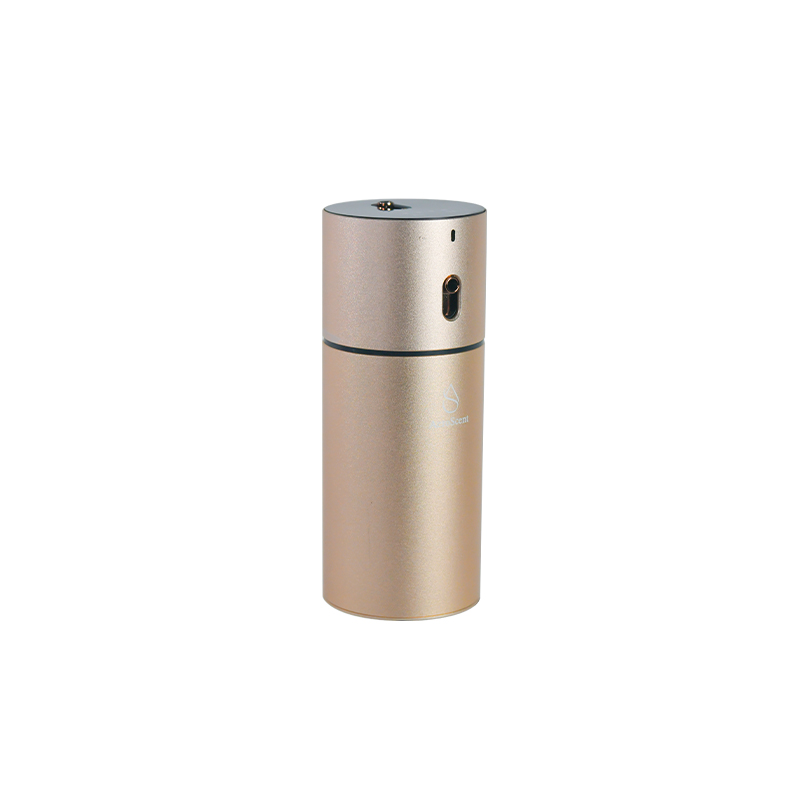
Selecting the appropriate device requires matching the output capacity to your specific room dimensions. A standard small office typically ranges from 100 to 250 square feet. Placing a high-capacity nebulizer designed for a large lobby into a 150-square-foot room quickly results in an overwhelming, unworkable environment. Conversely, a small USB evaporative pad will barely be noticeable in a room with high ceilings and aggressive HVAC airflow.
When evaluating options, prioritize devices with variable mist settings. The ability to toggle between low, medium, and high output ensures you can adapt the scent intensity to the current airflow conditions of your building. In small, enclosed spaces, running a device on its lowest setting is usually sufficient to achieve the desired cognitive benefits without causing olfactory fatigue.
| Office Size | Recommended Technology | Ideal Output Setting | Placement Strategy |
|---|---|---|---|
| Cubicle / Open Plan (Personal Space) | Evaporative / USB Fan | Low (Continuous or Intermittent) | Directly on the desk, within 2 feet of the user. |
| Small Private Office (100 - 150 sq ft) | Ultrasonic (100ml - 300ml tank) | Low to Medium (Intermittent) | On a side table or bookshelf, away from the primary computer monitor. |
| Executive Office (200+ sq ft) | Nebulizing or Large Ultrasonic | Medium (Intermittent) | Near the room entrance or HVAC return vent for optimal circulation. |
The acoustic footprint of a device is a frequently overlooked specification that dictates its viability in a professional setting. You must evaluate the decibel (dB) rating before bringing a unit into your workspace. A suitable desktop device must operate below 30 dB. At this level, the sound is comparable to a quiet whisper or the rustling of leaves.
Operating below this threshold ensures the device does not interfere with deep work, phone calls, or video conferencing. While the light water-trickling sound of an ultrasonic model provides beneficial white noise, the mechanical vibration of a poorly insulated nebulizer pump quickly becomes a severe distraction. Always test the acoustic output on a solid wooden desk, as hard surfaces amplify mechanical vibrations. Placing a small neoprene or silicone mat under the device absorbs excess motor vibration and keeps your workspace quiet.
Workspace real estate is valuable. A bulky device that clutters your desk and tangles with your peripheral cables causes frustration. Assess the physical dimensions and ensure the unit has a minimal footprint. Cord management is equally important. Look for devices with recessed power ports or those that utilize standard USB-C connections to minimize cable clutter behind your monitors.
Material quality dictates how well the unit integrates into a professional environment. Opt for matte ceramic, brushed metal, bamboo, or high-quality BPA-free plastics in neutral tones. Avoid cheap, glossy plastics that degrade the aesthetic of a corporate workspace. Evaluate optional features like LED lighting. While color-changing lights might be appealing for home use, you must ensure they can be completely disabled to maintain a distraction-free, professional corporate ambiance.
Deploying an aroma machine in a commercial building requires navigating the realities of shared ventilation systems and open-plan proximity. Scent travels quickly. What you find invigorating, a colleague two desks away might find nauseating. Before introducing any fragrance into the workplace, review your HR policies regarding scents. Many modern corporate environments have strict fragrance-free policies to accommodate individuals with severe allergies.
If your workplace permits diffusers, establish guidelines for obtaining consent from immediate neighbors. You must respect asthma, migraines, and chemical sensitivities among colleagues. Start with universally tolerated, mild scents like sweet orange or lemon. Avoid heavy, polarizing florals like ylang-ylang or patchouli. In shared cubicle environments, restrict usage to personal evaporative models that keep the scent radius confined strictly to your immediate seating area.
Water and expensive electronics do not mix. Ultrasonic models emit a fine mist of water vapor and oil particles that eventually settle on surrounding surfaces. Over time, this leads to micro-condensation forming on monitors, mechanical keyboards, and sensitive paper documents. If left unchecked, this moisture causes localized damage to printed circuit boards or leaves a sticky, oily residue on screens that attracts dust.
To mitigate this risk, implement strict placement protocols for your desk:
Continuous diffusion is a common mistake that leads to headaches, nausea, and olfactory fatigue. Olfactory fatigue is a condition where your nose becomes blind to the scent, prompting you to add more oil and overwhelm the space. To prevent this, establish an evidence-based usage schedule. Intermittent diffusion is the golden rule for workspace application.
Set your device to run on an intermittent timer, such as 30 minutes on followed by 30 minutes off. This schedule maintains a subtle ambient scent while giving your olfactory receptors time to rest and reset. The importance of using high-quality, unadulterated essential oils cannot be overstated. Cheap fragrance oils contain synthetic carrier chemicals and artificial perfumes. Vaporizing synthetic chemicals in a confined, poorly ventilated office space triggers respiratory irritation and completely negates the intended cognitive benefits.
A small office essential oil diffuser serves as a highly effective, low-cost tool for environmental optimization, mood elevation, and cognitive support. By strategically deploying specific botanical compounds, professionals actively manage their energy levels, mitigate stress during high-stakes tasks, and maintain a clean, focused atmosphere. These benefits are only realized when the device is selected and deployed thoughtfully, with strict adherence to safety and workplace etiquette.
When shortlisting devices, apply clear logic based on your environment. For private or home offices, ultrasonic models offer the best balance of ambient scenting, micro-humidity, and soothing white noise. For shared or cubicle spaces, personal evaporative diffusers or low-output waterless models are mandatory to minimize the risk of bothering coworkers and violating HR policies.
To successfully integrate this tool into your daily workflow, follow these immediate next steps:
A: Yes, but they require careful management. You must obtain consent from immediate coworkers and verify that no one suffers from asthma, migraines, or chemical sensitivities. In shared environments, always use low-range, personal evaporative models or run ultrasonic devices on their lowest intermittent setting to keep the scent radius confined to your specific desk area.
A: You should never run an aroma device continuously. Follow the 30-minute on, 30-minute off rule. Intermittent diffusion prevents olfactory fatigue and ensures the scent remains pleasant rather than overwhelming. Continuous exposure in a confined space is a primary trigger for tension headaches and respiratory irritation.
A: Evidence-backed oils for cognitive support include peppermint and rosemary, which contain compounds that promote alertness and concentration. For midday energy slumps, citrus oils like sweet orange, lemon, and grapefruit provide a clean, uplifting boost without the jittery side effects associated with excessive caffeine consumption.
A: Ultrasonic models leave micro-condensation and oily residue if placed too close to electronics. To prevent hardware damage, place the unit at least three feet away from monitors, keyboards, and laptops. Always ensure the directional mist nozzle points away from your primary workstation and toward open air.
A: It is highly unlikely. Diffusers emit cool water vapor or atomized oil particles, not combustion smoke. Standard optical or ionization smoke detectors will not be triggered by this mist unless you place a high-output ultrasonic device directly underneath the sensor, causing concentrated vapor to enter the detection chamber.
A: Humidifiers hold large volumes of water designed specifically to raise the relative humidity of an entire room. Diffusers hold very little water and are engineered primarily to disperse scent. Diffusers are much better suited for desk use due to their compact size and lower moisture output.


