
Views: 0 Author: Site Editor Publish Time: 2026-08-28 Origin: Site


Home environmental design has shifted from passive aesthetics to active sensory management. Ambient scenting dictates how a room feels and functions. People want their living spaces to act as personal sanctuaries, and scent serves as the invisible design element that completes the atmosphere. However, the aromatherapy market is saturated with exaggerated wellness claims. Consumers struggle to separate marketing fluff from the verifiable, functional benefits of introducing an aromatic essential oil diffuser into their living spaces. Navigating this landscape requires a clear understanding of what these devices actually do. This evidence-based evaluation guide deconstructs the realistic benefits of home scenting. We bypass the exaggerated claims and focus strictly on functional outcomes. You will learn how to compare different diffuser technologies based on spatial requirements. We also outline the critical safety protocols and maintenance realities required to make an informed purchasing decision.
Olfactory stimulation plays a documented role in mood regulation and stress management. When you inhale specific botanical compounds, the scent molecules travel directly to the olfactory bulb. This structure connects straight to the limbic system, which governs emotion and memory. Inhaling lavender and chamomile oils consistently demonstrates the ability to promote relaxation and reduce anxiety. The physiological response is immediate and measurable. Heart rates often slow down, and breathing deepens when exposed to calming botanical profiles.
Using ambient scent acts as a powerful behavioral cue for sleep hygiene. Establishing a nighttime routine builds a foundation for restorative sleep. You can program your environment to signal the brain that the workday has ended. This conditioned response makes falling asleep easier and faster. Implementing a scent-based sleep routine involves a few practical steps:
Scent also elevates spatial perception. A carefully selected aroma makes everyday spaces feel curated, luxurious, and inviting. High-end hospitality venues have used signature scents for decades to create memorable guest experiences. You can replicate this effect in your own living room. Matching the scent profile to the room's function enhances the overall design. Crisp citrus works well in kitchens, while deep woody notes suit a home library or study.
Aromatherapy offers practical support for physical symptom management. Clinical evidence supports using specific oils to ease minor discomforts. Inhaling peppermint or ginger oils can effectively ease mild nausea. The active compounds in these plants interact with receptors in the digestive and nervous systems. Many individuals prone to motion sickness rely on these natural remedies for quick relief.
Specific botanical profiles actively boost cognitive energy, focus, and alertness. Rosemary, sweet orange, and lemon are ideal choices for home office environments. The chemical constituent limonene, found abundantly in citrus peels, is known for its uplifting properties. Diffusing these oils during the mid-afternoon slump can improve concentration without the jittery side effects of excessive caffeine consumption.
Targeted olfactory nerve stimulation can help ease tension headaches naturally. Lavender and eucalyptus oils possess mild analgesic properties when inhaled. While this method does not replace traditional pain medication, it provides a valuable secondary layer of relief. It helps relax the tense muscles in the neck and shoulders that often trigger these headaches.
| Botanical Profile | Primary Active Compounds | Targeted Physiological Support | Ideal Home Application |
|---|---|---|---|
| Peppermint | Menthol, Menthone | Nausea relief, headache mitigation | Home offices, recovery spaces |
| Lavender | Linalool, Linalyl Acetate | Stress reduction, sleep induction | Bedrooms, reading nooks |
| Sweet Orange | Limonene | Energy boosting, mood elevation | Kitchens, active living areas |
| Eucalyptus | Eucalyptol (1,8-cineole) | Respiratory clarity, tension relief | Bathrooms, home gyms |
Many marketing campaigns falsely claim that diffusers purify the air. We must deconstruct this myth immediately. Certain essential oils, like tea tree, thyme, or lemon, possess documented antimicrobial properties. They can inhibit the growth of specific bacteria on surfaces or in isolated laboratory settings. However, diffusers do not remove particulate matter, dust, pollen, or pet dander from your breathing space.
You still need a mechanical HEPA filter for true air purification. HEPA filters physically trap airborne contaminants. Diffusers do the exact opposite; they release particles into the air. Combining essential oil diffusion with ozone-generating air purifiers is actually dangerous. The terpenes in essential oils react with ozone to create secondary pollutants like formaldehyde. Always keep scent dispersion and air filtration as separate processes in your home.
When using a fragrance diffuser in high-traffic areas, bathrooms, or kitchens, understand the difference between odor neutralization and odor masking. Essential oils can bind to and neutralize some mild odors. However, they cannot clean dirty air or eliminate strong chemical smells. Masking a foul odor with a heavy floral scent often creates a more unpleasant environment. Address the source of the bad smell first before introducing ambient fragrance.
Ultrasonic devices use a small ceramic disc called a piezoelectric transducer. This disc creates high-frequency vibrations at the bottom of the water reservoir. These rapid vibrations break the water and essential oil mixture into microscopic droplets. The device then blows this fine mist out into the room. This mechanism disperses the aroma gently without using any heat, preserving the oil's properties.
Nebulizing units operate on the Bernoulli principle. They use a pressurized air pump to force a stream of air across a small tube containing pure essential oil. This high-velocity airflow atomizes the oil into an ultra-fine vapor directly into the environment. This method requires absolutely no water. It preserves the complete chemical integrity and therapeutic value of the botanical extracts. Choosing a high-capacity aroma diffuser with nebulizing technology ensures maximum scent throw.
These devices use gentle heat or internal fans to evaporate oils from a stationary pad, wick, or reservoir. As the oil evaporates, the scent naturally wafts into the surrounding air. They are simple, passive systems with very few moving parts. Many people use them in cars or small personal workspaces.
| Technology Type | Mechanism | Best Use Case | Maintenance Level |
|---|---|---|---|
| Ultrasonic | High-frequency water vibration | Bedrooms, small offices, dry climates | High (Daily water changes, weekly descaling) |
| Nebulizing | Pressurized air atomization | Large living rooms, open-concept spaces | Medium (Periodic alcohol flushes) |
| Evaporative | Fan or low-heat evaporation | Desks, bathrooms, travel | Low (Pad replacements) |
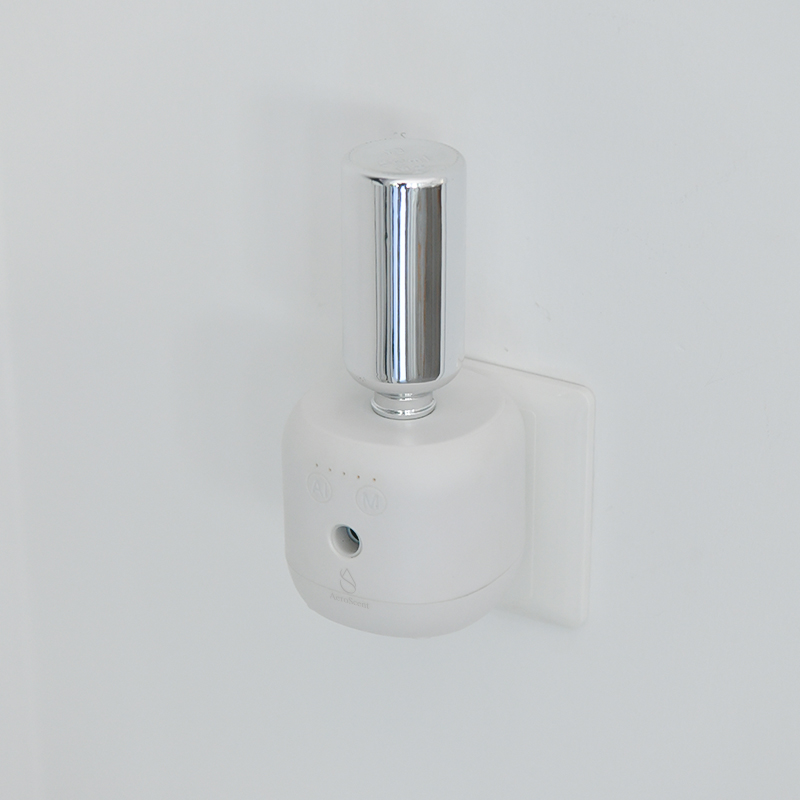
Matching device output capacity to your room's square footage dictates the success of your ambient scenting strategy. Check the milliliter per hour (ml/hour) rating on the unit before purchasing. A standard home diffuser handles a single bedroom or home office effectively. These units typically cover 150 to 250 square feet. Placing a small ultrasonic unit in a massive living room yields disappointing results. The scent dissipates before reaching the other side of the room.
Larger estates, open-concept living areas, or rooms with high vaulted ceilings require high-capacity nebulizers. These powerful units can push scent across 1,000 square feet or more. However, single-room units always struggle to scent an entire house evenly. Airflow patterns, closed doors, and HVAC return vents disrupt the scent distribution. For true whole-home coverage, you must look into HVAC scenting integrations. These commercial-grade systems connect directly to your ductwork to distribute fragrance uniformly throughout the property.
Olfactory fatigue is commonly known as nose blindness. It occurs when your brain stops registering a continuous scent in your environment. Your olfactory receptors downregulate to prevent sensory overload. Because of this biological mechanism, continuous diffusion fails to provide sustained mood enhancement or energy boosting. You will stop smelling the oil after just twenty minutes, prompting you to add more drops unnecessarily.
Programmable timers and interval settings serve as non-negotiable features for high-end devices. Running a cycle of 10 minutes on and 20 minutes off prevents nose blindness. This intermittent approach maximizes the therapeutic benefits while conserving your essential oils. It allows your olfactory receptors time to reset and clear. When the device cycles back on, you experience the scent profile fresh all over again. Always prioritize models with robust, customizable timer functions.
The materials used in your device dictate its longevity and safety. Essential oils are highly concentrated plant extracts. Many of them possess strong chemical solvent properties. Medical-grade plastics, specifically BPA-free polypropylene (PP) and High-Density Polyethylene (HDPE), resist chemical degradation much better than standard cheap plastics. Glass, ceramic, and wood offer premium aesthetics and excellent chemical resistance, but they require careful handling to prevent breakage.
Highly concentrated citrus oils act as corrosive agents. Lemon, grapefruit, and bergamot oils can literally dissolve cheap polystyrene plastics over time. This degradation leads to internal leaks, ruined furniture, and eventual device failure. The dissolved plastic chemicals can also mix with the water and be aerosolized into your breathing space. Always verify the internal reservoir material before purchasing. If the manufacturer does not specify the plastic type, avoid the product entirely.
Certain essential oils pose severe toxicity risks to dogs and cats. Animals lack the specific liver enzymes required to metabolize phenols and ketones found in many popular oils. Tea tree, eucalyptus, peppermint, wintergreen, and pine oils are highly dangerous to pets. Inhalation or topical exposure can cause neurological issues, liver damage, or severe respiratory distress. Symptoms of toxicity include drooling, lethargy, vomiting, and muscle tremors.
Establish strict guidelines for passive diffusion in homes with pets. Always ensure animals have the ability to leave the scented room freely. Never lock a dog or cat in an enclosed space with an active unit. Place devices high up on shelves where pets and small children cannot reach them. Spilling concentrated oil on the skin can cause severe chemical burns. Keep all essential oil bottles securely capped and stored in a locked cabinet.
Atomized oils introduce Volatile Organic Compounds (VOCs) into the air. While these compounds are natural, they are still VOCs. They can trigger asthma attacks, migraines, or chemical sensitivities in certain individuals. People with Chronic Obstructive Pulmonary Disease (COPD) should consult a physician before introducing aerosolized particles into their home environment. Proper room ventilation is essential to maintain healthy Indoor Air Quality. Open windows periodically to allow fresh air to circulate and clear out stagnant VOC buildup.
Always use 100% pure essential oils rather than synthetic fragrance oils. Synthetic alternatives contain phthalates, benzene derivatives, and artificial additives. These synthetic chemicals significantly increase the risk of respiratory irritation and severe headaches. They provide absolutely no therapeutic value. Read labels carefully. If a bottle is labeled as "fragrance oil," "perfume oil," or "aromatherapy scent," it is likely synthetic. Look for the botanical Latin name on the ingredient list to verify purity.
Ultrasonic units require strict cleaning protocols. Stagnant water breeds mold, mildew, and harmful bacteria rapidly. If you do not clean the reservoir, the device will aerosolize these pathogens directly into your breathing space. This can cause severe respiratory infections. Empty the reservoir daily and wipe it completely dry with a clean cloth. Never leave water sitting in the unit when not in use.
Descale the ultrasonic unit weekly to remove mineral buildup from tap water and sticky oil residue. Fill the reservoir halfway with water and add a teaspoon of white vinegar. Run the device for five minutes, empty it, and wipe the ceramic disc gently with a cotton swab. Nebulizing units demand a different approach. You must use high-proof rubbing alcohol to clear clogged micro-tubes. Run the nebulizer with a few milliliters of alcohol to dissolve thick, sticky oil residues. Regular maintenance ensures optimal performance and safe operation.
| Task Frequency | Ultrasonic Maintenance Action | Nebulizing Maintenance Action |
|---|---|---|
| Daily | Empty residual water, wipe reservoir dry. | Wipe exterior, check oil levels. |
| Weekly | Run a 5-minute white vinegar cycle, swab ceramic disc. | Run a 5-minute rubbing alcohol cycle to clear tubes. |
| Monthly | Inspect power cord, deep clean lid and mist nozzle. | Soak glass reservoir in warm soapy water, rinse with alcohol. |
A: No. They do not filter particles like dust, dander, or pollen. Some essential oils possess mild antibacterial properties that may reduce surface microbes in controlled settings. However, diffusers cannot replace mechanical HEPA air purifiers for true indoor air quality improvement. They add particles to the air rather than removing them.
A: Yes, as a complementary measure. Inhaling specific pure essential oils has been clinically shown to help ease these symptoms. Peppermint helps with nausea, while lavender eases tension. It provides natural, localized relief but is not a medical cure for underlying conditions.
A: Humidifiers are designed to add significant moisture to a dry room to treat dry skin and respiratory issues. Diffusers are designed primarily to disperse scent. Ultrasonic diffusers add negligible moisture compared to a dedicated humidifier and cannot treat dry air effectively.
A: It is not recommended to run them continuously due to olfactory fatigue and potential respiratory irritation. Use devices with intermittent timers (e.g., 10 minutes on, 20 minutes off) to support sleep quality safely without overwhelming your senses or wasting oil.
A: Many essential oils are highly toxic to pets, especially cats. Users must research specific pet-safe oils before diffusing. Ensure the room is well-ventilated, keep the device out of reach, and always allow the pet a clear exit route to leave the area.
A: This happens due to olfactory fatigue, also known as nose blindness. Your brain stops registering the continuous scent to prevent sensory overload. Switch to an intermittent diffusion schedule to allow your olfactory receptors time to reset and perceive the aroma again.
A: While technically possible in some units, synthetic oils provide absolutely no therapeutic benefits. They can trigger severe headaches, irritate your respiratory system, and degrade the plastic components of the device much faster than natural botanical oils.


