
Views: 0 Author: Site Editor Publish Time: 2026-08-11 Origin: Site


Passive scenting methods like reed diffusers or wax candles fail to effectively cover specific square footages. They lack output control, pose fire risks, and cannot preserve the chemical integrity of expensive essential oils. Buyers often waste resources on inefficient delivery systems that fail to customize the ambient environment. An electric essential oil diffuser solves these mechanical limitations. Active, powered diffusion provides precise control over scent intensity and duration. It forces fragrance into the air mechanically, ensuring consistent delivery from the first drop to the last. This approach eliminates open flames and utilizes heatless technology to maintain therapeutic properties. By evaluating the functional benefits, mechanical differences, and wellbeing applications of these devices, you can match the right technology to your spatial requirements and lifestyle needs.
Effective space scenting requires meeting specific success criteria. A successful setup delivers consistent fragrance output, offers adjustable intensity, integrates aesthetically into the room, and maintains strict safety standards. When evaluating how to scent a room, you must first understand the mechanical differences between passive evaporation and active propulsion.
Passive scenting relies entirely on natural airflow and ambient room temperature to disperse fragrance. Reed diffusers utilize capillary action to draw scented liquids up porous wooden sticks. Porous ceramic stones absorb oils and slowly release them into the air. While these methods require zero electricity, they fail consistently in medium to large spaces.
The primary issue is evaporation decay. When you first open a reed diffuser, the volatile top notes flash off quickly, creating a strong initial scent. Within days, the output drops significantly. The reeds also act as filters, trapping heavy base note molecules and airborne dust, which eventually clogs the porous channels. You cannot control the intensity, turn the scent off, or quickly swap to a different fragrance profile. Furthermore, passive methods cannot project scent across large square footages. They remain localized to the immediate few feet surrounding the vessel, relying on unpredictable room drafts to move the scent molecules.
Active scenting changes the physics of fragrance dispersion. An electric aroma diffuser operates as a mechanical delivery system. It forces scent into the environment using ultrasonic vibrations, pressurized air, or targeted airflow. This mechanical action ensures a highly consistent user experience.
Because the device actively pushes micro-particles of oil into the room, the scent profile remains stable from the first drop of oil to the last. You dictate exactly when the scent releases and how far it travels. This active propulsion effectively overcomes the limitations of stagnant room air, allowing the fragrance to circulate efficiently alongside your home's natural ventilation or HVAC system.
Understanding the features of electric models helps map their capabilities directly to your desired outcomes. These devices offer distinct advantages over traditional scenting methods through advanced technology and thoughtful engineering.
The human olfactory system adapts quickly to continuous smells. This phenomenon, known as olfactory fatigue or nose blindness, occurs when receptors in your nose stop signaling your brain about a constant odor. An automatic diffuser combats this biological response through interval timers and output dials.
By setting a device to run for thirty minutes and pause for thirty minutes, you allow your olfactory receptors to reset. This ensures you continue to notice and enjoy the fragrance throughout the day. Advanced models also feature programmable scheduling. For high-end residential use, you can program the device to initiate an energizing citrus blend just before you wake up, and switch to a calming lavender profile as evening approaches. This level of environmental control is impossible with static scenting methods.
Electric models scale effortlessly to match your room size. You must map the device's output capabilities directly to the square footage of your target environment to achieve optimal results.
A standard ultrasonic model works perfectly for a 150-square-foot bedroom or home office. It provides localized scenting without overwhelming a confined space. Conversely, large open-concept living areas require more robust solutions. A dedicated scent machine, sometimes integrated directly into the ductwork or operating via powerful standalone nebulizing pumps, can push fragrance across thousands of square feet. This scalability ensures that whether you are scenting a small bathroom or a massive hotel lobby, the fragrance density remains consistent.
Pre-poured candles and pre-filled reed diffusers lock you into a single fragrance profile. Electric models offer absolute flexibility. You act as the perfumer, mixing single-note essential oils to create a bespoke signature scent tailored to your exact preferences.
You might blend bergamot and cedarwood for a grounding, earthy atmosphere during a dinner party. The next morning, you can clean the reservoir and diffuse pure peppermint to sharpen focus. This ability to pivot your environmental scent based on the occasion, season, or mood provides immense practical value. It also allows you to adjust the dilution ratios, adding more drops for a stronger throw or fewer drops for a subtle background ambiance.
Modern electric models serve as intentional interior design elements. Manufacturers have moved far beyond cheap plastic housings. Today, devices feature architectural materials like matte ceramic, carved stone, brushed metal, and natural wood grain.
Many units also incorporate ambient LED lighting. These subtle light rings or glowing reservoirs elevate the visual atmosphere of a space alongside the olfactory experience. You can match the device's aesthetic to minimalist, industrial, or traditional decors seamlessly, ensuring the hardware does not detract from the room's visual appeal.
Safety stands as a paramount concern for households with children, pets, or strict lease agreements that prohibit open flames. Candles introduce significant fire hazards and produce indoor soot that stains walls and ceilings. Electric models eliminate these risks entirely.
Quality devices feature integrated auto-shutoff mechanisms. When the water reservoir runs dry or the oil bottle empties, internal sensors immediately cut power to the transducer or motor. This prevents overheating and potential electrical failures. You can leave the device running unattended with complete peace of mind, making them ideal for overnight use or for leaving on while you are away from the house.
Essential oils consist of delicate volatile organic compounds (VOCs). Exposing these compounds to direct heat—such as the flame of a candle or the surface of a wax warmer—fundamentally alters their molecular structure. Heat degrades the therapeutic properties and often produces a burnt, synthetic odor as the lighter molecules flash off and the heavier resins scorch.
Electric models utilize cold-diffusion technologies. Whether through ultrasonic water vibration or pressurized air atomization, these devices disperse the oils at room temperature. This process protects the chemical integrity of the oils, ensuring you receive the full botanical benefits exactly as nature intended.
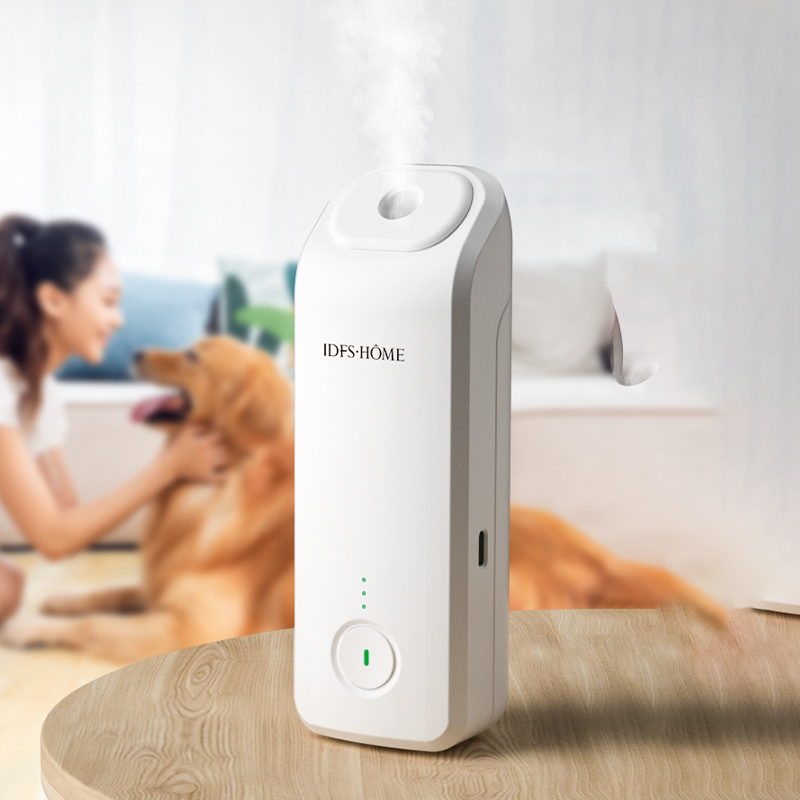
Selecting the right technology requires understanding the mechanical differences between the primary categories of electric models. Each type utilizes distinct physics to achieve fragrance dispersion, resulting in different user experiences.
| Diffuser Type | Mechanism of Action | Primary Advantages | Notable Limitations |
|---|---|---|---|
| Ultrasonic (Water-Based) | Piezoelectric transducer creates high-frequency vibrations to mist water and oil. | Doubles as a micro-humidifier; lower oil consumption; whisper-quiet operation. | Dilutes the scent potency; requires frequent water refills; needs regular descaling. |
| Nebulizing (Waterless) | Pressurized air atomizes pure essential oil into micro-particles via Bernoulli's principle. | Delivers maximum scent concentration; no water needed; ideal for large square footages. | Consumes essential oil at a faster rate; motor produces an audible humming sound. |
| Heat / Evaporative | Uses a fan or gentle electric heating element to accelerate evaporation. | Simple mechanics; highly portable; operates silently. | Uneven fractionation of oil components; heat degrades therapeutic VOCs. |
Ultrasonic technology dominates the residential market. These devices house a small ceramic disc, known as a piezoelectric transducer, at the base of a water reservoir. When powered, this disc vibrates at ultrasonic frequencies—often between 1.7 and 2.4 million times per second.
These rapid vibrations agitate the water and the few drops of essential oil floating on its surface. The agitation breaks the liquid into a fine, cool mist that a small internal fan pushes up and out of the device. Because oil and water do not mix, the oil simply rides the water vapor into the air.
The primary advantage of ultrasonic technology is its dual function as a micro-humidifier. It adds a small amount of moisture to the air, which proves beneficial in dry winter months. Furthermore, because the oil is diluted in water, the essential oil consumption rate remains quite low per hour of operation. They also operate almost silently, making them perfect for bedside tables and quiet office environments.
However, ultrasonic models have limitations. The water dilution means the scent output is less potent than waterless alternatives. You must also refill the water tank frequently. More importantly, standing water creates a breeding ground for mold and bacteria, necessitating strict, regular cleaning routines to maintain sanitary operation.
Nebulizing technology represents the gold standard for clinical aromatherapy and large-scale ambient scenting. These devices do not use water or heat. Instead, they rely on fluid dynamics, specifically Bernoulli's principle.
An internal air pump forces pressurized air through a small tube. As the air passes over a secondary tube connected to the pure essential oil, it creates a vacuum. This vacuum pulls the oil upward. When the oil meets the pressurized air stream, it shatters into microscopic particles. A glass or plastic baffle catches larger droplets and returns them to the reservoir, allowing only the finest, most buoyant nano-particles to escape into the room.
This process delivers the highest possible concentration of scent. Because there is no water dilution, the fragrance fills large, open-concept spaces rapidly and lingers longer in the air. You do not need to worry about water refills or mold growth in the reservoir.
The trade-offs involve consumption and acoustics. Nebulizers consume pure essential oil at a significantly faster rate than ultrasonic models. Additionally, the internal air pump generates a slight, audible hum or vibration, which some users may find distracting in ultra-quiet environments like a sleeping area.
Evaporative models use a small fan to blow air across a pad soaked in essential oil. Heat models use a gentle warming plate to speed up the natural evaporation process.
While these devices are simple and portable, they are generally considered inferior for therapeutic use. Essential oils contain dozens of different chemical constituents, each with its own evaporation rate. When exposed to heat or forced air, the lighter top notes evaporate rapidly, leaving the heavier base notes behind. This uneven fractionation alters the intended scent profile and therapeutic benefit of the oil. We recommend avoiding heat-based models if oil integrity is your priority.
The wellness industry often surrounds essential oils with exaggerated claims. To maximize the practical value of your device, you must separate marketing fiction from evidence-based reality regarding air quality, mood regulation, and respiratory support.
A widespread misconception suggests that diffusing essential oils purifies indoor air. You must understand the distinction between adding beneficial compounds and mechanically removing pollutants.
Certain essential oils, such as tea tree or thyme, possess documented antimicrobial properties in laboratory settings. When diffused, these volatile organic compounds enter the air. However, a diffuser does not remove dust, pet dander, pollen, or smoke. In fact, diffusing oils actively adds particulate matter (PM2.5) to your indoor environment.
If your goal is to remove allergens and physically clean the air, you need a mechanical air purifier equipped with a True HEPA filter. An electric model serves to enhance the olfactory environment, not to scrub the air of physical contaminants.
The olfactory bulb in the human nose connects directly to the limbic system, the brain's emotional and memory center. This anatomical reality provides a credible basis for using specific scents to influence mood and cognitive states.
You can apply this practically in your daily routines. Diffusing linalool-rich oils, such as lavender or clary sage, in living areas helps promote relaxation and unwind stress after a long day. In a home office environment, diffusing limonene or pinene-rich oils, like sweet orange or rosemary, can boost motivation and sharpen focus. These are realistic, evidence-based applications that avoid exaggerated medical claims while providing tangible lifestyle benefits.
During cold and allergy seasons, electric models offer significant comfort. Diffusing oils rich in 1,8-cineole, such as eucalyptus, peppermint, or ravintsara, triggers the cold receptors in the nasal passages.
This chemical interaction creates a cooling sensation that promotes a feeling of clear breathing. While the oils do not cure the underlying viral infection or stop the histamine response of an allergy, they highly minimize the subjective discomfort of a stuffy nose. Running a device with these oils on an intermittent timer provides excellent supportive care during seasonal illnesses.
You must exercise strict caution when using essential oils around pets. Felines, in particular, lack a specific liver enzyme (glucuronyl transferase) required to break down certain volatile compounds.
Oils like eucalyptus, tea tree, citrus, pine, and peppermint are highly toxic to cats and dogs. Inhaling aerosolized particles of these oils can lead to lethargy, vomiting, or severe neurological issues in pets. Always consult a veterinarian before introducing active scenting into a home with animals, and ensure pets can freely leave the room where a device is operating.
Furthermore, users with asthma, chronic obstructive pulmonary disease (COPD), or highly reactive airways should approach diffusion cautiously. The aerosolized particulates, even from pure, high-quality oils, can trigger bronchospasms in sensitive individuals. Test a very low concentration for a short duration to gauge your respiratory tolerance.
Owning and operating these devices requires a commitment to proper implementation. Understanding the practical realities of maintenance, consumption, and material durability ensures your device functions optimally for years.
Neglecting maintenance guarantees device failure. The cleaning protocols differ significantly based on the technology you choose. For ultrasonic models, the primary enemy is mineral buildup. Tap water contains calcium and magnesium. Over time, these minerals form limescale on the delicate piezoelectric transducer, dampening its ability to vibrate. Follow these steps to maintain an ultrasonic unit:
Nebulizing models face a different challenge: oil viscosity. Thick essential oils, like vetiver or patchouli, can clog the microscopic glass or plastic atomizers. To mitigate this risk, you must clear the system regularly. Remove the oil bottle, attach a bottle containing pure rubbing alcohol (isopropyl alcohol), and run the device for ten minutes. The alcohol dissolves the hardened oil resins and flushes the micro-tubes clean.
You must anticipate the volume of essential oil your chosen technology will consume. This dictates how frequently you need to replenish your oil supply.
An ultrasonic model uses water as a carrier. You typically add 5 to 10 drops of essential oil to a 200ml water reservoir. This single application can run for up to 8 hours. Over a 6-month period of daily use, the actual volume of essential oil consumed remains relatively low.
Conversely, a waterless nebulizing system pulls pure oil directly from the bottle. If you run a nebulizer continuously for several hours a day, you will consume a 15ml bottle of essential oil much faster—often within a few weeks. You mitigate rapid consumption by utilizing the device's interval timers, setting it to run for only a few minutes every hour to maintain the ambient scent without wasting pure oil.
The chemical nature of essential oils demands robust device construction. Citrus oils, heavily rich in limonene, act as powerful natural solvents. If placed in a device made from cheap, low-grade plastics like standard ABS, the citrus oil will literally melt and degrade the housing over time.
When selecting a unit, verify the material specifications. The internal reservoirs and tubing must utilize medical-grade plastics, specifically polypropylene (PP), which resists chemical degradation. Alternatively, seek out models that utilize glass or ceramic components for the oil pathways. Ensuring high material quality prevents leaks, mechanical failures, and the leaching of microplastics into your ambient air.
A: An electric model uses active mechanical propulsion (ultrasonic vibrations or pressurized air) to disperse scent, allowing you to control intensity, change fragrances quickly, and cover large square footages. A reed diffuser relies on passive evaporation, offering no control over output, suffering from rapid scent decay, and only covering a small, localized area.
A: No. Most residential models are highly energy-efficient. Standard ultrasonic and nebulizing units typically draw between 10 to 15 watts of power. This energy consumption is comparable to running a small, low-wattage LED desk lamp, making them very efficient for daily use.
A: Yes, provided the device features an integrated auto-shutoff mechanism. Quality models automatically cut power when the water reservoir or oil bottle empties, preventing overheating. Using interval timers also ensures safe sleep hygiene by preventing overwhelming scent concentrations in a closed bedroom.
A: A waterless nebulizing model is best for large, open-concept living spaces. Because it atomizes pure essential oil without diluting it in water, it delivers a highly concentrated fragrance that travels further and lingers longer, effectively covering high square footages.
A: No. While certain essential oils contain antimicrobial compounds, diffusers do not mechanically clean the air. They actually add particulate matter (VOCs) to the environment. To physically remove dust, pollen, and allergens from your indoor air, you must use a mechanical purifier with a HEPA filter.
A: Yes, in a supportive capacity. Diffusing oils rich in 1,8-cineole, like eucalyptus or peppermint, triggers cold receptors in the nasal passages. This promotes a sensation of clear breathing and minimizes subjective discomfort. However, essential oils are not a medical cure for underlying viral infections or allergic reactions.
A: For ultrasonic models, wipe out stagnant water after every few uses and perform a deep clean with water and white vinegar weekly to remove mineral scale. For nebulizing models, run a short cycle with pure rubbing alcohol every few weeks, or whenever changing to a highly viscous oil, to prevent clogged atomizers.


