
Views: 0 Author: Site Editor Publish Time: 2026-08-16 Origin: Site


Facility operators face a persistent challenge: maintaining a consistent, therapeutic ambient scent without relying on synthetic volatile organic compounds. Manual room sprays, wax melts, and localized candles fail to meet professional standards. They require constant staff intervention and often introduce harsh chemicals into the breathing zone. Implementing an essential oil diffuser spa room application directly solves this operational bottleneck. This approach replaces toxic aerosols with pure botanical extracts, ensuring a clean, restorative environment. It represents a strategic investment in environmental psychology, client retention, and daily operational efficiency. By automating scent delivery, facilities can guarantee a uniform olfactory experience from the reception desk to the recovery lounge. We will examine the specific hardware technologies required for different spatial volumes, the physiological impact of ambient aromatherapy, and the strict maintenance protocols necessary to keep these systems running reliably.
Commercial facilities and residential wellness spaces measure success differently. A commercial spa diffuser must endure heavy daily use. It runs ten to twelve hours straight, scenting expansive lobbies and multiple treatment corridors. Staff cannot constantly monitor or refill these units. They require high-capacity reservoirs and programmable timers to maintain brand consistency. High-end residential setups prioritize ease of use, whisper-quiet operation, and sleep enhancement. Homeowners want a device they can maintain quickly without specialized tools.
Spatial volume dictates your hardware choice. A compact tabletop unit works fine for a standard 120-square-foot massage room. However, a commercial bathhouse with 15-foot vaulted ceilings demands high-output atomizers. You must calculate the total cubic footage, factoring in ceiling height and existing HVAC airflow patterns, to select equipment that won't underperform. Placing a small residential unit in a large commercial space results in zero noticeable impact.
Professional relaxation environments integrate scent with architectural lighting, acoustic dampening, and climate control. Scent should act as a continuous, subtle background element. It anchors the psychological experience without overpowering the room. A commercial-grade wellness scent machine delivers precise output control. This separates it from cheap consumer devices that dump fragrance unevenly, creating sharp peaks and undetectable valleys.
Consistency signals intentionality. When you dim the lights and start the ambient audio, the scent profile should already be established. We often see facilities fail by placing diffusers directly under supply air registers, which blows the scent straight to the floor. Proper placement requires understanding room dynamics, ensuring the aroma disperses evenly at breathing height. You want the client to notice the relaxing atmosphere immediately upon entering, without being able to pinpoint the exact source of the aroma.
Inhaling botanical compounds like lavender or frankincense triggers immediate responses in the limbic system. This area of the brain controls emotions and memory. The biological connection allows for rapid anxiety reduction and dampens the body's stress response. We do not make exaggerated medical claims here. Ambient scenting stabilizes mood and enhances focus, but it is an environmental modifier, not a cure.
In recovery lounges, grounding aromas help clients transition from a parasympathetic resting state back to normal alertness. For residential applications, targeted aromatherapy improves sleep architecture. The scent acts as a neurological cue. It signals the brain to power down, helping occupants fall asleep faster and stay in deep sleep cycles longer. You can measure this impact through client feedback and improved sleep tracking metrics.
Specific botanical profiles actively clear respiratory airways. Eucalyptus, peppermint, and tea tree oils provide noticeable respiratory support. When clients breathe easier, the physical benefits of their treatments multiply. Lowering the systemic stress response through an aromatherapy diffuser creates a highly conducive environment for deep tissue massage and myofascial release.
Muscles yield faster to manipulation when the central nervous system is calm. Therapists frequently use ambient scent to cue that first deep breath on the table. The diffuser operates as a silent tool in the room. It bridges the gap between mental relaxation and physical tension release, making the therapist's job easier and the client's results better. The physical environment actively participates in the healing process.
Replacing synthetic aerosols and plug-ins with natural extracts offers massive operational benefits. Synthetic sprays introduce phthalates and artificial binders into the breathing zone. They leave a sticky residue on surfaces and HVAC filters. Pure essential oils neutralize ambient odors naturally, leaving the air feeling clean rather than heavily perfumed.
We must clarify the limitations of diffusers. They do not replace mechanical HEPA filtration. Diffusers do not scrub particulate matter, dust, or viruses from the air. They improve perceived air quality and eliminate the chemical burden of traditional air fresheners. You still need proper ventilation and filtration to maintain a truly healthy indoor environment. Think of diffusers as air enhancers, not air purifiers.
Signature scenting drives brand recall. Clients associate a specific aroma with relaxation, forming a strong memory bond with your facility. This perceived luxury directly impacts customer satisfaction scores and encourages repeat bookings. High-end hospitality brands use this strategy to justify premium rates.
Operators face an economic reality: high-quality essential oils cost money. However, investing in unadulterated oils allows you to position your services in a higher market tier. The sensory upgrade justifies a higher price point. It transforms a basic treatment room into a premium therapeutic destination. Clients will pay more for a fully immersive experience that they cannot easily replicate at home.
Ultrasonic units use a piezoelectric disc to create high-frequency vibrations. This action disperses a fine mist of water and essential oil. They add mild humidity and operate quietly. The upfront hardware cost remains low. However, they dilute the essential oil concentration significantly because the oil mixes with a large volume of water.
You must refill the water reservoir daily. This adds labor overhead for your staff. Coverage capacity is strictly limited to small square footage. Ultrasonic models work best in individual, enclosed treatment rooms. They fail completely in large open reception spaces where the mist dissipates before reaching the occupants.
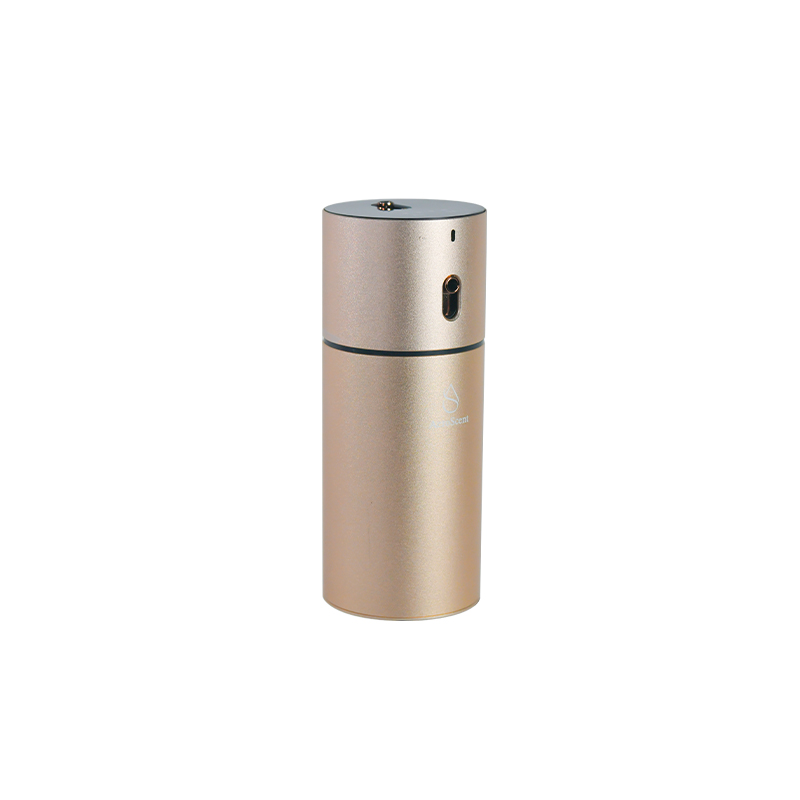
Nebulizing systems use pressurized air to atomize pure essential oils into micro-particles. They require no water or heat. This method delivers the highest therapeutic concentration and disperses scent rapidly across large areas. Nebulizers fit perfectly in expansive lobbies, high-traffic corridors, and large communal rooms.
The downside is a higher oil consumption rate, which increases operating costs. The internal air pump also produces a distinct humming noise. You must implement stricter cleaning protocols to prevent the delicate micro-tubes from clogging with thick oils. Despite these maintenance needs, nebulizers remain the standard for heavy-duty commercial applications.
HVAC-integrated systems connect directly to the building's ventilation ductwork. They provide ultimate scalability and an invisible footprint. You gain centralized control over the entire facility's scent profile. The primary drawback is the high installation cost and the requirement for professional integration.
Contractors must tap into the supply side of the ductwork, downstream from the main air handler, to ensure the scent travels directly into the target rooms without getting trapped in return filters. Using a pitot tube to measure static pressure ensures the diffuser pump can overcome the duct's internal resistance. If calibrated improperly, oil residue builds up inside the ductwork, leading to expensive remediation. Reserve these systems for large commercial operations that need facility-wide consistency.
| Diffuser Technology | Operational Mechanism | Best Spatial Use Case | Maintenance Requirements | Noise Level |
|---|---|---|---|---|
| Ultrasonic | Water & high-frequency vibration | Small individual treatment rooms | Daily water changes, weekly wipe down | Very Low (<30 dB) |
| Nebulizing | Pressurized air (waterless atomization) | Large lobbies, communal areas | Bi-weekly isopropyl alcohol flush | Moderate (40-50 dB) |
| HVAC-Integrated | Direct ventilation duct distribution | Facility-wide ambient scenting | Professional quarterly calibration | Silent (in-room) |
Map device specifications directly to your room's cubic footage. For example, a 500-square-foot room with standard 8-foot ceilings contains 4,000 cubic feet of air. If that same room has 12-foot ceilings, the volume jumps to 6,000 cubic feet. A diffuser rated only for square footage will fail in the latter scenario because it lacks the output capacity to saturate the additional 2,000 cubic feet of air. Check the milliliters per hour consumption rate to gauge actual output strength.
Programmable intervals are mandatory for professional applications. You need precise on/off cycles to manage scent intensity. Continuous diffusion wastes expensive oil and overwhelms the space. Output control ensures consistent delivery that remains pleasant from morning until closing.
Evaluate decibel ratings before purchasing hardware. Mechanical noise must never disrupt the relaxing intent of the room. Ultrasonic models usually operate below 30 dB, making them virtually silent. Nebulizers can reach 50 dB, similar to a low refrigerator hum. This will disrupt deep relaxation if placed near the client's head.
Position louder mechanical units away from the immediate treatment zone. If using a powerful nebulizer in a quiet room, conceal it behind acoustic baffling. You can also place it on a vibration isolation pad to stop the pump noise from transferring through wooden furniture. Proper placement mitigates noise complaints entirely.
Pure essential oils are naturally corrosive. Citrus oils and heavy resins degrade cheap ABS plastics rapidly. Your equipment must feature medical-grade plastics like PET or HDPE, tempered glass, or anodized aluminum components.
When inspecting a unit, remove the oil reservoir and check the threading. Cheap plastics will show micro-fractures within weeks of exposure to pure citrus oils. High-density polyethylene or anodized aluminum reservoirs will maintain their structural integrity for years. If a reservoir breaks down due to chemical degradation, it leaks oil onto expensive furniture and releases microscopic plastic particles into the air.
Water-based ultrasonic models carry a heavy hygiene burden. Standing water breeds bacteria and mold rapidly. You must empty, rinse, and wipe down these units daily. Weekly deep cleaning with white vinegar removes hard mineral scale from the ultrasonic disc.
To maintain nebulizing systems, follow these exact steps:
This flush prevents severe clogs, especially when diffusing viscous oils like vetiver or patchouli.
The human nose adapts to constant smells quickly due to receptor saturation. This biological phenomenon is called olfactory fatigue. To prevent occupants from becoming nose-blind, structure your diffusion schedules carefully. Use a programmable cycle of 30 minutes on and 30 minutes off. This keeps the aroma noticeable without overwhelming sensory receptors.
Navigate client allergies proactively. Establish a documented protocol for scent-free requests. Always ask clients about specific aversions or asthma triggers before turning on the device in a private room. Having a clear policy protects your clients and your staff from unexpected respiratory reactions.
Never use synthetic fragrance oils in devices designed for pure essential oils. Synthetics cause immediate device failure by clogging atomizers. They also trigger severe respiratory irritation. Sourcing dictates hardware longevity and human health.
Evaluate GC/MS reports when selecting vendors. These reports verify the exact chemical makeup of the oil. They ensure it contains no adulterants or synthetic fillers. Unadulterated oils protect your hardware investment and guarantee a safe breathing environment. Do not cut costs on your oil supply, as it will inevitably lead to hardware replacement costs.
The benefits of integrating ambient scenting outweigh the initial setup costs and maintenance requirements. From rapid stress reduction to elevated brand perception, the right olfactory environment transforms a standard room into a premium destination. Success depends on matching the correct hardware technology to your spatial requirements. Choose ultrasonic units for small rooms needing mild humidity. Select nebulizing systems for large areas requiring potent delivery. Opt for HVAC integration when facility-wide consistency is paramount.
To implement this successfully, execute the following steps:
A: The olfactory system connects directly to the brain's limbic system. Because of this direct neural pathway, physiological responses like reduced anxiety, lowered heart rate, and deepened breathing occur almost instantly upon entering the scented room.
A: Humidifiers are designed for high moisture output and use standard plastics that degrade when exposed to corrosive oils. Spa diffusers utilize chemically resistant materials like PET plastic or glass to withstand pure essential oils while prioritizing fine scent dispersion over humidity.
A: Standalone nebulizers typically cover 400 to 1,000 square feet effectively. Larger HVAC-integrated units can cover upwards of 5,000 square feet. Actual coverage depends heavily on the building's airflow patterns, ceiling height, and existing ductwork configuration.
A: They improve perceived air quality and eliminate the need for toxic synthetic air fresheners. However, they do not filter particulates, dust, or viruses like mechanical HEPA systems do. They scent the air naturally rather than physically scrubbing it.
A: Water-based units require a quick rinse and wipe down daily to prevent mold growth. All units, including waterless nebulizers, need a deep clean with 99% rubbing alcohol or white vinegar every one to two weeks to prevent clogs.
A: Yes. While natural, essential oils contain volatile organic compounds. Strong concentrations can trigger reactive airways in sensitive individuals. Precise output control, intermittent scheduling, and high-quality sourcing are critical to minimizing these respiratory risks.
A: Continuous operation leads to olfactory fatigue, causing occupants to stop smelling the aroma entirely. We highly recommend using intermittent diffusion, such as 30-minute on/off intervals. This maintains effectiveness, prevents sensory overload, and significantly reduces oil consumption.


