
Views: 0 Author: Site Editor Publish Time: 2026-08-17 Origin: Site


Retailers constantly fight for shelf space while trying to match shifting consumer habits. Shoppers now prioritize mobile, multi-functional wellness products over static home goods. Large, traditional humidifiers and scent machines tie up valuable square footage and capital. They sit on shelves, gathering dust when discretionary spending tightens. You need inventory that moves fast, takes up minimal space, and drives repeat foot traffic. Stocking a wholesale portable aroma essential oil diffuser solves this exact problem. These compact units meet the massive demand for on-the-go wellness. They fit in car cup holders, office desks, and travel bags. More importantly, they serve as the hardware that guarantees recurring sales of consumable oils. By integrating these devices into your planogram, you maximize revenue per square foot, attract health-conscious buyers, and build a scalable product category that withstands economic fluctuations.
Shoppers no longer leave their wellness routines at home. They want therapeutic benefits in their cars, at their office desks, and in hotel rooms. Traditional plug-in units anchor users to wall outlets. This limits their practical application for active buyers. A portable diffuser eliminates this friction. Battery-operated and compact, these devices travel anywhere. We see a massive uptick in consumers buying these specifically for daily commutes. They fit perfectly into standard vehicle cup holders. Office workers use them to create localized scent zones without bothering coworkers in open floor plans. This mobility turns aromatherapy into a daily habit. When customers use the device daily, they burn through oil faster. That accelerates your inventory turnover on the consumable side, driving consistent repeat visits to your store.
Aromatherapy has moved past simple room fragrancing. Integrative medicine research drives consumers to use essential oils for functional health. Buyers actively seek solutions for respiratory congestion, tension headaches, and joint discomfort. They also want to minimize airborne microbes during cold season. You must position the portable unit as a functional delivery system, not just a decorative accessory. When you merchandise a device next to eucalyptus oil for sinus relief, its perceived value skyrockets. It becomes a necessary tool for physical relief. Train your floor staff to highlight these specific use cases. A customer looking for stress relief will buy the hardware if they understand it effectively disperses lavender or chamomile during their stressful commute.
Consumer discretionary spending fluctuates. When budgets tighten, shoppers abandon large, expensive home goods. However, they still buy accessible, entry-level wellness items to maintain their quality of life. Portable models fit perfectly into this psychological spending pocket. They appeal to two distinct buyer groups. First, you have the beginner. They want to try essential oils but refuse to invest in a massive glass or ceramic unit. The portable option is a low-risk trial. Second, you have the veteran user. They already own a large unit at home but want a secondary device for travel. This dual appeal keeps your inventory moving regardless of the broader economic climate. You maintain steady sales velocity because the product serves both ends of the market spectrum.
Safety liabilities and environmental concerns dictate modern purchasing habits. Traditional fragrance methods carry heavy baggage. Candles cause fires and leave soot. Reed diffusers spill, ruining expensive furniture. Aerosol sprays pump chemical propellants into enclosed spaces. Portable diffusers provide a clean, flame-free alternative. Parents and pet owners gravitate toward them immediately. Furthermore, eco-conscious buyers want reusable systems. They reject single-use plastics and synthetic room sprays. By offering a device that uses pure water and plant extracts, you align your store with global sustainability trends. Highlight the lack of heat and chemicals on your shelf talkers. This simple messaging converts safety-conscious shoppers who actively avoid traditional home fragrance aisles.
Unit economics dictate retail survival. The margin spread on compact electronics is highly favorable. Because these units require less material and ship efficiently, the landed cost remains low. You can apply standard retail markups while keeping the shelf tag attractive to impulse buyers. Partnering with a reputable bulk diffuser supplier amplifies this advantage. Tiered pricing structures reward volume. As your sell-through rate increases, your per-unit acquisition cost drops. You can reinvest these expanding margins into better endcap displays or deeper inventory reserves. Furthermore, the small packaging means you fit more units onto a single shipping pallet. This drastically reduces your inbound freight costs per unit, protecting your bottom line before the product even hits the stockroom.
Floor space is your most expensive asset. Every pegboard and shelf must generate maximum revenue. Bulky ceramic diffusers eat up linear footage. You can only fit three or four on a standard shelf. Portable units change the math. Their compact boxes allow for dense, high-impact merchandising. You can stock triple the inventory in the same physical footprint. This size advantage unlocks aggressive visual merchandising tactics.
You do not stock hardware just to sell hardware. You stock a wholesale aroma diffuser to build a razor-and-blades revenue stream. The device is the razor. The essential oils are the blades. Once a shopper buys the unit, they are locked into your ecosystem. They must return to buy more oil. You accelerate this cycle through targeted cross-selling. Do not merchandise the diffusers in isolation. Build specific bundles that solve immediate problems.
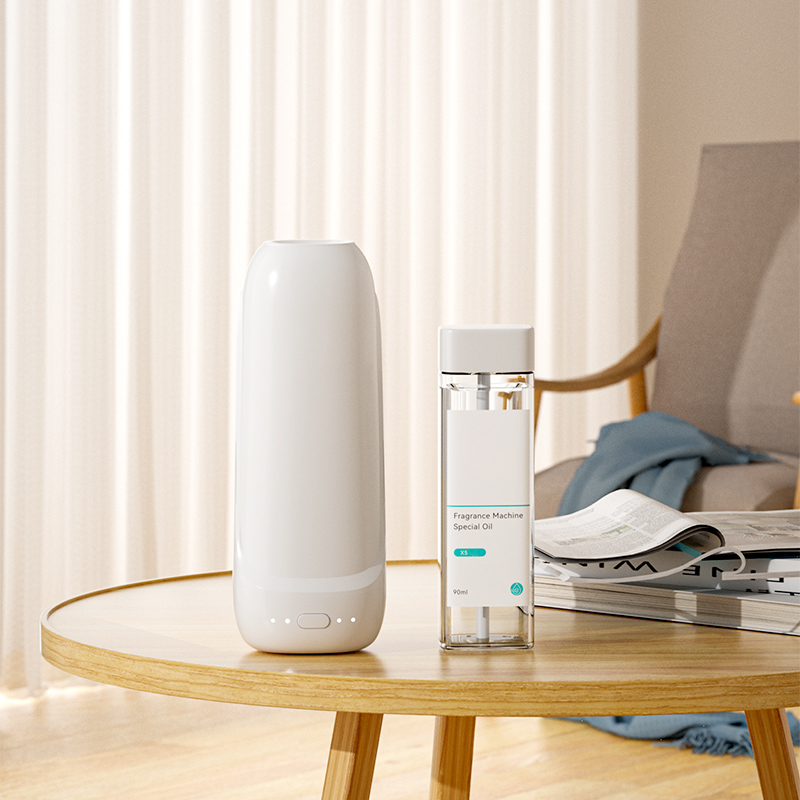
Technical specs dictate your return rate. If you sell a portable unit with a weak battery, it will come back to your customer service desk. Buyers expect a device to survive an eight-hour workday or a long road trip. Pay close attention to the mAh rating on the internal lithium-ion battery. Higher capacity means fewer angry customers. Charging infrastructure matters just as much. The market demands USB-C. Consumers refuse to carry proprietary charging cables. They want to plug the diffuser into the same cord that charges their phone or laptop. Stocking USB-C standardized units reduces friction, lowers return rates, and guarantees a better out-of-box experience for the end user.
You must understand the hardware to sell it effectively. The market splits into two primary technologies. Each serves a different buyer profile.
| Feature | Ultrasonic Portable Diffusers | Waterless (Nebulizing) Portable Diffusers |
|---|---|---|
| Core Mechanism | Uses water and ultrasonic plate vibrations to emit a fine mist. | Uses pressurized air to atomize pure essential oil directly from the bottle. |
| Maintenance Needs | Requires frequent wiping to stop mineral scale and mold growth. | Requires occasional alcohol flushes; no water reservoir to scrub. |
| Output Profile | Delivers a diluted scent while adding slight humidity to the air. | Delivers a highly concentrated, potent therapeutic aroma instantly. |
| Target Demographic | Entry-level buyers looking for gentle scent and dry air relief. | Experienced users wanting strong, mess-free travel solutions. |
Train your staff on these differences. Pushing a water-based ultrasonic unit to a business traveler who wants zero mess will result in a return. Match the technology to the customer's lifestyle.
Essential oils destroy cheap plastic. Citrus oils, in particular, act as natural solvents. If you source units made from low-grade polymers, the oil will literally eat through the reservoir. This causes leaks, destroys the internal circuitry, and ruins the customer's furniture. You must verify the build materials before issuing a purchase order. Look for medical-grade Polypropylene (PP) or anodized aluminum housings. These materials resist corrosion. Highlighting this durability on your shelf displays builds trust. It proves to the buyer that they are investing in a reliable tool, not a disposable novelty.
Vendor selection makes or breaks your cash flow. Minimum Order Quantities (MOQs) require strict scrutiny. If you run a single boutique, high MOQs will choke your backroom with dead stock. You need a partner willing to ship 50 to 100 units so you can test local demand. If you operate a regional chain, you want a vendor who can scale up to thousands of units while dropping the per-unit cost. Never sign a massive contract blindly. Always negotiate a sample run first. Bring five units into your office. Run them continuously. Test the battery drain. Check the plastic for warping. Verify the packaging holds up to shipping abuse. Only scale your orders after the hardware survives your internal stress test.
Electronic defects happen. The industry standard for small consumer electronics hovers around a 2% failure rate. You must establish acceptable defect thresholds with your vendor in writing. If a shipment yields a 10% failure rate, the vendor must absorb that loss, not you. Demand a clear Return Merchandise Authorization (RMA) process. A solid partner provides immediate credits or replacement units for dead-on-arrival hardware. If a vendor hesitates to outline their warranty process, walk away. You cannot afford to eat the cost of faulty motherboards or dead batteries.
Selling third-party brands puts you in a race to the bottom. Customers will simply scan the barcode and buy it cheaper online. White-labeling solves this. By putting your own store's logo on the device and packaging, you create an exclusive product. They cannot price-shop your proprietary brand. While white-labeling usually requires a slightly higher initial commitment, the payoff is massive. You control the brand narrative. You dictate the retail value. Most importantly, you build direct loyalty. When their friends ask where they got the sleek travel diffuser, the answer is your store, not a generic online marketplace.
Returns bleed your payroll. Your staff wastes time processing the refund, logging the defect, and dealing with an irritated shopper. High failure rates also trigger negative local reviews, which damage your overall store reputation. Stop bad units at the receiving dock. Implement a strict spot-testing protocol. When a pallet arrives, do not just push the boxes to the sales floor. Have your receiving team pull 5% of the shipment at random. Plug them in. Fill them up. Let them run until the batteries die. If the sample batch shows widespread issues, quarantine the entire pallet and contact the vendor immediately. Catching the problem in the backroom saves your frontline staff from a customer service nightmare.
Selling uncertified electronics is a massive liability. If a cheap battery catches fire in a customer's car, your store faces the lawsuit. You must demand hard proof of regulatory compliance from your suppliers. Do not take their word for it; ask for the actual certificate files.
Aromatherapy sales follow distinct seasonal patterns. Q4 holiday shopping drives massive volume as people buy these units as gifts. A second surge hits during peak winter cold and flu season, as buyers seek respiratory relief. You must forecast accurately. Analyze your historical data and place your heavy Q4 orders by late summer. If you wait until October, you will face stockouts and miss the rush. Conversely, demand softens in late spring. Dial back your hardware orders during Q2. Shift your merchandising strategy to pair the remaining units with bug-repellent oils or summer travel kits to maintain a steady, albeit slower, sales velocity.
To capitalize on this retail opportunity, execute the following steps immediately:
A: Retail margins typically range from 50% to 100% depending on your brand positioning and volume discounts. High-end boutiques utilizing white-labeling strategies often achieve margins at the higher end of this spectrum. By controlling the brand narrative, you can position the device as a premium wellness tool rather than a commodity, protecting your markup.
A: Consumers buy portable units for targeted, on-the-go relief. Major drivers include stress reduction during daily commutes, respiratory support in dry office environments, and maintaining sleep routines while traveling. This versatility appeals to both beginner users wanting a low-risk trial and experienced buyers needing a secondary travel device.
A: Always demand official safety certificates like CE, RoHS, FCC, and UL directly from the vendor. Never rely on verbal confirmation. Next, negotiate a small sample order. Physically test the battery life, verify the plastic resists essential oil corrosion, and evaluate the packaging durability before signing a large purchase agreement.
A: Most pure essential oils work, but highly acidic oils like lemon or sweet orange will degrade cheap plastics. Ensure the hardware you source uses medical-grade PP or aluminum. For waterless nebulizing units, avoid thick carrier oils like jojoba or coconut, as they will clog the internal micro-tubes and cause hardware failure.
A: Leverage their compact footprint by placing them in point-of-purchase displays right at the cash wrap to capture impulse buyers. Cross-merchandise them on endcaps next to complementary essential oils, travel accessories, or office wellness products. Building specific bundles encourages larger basket sizes and drives immediate consumable sales.
A: Ultrasonic diffusers use water and vibration to create a diluted mist, acting as a mini-humidifier for dry spaces. Nebulizing diffusers are entirely waterless. They use pressurized air to atomize pure essential oil directly from the bottle. This delivers a much stronger, concentrated aroma, making them ideal for mess-free travel.


