
Views: 0 Author: Site Editor Publish Time: 2026-08-12 Origin: Site


Scent marketing is a proven, quantifiable driver of customer dwell time, brand recall, and perceived value in commercial environments. From hotel lobbies and museums to office complexes, execution relies entirely on hardware reliability. Facility managers and interior designers struggle to find high-capacity scenting solutions that effectively cover large square footage without introducing bulky, industrial-looking equipment. You need systems that do not alter ambient humidity levels or compromise indoor air quality.
Selecting the right commercial diffuser requires moving beyond basic aesthetics to evaluate dispersion technology, HVAC compatibility, and maintenance realities. This guide breaks down the technical and functional features to look for when shortlisting an essential oil diffuser black unit for enterprise or luxury whole-building applications. We will examine how specific hardware choices impact daily operations, aesthetic integration, and overall environmental quality.
Understanding the operational divide between residential and commercial scenting hardware prevents costly procurement mistakes. Consumer-grade units fail rapidly in commercial environments. They lack the necessary output capacity, internal component durability, and programmable logic required for enterprise use. Commercial spaces demand robust engineering designed for continuous, unattended operation across massive floor plans.
Commercial facilities require high-volume, whole-building coverage. A standard retail store, hotel lobby, or open-plan office typically ranges from 1,000 to over 5,000 square feet. Residential units cap their effective range at roughly 300 square feet. Attempting to scent a large commercial space with multiple residential units creates uneven fragrance zones. It also generates an unmanageable maintenance burden for your facility staff.
Continuous, automated operation is a strict requirement. Facility staff cannot spend valuable time manually refilling water tanks or measuring oil drops every few hours. Commercial hardware utilizes large-capacity reservoirs that operate for weeks or months between refills. They rely on programmable timers to align scent dispersion exactly with operating hours, ensuring no consumable product is wasted when the building is empty.
Consistent scent dispersion must occur without altering the building's ambient humidity. Introducing excess moisture into a commercial HVAC system or a climate-controlled room invites mold growth inside ductwork. It also risks leaving a damaging residue on retail inventory, sensitive electronics, or museum artwork. Dry mist technology is mandatory to protect these physical assets while delivering the intended olfactory experience.
| Specification | Residential Diffusers | Commercial Scenting Units |
|---|---|---|
| Effective Coverage Area | 100 - 300 sq. ft. | 1,000 - 5,000+ sq. ft. |
| Dispersion Technology | Ultrasonic (Water-based) | Cold-Air Nebulizing (Waterless) |
| Reservoir Capacity | 100ml - 300ml | 500ml - 1000ml+ |
| Refill Frequency | Daily | Every 30 to 60 days |
| HVAC Integration | None | Direct-to-duct capabilities |
| Humidity Impact | Adds moisture to the air | Zero impact on ambient humidity |
Scent profiles and hardware deployment strategies differ drastically based on the intended environmental goal. A luxury spa requires a subtle, continuous dispersion of relaxing aromas like lavender or eucalyptus. Standalone floor units placed strategically in waiting areas achieve this localized effect perfectly. You can program these units to run at lower intensities to maintain a calming atmosphere without overwhelming guests.
Conversely, a corporate office complex benefits from energizing scents like citrus or peppermint to boost focus and productivity. In these environments, HVAC-integrated systems ensure a uniform, subtle scent distribution across massive floor plans. This prevents localized scent pockets that could overwhelm employees sitting near a standalone unit. Scent mapping—the process of assigning specific fragrances to different zones—relies heavily on the hardware's ability to integrate with existing air handlers.
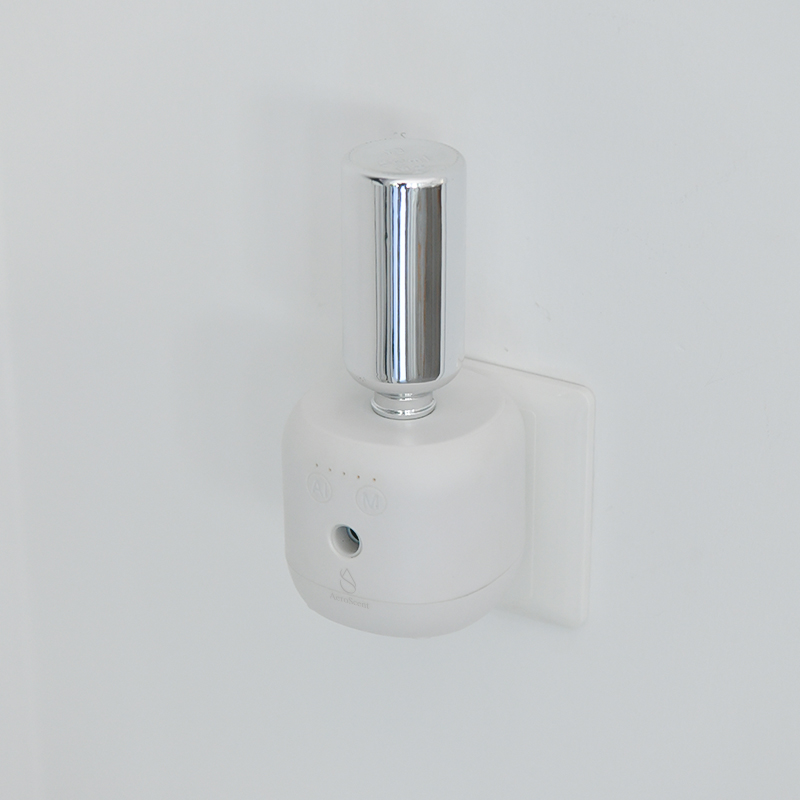
The internal mechanics of a scenting unit dictate its viability for large-scale applications. Evaluating dispersion technology helps facility managers avoid hardware that looks commercial but performs like a residential toy.
Cold-air nebulizing technology is the industry standard for commercial scenting. This waterless mechanism uses pressurized, cold filtered air to break down pure essential oils. The process forces the oil through an atomizer using the Venturi effect, creating a nano-sized dry mist. This ultra-fine mist remains suspended in the air for extended periods, traveling naturally with the ambient airflow of the building.
This technology delivers true-oil diffusion. It preserves the therapeutic and aromatic integrity of the essential oil because it does not use heat. Heat degrades the oil's molecular structure and alters the scent profile. Nebulization entirely eliminates the risk of water damage or mold growth. High-end commercial units include intake filters to protect the internal air compressor from dust, ensuring a clean, consistent mist output over years of operation.
You must consider specific operational realities with this technology. Standalone floor units utilize internal air compressors that generate a low hum during operation. While usually masked by ambient commercial noise in a lobby or retail store, this audible compressor noise requires careful unit placement in ultra-quiet environments like libraries or spa treatment rooms. Placing the unit behind a decorative screen or integrating it into the HVAC system mitigates this sound entirely.
Ultrasonic diffusers use high-frequency vibrations to agitate a mixture of water and essential oil. This action creates a wet mist that carries the scent into the room. Evaporative diffusers use a fan to blow air through a pad soaked in essential oil, or they use a heating element to accelerate evaporation.
These alternatives fail in large commercial spaces. Ultrasonic units have a severely limited range. They introduce unwanted moisture into the environment, which is highly problematic for climate-controlled facilities. The standard 120ml to 500ml water tanks require frequent, often daily, refills by your staff. Mixing oil with water dilutes the scent profile, resulting in a weak, inconsistent fragrance that cannot penetrate a large commercial footprint. Evaporative units lose their top notes quickly, leaving a stale base scent after just a few hours.
Commercial hardware must perform flawlessly while remaining visually unobtrusive. The physical appearance of the unit directly impacts the interior design of the space. Color and material choices are critical components of the procurement process, especially in high-end environments.
Black finishes allow commercial equipment to blend seamlessly into their surroundings. In open-ceiling architectural designs, a black unit disappears into dark HVAC tracks, exposed piping, or shadowed corners. This discretion minimizes visual disruption. It keeps the focus on the facility's intended design rather than its utility equipment.
The evolution of commercial hardware has transformed these units. They no longer look like industrial machinery. A sleek, dark exterior allows the unit to function as a modern design element. It complements industrial, minimalist, or luxury aesthetics. Whether placed in a high-end retail boutique, a modern hotel lobby, or a corporate boardroom, the dark finish aligns with premium brand identities. It signals a commitment to quality down to the smallest operational details.
Durability in public spaces requires robust casing materials. Anodized aluminum offers excellent resistance to corrosion and impacts. Scratch-resistant steel provides maximum durability for high-traffic areas where luggage carts or cleaning equipment might bump the unit. High-grade polymers offer a lightweight alternative but may lack the premium feel and weight of metal casings. Evaluating these materials ensures the hardware survives the physical demands of a commercial environment.
A matte black finish provides significant practical benefits for visual maintenance. Glossy finishes or white casings highlight fingerprints, dust accumulation, and minor scuffs. In busy retail or hospitality environments, your staff cannot constantly wipe down equipment. Matte black hides these imperfections effectively. It maintains a clean, professional appearance between scheduled maintenance cycles, reducing the daily visual upkeep required by facility teams.
| Casing Material | Durability Level | Visual Maintenance | Best Application |
|---|---|---|---|
| Anodized Aluminum (Matte Black) | High | Excellent (Hides dust and fingerprints) | Luxury retail, hotel lobbies, corporate offices |
| Scratch-Resistant Steel | Very High | Good (Requires occasional wiping) | High-traffic corridors, transit hubs, malls |
| High-Grade Polymer (Plastic) | Medium | Fair (Prone to static dust attraction) | Hidden HVAC installations, back-of-house |
| Glossy White/Light Finishes | Medium | Poor (Shows all scuffs and dirt) | Medical facilities, clean rooms |
Selecting the right hardware requires matching specific technical features to desired environmental outcomes. Facility managers must evaluate integration capabilities, programming options, and maintenance requirements before committing to a fleet of devices.
Direct-to-duct connections are essential for uniform, multi-zone scenting across expansive facilities. This integration allows a single, high-capacity unit to scent an entire hotel lobby, museum, or mall floor. The unit connects directly to the supply side of the HVAC system using a flexible PTFE tube. The building's existing ductwork then distributes the dry mist evenly throughout the designated zones, utilizing the air handler's CFM to push the fragrance.
Airflow synchronization is a critical feature for HVAC-integrated units. The diffuser must only operate when the HVAC fan is actively running. If the diffuser continues to output mist while the fan is off, the essential oil will saturate the ductwork. This wastes expensive consumable oils and creates an overwhelming scent burst when the fan eventually turns back on. Advanced commercial units use air pressure switches or sail switches inserted into the duct to detect airflow and synchronize operation automatically.
Digital or app-based interfaces are mandatory for commercial operations. Bluetooth or Wi-Fi connectivity allows facility managers to set precise operational hours. The diffuser should only run during active business hours to conserve oil. Programming a unit to run from 8:00 AM to 6:00 PM, Monday through Friday, automates the process and eliminates manual intervention by your staff.
Micro-adjustments in scent concentration are equally important. Commercial units allow users to define the work and pause intervals down to the second. For example, you can set the unit to diffuse for 30 seconds and pause for 120 seconds. This precise control prevents olfactory fatigue among employees who spend eight hours a day in the space. It ensures they do not become "nose-blind" to the fragrance, while still maintaining a noticeable, pleasant impact for guests arriving for short visits.
Many commercial units are marketed with air purification features. It is crucial to clarify this terminology. Scent diffusers do not replace dedicated HEPA air purifiers. They do not actively scrub the room's air of pathogens, viruses, or heavy particulate matter.
However, high-end commercial units utilize cold-filtered air intakes. These internal filters ensure that the air drawn into the compressor is clean. This prevents ambient dust and debris from mixing with the essential oil mist. By keeping the internal mechanics clean, the unit protects the overall environmental quality of the space. It ensures that the dispersed mist remains pure and free of contaminants, which is vital for maintaining indoor air quality standards in commercial buildings.
Reservoir size directly dictates the maintenance schedule. Commercial units typically utilize aluminum bottles ranging from 500ml to 1000ml in capacity. Aluminum is preferred over plastic because pure essential oils are highly concentrated and can degrade certain plastics over time, leading to leaks and hardware failure.
A 500ml reservoir operating at a medium intensity setting for 10 hours a day will generally last between 30 to 60 days. Analyzing these average consumption rates allows facility managers to establish predictable maintenance schedules. Larger reservoirs reduce the frequency of staff interventions, streamlining facility operations and ensuring the scent experience never drops off due to an empty bottle.
| Square Footage | Recommended Unit Type | Average Bottle Size | Estimated Refill Cycle (at 10 hrs/day) |
|---|---|---|---|
| Up to 1,500 sq. ft. | Standalone Floor/Wall Unit | 200ml - 500ml | 45 - 60 Days |
| 1,500 - 3,000 sq. ft. | HVAC Integrated (Small Handler) | 500ml | 30 - 45 Days |
| 3,000 - 5,000+ sq. ft. | HVAC Integrated (Large Handler) | 1000ml | 30 - 40 Days |
Deploying a commercial scenting system involves ongoing operational commitments. Understanding the consumables, maintenance protocols, and potential vendor constraints ensures long-term success and prevents unexpected downtime.
Facility managers must balance the desire for a strong scent profile against the recurring cost of consumables. Running a commercial diffuser at maximum intensity depletes the oil reservoir rapidly. Finding the optimal concentration level—where the scent is noticeable but not overwhelming—maximizes the lifespan of the essential oil and controls operational budgets. You should start at a low intensity and gradually increase it over several days until you reach the desired ambient fragrance level.
Vendor lock-in is a significant implementation risk. Some manufacturers design their hardware to only accept proprietary oil cartridges. While this ensures compatibility, it restricts procurement options and often inflates the cost of consumables. Open-system reservoirs, which accept standard aluminum bottles, allow facility managers to purchase bulk commercial-grade essential oils from any reputable supplier. This flexibility provides better control over ongoing operational expenses and protects you from supply chain disruptions.
Waterless nebulizing technology requires strict adherence to maintenance protocols. While they do not require daily water refills, the internal atomizers must be cleaned regularly. Pure essential oils are thick and resinous. Over time, they will build up and clog the microscopic nozzle of the atomizer, reducing mist output and eventually causing the compressor to fail.
Regular cleaning cycles are an absolute necessity. Facility staff must run a small amount of highly concentrated isopropyl alcohol (90% or higher) through the system monthly. You simply remove the oil bottle, attach a cleaning bottle filled with alcohol, and run the unit on its highest setting for 15 minutes. This flushes the atomizer, dissolves residual oil, and restores optimal mist output. Neglecting this simple maintenance step is the leading cause of hardware failure in commercial environments.
Procurement teams must also evaluate warranty considerations. Determine the availability and cost of replacement nozzles or atomizers. Assess the technical support offered by the manufacturer. Reliable customer service and accessible replacement parts are critical for minimizing downtime if a unit requires repair. Always keep a few spare atomizers on hand for immediate swapping during routine maintenance.
The optimal commercial scenting solution pairs cold-air nebulizing technology with a durable, discreet exterior. By understanding the underlying technology, HVAC integration requirements, and maintenance protocols, facility managers can deploy systems that enhance the environment reliably.
A: Coverage typically ranges from 1,000 to over 5,000 square feet. Standalone floor units usually cover up to 1,500 square feet effectively. Units integrated directly into a commercial HVAC system can distribute scent evenly across 5,000 square feet or more, depending on the building's airflow capacity.
A: Waterless nebulizers use pressurized air to create an ultra-fine dry mist from pure oil. This method is ideal for large spaces because it leaves no residue. Ultrasonic units use water and vibrations to create a humidified mist. They are only suitable for small rooms due to limited range and moisture output.
A: The exterior requires only simple dusting with a microfiber cloth. However, the internal atomizer requires monthly flushing with rubbing alcohol to prevent oil buildup. This internal maintenance is mandatory for all waterless units, regardless of the exterior casing color or material.
A: Yes. Many commercial-grade units feature direct-to-duct attachments. A technician installs a small tube from the diffuser into the supply ductwork. The unit then utilizes the building's existing airflow to distribute the dry mist evenly across multiple zones simultaneously.
A: Yes. Many luxury residential properties utilize commercial-grade HVAC diffusers to achieve consistent, whole-home scenting. This approach eliminates the need to place individual, low-capacity residential units in every room, streamlining maintenance and providing a uniform scent experience.
A: They do not replace dedicated HEPA air purifiers. However, high-quality commercial units use filtered air intakes to ensure the dry mist is clean. This internal filtration helps maintain high environmental air quality without adding dust or moisture to the room.
A: Consumption rates vary heavily based on settings. Depending on the programmed intensity and operating hours, a 500ml bottle typically lasts between 30 to 60 days in a commercial setting. Running the unit only during business hours significantly extends the lifespan of the oil.


