
Views: 0 Author: Site Editor Publish Time: 2026-08-26 Origin: Site


Aromatherapy devices have evolved far beyond purely utilitarian wellness tools. They now serve as central elements of interior design and ambient lighting. Standard plastic diffusers often clash with curated home decor. They emit harsh, uncalibrated light or create unwanted condensation on furniture. Buyers struggle to find a device that balances aesthetic integration with reliable ultrasonic misting. To select a unit that enhances rather than detracts from a room's design, you must evaluate specific lighting controls, material quality, technical safety features, and proper setup protocols. This guide provides a framework for assessing these dimensions, helping you choose an essential oil diffuser light that perfectly complements your living space.
A successful decorative diffuser must look intentional when turned off. It should blend seamlessly with your existing decor on a shelf or side table. When turned on, it must actively enhance the room's atmosphere through both scent and illumination. Devices that look like medical equipment fail this aesthetic test immediately. We often see homeowners hide their diffusers behind picture frames or books because the plastic housing looks cheap. A true decor piece stands out proudly.
Combining olfactory and visual stimuli impacts how you perceive a room. A well-placed mood diffuser helps establish spatial zoning. It creates distinct areas for relaxation, focus, or sleep within an open floor plan. You can visually anchor a reading nook with soft light while defining the space with a calming scent. Think about how lighting changes the mood of a restaurant. You can apply that same principle to your living room.
Pair specific essential oil blends with complementary lighting colors to maximize this effect. Use warm amber light with grounding cedarwood for evening wind-downs. Choose bright cool light and citrus blends for home offices to promote alertness. This multisensory synergy transforms a basic room into a curated environment.
Match the device's footprint and light output to the specific room. Subtle nightlights work best for bedrooms where space is limited. Larger statement pieces suit open living rooms where they can serve as a focal point. Scale matters just as much as style. If you place a tiny 100ml unit on a massive dining table, it looks disproportionate. Conversely, a bulky 500ml cylinder on a small bedside table feels cluttered.
When placing a unit in a living room, consider the existing light sources. You want the device to complement floor lamps and overhead fixtures, not compete with them. Position the unit on a side table or console where the mist can catch the ambient light, creating a dynamic visual effect. Keep it away from direct HVAC vents. Strong airflow will scatter the mist erratically and diminish the visual impact of the vapor plume.
In a bedroom, placement dictates sleep quality. Position the unit on a nightstand at least three feet away from your head. This distance ensures the mist disperses properly before you inhale it and keeps any faint water trickling sounds from becoming a distraction. The light should be easily reachable so you can dim it without getting out of bed.
For home offices, place the unit on a dedicated shelf rather than directly on your primary desk. This prevents accidental spills on electronics or paperwork. Use cool, bright light settings during the day to reduce eye strain and promote focus.
Warm white lighting integrates better into home decor than cool white. Aim for a color temperature between 2700K and 3000K. This mimics the cozy glow of traditional incandescent bulbs. Dimmability is an absolute requirement. You need to transition smoothly from evening ambiance to sleep without harsh glare. When we test units in real homes, the inability to dim the light is the number one complaint. A bright, unyielding light ruins the relaxing vibe you want to create.
Evaluate the standard 7-color cycling feature carefully. Sometimes it works in playful spaces, but often it looks artificial and distracting. A color lock feature is necessary. It allows you to pause the cycle and match specific interior color palettes. Advanced lighting effects offer safer alternatives to traditional open-flame tea light diffusers. Look for candle flicker modes and breathing light patterns that mimic natural rhythms. These dynamic settings add movement to the room without the fire hazard of a real candle.
The ability to use the light without the mist is a critical evaluation dimension. It allows year-round usability, even when you do not want added humidity or scent. This independent operation effectively allows the unit to double as a dedicated night light or accent lamp. You might want the soft glow of the LED diffuser during a humid summer night without adding more moisture to the air. Independent controls give you that flexibility.
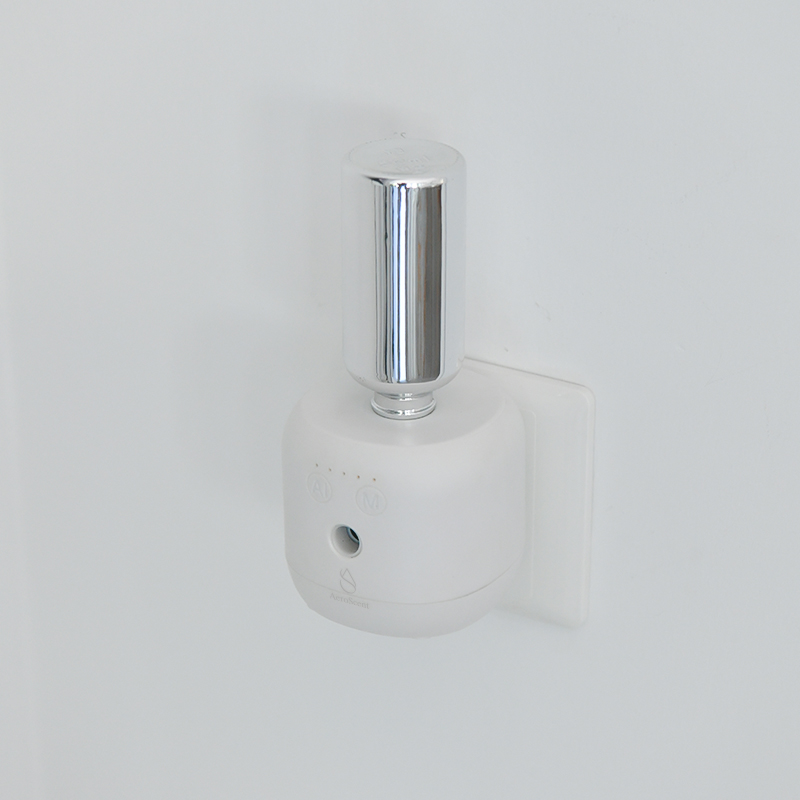
The exterior material dictates how the device fits into your design scheme. Premium materials elevate the visual weight of the unit. We see a massive difference in room aesthetics when swapping a glossy plastic unit for a matte ceramic one.
Ceramic and porcelain work best for minimalist, Japandi, or modern organic decor. Heavy, matte finishes hide fingerprints well and offer a tactile quality. Glass, whether blown or frosted, maximizes the visual impact of the internal light. Frosted glass diffuses LED hotspots, creating a soft, even glow. Wood and bamboo fit rustic or biophilic designs. Always check for genuine wood versus faux-wood veneer. Printed plastic degrades the aesthetic quickly. Stone and resin offer high durability with a sculptural, architectural presence. These materials provide excellent stability against accidental tipping.
Evaluate shapes like teardrop, cylindrical, or geometric profiles. Consider how they fit on standard bedside tables, narrow shelving, or wide kitchen islands. A tall, narrow unit saves space on a crowded desk. A low, wide bowl design provides better stability on a coffee table.
Balance the aesthetic appeal of heavy, fragile materials against practicality. High-grade, BPA-free plastics offer durability and a lightweight nature. They are safer in homes with pets or small children. However, they rarely match the visual depth of natural materials.
| Material Type | Best Decor Style | Durability | Light Diffusion Quality | Maintenance Needs |
|---|---|---|---|---|
| Matte Ceramic | Minimalist / Japandi | Moderate (Fragile if dropped) | Opaque (Light emits from specific cutouts) | Wipe with damp cloth; avoid abrasives |
| Frosted Glass | Modern / Contemporary | Low (Highly fragile) | Excellent (Soft, even, full-body glow) | Requires frequent dusting to maintain glow |
| Natural Wood | Rustic / Biophilic | High | Opaque (Light usually emits from a top ring) | Keep dry to prevent warping or cracking |
| Stone/Resin | Industrial / Architectural | Very High | Opaque (Accent lighting only) | Low maintenance; highly resistant to stains |
Tank size directly dictates the physical bulk of the unit. A standard 150ml capacity suits bedrooms, offering 4 to 6 hours of continuous mist. Larger 500ml tanks fit open-concept living spaces, running for 10 or more hours. Choose the capacity based on how often you are willing to refill it and how much space you have available.
Understand the limitations of ultrasonic technology. Evaluate mist plume height to ensure it disperses into the air. The mist should rise high enough to evaporate. It should not fall directly onto surrounding surfaces and create puddles. Using the correct water-to-oil ratio prevents water clouding. This ensures the internal light shines through clearly, which is especially critical in translucent glass models.
Assess the decibel rating before purchasing. Aim for under 30dB for quiet ultrasonic mist. Water trickling sounds and internal fan noise can disrupt the intended relaxing ambiance. A device meant for a bedroom must operate almost silently to prevent sleep disruption.
The type of water you use significantly impacts both performance and aesthetics. Tap water contains minerals like calcium and magnesium. When these minerals vaporize, they settle as fine white dust on your furniture. Inside the tank, they form a hard scale on the ultrasonic plate, reducing mist output. More importantly for a decor piece, mineral buildup clouds the water. This cloudiness blocks the internal light, making the colors look muddy and dull. Always use distilled or highly filtered water. This simple habit preserves the clarity of the reservoir and extends the life of the ceramic disc.
To optimize performance and maintain the aesthetic value of your unit, follow these operational steps:
Waterless auto shut-off is critically important. It prevents the ultrasonic plate from burning out when the tank runs dry. It also eliminates potential fire hazards. This feature allows you to turn the device on before bed without worrying about monitoring water levels. We consider this a mandatory feature for any unit operating in a residential space.
Evaluate continuous versus intermittent settings. Intermittent misting, such as 30 seconds on and 30 seconds off, prevents olfactory fatigue. It extends the lifespan of your essential oils. It also prolongs the visual ambiance without over-humidifying the room or causing condensation on windows.
You must clean hard water scale and sticky oil residue regularly. Do this carefully to avoid damaging the decorative covers. Use a mixture of water and white vinegar to wipe down the ultrasonic disc. Never use abrasive sponges on ceramic or frosted glass exteriors, as they will scratch the finish.
Routine maintenance involves a few specific actions to keep the unit functioning and looking pristine:
Poorly diffused, harsh, or overly saturated lighting immediately downgrades a room's perceived value. This "cheap LED" effect occurs when manufacturers use low-quality bulbs without proper diffusion layers. Always look for devices that offer soft, blended light transitions.
Overloading the tank with heavy, dark resin oils like vetiver or myrrh causes significant issues. These thick oils can stain the water reservoir. Over time, this buildup permanently distorts the device's light color output. Stick to lighter, clear oils if you rely heavily on the visual lighting aspect.
If you accidentally stain the reservoir with a dark resin oil, you must act quickly to restore the light clarity. Empty the tank completely. Mix equal parts white vinegar and warm water. Let this solution sit in the reservoir for fifteen minutes. Use a soft cotton swab to gently rub the stained areas. Never use bleach or harsh chemical cleaners. These chemicals degrade the plastic housing and can leave toxic residues that vaporize during the next use.
Moisture accumulation poses a risk to unsealed wood, electronics, or books. Mitigate this through careful placement. Use protective mats under the unit. Utilize mist directional nozzles to aim the vapor away from sensitive materials. We have seen ruined antique tables simply because a unit was placed directly on the wood without a buffer.
Ultrasonic ceramic discs have a finite lifespan. They typically last 3,000 to 5,000 hours of operation. Evaluate manufacturer warranties with this reality in mind. Regular cleaning extends this lifespan, but eventual replacement of the internal mechanism is a standard part of ownership.
| Common Issue | Likely Cause | Practical Solution |
|---|---|---|
| Dim or Muddy Light Output | Mineral buildup or dark oil stains in the water tank. | Clean the reservoir with a 50/50 vinegar and water solution. Switch to distilled water. |
| Weak Mist Plume | Water level exceeds the maximum fill line, or the ultrasonic disc is dirty. | Pour out excess water. Gently wipe the ceramic disc with a cotton swab and rubbing alcohol. |
| Condensation on Furniture | Unit placed in a cold room, or mist interval is set too high. | Switch to an intermittent mist setting (e.g., 30s on/30s off). Place a silicone mat under the base. |
| Loud Fan or Splashing Noise | Unit is resting on an uneven surface, amplifying vibrations. | Move the device to a solid, flat surface. Ensure the outer decorative cover is seated properly. |
A: Yes, high-quality models feature independent controls. This allows you to turn on the LED lighting without activating the ultrasonic misting function. It effectively serves as a standalone night light or ambient accent lamp for your room.
A: Frosted glass and matte ceramic are generally the best materials for decor. Frosted glass diffuses internal light beautifully, creating a soft glow. Ceramic offers a heavy, premium feel that blends seamlessly with modern and minimalist interior design styles.
A: For a 150ml tank, use three to five drops of pure essential oil. Using more can clog the ultrasonic disc, cause the water to become cloudy, and distort the light shining through the reservoir.
A: No, they are highly energy-efficient. The ultrasonic technology and internal LED bulbs typically consume very little power, often running on standard 24V adapters. They cost pennies to operate even with daily use.
A: Place the unit on a waterproof tray or silicone mat. Ensure the mist output nozzle points away from the wood surface. Use intermittent mist settings to prevent heavy moisture accumulation in the immediate area.
A: Ultrasonic models use water and vibrations to create a fine mist, often featuring large, glowing water tanks. Nebulizers use pressurized air to atomize pure oil without water. Nebulizers rarely feature large internal lighting displays due to their mechanical design.
A: Yes, most premium units include a sleep mode or allow you to cycle the light off completely. This ensures the device can run quietly in a dark bedroom without disturbing your sleep cycle.


