
Views: 0 Author: Site Editor Publish Time: 2026-08-06 Origin: Site


Finding the best essential oil diffuser for bedroom use means looking past basic aesthetics. Most standard diffusers fail miserably in sleeping environments. You bring one home expecting better rest, only to be kept awake by loud motor hums, un-dimmable LED lights, and inadequate runtimes that interrupt your sleep cycles. Bulky footprints also clutter small nightstands, creating physical obstacles in dark rooms. A bedroom aroma diffuser is not just a home fragrance accessory. It acts as a functional tool for sleep hygiene, stress reduction, and localized air quality management. Selecting the optimal device requires evaluating technical specifications. You must match diffusion methodology, acoustic output, and maintenance requirements to your specific room dimensions and sensory sensitivities. Hardware limitations directly impact the therapeutic benefits of aromatherapy. If the tank runs dry at 3 AM or the power light illuminates the ceiling, the device defeats its own purpose.
Acoustic output dictates whether a device belongs in a sleeping environment. Standard bedrooms register an ambient noise level of around 30 decibels. Introducing a loud motor severely disrupts sleep architecture. You must evaluate the specific sound profile generated by the diffusion mechanism. Nebulizing models utilize pressurized air pumps. These pumps generate a distinct mechanical vibration and a low-frequency hum. This hum often exceeds 40 decibels. For light sleepers, this constant mechanical drone becomes intolerable. You will find yourself unplugging the unit at 2 AM just to get some peace.
Conversely, ultrasonic models operate using a high-frequency vibrating plate. The mechanical operation is nearly silent. However, the process creates a distinct water-trickling or bubbling sound. Many users actively seek out this acoustic profile. The gentle water flow acts as a natural white noise machine. It masks disruptive external sounds like street traffic or noisy neighbors. Users requiring absolute silence must carefully vet ultrasonic models. The volume of the water trickling varies significantly based on tank design, water depth, and the shape of the vapor nozzle. A tall, narrow tank often produces louder dripping sounds than a wide, shallow basin.
Exposure to artificial light during sleep hours inhibits melatonin production. It disrupts circadian rhythms and degrades sleep quality. Many diffusers feature integrated LED lighting. Manufacturers market these as mood lighting or nightlights. Color-changing LEDs serve a purpose in nurseries or living spaces. They are detrimental to adult sleep hygiene. A functional sleep diffuser requires a true dark mode.
Dark mode means the device allows you to completely disable all illumination while the misting function continues to operate. This includes disabling the primary tank light. It also means shutting off any small indicator LEDs that denote power status or misting modes. Even a tiny green or blue power indicator light illuminates a dark room enough to disturb sensitive sleepers. I have seen clients resort to covering indicator lights with black electrical tape. You should not have to hack your device. Always verify that the hardware offers independent controls for mist and light functions. Pressing the light button should cycle through colors and eventually turn the bulb completely off.
Sleep cycles average eight hours. A device intended for overnight use must operate independently for this entire duration. It cannot require manual intervention. For water-based units, tank capacity directly dictates runtime. A small 100ml tank typically depletes its water reservoir in three to four hours of continuous operation. The device shuts off halfway through the night. This prematurely ends the aromatherapy benefits and leaves you waking up to stale air.
To achieve a full night of continuous misting, a minimum tank capacity of 300ml is necessary. A 300ml tank generally provides eight to ten hours of continuous output. Larger 500ml tanks operate for up to sixteen hours. They offer a buffer for longer sleep schedules or weekend use. When evaluating capacity, consider the physical footprint. Larger tanks require wider bases. They consume valuable real estate on small bedside tables.
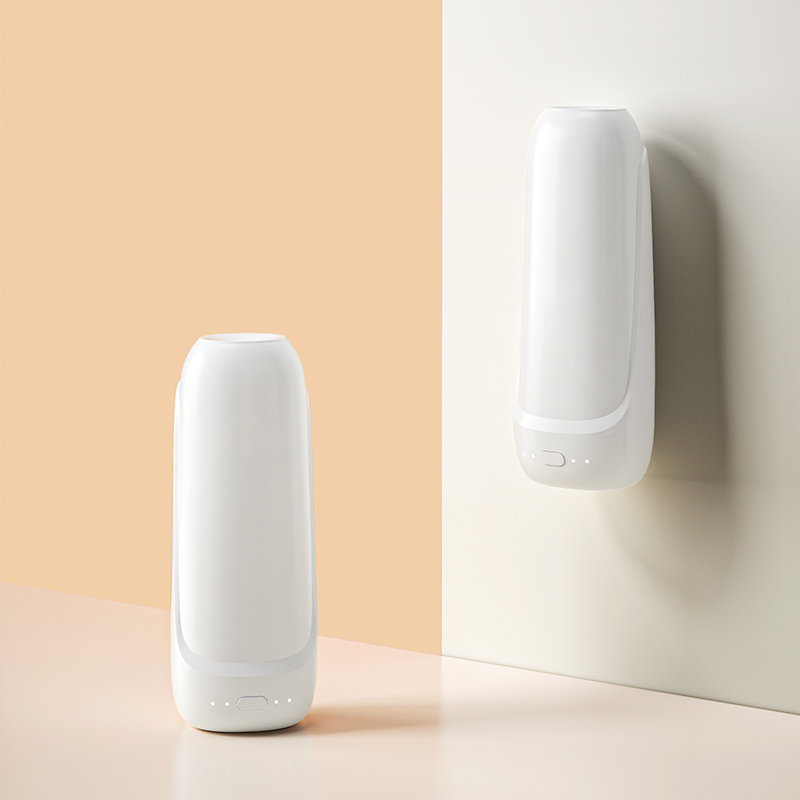
Ultrasonic technology dominates the consumer market. These devices utilize a piezoelectric transducer. This is a small ceramic disk located at the bottom of the water tank. When electricity passes through the disk, it vibrates at ultrasonic frequencies. This rapid vibration breaks the essential oil and water mixture into microscopic particles. A small internal fan then blows these particles up through the nozzle. They disperse into the air as a fine, cool mist.
The primary advantage is the whisper-quiet mechanical operation. They also have a highly affordable manufacturing cost. The mist output acts as a micro-humidifier. It adds beneficial moisture to dry bedroom air. This alleviates dry throat and nasal congestion during winter months. The main drawback is the strict maintenance requirement. You must empty and refill the water daily. Failure to clean the tank regularly leads to mold and bacterial growth. The device will then aerosolize these pathogens directly into your breathing zone.
Nebulizers operate entirely without water or heat. They rely on Bernoulli's principle. The device uses a pressurized air stream to force pure essential oil through a small glass tube. As the air meets the oil, it atomizes the liquid into an ultra-fine vapor. This method delivers the most potent, concentrated therapeutic aroma available on the market.
Because nebulizers do not use water, they eliminate the risk of water-borne bacteria and mold. They provide immediate, heavy scent throw suitable for large primary suites. However, the pressurized air pump generates noticeable vibration and noise. Nebulizers consume essential oils at a rapid rate. This significantly increases the recurring cost of operation. They frequently lack the extended runtimes required for full overnight use. Many models feature hardwired timers that shut the unit off after two hours to prevent olfactory overload.
Evaporative models utilize small internal fans or low-heat elements. These components accelerate the evaporation of essential oils suspended on a pad or within a proprietary pod. Smart versions integrate Wi-Fi or Bluetooth connectivity. They allow users to control scheduling, scent intensity, and operating hours via smartphone applications.
These devices offer a completely waterless, mess-free experience. You avoid daily refills and eliminate mold risks. The scent delivery remains consistent until the pod depletes. The major disadvantage is ecosystem lock-in. You must purchase brand-specific fragrance pods or refill pads. These carry higher long-term costs compared to buying standard bottles of pure essential oil. You also lose the ability to blend your own custom scent profiles.
Wall plug-in models connect directly to standard electrical outlets. They use low-level heat to gently warm and disperse scent from inserted liquid vials. Modern smart plug-ins connect to home networks. They enable precise scheduling routines that align with your sleep and wake cycles.
The greatest benefit of a plug-in unit is spatial efficiency. It completely frees up nightstand space. This makes it ideal for minimalist bedrooms or rooms with limited surface area. You can program the device to start diffusing lavender thirty minutes before bedtime. You can then schedule it to switch to an energizing citrus blend at dawn. The downside is the total reliance on proprietary scent refills. You also receive zero humidification benefits.
| Technology Type | Mechanism | Primary Pros | Primary Cons |
|---|---|---|---|
| Ultrasonic | High-frequency vibration of water and oil | Quiet operation, adds humidity, budget-friendly | Requires daily water refills, high mold risk if uncleaned |
| Nebulizing | Pressurized air atomizes pure oil | Potent aroma, no water bacteria risk | Louder motor noise, high oil consumption |
| Smart Evaporative | Fan or heat evaporates oil from pods | App scheduling, zero water maintenance | Locked into proprietary fragrance ecosystems |
| Wall Plug-in | Direct outlet heat dispersion | Zero footprint on nightstands, automated routines | No humidification, relies on specific refill vials |
Human olfactory receptors adapt quickly to continuous stimuli. This biological response is known as olfactory fatigue or nose blindness. You stop perceiving a scent after approximately fifteen to thirty minutes of continuous exposure. Running a diffuser constantly at maximum output wastes essential oil. It can overpower a small bedroom, leading to headaches or respiratory irritation.
Intermittent misting settings solve this problem. A high-quality bedroom aroma diffuser offers customizable intervals. Common settings include thirty seconds of misting followed by thirty seconds of rest. This pulsing delivery prevents olfactory fatigue. It allows you to perceive the therapeutic aroma throughout the entire night. Intermittent settings effectively double the operational runtime of a water tank. A smaller 150ml unit can last through an entire eight-hour sleep cycle when set to an intermittent mode.
Automatic shutoff is a critical safety and longevity feature. For ultrasonic models, operating the piezoelectric transducer without water causes rapid overheating. This permanently damages the ceramic disk. In extreme cases, it poses a fire hazard. Auto-shutoff mechanisms utilize conductive sensors located at the base of the water reservoir.
When the water level drops below the sensor threshold, the electrical circuit breaks. This immediately cuts power to the vibrating plate and the internal fan. You can fall asleep without worrying about monitoring the device. You must verify that the auto-shutoff function works independently of the timer settings. The device must power down safely if the tank runs dry before the programmed time elapses.
Matching diffuser output capacity to your bedroom's square footage prevents underwhelming performance. It also prevents overwhelming scent concentration. A standard guest bedroom measuring 150 square feet requires minimal output. A compact 100ml to 200ml ultrasonic unit provides sufficient coverage. It will not saturate the air with excess moisture or heavy fragrance.
Primary bedroom suites exceeding 300 square feet require robust hardware. Small ultrasonic units fail to push the mist across large spaces. The aroma remains localized strictly to the nightstand area. For large rooms, you must select a high-capacity 500ml ultrasonic model with a high mist output setting. Alternatively, opt for a nebulizing diffuser capable of rapidly dispersing concentrated micro-particles throughout the expanded square footage.
| Bedroom Size (Sq. Ft.) | Recommended Tank Capacity | Ideal Technology Type | Expected Scent Throw |
|---|---|---|---|
| Under 150 (Small/Guest) | 100ml - 200ml | Ultrasonic or Smart Plug-in | Light, localized to nightstand area |
| 150 - 300 (Standard) | 300ml - 400ml | Ultrasonic or Smart Evaporative | Moderate, fills the entire room evenly |
| Over 300 (Primary Suite) | 500ml+ or Waterless | High-Capacity Ultrasonic or Nebulizing | Strong, reaches across large open spaces |
The high-capacity ultrasonic model features a tank size of 300ml or greater. It serves as the standard workhorse for bedroom use. Evaluate this category if you prioritize continuous overnight operation and budget-friendly hardware. These units excel in dry climates. The added micro-humidification benefits respiratory health during sleep. When selecting this type, prioritize models with a wide top-fill opening. Narrow tank openings complicate the daily cleaning process. Ensure the model offers a verified dark mode and adjustable mist output levels to control ambient humidity.
Nebulizing units cater to users who demand potent, therapeutic-grade aromatherapy. They do this without introducing ambient moisture into the room. Evaluate this category if you reside in a humid climate where adding water vapor to the bedroom is undesirable. These devices are ideal for large primary suites due to their powerful scent throw. You must carefully assess your tolerance for mechanical noise. Place nebulizers across the room rather than directly on the nightstand. This mitigates the hum of the pressurized air pump. Ensure the unit features programmable runtimes to manage the high rate of oil consumption.
Smart wall plug-in diffusers represent the optimal solution for users with limited nightstand space. They also appeal to those who prioritize technological convenience. Evaluate this category if you want to integrate scent into automated smart home routines. These devices allow you to schedule precise activation times via smartphone applications. The room smells perfectly upon entering. The upfront hardware cost is often reasonable. However, you must factor in the recurring expense of proprietary scent vials. This option sacrifices the ability to blend your own custom essential oil recipes. You trade that flexibility for hands-off, scheduled reliability.
Purchasing decisions require balancing initial hardware investments against ongoing operational demands. Basic ultrasonic diffusers feature low upfront costs. This makes them highly accessible. However, they demand a high time investment in maintenance. You must commit to daily water changes and weekly deep cleaning to ensure safe operation. The hidden cost is your time and effort.
Smart evaporative and plug-in diffusers carry higher initial hardware costs. They also require purchasing specific refill pods. The trade-off is a near-zero maintenance experience. You eliminate water handling, mold risks, and daily cleaning routines. You must decide whether you prefer saving money upfront and performing manual maintenance, or paying a premium for automated convenience and proprietary refills.
Manufacturers frequently prioritize aesthetic appeal over functional design. Diffusers featuring heavy ceramic, stone, or carved wood covers look beautiful on a nightstand. These premium materials introduce practical limitations. Thick ceramic covers reduce the internal volume available for the water tank. This limits runtime. They also make the unit heavy and slippery. This increases the risk of dropping and shattering the cover during daily water refills.
Functional plastic or resin designs look less luxurious. They offer superior durability and lighter weight for easy handling. They provide larger tank capacities within a smaller footprint. When evaluating a device, do not let visual appeal override practical necessities. You need a large water reservoir, a wide cleaning opening, and accessible control buttons.
The hardware is only as effective as the liquid placed inside it. A common user complaint regarding weak scent throw or unpleasant odors stems directly from using cheap, synthetic fragrance oils. Synthetic oils contain artificial chemical binders. These binders leave sticky residues that permanently clog ultrasonic plates and nebulizer tubes. You must use 100% pure, therapeutic-grade essential oils for safe and effective operation.
Selection impacts sleep quality. Certain botanical profiles promote relaxation. Others stimulate the nervous system. Optimal sleep pairings include lavender, cedarwood, vetiver, bergamot, and sandalwood. These oils contain chemical constituents like linalool, which naturally lower heart rates. Avoid diffusing stimulating oils such as peppermint, rosemary, or lemon in the evening. They promote alertness and interfere with the transition into deep sleep.
| Essential Oil | Aroma Profile | Primary Sleep Benefit | Pet Safety Warning |
|---|---|---|---|
| Lavender | Floral, herbaceous | Lowers heart rate, reduces anxiety | Generally safe, monitor for sensitivities |
| Cedarwood | Woody, warm | Promotes deep relaxation, grounding | Generally safe for dogs, use caution with cats |
| Peppermint | Minty, sharp | Highly stimulating, disrupts sleep | Toxic to cats and dogs |
| Bergamot | Citrus, slightly floral | Reduces stress without heavy sedation | Toxic to cats and dogs |
Water-based devices introduce standing moisture into the bedroom. If neglected, a home diffuser quickly becomes a breeding ground for mold spores and bacteria. When the device activates, it aerosolizes these pathogens directly into the air you breathe. This causes respiratory infections or allergic reactions.
Mitigating this risk requires strict cleaning protocols. Execute the following steps weekly:
Aerosolized essential oils pose severe risks to household pets. Cats and dogs are highly susceptible. Cats lack a specific liver enzyme required to metabolize and eliminate the chemical compounds found in many essential oils. Continuous exposure in an enclosed bedroom leads to toxic buildup. This results in lethargy, vomiting, or neurological issues.
Oils strictly toxic to pets include tea tree, eucalyptus, citrus, pine, peppermint, and ylang-ylang. If pets sleep in your bedroom, consult a veterinarian before introducing aromatherapy. Ensure the bedroom door remains open to allow pets to exit if the scent becomes overwhelming. For humans with asthma or severe respiratory sensitivities, consult a pulmonologist. Even pure essential oils can trigger bronchospasms in reactive airways.
Ultrasonic diffusers emit a cool mist that eventually settles on surrounding surfaces. Over time, this continuous moisture accumulation damages wooden nightstands. It warps veneers and leaves permanent water rings. Pure essential oils act as potent solvents. Accidental drips during refilling strip paint, dissolve varnishes, and melt certain plastics.
Protect your furniture by never placing the device directly on unprotected wood. Position the unit on a dedicated tray made of glass, ceramic, or metal. Ensure the mist output nozzle points away from walls, upholstered headboards, and bedside electronics. This prevents localized moisture damage and electrical hazards.
To implement a safe and effective overnight aromatherapy routine, execute the following steps before making a purchase:
A: Yes, you can leave it running overnight if the device features an automatic dry-tank shutoff mechanism. This critical safety feature cuts power to the motor and vibrating plate when the water or oil depletes, preventing overheating and fire hazards. Use intermittent misting settings to extend the runtime and prevent olfactory fatigue while you sleep.
A: Ultrasonic models are mechanically the quietest because they use silent high-frequency vibrations rather than motorized air pumps. However, they produce a distinct water-trickling sound. Many users find this bubbling acts as a soothing natural white noise that masks external disruptions. Nebulizing models are significantly louder due to their pressurized air pumps.
A: For continuous overnight operation, you need a minimum tank capacity of 300ml. A 300ml reservoir typically provides eight to ten hours of misting. Smaller 100ml or 200ml tanks will run dry in three to five hours unless you operate them exclusively on intermittent misting modes.
A: Waterless models eliminate the risk of mold growth and require far less daily maintenance. They are excellent for humid climates where adding moisture to the bedroom is undesirable. However, they consume essential oils much faster and lack the micro-humidification benefits that ultrasonic models provide for dry winter airways.
A: Lavender, cedarwood, vetiver, and roman chamomile are highly effective for promoting relaxation and lowering heart rates. Always use 100% pure therapeutic-grade oils to prevent hardware clogs. Avoid stimulating oils like peppermint or citrus at night, and verify pet safety with a veterinarian if animals sleep in your room.
A: Empty standing water daily and wipe the tank dry with a clean cloth. Perform a deep clean once a week by running a mixture of water and a teaspoon of white vinegar through the device for ten minutes. This prevents mold buildup and keeps the ultrasonic plate functioning optimally.


