
Views: 0 Author: Site Editor Publish Time: 2026-08-12 Origin: Site


Scenting a primary living space presents a frustrating design conflict. The devices required to efficiently disperse fragrance across large, open-concept rooms frequently resemble cheap plastic appliances. These units clash instantly with carefully curated interior design, drawing the eye for all the wrong reasons. A primary gathering space requires a specific balance. You need high-capacity output to handle extensive square footage, combined with premium aesthetic materials. The device must serve as a decorative element rather than an eyesore. Finding the right balance means looking beyond basic bedroom humidifiers and understanding the mechanics of scent dispersion. We need a framework for evaluating a home aroma diffuser based on diffusion technology, material quality, coverage area, acoustic profile, and long-term maintenance requirements.
Defining baseline metrics for square footage and output capacity is the first step in selecting the right unit. A standard 100ml unit fails entirely in a 400-plus square foot living room. The mist simply dissipates before reaching the center of the space, leaving the majority of the room unscented. You need 300ml to 500ml ultrasonic tanks, waterless nebulizing systems, or HVAC-integrated units for adequate scent throw. Output capacity directly correlates with the motor size and the internal atomization mechanism. Undersized units forced to run continuously will burn out their internal components rapidly.
To accurately gauge your requirements, you must calculate the true volume of your space, not just the floor area. High ceilings and open archways drastically alter how scent travels.
Contrasting premium materials with standard polypropylene reveals significant differences in both aesthetics and durability. Matte ceramic, terracotta, and hand-blown glass improve the visual appeal of the device. Premium materials also resist oil degradation over time much better than cheap plastics. Citrus oils contain compounds that slowly eat through low-grade plastic enclosures, causing them to crack or leak. Solid stone or heavy ceramic covers provide necessary weight. This added stability prevents accidental tipping on high-traffic coffee tables or sideboards.
Addressing the noise factor and ambient disruption is required for shared spaces. Living rooms demand acceptable decibel levels to maintain a relaxing environment. Consider the hum of ultrasonic fans and the vibration of nebulizing pumps. Most high-quality units operate below 30 decibels, blending into background room noise. Note the sensory impact of trickling water sounds common in ultrasonic models. Some find this acoustic profile soothing, but it can distract others trying to watch television, read, or hold conversations.
Reliability and repairability matter immensely for units running daily in primary living spaces. Look for warranty coverage on internal ultrasonic plates and commercial-grade motor durability. A reliable unit prevents the frustrating cycle of replacing burnt-out plastic models every few months. High-quality internal components, such as medical-grade glass reservoirs in nebulizers or corrosion-resistant titanium ultrasonic discs, ensure the device withstands daily exposure to concentrated botanical extracts.
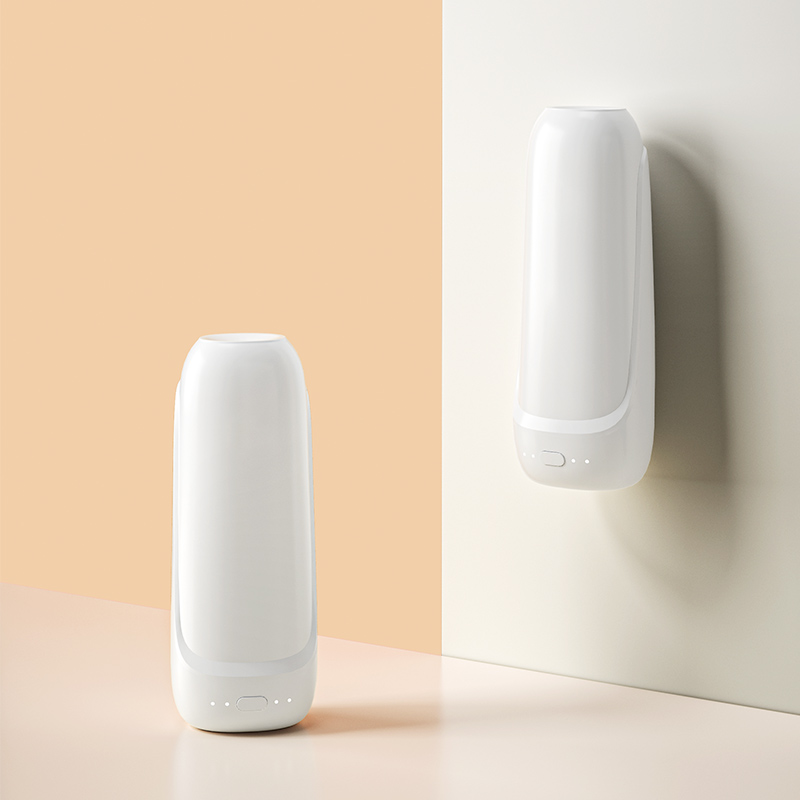
These units use high-frequency vibrations generated by a small ceramic disc to create a fine water and oil mist. The piezoelectric transducer rapidly vibrates, breaking the water and essential oil into micro-particles dispersed into the air via a small fan.
Nebulizers use pressurized air to atomize pure essential oils without water or heat. Based on the Bernoulli principle, a high-velocity air stream forces the oil up through a micro-tube, shattering it into microscopic droplets that disperse instantly into the room.
These are app-controlled, waterless systems utilizing cold-air diffusion technology. They plug into walls, sit on shelves, or integrate directly with home HVAC systems for hotel-style scenting. They push micro-mist through the existing ductwork of the house.
This method utilizes capillary action to draw essential oils up through rattan reeds or porous ceramic stones. The oil travels up the microscopic channels in the reeds and evaporates naturally into the surrounding air.
| Technology Type | Scent Potency | Maintenance Level | Best Room Size | Noise Level |
|---|---|---|---|---|
| Ultrasonic | Moderate | High (Daily Refills) | Medium (Up to 300 sq ft) | Low (Slight water trickling) |
| Nebulizing | Very High | Medium (Weekly Cleaning) | Large/Open Concept | Moderate (Pump vibration) |
| Smart / HVAC | Maximum | Low (Monthly Cartridge) | Whole House | Very Low |
| Passive Reed | Low | Very Low (Flip Reeds) | Small / Localized Zone | Completely Silent |
These feature matte, textured finishes that mimic hand-thrown pottery or architectural sculpture. They serve as industry benchmarks for luxury aesthetics, moving away from glossy plastics. The exterior sleeves are typically crafted from poured concrete, bisque porcelain, or unglazed terracotta.
They fit perfectly within organic modern, Scandinavian, and contemporary interior design schemes. The muted color palettes—usually terracottas, charcoals, and warm whites—complement natural wood furnishings and linen upholstery.
Always check the weight and base stability before purchasing. Heavy stone covers prevent tipping on high-traffic coffee tables, but they shatter if dropped on hard tile floors during refilling. Ensure the internal water reservoir is easily accessible without having to forcefully pry off a heavy stone lid.
Look for solid bamboo, walnut, or acacia wood bases paired with custom glass domes or teardrop shapes. These designs highlight the contrast between natural wood grain and transparent or frosted glass.
They integrate into mid-century modern, transitional, and traditional spaces. The warmth of the wood base ties in with existing living room furniture, making the device look like a deliberate decor choice rather than an afterthought.
Glass requires frequent interior cleaning. Without regular maintenance, you will see visible yellowing from oil residue inside the dome. Fingerprints show up prominently on clear glass covers. Handle the glass components with extreme care during the weekly cleaning routine, as replacement domes are difficult to source.
These are units built directly into functional objects. Examples include table lamps, sculptural art pieces, or discreet wall plug-ins that sit flush against the outlet. A well-chosen decorative diffuser bridges the gap between utility and art, hiding its primary function entirely.
They are ideal for minimalist spaces where the user wants to completely hide the appliance. By combining lighting and scenting into one footprint, you reduce visual clutter on side tables and consoles.
Assess whether the dual functionality compromises the core diffusion power. Sometimes, integrating a light limits the size of the water tank or the strength of the fan. Placement is restricted to areas where a lamp is actually needed, which might not be the optimal location for airflow and scent dispersion.
Analyzing the inverse relationship between a sleek, low-profile design and water tank capacity is mandatory. A minimalist unit rarely holds enough water to run for eight or more hours without a refill. The physical constraints of a slim, elegant cylinder mean the internal reservoir might only hold 100ml. You must decide if a smaller physical footprint is worth the daily maintenance of carrying water pitchers to the living room. Conversely, units with 500ml tanks look bulky and utilitarian, disrupting refined decor.
Critique the inclusion of color-changing LEDs carefully. Bright, flashing neon colors create a tacky appearance in formal living spaces, cheapening the look of the entire room. Recommend models with warm-white only options that mimic candlelight. Better yet, choose units that allow you to completely disable all lights. Maintaining a premium aesthetic requires the device to operate in stealth mode, providing scent without unwanted visual distraction.
Curating the living room scent profile requires matching the oil to the machine. Complex, welcoming blends like patchouli, cyclamen, and heavy resins perform much better in nebulizers. The waterless technology prevents thick oils from sinking to the bottom of a water tank. Lighter, single-note oils like sweet orange or peppermint suit ultrasonic models perfectly, as they float easily on the water's surface and vaporize efficiently.
Discuss the reality of cleaning complex decorative shapes. A visually stunning unit with a narrow neck or intricate internal baffling may be impossible to clean properly. This leads to mold growth and rancid oil buildup over time. Upfront visual appeal must be weighed against long-term maintenance requirements. If you cannot easily wipe down the inside of the water tank with a cloth, the device will eventually emit a stale, unpleasant odor.
| Design Feature | Aesthetic Benefit | Functional Drawback |
|---|---|---|
| Slim Cylinder Shape | Minimalist, hides easily on shelves | Small water capacity, requires daily refills |
| Unglazed Terracotta Cover | Organic texture, high-end look | Absorbs spilled oil, stains easily |
| Clear Glass Dome | Elegant, mid-century modern appeal | Shows yellow oil residue and water spots quickly |
| Integrated Table Lamp | Reduces cord clutter, dual purpose | Limits placement to areas needing light, smaller fan |
Provide strict protocols for protecting living room furniture. Never place an ultrasonic model directly under expensive wall art or near televisions. Avoid placing them on unsealed wood surfaces without a protective tray. The continuous moisture output will warp wood grain, peel veneer, and potentially short-circuit sensitive electronics over time. When positioning your living room diffuser, ensure it sits at least two feet above the floor and at least three feet away from any fabric upholstery that might absorb the damp mist.
Address the reality of diffusing in a central household hub. Essential oil safety in shared spaces is a serious responsibility. Many common oils are highly toxic to dogs and cats. Eucalyptus, tea tree, wintergreen, and certain citrus blends pose severe respiratory and neurological risks to pets. Always outline safe ventilation practices, keep room doors open to allow pets to leave the area, and consult a veterinarian before introducing new botanical scents into your home environment.
Detail the required weekly cleaning process. Routine maintenance protocols extend the device's lifespan and preserve scent purity. Run vinegar and water cycles for ultrasonic tanks to break down calcification and mineral deposits from tap water. Use a cotton swab dipped in rubbing alcohol to gently clean the delicate ceramic oscillating disc. For nebulizers, run a few milliliters of plain rubbing alcohol through the system to clear micro-tube clogs. Neglecting this step ruins the internal mechanisms quickly and voids most manufacturer warranties. Finding the right essential oil diffuser for living room spaces requires balancing these safety protocols with your design goals.
A: Position the unit on a stable surface at least two feet off the ground to allow mist to disperse properly. Keep it away from direct sunlight, HVAC return vents, and sensitive electronics. Central placement on a coffee table or a dedicated side table ensures even airflow and scent distribution across the entire room.
A: For a standard living room, a good baseline is 5 to 8 drops per 100ml of water in an ultrasonic device. If you have vaulted ceilings or an open-concept layout exceeding 400 square feet, you may need to increase this to 10 to 15 drops to achieve a noticeable scent throw.
A: Yes. Ultrasonic models emit a continuous stream of water vapor that can settle on nearby surfaces. Over time, this moisture can warp unsealed wood, peel veneer, and short-circuit electronics. Always use a protective tray beneath the unit and keep it at least three feet away from televisions and sound systems.
A: A humidifier is designed to output large volumes of water vapor to increase room humidity, often using standard plastic components that degrade when exposed to essential oils. A diffuser outputs a much smaller volume of mist and uses specialized, corrosion-resistant plastics or glass designed to safely break down concentrated oils.
A: Yes. Nebulizers atomize pure essential oils using pressurized air without diluting them in water. This creates a highly concentrated, potent fragrance that travels much further than water-based mist, making them the superior choice for scenting large, open-concept living areas effectively.
A: Reed diffusers have severe limitations in large square footage because they rely entirely on passive evaporation. They will not scent an entire open-concept living room. However, they are highly valuable for creating localized scent zones, such as on a side table next to a reading chair, without requiring power cords.


