
Views: 0 Author: Site Editor Publish Time: 2026-08-15 Origin: Site


Scenting a small apartment or enclosed room presents a unique challenge. You need to achieve a consistent aroma without overwhelming the space, triggering headaches, or causing condensation damage to furniture and drywall. Consumers often purchase oversized units that waste expensive oils and create localized humidity issues. Alternatively, they buy low-output models with failing ultrasonic plates and toxic plastic off-gassing. Selecting the right unit requires a technical evaluation of water capacity, diffusion technology, material durability, and output control. This guide breaks down the criteria for choosing a reliable essential oil diffuser small room model engineered specifically for tight square footage, ensuring safe, nontoxic, and efficient aromatherapy.
Finding the correct balance between room dimensions and mist output dictates the success of your apartment aromatherapy setup. A mismatch here leads to wet surfaces, wasted essential oils, and an uncomfortable breathing environment. You must calculate the volume of air you intend to scent and match the hardware accordingly.
The mathematical relationship between your room size and the device's output capacity determines your overall experience. Consider a standard 10x10 foot bedroom with an 8-foot ceiling. This 800-cubic-foot space holds a limited volume of air. If you place a 500ml high-capacity unit in this room, it will likely output 50 to 70 milliliters of water per hour. Over a three-hour run time, you pump over 200 milliliters of moisture directly into a confined area. This rapid moisture introduction raises the relative humidity past comfortable levels, leading to condensation on windowsills, dampness on bedding, and potential warping of unsealed wood furniture.
A high-capacity unit becomes a liability in a small apartment. Instead, a 100ml to 150ml reservoir represents the ideal capacity. These smaller units typically output a gentle 15 to 20 milliliters per hour. They provide enough aromatic throw to scent the room without altering the ambient humidity enough to cause structural or comfort issues.
| Room Size (Sq Ft) | Ideal Reservoir Capacity | Average Output Rate | Recommended Run Time |
|---|---|---|---|
| Under 100 (Bathrooms, Desks) | 50ml - 100ml | 10 - 15 ml/hr | 30 - 60 minutes |
| 100 - 150 (Standard Bedrooms) | 100ml - 150ml | 15 - 25 ml/hr | 1 - 2 hours |
| 150 - 300 (Living Rooms) | 200ml - 300ml | 30 - 40 ml/hr | 2 - 4 hours |
Not all small spaces require wall-to-wall scenting. You must assess the difference between devices designed for a tight three-foot radius and those engineered to push scent throughout an open-concept apartment layout. A desk-radius orb creates a micro-environment. It gently drops mist immediately around your workspace or nightstand. This localized approach prevents the scent from migrating into adjacent hallways or bothering roommates.
Conversely, models with high-velocity fans push mist high into the air, utilizing the room's natural air currents and HVAC return vents to distribute the scent. Using a whole-room model in a micro-environment leads to immediate sensory overload. Choose the device based on where you intend to sit relative to the mist plume.
Your olfactory system adapts to new smells within fifteen to twenty minutes. This biological process, known as olfactory fatigue, makes you think the scent has faded. In response, many people add more oil, which overloads the air with volatile organic compounds (VOCs). Interval timers solve this problem. A device that runs for 30 seconds and then pauses for 30 seconds keeps the scent novel to your brain. This intermittent setting prevents respiratory overload in enclosed spaces and effectively doubles the lifespan of your water and oil mixture.
Moisture accumulation destroys unsealed wood and damages electronics. Directional output control allows you to dictate exactly where the mist travels. Adjustable nozzles or vertical mist trajectories protect your apartment drywall and nearby laptops. If a device only releases a wide, horizontal mist, it will inevitably leave a damp ring on your furniture. Vertical output ensures the micro-droplets have enough time to evaporate into the air before hitting the floor. Always position the unit away from HVAC return vents, which will simply suck the scent out of the room before you can enjoy it.
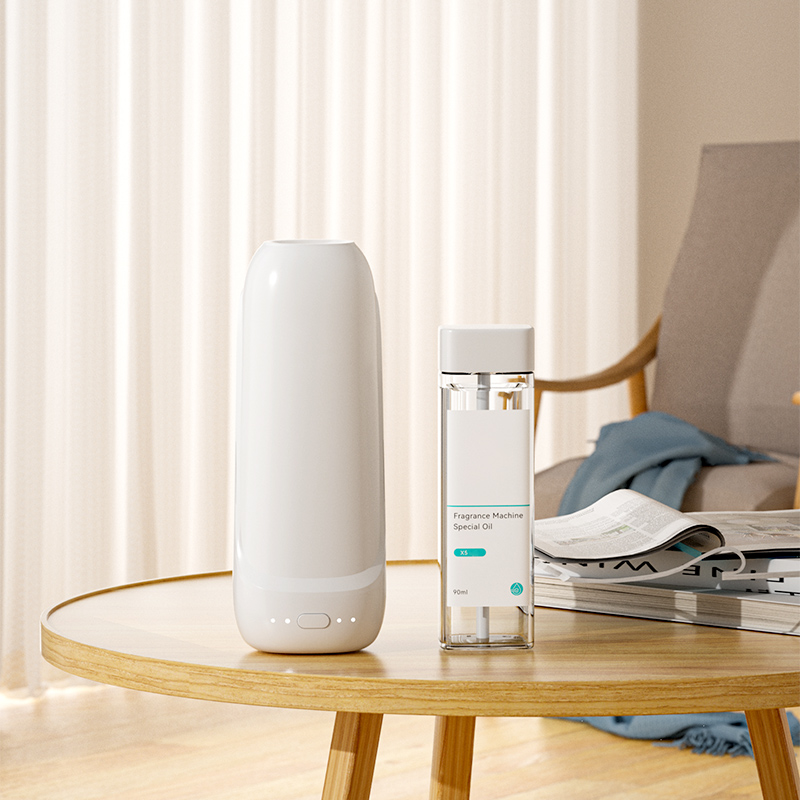
The mechanism used to disperse the oil drastically changes the user experience. Understanding the underlying technology helps you match the device to your specific apartment constraints, maintenance capabilities, and acoustic preferences.
A reliable home diffuser typically relies on ultrasonic technology. A small piezoelectric ceramic disc sits at the bottom of the water reservoir. When powered, this disc vibrates at ultrasonic frequencies—usually around 2.4 million times per second (2.4 MHz). These intense vibrations create capillary waves on the surface of the water, agitating the liquid and essential oil until they break down into microscopic droplets measuring 3 to 5 microns in diameter. A small internal fan then blows this cool mist into the room.
For small rooms, ultrasonic models offer distinct advantages. They operate exceptionally quietly, usually registering under 30 decibels, making them suitable for light sleepers. They also add a negligible but pleasant amount of moisture to the air. This slight humidity boost provides excellent overnight respiratory support in dry, climate-controlled apartments. Furthermore, they are highly affordable and widely available.
However, limitations exist. Ultrasonic models require daily water changes to prevent bacterial growth. If you use hard tap water, calcium and magnesium deposits will quickly coat the vibrating disc, reducing mist output and eventually causing hardware failure. You must use distilled water or commit to frequent cleanings with white vinegar. Additionally, cheap plastic components in low-end models can degrade and leach chemicals when exposed to highly acidic citrus oils over time.
Nebulizing technology operates entirely without water or heat. These devices utilize Bernoulli's principle to atomize the oil. A micro-tube assembly forces pressurized air across a secondary capillary tube submerged in pure essential oil. The resulting pressure drop siphons the oil upward, atomizing it against a glass baffle into millions of micro-particles and blowing them into the room.
The primary benefit for small rooms is the absolute zero added humidity. They maintain a compact physical footprint while delivering the most unadulterated, potent scent profile possible. High-end commercial spaces use nebulizers to replicate luxury hotel scenting because the aroma remains pure, concentrated, and unaltered by water dilution.
The drawbacks are significant for tight spaces. A nebulizer can easily overpower a small room within minutes if not strictly regulated by an interval timer. Because they do not dilute the oil with water, they consume expensive essential oils at a much faster rate. Finally, the internal air pump generates a noticeable motor hum. This mechanical vibration can be highly disruptive in a quiet bedroom, especially if placed on a hollow wooden nightstand that amplifies the sound.
Evaporative models use small fans to blow air across a fibrous pad soaked in essential oil. Heat models use low-temperature warming plates (PTC heaters) to accelerate evaporation. Both methods are generally considered obsolete for serious aromatherapy.
Heat alters the delicate chemical composition of essential oils, destroying their therapeutic properties and degrading the scent profile. Evaporative fan models deliver an inconsistent scent throw. The lighter top notes of the oil evaporate immediately, leaving the heavier base notes behind. This results in a scent profile that changes unpleasantly over an hour. Avoid these technologies for apartment use.
| Technology | Mechanism | Humidity Added | Maintenance Level |
|---|---|---|---|
| Ultrasonic | Piezoelectric vibration (2.4 MHz) | Low to Moderate | High (Weekly vinegar soaks) |
| Nebulizing | Pressurized air (Bernoulli's principle) | Zero | Medium (Alcohol rinses) |
| Evaporative | Fan over scent pad | Zero | Low (Pad replacements) |
Once you understand the technology, you must evaluate the physical housing and feature set. Different apartment zones require different design approaches, material choices, and safety features.
When selecting a bedroom diffuser, aesthetics, stability, and light emission matter. These models target bedside tables, visible living room shelving, and design-conscious apartments where standard plastic appliances look out of place.
Evaluate these models on weight and stability. A heavy stone or ceramic cover lowers the center of gravity, preventing accidental tipping when you reach for your phone in the dark. Look for nontoxic, earthy materials like matte stone or unglazed ceramic. These finishes hide fingerprints and resist the corrosive nature of pure essential oils. Lighting is also a major factor. Prioritize ambient, non-disruptive LED lighting. A soft, warm white nightlight feature (around 2700K) promotes sleep hygiene, whereas harsh RGB color-cycling LEDs disrupt circadian rhythms and keep you awake.
The trade-offs include a heavier footprint and fragility. Ceramic covers require careful handling; dropping one in the sink during routine cleaning usually shatters it.
A true compact aroma diffuser fits seamlessly onto crowded bathroom counters, tight apartment kitchens, and personal desk spaces. These models prioritize function, safety, and footprint over premium aesthetics.
The 100ml capacity is the sweet spot here. Look for narrow cylindrical designs, such as a compact orb or a tall tube shape with a diameter under four inches. These footprints consume minimal horizontal surface area. Auto-shutoff safety mechanisms are non-negotiable. The device must instantly cut power the moment the water level drops below the internal sensor to prevent the ultrasonic plate from overheating and causing a fire hazard.
These utilitarian models often utilize standard plastic housings. While they lack the premium feel of stone, they are lightweight and shatterproof. Ensure the plastic used is Polypropylene (PP) rather than Acrylonitrile Butadiene Styrene (ABS). PP resists chemical degradation from terpenes found in citrus oils, whereas ABS will pit and crack. The primary trade-off is a shorter run time, typically maxing out at three to four hours of continuous use before requiring a refill.
Operating a humidifying or scenting device in a small, enclosed space carries specific environmental and health risks. Proper mitigation ensures a safe experience for your apartment structure and your respiratory system.
Running an ultrasonic model continuously in a closed, small room elevates relative humidity. If the humidity consistently surpasses 60%, you encourage mold growth on window sills, behind furniture, and on drywall. Small apartments often lack cross-ventilation to clear this excess moisture naturally.
Mitigate this risk by utilizing a basic digital hygrometer to monitor ambient room moisture. Keep the room between 40% and 50% humidity. Always utilize intermittent settings rather than continuous output. Most importantly, establish strict weekly cleaning protocols. Empty the reservoir daily. Once a week, wipe the interior with 70% rubbing alcohol or soak it in a 50/50 solution of white vinegar and water for fifteen minutes. Use a cotton swab to gently clean the ceramic disc. This kills mold spores before the device can distribute them into the air.
Diffusing highly concentrated oils like eucalyptus, peppermint, or oregano in a small, unventilated room can cause severe headaches, dizziness, or mucous membrane irritation. The concentration of volatile organic compounds simply becomes too dense for a small volume of air.
To prevent respiratory overload, halve the manufacturer's recommended drop count. If a bottle suggests ten drops, use three to five drops for rooms under 150 square feet. Utilize 15-minute diffusion intervals rather than continuous operation. Open a door slightly to allow air exchange with the rest of the apartment, preventing the VOCs from becoming trapped in a single room.
Even devices marketed as "whisper-quiet" generate noise. You will hear water trickling sounds, which mimic a leaky faucet. You will also experience motor vibrations transferring through hard surfaces like nightstands, turning the furniture into an acoustic amplifier.
Place the unit on a thick silicone mat, a cork coaster, or a folded hand towel. This simple step absorbs the mechanical vibration before it reaches the wood. For light sleepers, strictly prioritize ultrasonic models over nebulizing models, as the air pumps in nebulizers are inherently louder and harder to mask with white noise.
Cats and dogs possess vastly different metabolic pathways than humans. Cats, in particular, lack the liver enzymes (UDP-glucuronosyltransferase) required to process certain phenolic compounds found in essential oils. Diffusing oils like eucalyptus, tea tree, citrus, pine, or peppermint in a small, poorly ventilated apartment causes these toxins to build up in their system, leading to liver failure or severe respiratory distress.
Mitigation requires strict isolation. Never run a device in a room where a pet is confined. Ensure the pet always has an open door to leave the scented area. Consider passive diffusion alternatives, like reed diffusers, in pet-heavy households. Always consult veterinary guidelines before introducing a new botanical scent into an enclosed apartment.
Evaluating the true cost of apartment aromatherapy requires looking past the initial purchase price. You must weigh material longevity against daily operational expenses and hardware failure rates.
Nebulizers demand a higher upfront investment and consume essential oil rapidly. A 10ml bottle might only last a few weeks with regular use. However, they offer potent, immediate results with shorter required run times. Ultrasonics are cheaper to purchase but require constant refilling of both water and oil. Over a year, the cost of high-quality essential oils will far exceed the cost of the hardware itself. Therefore, investing in a unit that maximizes oil efficiency through smart interval timers saves money in the long run.
Analyze the long-term value of buying a high-end, nontoxic resin, glass, or stone model versus replacing a budget-tier plastic model annually. Standard plastics degrade when exposed to the acidic nature of citrus oils. The housing becomes brittle, cracks, and eventually leaks water onto your furniture. Furthermore, the ultrasonic plates in entry-level models frequently burn out within months. Investing in a unit built with medical-grade, BPA-free plastics or inert ceramics ensures the device withstands daily chemical exposure.
Achieving a "luxury hotel" ambiance in an apartment relies on consistency and quality. Pairing a high-quality, durable compact device with affordable, bulk-purchased essential oils yields a better long-term setup. Focus your budget on a reliable hardware base that won't break down, and source pure, third-party tested oils in larger 30ml or 50ml bottles to drive down the cost per milliliter.
The ideal device for tight square footage balances a low-capacity reservoir with robust interval timing features. It utilizes nontoxic materials and features a durable, easy-to-clean housing. By matching the technology to your specific apartment constraints, you avoid the pitfalls of over-humidification, hardware failure, and scent fatigue.
To implement your apartment scenting strategy effectively, follow these next steps:
A: A capacity of 100ml to 150ml is optimal for rooms under 150 square feet. This size outputs enough mist to scent the area effectively without causing moisture buildup, condensation on windows, or overwhelming scent fatigue.
A: Yes. Units exceeding 300ml will output too much water vapor for a small bedroom. This over-humidifies the space, encourages mold growth on drywall, and creates an overwhelmingly strong aroma that can disrupt sleep and cause headaches.
A: Running the device for 30 to 60 minutes is generally sufficient to scent a small space. If you wish to run it for longer durations, you must use intermittent settings (e.g., 30 seconds on, 30 seconds off) to prevent olfactory fatigue.
A: They are excellent for avoiding excess humidity, making them safe for wood furniture and electronics. However, because they output highly concentrated scent, they must be used with strict interval timers in small rooms to avoid overpowering the space.
A: Yes, ultrasonic models add a slight amount of beneficial humidity to dry apartment air. However, in small rooms, you should use half the standard recommended drops of strong oils like eucalyptus or peppermint to prevent respiratory irritation.
A: Inert materials like unglazed ceramic, matte stone, glass, or medical-grade polypropylene (PP) plastics are best. These materials resist the corrosive nature of pure essential oils, preventing chemical leaching and ensuring the device remains structurally sound over time.


