
Views: 0 Author: Site Editor Publish Time: 2026-08-09 Origin: Site


Olfactory branding serves as a non-negotiable pillar of the 5-star guest experience. The moment a guest walks through the revolving doors, ambient fragrance drives an immediate emotional connection. It establishes long-term brand recall and creates the psychological perception of a fresh, clean, and expensive environment. However, many properties make the operational error of deploying consumer-grade aesthetic diffusers in high-traffic, large-scale commercial spaces. These residential units suffer a catastrophic failure rate when subjected to continuous operation. They deliver inconsistent scenting, demand constant manual maintenance, suffer rapid hardware degradation, and introduce safety liabilities through water spills or electrical shorts. A lobby spanning thousands of square feet cannot rely on equipment designed for a bedside table. Evaluating and selecting a commercial-grade system requires strict adherence to technical criteria. Facilities teams must analyze internal pump mechanics, programming capabilities, and integration options to deliver consistent, safe, and scalable ambient scenting without disrupting hotel operations.
Water-based ultrasonic diffusers and evaporative units fail fundamentally in commercial settings. Ultrasonic devices rely on water to carry the oil into the air. This mechanism dilutes the fragrance profile and creates a heavy mist that falls quickly to the ground. In a commercial lobby, this localized humidity creates a wet radius around the device. Over time, this moisture damages expensive wood veneers, creates slip hazards on polished marble floors, and introduces localized mold risks in enclosed spaces. You cannot place these units near sensitive architectural features or high-end textiles without risking permanent water damage.
Residential units require frequent manual refills. A standard 300ml water reservoir evaporates in a few hours. In a 24/7 hotel operation, relying on housekeeping or front desk staff to monitor, clean, and refill multiple units daily creates an unsustainable labor burden. The scent throw remains highly inconsistent. The fragrance smells overpowering immediately after a refill and becomes nearly undetectable hours later. This peak-and-valley effect ruins the ambient experience and frustrates guests who expect a uniform environment.
Aesthetic consumer designs prioritize visual appeal over functional durability. They utilize thin plastics and fragile ceramic shells. When subjected to the rigorous environment of a commercial property, these units crack, discolor, or suffer pump failures within months. They lack the internal engineering required for continuous, high-volume output. Facilities teams end up replacing them constantly, turning a perceived cheap solution into an ongoing operational headache that drains the maintenance budget.
Commercial deployment demands a completely different set of success criteria. The equipment must guarantee continuous, unattended operation for weeks at a time. You need uniform scent distribution across varying square footages, from a 500-square-foot lounge to a 10,000-square-foot open-atrium lobby. Hardware must feature tamper-proof designs, including lockable access doors and hidden control panels. This prevents unauthorized adjustments by guests or untrained staff who might accidentally alter the output settings and flood the room with fragrance.
This is where a purpose-built hotel scent machine proves its operational superiority. These units operate silently in the background, delivering exact fragrance dosages based on precise digital schedules. They integrate directly into the building's infrastructure rather than sitting on a countertop, keeping the technology invisible to the guest.
Commercial standards also dictate the necessity of zonal scenting capabilities. Properties map the guest's emotional journey through the physical space. You deploy fresh, bright, and invigorating citrus profiles in the main lobby to create a welcoming, high-energy impact. As guests transition to the evening lounge, the hardware switches to deep, grounding scents like leather, tobacco, or sandalwood. Finally, calm, restorative profiles featuring lavender or chamomile are deployed in luxury suites and spa corridors to promote relaxation.
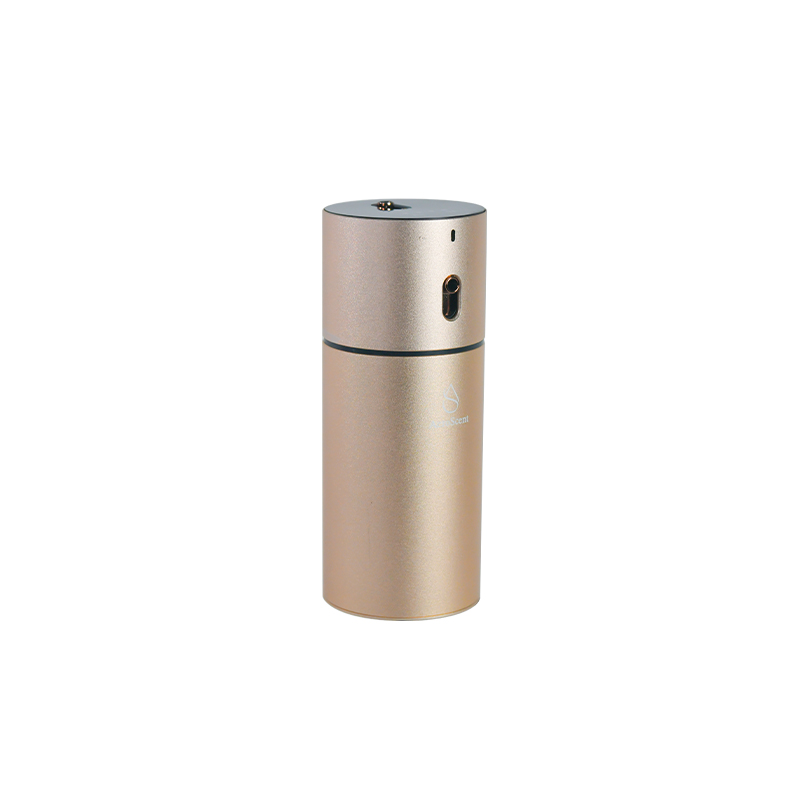
The foundation of commercial scenting relies entirely on cold-air diffusion, also known as nebulization. This technology uses a high-velocity, pressurized air stream to pull the fragrance oil from the reservoir. As the air hits the oil, it shatters the liquid into dry, sub-micron nanoparticles. These particles measure smaller than one micron in diameter. Because they are incredibly light, they do not fall to the ground. They remain suspended in the ambient airflow, circulating naturally throughout the space for hours.
The operational benefits of this technology are absolute. A luxury essential oil diffuser utilizing cold-air technology leaves zero residue on furniture, artwork, or flooring. It uses no water and requires no heat. Heat degrades the delicate chemical compounds of essential oils, altering the intended fragrance profile. Cold-air nebulization preserves the pure, original scent profile exactly as the perfumer intended, ensuring the top, middle, and base notes remain intact.
This method provides maximum square footage coverage. Because the dry mist travels with the natural air currents of the building, a single commercial nebulizer effectively scents thousands of square feet. It penetrates corners and corridors that heavy water-based mist could never reach. The dry mist behaves like a gas, expanding to fill the available volume evenly without creating heavy scent pockets.
Choosing how to deploy the technology depends entirely on the architecture of the space. HVAC-connected systems represent the gold standard for expansive lobbies, multi-floor corridors, and centralized climate-controlled zones. Facilities teams install the scenting unit in the mechanical room. A small Teflon tube connects the nebulizer directly into the supply ductwork, just past the air handler. The building's existing HVAC fan distributes the dry fragrance mist evenly throughout the entire ventilation zone. This ensures perfectly uniform coverage without any visible hardware in the guest-facing areas.
HVAC integration is not always viable. Standalone units serve a specific role in targeted deployments. A premium aroma diffuser functions perfectly in luxury suites, spa treatment rooms, elevator banks, and secondary entrances where ductwork access is limited or nonexistent. These units plug into standard outlets and operate independently of the building's climate control system.
Strategic placement protocols for standalone units dictate their success. You must utilize elevated positioning to optimize natural airflow. Placing a unit high on a shelf or mounted on a wall allows the dry mist to catch the room's air currents, maximizing reach. Elevated placement keeps the equipment out of the direct line of sight and minimizes the risk of accidental tampering by guests, children, or pets.
| Deployment Method | Ideal Use Case | Installation Requirements | Coverage Potential |
|---|---|---|---|
| HVAC Integration | Main lobbies, large corridors, casinos, open atriums | Access to supply ductwork, mechanical room space, continuous fan operation | Extremely High (Up to 10,000+ sq ft per unit) |
| Standalone / Wall-Mounted | Elevator banks, restrooms, spa treatment rooms, luxury suites | Standard electrical outlet, elevated placement for airflow | Medium to High (500 - 2,500 sq ft per unit) |
When evaluating hardware, you must match the micronizer specifications to the actual room volume. Do not rely solely on square footage. Evaluate the cubic footage of the space. A 2,000-square-foot lobby with standard 9-foot ceilings requires vastly different output than a 2,000-square-foot lobby with 25-foot vaulted ceilings. The volume of air dictates the required pump strength and oil consumption rate. Underpowered units will run continuously at maximum capacity and still fail to scent a high-volume atrium.
Programmable intensity levels and dayparting capabilities separate commercial units from consumer toys. A hotel lobby experiences massive fluctuations in foot traffic. The system must feature automated scheduling to increase scent output during the morning checkout rush and the afternoon check-in window. Conversely, the system should automatically scale back output or shut down completely during the overnight hours. This conserves oil and prevents the space from becoming over-saturated when the doors remain closed.
Advanced systems offer multi-event programming. You can set specific intensity levels for different days of the week. Weekend event spaces might require higher output during a Saturday evening gala compared to a quiet Tuesday afternoon. This granular control ensures the scent experience matches the operational reality of the property without requiring daily manual adjustments.
Hardware materials dictate the longevity of the equipment. Essential oils are naturally highly corrosive to cheap plastics. Internal components must utilize commercial-grade polymers like POM (polyoxymethylene) and silicone tubing to withstand continuous exposure to raw fragrance compounds. Metal internal pumps outlast plastic diaphragms significantly, ensuring consistent pressure over years of operation.
Externally, the build must withstand the physical demands of a commercial environment. Look for scratch-resistant anodized aluminum casings and heavy-duty steel mounting brackets. Evaluate the physical footprint carefully. You must have the ability to discreetly mount units behind reception desks or hide them within architectural features. If the unit must be visible, such as a statement piece in a penthouse suite, the exterior finish must match the high-end interior design of the room.
Security features are equally important. Commercial units feature locking mechanisms for the oil reservoir compartment. This prevents theft of expensive fragrance oils and stops unauthorized personnel from tampering with the internal components. The programming interface should also require a passcode or utilize a secure mobile application to prevent accidental changes to the operating schedule.
The logistics of oil delivery systems significantly impact daily operations. Closed-cartridge systems offer the most secure and efficient maintenance protocol. Staff simply unscrew the empty aluminum canister and attach a new, pre-filled one. This process is fast, clean, and prevents unauthorized access to the raw oil. Bulk-pour reservoirs, where staff must pour oil from a jug into the machine's tank, are messy, time-consuming, and carry a high risk of spilling oil on expensive carpets or contaminating the fragrance.
Housekeeping staff should never handle raw fragrance oils. The risk of a spill on a custom Axminster carpet is too high. Instead, implement a strict cartridge exchange program. Engineering staff take sealed, pre-filled aluminum cartridges from a secure storage room, swap them into the machines using a specialized security key, and return the empty cartridges for recycling or bulk refilling in a controlled back-of-house environment.
Analyze the hidden labor associated with maintenance. A proper commercial system utilizing a 500ml or 1000ml reservoir should only require servicing once every 30 to 60 days, depending on the programming schedule. This drastically reduces the burden on the engineering or housekeeping departments. You want a system that operates autonomously between scheduled cartridge swaps.
Always initiate the procurement process through pilot testing. Leverage commercial discovery sets to test different fragrance profiles in the actual environment. Set up a pilot room test with a standalone unit to evaluate hardware reliability, noise levels, and scent longevity over a 14-day period before committing to a property-wide rollout. This testing phase reveals any airflow dead zones or HVAC compatibility issues early in the process.
Safety overrides all other considerations in commercial scenting. Strict adherence to IFRA (International Fragrance Association) compliance is non-negotiable. IFRA sets rigorous global standards for the safe use of fragrance materials. They test compounds for dermal sensitization, respiratory irritation, and environmental toxicity. Using non-compliant oils exposes the property to severe liability and risks triggering guest allergic reactions.
The equipment and the oils must operate within safe indoor air quality parameters. Adhering to strict VOC (Volatile Organic Compound) regulations ensures that the ambient scenting does not degrade the breathable air quality of the hotel. Reputable commercial scent providers supply comprehensive Safety Data Sheets (SDS) for every fragrance deployed on the property. Facilities managers must keep these documents on file to verify compliance during health and safety audits.
Hypoallergenic standards matter deeply in hospitality. Guests have varying sensitivities. Commercial nebulization helps mitigate reactions because it disperses dry particles rather than wet mist, preventing mold growth. However, the chemical composition of the oil itself must be certified safe for continuous inhalation in public spaces.
A common misconception is that commercial properties use 100% pure essential oils. The technical reality makes this highly impractical. Pure essential oils present massive viscosity issues. Some oils, like vetiver, are incredibly thick and will clog a commercial micronizer. Others, like citrus oils, are highly volatile and evaporate too quickly. Pure essential oils vary wildly in scent profile from crop to crop, making it impossible to maintain brand consistency across global hotel locations.
Premium properties use highly engineered synthetic-natural fragrance blends. These blends utilize natural extracts for depth and complexity, combined with safe synthetic molecules to ensure scent stability, consistent viscosity, and reliable lasting power. This precise engineering prevents the harsh, synthetic chemical smell associated with lower-tier retail oils. It guarantees that a hotel in New York smells exactly the same as its sister property in Tokyo.
When evaluating a fragrance vendor, request a breakdown of the top, middle, and base notes. Citrus top notes like bergamot or yuzu evaporate quickly, providing the initial impact when a guest enters the lobby. Middle notes like jasmine or black pepper form the core identity of the scent. Base notes like cedarwood, amber, or vetiver provide the lasting power. A poorly constructed blend will lose its top notes within minutes, leaving a flat, heavy base note that smells stale.
Developing a signature scent represents the pinnacle of olfactory branding. Top-tier chains formulate custom blends to create highly addictive, luxurious brand associations. Whether you commission a custom formulation or select a premium off-the-shelf blend, the fragrance must align perfectly with the visual and tactile design of the property. The scent becomes an invisible logo, instantly recognizable to returning guests.
| Oil Type | Viscosity & Flow | Scent Consistency | Commercial Viability |
|---|---|---|---|
| 100% Pure Essential Oils | Highly variable; prone to clogging pumps | Inconsistent across different crop yields | Low (Difficult to scale globally) |
| Synthetic-Natural Blends | Engineered for perfect nebulization | 100% consistent batch-to-batch | High (Industry standard for hotels) |
Integrating scent into an existing HVAC system carries specific technical risks. The primary risk is scent loss within the ductwork. If the injection point is too far from the supply vents, the fragrance particles may settle before reaching the guest area. Uneven distribution often occurs due to complex HVAC zoning or variable air volume (VAV) systems that restrict airflow during certain times of the day.
To mitigate these risks, mandate comprehensive pre-installation airflow audits. Facilities engineering teams must map the ductwork, measure static pressure, and identify the optimal strategic injection points. The HVAC fan must be programmed to run continuously. If the fan cycles off while the scent machine runs, the fragrance will pool inside the ductwork. This potentially damages the metal and causes an overwhelming blast of scent when the fan finally kicks back on.
When tapping into the ductwork, facilities engineers must locate a straight run of supply duct at least six feet downstream from the air handling unit (AHU) and any heating or cooling coils. Injecting scent too close to the coils can cause the fragrance oils to condense on the cold metal fins, creating a sticky residue that traps dust and restricts airflow. The injection tube must be secured with a rubber grommet to prevent air leaks and maintain the static pressure of the HVAC system. Proper installation by trained technicians eliminates the vast majority of HVAC scenting failures.
Scent fatigue, or olfactory adaptation, poses a massive risk to the guest experience. The human nose quickly adapts to a constant smell, causing it to fade into the background. When hotel staff experience scent fatigue, they often mistakenly believe the machine is broken or empty. They manually increase the intensity, resulting in a heavily over-scented environment that alienates guests and leads to immediate complaints.
Mitigation requires strict reliance on automation. Utilize the micro-dosing capabilities of the hardware. Program the system for automated on/off cycling. For example, set the machine to run for two minutes and rest for three minutes. This cycling prevents olfactory adaptation, keeping the scent fresh to the nose. Strategic placement of a standalone luxury diffuser in transition zones rather than static seating areas also helps maintain a subtle, ambient scent threshold without overwhelming the space.
Train your staff on the realities of scent fatigue. Establish a strict policy that only designated facilities managers can adjust the output settings. Lock the control panels to enforce this rule. Rely on the initial calibration settings established during the pilot testing phase, as these were determined with fresh noses.
To execute a flawless commercial scenting strategy, take the following immediate actions:
A: A standard ultrasonic diffuser uses water to create a heavy mist, diluting the fragrance and leaving moisture residue that can damage commercial interiors. A luxury commercial unit uses cold-air nebulization to break pure fragrance oil into dry, sub-micron nanoparticles. This requires no water, leaves zero residue, and provides vastly superior square footage coverage.
A: Coverage depends heavily on the specific model, pump strength, and ceiling height. Standalone commercial units typically cover between 500 and 2,500 square feet. Advanced HVAC-integrated systems can effectively scent massive spaces exceeding 10,000 square feet by utilizing the building's existing ventilation airflow to distribute the dry mist.
A: Yes, provided the property uses high-quality, IFRA-compliant fragrance oils. Cold-air technology disperses dry nanoparticles that do not introduce mold-causing humidity into the environment. Adhering to strict IFRA standards ensures the oils are rigorously tested against respiratory irritants and dermal sensitizers, making them safe for public spaces.
A: Yes. Commercial-grade units are specifically designed for HVAC integration. Technicians connect a small Teflon tube from the nebulizer directly into the supply ductwork. The building's HVAC fan then distributes the dry fragrance mist evenly throughout the designated climate-control zone, hiding the hardware entirely from guests.
A: Refill frequency depends on the reservoir size, the cubic footage of the space, and the programmed operating schedule. A commercial unit equipped with a 500ml cartridge running a standard 12-hour daily schedule typically requires a cartridge replacement only once every 30 to 45 days.
A: Standalone units should be placed in elevated positions, such as mounted high on a wall or placed on tall shelving. This optimizes the unit's ability to catch natural air currents for better distribution while keeping the hardware safely out of reach of guests, children, and pets.


