
Views: 0 Author: Site Editor Publish Time: 2026-08-12 Origin: Site


Traditional home fragrancing methods like candles, reed diffusers, and manual plug-ins introduce soot, airborne paraffins, and fire risks into your living space. Modern homeowners demand automated scent management to create a controlled ambiance without these hazards. A smart essential oil diffuser solves this by delivering precise, scheduled aromatherapy. However, consumers often struggle to differentiate between a genuinely integrated smart device and a basic diffuser with a poorly functioning companion app. This confusion leads to wasted investments, aesthetic clashes, and maintenance fatigue. You need a clear framework for evaluating hardware reliability, software connectivity, aesthetic integration, and daily operational realities. This guide breaks down exactly how to select a device that aligns with your specific household needs, ensuring you get actual automation rather than just another frustrating gadget.
Differentiating a true smart device from a traditional model requires looking past basic countdown timers. A standard diffuser runs until the tank is empty or a simple three-hour timer expires. A genuine smart scent machine offers granular scheduling capabilities based on a real-time clock. You can program specific days, exact hours, and varying intensity levels throughout a single 24-hour cycle. For example, you can set the unit to run at 30% intensity from 6:00 AM to 8:00 AM, shut off completely while you are at work, and kick back on at 70% intensity at 5:30 PM.
Remote intensity adjustment allows you to increase or decrease the scent throw from your smartphone while away from home. Advanced units feature real-time fluid monitoring using capacitive sensors, preventing the device from running dry and protecting the internal components from overheating. Native voice assistant integration with platforms like Alexa, Google Assistant, or Apple HomeKit turns the device from a standalone appliance into a fully integrated home automation node. You can trigger the unit using local network protocols simply by speaking a command.
The approach to home fragrancing has shifted from localized, manual scenting to whole-room automated environments. Previously, achieving a consistent scent required lighting multiple candles or manually flipping reeds every few days. Today, intelligent systems manage the olfactory environment automatically. They adapt to your daily routines, ensuring the entryway smells inviting when you arrive from work and the bedroom transitions to a relaxing lavender profile right before sleep. This shift represents a move toward environmental control, treating scent as a customizable utility similar to smart lighting or climate control.
Technology must blend with interior design. A modern device cannot look like a piece of clinical medical equipment or cheap plastic hardware. Premium materials such as ceramic, frosted glass, brushed aluminum, and sustainably sourced wood are standard in high-end models. Customizable ambient LED colors add a visual layer to the sensory experience, allowing the device to function as a subtle accent light. The physical footprint must complement rather than clutter a modern living space. Minimalist designs ensure the hardware enhances the room's decor even when powered off.
Ultrasonic technology remains the most popular choice for residential applications. These devices utilize a piezoelectric transducer—a small ceramic disc located at the base of the water reservoir. When voltage is applied, this disc changes shape rapidly, vibrating at high frequencies, typically around 2.4 million times per second (2.4 MHz). These rapid sound waves agitate the water, causing cavitation. The water and essential oil break down into microscopic particles, and a small internal fan expels this fine mist into the air.
The advantages of ultrasonic hardware are substantial. They are highly energy-efficient, drawing only about 3 to 5 watts of power during operation. The process is virtually silent, making them ideal for bedrooms and home offices. They double as localized humidifiers, adding slight moisture to dry indoor air. However, they require strict maintenance. You must clean the reservoir every two to three days to prevent mold and bacteria buildup. The mist also dilutes the scent throw compared to waterless methods, and they require constant water refills. Using distilled water is highly recommended to prevent white mineral dust (calcium carbonate) from settling on your furniture.
Nebulizing technology operates on the Venturi effect and Bernoulli's principle. These devices use a pressurized air pump to force air through a small micro-tube. As the high-velocity air passes over a secondary tube containing pure essential oil, it creates a vacuum. This vacuum pulls the oil to the surface, where the high-speed air blasts it against a glass baffle, atomizing it into an ultra-fine, dry mist. This process requires absolutely no heat or water.
The primary benefit is a potent, unadulterated scent throw. Because the oil is not diluted with water, the fragrance fills large spaces rapidly. There are zero water-related mold risks, making maintenance less frequent. This makes nebulizers ideal for larger living spaces and high-end residential applications. The downsides include a higher upfront cost and increased oil consumption, which raises the ongoing operational expense. Furthermore, the pressurized air pump produces a noticeable humming noise, which may be distracting in quiet environments. Oil viscosity also plays a role; thick oils like vetiver or patchouli can clog the micro-tubes, while thin oils like sweet orange atomize perfectly.
Older technologies like evaporative fans and heat-based warmers are largely obsolete in the smart home context. Evaporative systems use a fan to blow air through a pad soaked in essential oils. Heat-based systems use a warming element to gently boil the oil. Both methods alter the chemical composition of the essential oils, degrading their therapeutic properties. Heat destroys the delicate volatile compounds in the oil. They also lack the precise control mechanisms required for modern smart integration and are not recommended for automated setups.
| Feature | Ultrasonic | Nebulizing |
|---|---|---|
| Mechanism | Piezoelectric transducer (Water + Oil) | Venturi effect / Air pump (Pure Oil) |
| Scent Potency | Moderate (Diluted) | High (Undiluted) |
| Noise Level | Virtually Silent (<30dB) | Noticeable Hum (40-50dB) |
| Maintenance | High (Clean every 2-3 days) | Low (Periodic alcohol flush) |
| Mold Risk | Yes (If left uncleaned) | No (Waterless) |
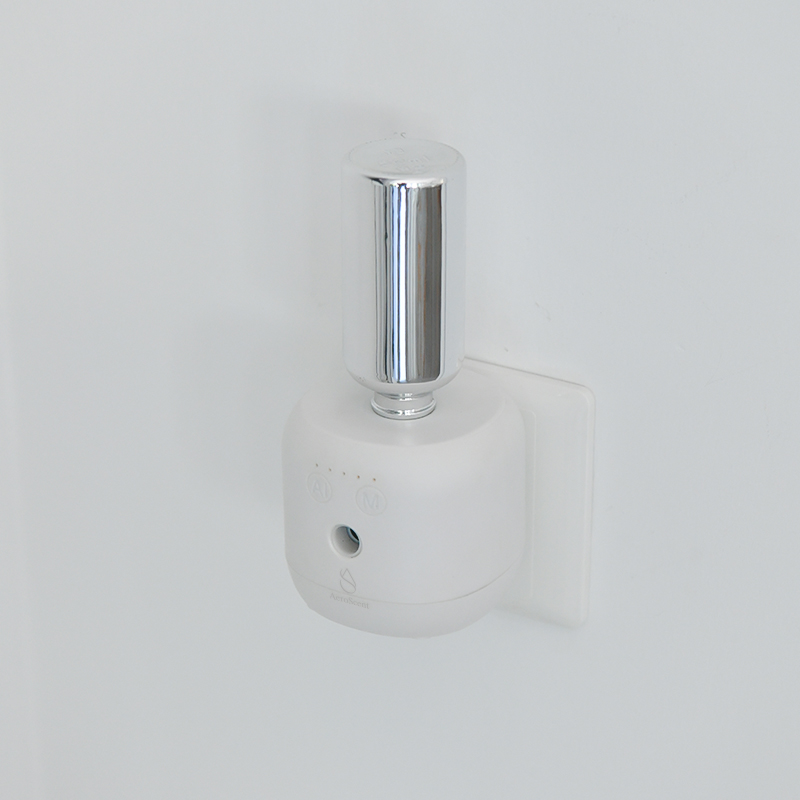
The most common implementation risk for smart home devices revolves around network connectivity. The vast majority of IoT radios, including those inside any reliable wifi aroma diffuser, only have 2.4GHz antennas to save space and power. The 2.4GHz frequency offers superior range and better wall penetration compared to the faster 5GHz band. Modern dual-band mesh routers often combine these frequencies under a single network name (SSID). When your phone is connected to the 5GHz band and tries to pass Wi-Fi credentials to the diffuser, the pairing process fails.
Mitigation strategies include logging into your router's admin panel to temporarily disable the 5GHz band or setting up a dedicated guest network strictly for 2.4GHz IoT devices. Alternatively, you can use the "walk away" trick: walk 50 to 100 feet away from your house until your phone drops the shorter-range 5GHz signal and connects to the 2.4GHz band, then initiate the pairing process in the app.
The companion application dictates the daily user experience. A poorly designed app renders the smart hardware useless. When evaluating an app diffuser, look for specific features built on fast MQTT protocols. Customizable scheduling is non-negotiable. Variable intensity controls allow you to adjust the output based on room occupancy. The app must provide "empty tank" push notifications. This prevents the device from running dry and alerts you exactly when maintenance is required. Look for apps that allow you to save specific scent profiles, so you can switch between a "Focus" setting during work hours and a "Relax" setting in the evening with one tap.
True automation occurs when devices communicate with each other. Integrating the diffuser into broader smart home routines unlocks its full potential. For example, you can create a routine where your smart lock registers your arrival, triggering the hallway lights to turn on and the diffuser to start dispersing your favorite welcoming scent. You can tie the diffuser to your smart thermostat; when the heat kicks on and dries out the air, the ultrasonic diffuser activates to add moisture and scent. Compatibility with platforms like IFTTT, Alexa Routines, or Apple Shortcuts allows for these complex, multi-device triggers.
Matching device specifications to your room size prevents underwhelming results. Placing a small unit in a vaulted living room will result in a barely noticeable scent. For spaces exceeding 1,000 square feet, you need a high-capacity nebulizing system or an HVAC-integrated unit. HVAC units connect directly to your home's ductwork, utilizing the central air fan to distribute micro-mist evenly across multiple rooms. Always verify the manufacturer's stated square footage coverage against your actual floor plan.
| Room Size (Sq. Ft.) | Recommended Technology | Minimum Capacity |
|---|---|---|
| Under 200 | Ultrasonic | 100ml - 200ml tank |
| 200 - 500 | Ultrasonic | 300ml - 500ml tank |
| 500 - 1,000 | Standalone Nebulizer | 50ml pure oil bottle |
| Over 1,000 | HVAC Integrated Nebulizer | 500ml+ pure oil bottle |
The market is divided between open-reservoir systems and proprietary capsule-based models. Capsule systems operate on a "razor and blade" business model. The hardware is often sold at a competitive price, but you must continually purchase specific scent pods from the manufacturer.
Open-reservoir systems allow you to use any brand of essential oil, providing ultimate flexibility and lower long-term costs, though they require manual filling and cleaning.
Placement heavily depends on sensory impact. Acoustic tolerance varies by room. Ultrasonic models operate below 30 decibels and are highly recommended for bedside tables. Their silent operation will not disrupt sleep, and their optional LED colors can serve as a gentle nightlight. Nebulizing models, due to the mechanical hum of their air pumps (often 40-50 decibels), are better suited for living rooms, kitchens, or hallways where ambient background noise easily masks the sound. Consider the visual ambiance as well; a device with aggressive, non-dimmable LED lights may be disruptive in a bedroom but perfectly acceptable in a brightly lit kitchen.
Realistic upkeep is required to maintain air quality and device functionality. Neglecting an ultrasonic unit leads directly to aerosolized bacteria. Stagnant water and organic plant oils create a perfect breeding ground for mold. You must follow a strict cleaning protocol to keep the unit safe.
Nebulizing units require less frequent cleaning but need a monthly flush. You must run rubbing alcohol through the system for ten minutes to dissolve sticky oil resins from the micro-tubes and prevent clogs.
Essential oil toxicity is a serious safety topic. Cats lack the liver enzyme UGT1A6, making them unable to metabolize phenols and terpenes. Oils like tea tree, eucalyptus, peppermint, and citrus are highly toxic to felines. Dogs are highly sensitive to pine, wintergreen, and ylang-ylang. Smart scheduling serves as a powerful mitigation tool here. You can program the device to run only when vulnerable pets or children are out of the room. Always ensure the room has adequate ventilation. Despite these precautions, switching from paraffin-heavy candles to pure essential oil diffusion generally provides significant respiratory benefits by eliminating airborne soot and synthetic phthalates.
Understanding hardware limitations helps manage expectations. The ceramic oscillating disc in ultrasonic models has a finite lifespan, typically degrading after 3,000 to 5,000 hours of use. Using distilled water instead of hard tap water prevents mineral scale buildup, significantly extending the disc's life. In nebulizing models, the primary risk is clogging. Using thick, viscous oils without regular alcohol flushes will eventually block the pressurized micro-tubes, requiring manual intervention or part replacement.
A: Almost all smart diffusers require a 2.4GHz Wi-Fi connection. IoT devices utilize the 2.4GHz band because it offers superior range and easily penetrates walls and floors. If you have a dual-band router, you may need to temporarily disable the 5GHz band during the initial setup process to ensure successful pairing.
A: Connectivity depends on the specific manufacturer. While Alexa and Google Assistant integrations are highly common, native Apple HomeKit support is rarer. However, with the rollout of the Matter smart home standard, more devices are becoming universally compatible across all major ecosystems, including Apple HomeKit.
A: It depends on your priorities. Waterless nebulizing machines provide a much stronger, undiluted scent and carry zero mold risk, making them better for large spaces. However, they are louder, consume oil faster, and cost more upfront. Ultrasonic diffusers are quieter, double as humidifiers, and are more beginner-friendly.
A: You should empty and wipe down an ultrasonic diffuser every 2 to 3 days. Because they use standing water mixed with organic oils, neglecting maintenance allows mold and bacteria to grow, which the device will then aerosolize into your air. A deep clean with vinegar is recommended weekly.
A: If you purchase an open-reservoir ultrasonic or nebulizing diffuser, you can use any brand of pure essential oil. However, if you purchase a proprietary capsule-based smart diffuser, you are locked into buying specific scent pods exclusively from that manufacturer.
A: No. Unlike traditional candles that introduce open flames and airborne paraffins, smart diffusers are incredibly safe. They feature automatic shut-off sensors that instantly cut power when the water or oil level drops too low, completely eliminating the fire hazards associated with traditional home fragrancing methods.


