
Views: 0 Author: Site Editor Publish Time: 2026-08-16 Origin: Site


The evolution of spatial scenting has shifted from localized, temporary solutions to permanent, architectural fragrance integration in both residential and commercial spaces. Traditional diffusers rely on heat or water dilution, resulting in inconsistent scent distribution, altered fragrance profiles, limited square-footage coverage, and high daily maintenance requirements. Property owners and facility managers frequently struggle with units that fail to push scent beyond a single room or leave damaging moisture on surrounding surfaces. Evaluating whether upgrading to an aroma 360 machine is a justified investment requires a technical comparison of cold-air diffusion technology, HVAC compatibility, aesthetic integration, and long-term operational ease against conventional ultrasonic or heat-based alternatives. We will examine the exact mechanics of nanoparticle atomization, outline the physical requirements for tying these units into existing ductwork, and break down the daily realities of managing proprietary oil ecosystems.
Defining commercial-grade scenting requires looking beyond mere fragrance delivery. Success in spatial scenting hinges on consistency, extended hang-time, profile accuracy, and a minimal aesthetic footprint. Achieving these benchmarks demands a departure from traditional consumer-grade mechanisms.
Cold-air nebulization operates on precise fluid dynamics, specifically leveraging the Bernoulli principle. Instead of relying on evaporation or heat, a 360 degree scent diffuser uses highly pressurized air to force essential and aroma oils through a microscopic nebulizing nozzle. As the high-velocity air passes over the oil feed tube, it creates a vacuum that pulls the oil upward, shearing it against a baffle. This process breaks the liquid down into a dry micro-mist consisting of nanoparticles, typically measuring less than one micron in diameter. Because no heat or water is introduced, the chemical structure of the fragrance remains entirely intact from the reservoir to the room.
Nanoparticle atomization drastically increases the hang time of the scent. Traditional vapor droplets are heavy and fall quickly to the ground, often within a few feet of the unit. In contrast, atomized nanoparticles are lighter than air. They ride natural ambient air currents, staying suspended for hours without leaving any oily residue on furniture, hardwood floors, or delicate fabrics. This dry delivery method ensures the fragrance permeates the space evenly, reaching corners that standard units cannot touch.
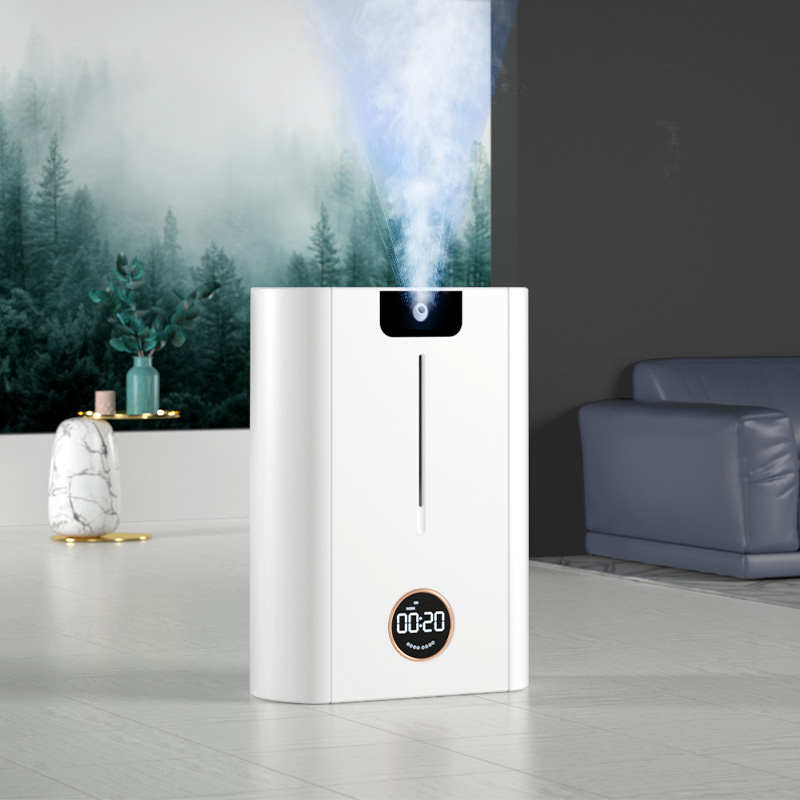
Beyond performance, these devices offer a distinct design advantage. Traditional diffusers often feature clunky plastic housings and glowing LED lights that clash with sophisticated interiors. Modern cold-air systems utilize sleek, architectural hardware profiles. Machined metals, matte finishes, and minimalist silhouettes allow these units to integrate seamlessly into high-end decor, functioning as subtle design elements rather than obvious appliances.
Adding water to fragrance oils creates a fundamental dilution effect. Ultrasonic diffusers require oils to float on top of a water reservoir. As the ultrasonic plate vibrates at high frequencies, it disperses a mixture of water vapor and oil. This uneven distribution alters the intended olfactory profile. Users typically experience a strong burst of top notes immediately, followed by a weak, watered-down scent as the oil depletes faster than the water. Furthermore, the ultrasonic plate is prone to calcification from hard water, requiring constant scrubbing to maintain output.
Heat-based diffusers introduce a different set of problems. Essential oils are highly volatile compounds. Exposing them to continuous warming methods causes rapid chemical degradation. Heat destroys the delicate therapeutic properties of the oils and often results in a burnt or synthetic smell as the bottom notes bake onto the heating element.
Continuous ultrasonic water vapor output also creates localized humidity issues. Running a water-based diffuser daily in a confined space increases moisture levels around the unit. Over time, this localized dampness can warp wooden furniture, damage nearby electronics, and create an environment susceptible to mold growth, making them entirely unsuitable for continuous, long-term ambient scenting.
| Diffusion Technology | Delivery Mechanism | Residue Risk | Fragrance Integrity | Coverage Potential |
|---|---|---|---|---|
| Cold-Air Nebulization | Pressurized air atomization | None (Dry Mist) | 100% Preserved | Up to 5,000+ sq. ft. |
| Ultrasonic | Water vibration | High (Moisture/Scale) | Diluted / Altered | 100 - 400 sq. ft. |
| Heat Evaporation | Thermal warming | Low to Medium | Degraded / Burnt | 50 - 200 sq. ft. |
Mapping hardware capabilities to specific square-footage requirements and architectural layouts dictates the success of the installation. A system designed for a studio apartment will fail in an open-concept commercial lobby, just as an industrial unit will overpower a small bedroom.
Entry-level professional models and starter kits are engineered for targeted coverage, typically handling spaces around 600 to 1,000 square feet. These units bridge the gap between consumer diffusers and industrial machines. They are ideal for primary bedrooms, reception desks, or specific high-traffic zones where localized impact is desired without integrating into the building's central air system.
Selecting a standalone unit requires balancing portability with power. A compact aesthetic footprint allows the device to sit unobtrusively on a bookshelf or side table. However, this smaller size limits the internal pump capacity and oil reservoir volume. While they deliver instant ambient impact upon powering on, they require more frequent oil refills and cannot push scent through multiple rooms or complex floor plans separated by closed doors.
Connecting a fragrance system directly to an HVAC duct network transforms how a building smells. HVAC integration involves installing the atomization unit near the air handler. A small, flexible tube is inserted into the supply duct. When the HVAC fan runs, the dry scent mist is carried through the ductwork, distributing the fragrance evenly through every vent in the building. This method guarantees uniform scenting across thousands of square feet.
Mid-to-high-tier units often feature crossover utility. They combine the ease and portability of a standalone unit with the power and consistency of HVAC integration. Users can start by running the device as a freestanding tower in a living room and later mount it to their furnace for whole-home coverage as their needs evolve.
HVAC safety remains a primary concern for property owners. Because cold-air atomization creates a completely dry mist, the oils do not condense or leave a sticky residue inside the ductwork. This preserves duct integrity and prevents dust buildup. When evaluating proprietary systems against other whole-home HVAC diffusers, buyers must ensure the unit includes a built-in fan to push the mist into the airflow stream, preventing any backflow into the machine itself.
Here is the standard field procedure for integrating a unit into an HVAC system:
Digital controls translate directly to operational efficiency and the prevention of olfactory fatigue. Advanced scheduling ensures fragrance is only dispersed when the space is occupied, maximizing the lifespan of consumables.
Manual operation of traditional diffusers is highly inefficient. Users turn them on, forget about them, and empty the reservoir within hours. A smart aroma machine replaces manual switches with digital scheduling. Users can program specific operating windows, ensuring the machine only runs during business hours or when the family is awake, drastically reducing oil waste.
Micro-adjustments are necessary for preventing scent blindness, a phenomenon where the human nose becomes desensitized to a constant smell. Advanced systems allow users to set precise duty cycles, such as running the pump for 30 seconds and pausing for 60 seconds. This intermittent dispersal keeps the fragrance noticeable and fresh to occupants while conserving the oil supply.
| Space Size | Recommended Work Cycle | Recommended Pause Cycle | Expected Intensity |
|---|---|---|---|
| Small (Under 500 sq. ft.) | 15 Seconds | 60 Seconds | Subtle / Background |
| Medium (500 - 1,500 sq. ft.) | 30 Seconds | 60 Seconds | Moderate / Noticeable |
| Large (1,500+ sq. ft.) | 60 Seconds | 30 Seconds | Strong / Immersive |
The scenting industry has largely shifted from traditional pour-in bottles to proprietary, brand-specific oil pods. This business model streamlines the user experience by eliminating messy pouring and measuring. Pod-based systems snap into place, reducing the risk of spills and ensuring the correct viscosity is always used in the machine.
Quality and safety standards vary wildly in the fragrance market. Proprietary oils designed for premium machines are typically formulated to strict International Fragrance Association (IFRA) compliance standards. These formulations account for volatile organic compound (VOC) emissions and pet safety, providing a safer ambient environment compared to unverified, off-the-shelf essential oils that may contain harmful synthetic fillers.
Buyers must weigh the convenience of pre-packaged signature oils against the inherent vendor lock-in of pod-based systems. Purchasing a machine that only accepts proprietary pods means committing to that brand's fragrance library for the lifespan of the device. Users lose the flexibility to source independent or custom-blended oils.
Addressing common user friction points, hardware failures, and shipping vulnerabilities is necessary for long-term viability. High-end scenting equipment requires precise handling to function correctly.
Documented industry complaints frequently highlight oil leakage in premium diffusers. Often, these issues originate during transit. Oils arriving damaged or leaking inside tied-up bags present a severe risk. If a user installs a bottle that has leaked onto its exterior threads, that oil can seep into the internal mechanics, short-circuiting the motherboard or ruining the air pump before the machine is even turned on.
Operational root causes of leaks usually stem from user error. Improper installation, cross-threading the oil canister, overfilling the reservoir past the maximum fill line, or tipping the machine while oil is inside will cause immediate internal flooding. Additionally, the rubber O-rings that seal the bottle to the nozzle can degrade over time and must be inspected regularly.
Implementing a strict framework for inspecting hardware and consumables upon delivery prevents catastrophic failures. Users must wipe down all bottles, ensure the O-ring is seated correctly, and verify the oil reservoir is securely attached and perfectly vertical before connecting the power supply.
Maintenance requirements differ drastically between technologies. Ultrasonic diffusers require daily water-dumping and wiping to prevent mold and hard water scale buildup. In contrast, cold-air nebulizers demand less frequent but more technical maintenance, typically on a monthly basis or whenever changing fragrance profiles.
The exact protocol for cleaning a fragrance system involves flushing the nebulizing nozzle to prevent clogging.
Follow these steps for monthly maintenance:
This process dissolves any thickened essential oil residue inside the microscopic nozzle, preventing internal pressure buildup, subsequent leaking, and premature motor burnout.
Balancing upfront capital expenditure with long-term operational ease is the defining factor when upgrading scenting technology. The initial investment must be weighed against daily performance and durability.
The baseline cost of traditional diffusers is relatively low, making them accessible for casual use. However, these units feature limited lifespans, fragile internal ultrasonic plates, and cheap plastic exteriors. Professional cold-air machines represent a significantly higher initial hardware investment. This premium accounts for commercial-grade air pumps, machined aluminum or steel housings, and advanced digital motherboards capable of precise scheduling.
Durability and aesthetic value play a major role in justifying this premium. High-end units are built to run continuously for years without degrading. Furthermore, premium manufacturers typically offer robust warranty standards and dedicated customer support, ensuring the hardware investment is protected against manufacturing defects.
Evaluating long-term consumable costs requires calculating the estimated monthly consumption of proprietary fragrance oils. Consumption rates depend entirely on the average daily run times and the intensity settings programmed by the user. Running a machine at maximum intensity for 12 hours a day will deplete a standard bottle rapidly, resulting in higher ongoing operational expenses.
The financial impact of subscription models must be scrutinized. Many brands offer the upfront appeal of starter kits at reduced rates, provided the user commits to a monthly oil subscription. Buyers must evaluate whether this contractual lock-in aligns with their actual usage rates, ensuring they do not stockpile unused oils or overpay for automated deliveries they do not need.
An aroma 360 machine is a fundamentally different technological approach to environmental scenting compared to standard consumer units. By utilizing cold-air nebulization, these systems preserve fragrance integrity, eliminate water-based humidity issues, and provide scalable coverage from single rooms to massive commercial floor plans. Traditional diffusers remain suitable for localized, short-term aromatherapy sessions where exact scent profiles and wide coverage are not priorities. However, cold-air HVAC and standalone systems are the definitive choice for users requiring consistent, whole-home, or commercial ambient scenting with minimal daily intervention.
To ensure a successful implementation, execute the following steps:
A: No. Cold-air diffusion utilizes pressurized air to atomize oils into microscopic nanoparticles. This creates a completely dry mist that is lighter than air. Unlike heavy water-based vapor from ultrasonic diffusers that falls and settles on surfaces, nanoparticles stay airborne and circulate with your ambient air currents, leaving no oily residue on furniture, floors, or fabrics.
A: Using unapproved or off-the-shelf essential oils often voids the manufacturer's warranty. Cold-air nebulizers require oils with specific viscosities to prevent the microscopic nozzle from clogging. Thick resins or heavily diluted oils can damage the internal pump. It is highly recommended to use the brand's approved fragrance oils or proprietary pods to ensure optimal performance and longevity.
A: Yes, when installed correctly. The standard installation involves inserting a small tube into the supply duct past the air filter. Because cold-air atomization produces a dry, residue-free mist, it does not coat the inside of your ductwork or damage HVAC components. Always ensure the unit has a built-in fan to push the scent into the airflow stream.
A: Leaks are almost always caused by user error or shipping damage. Common causes include tilting the machine while oil is inside, overfilling the canister past the maximum line, failing to clean a clogged nozzle, or installing oils that leaked onto the bottle threads during transit. Always keep the unit perfectly upright and inspect O-rings regularly.
A: Consumption rates vary based on your settings. On average, a standard 120ml bottle will last approximately 30 days when run for 8 to 10 hours a day at a medium intensity setting, such as 30 seconds on and 60 seconds off. Increasing the intensity or run time will deplete the oil much faster.
A: High-quality proprietary oils are generally formulated to comply with IFRA standards, making them safe for ambient scenting around pets and children. However, ambient scenting is different from direct inhalation or topical application. Always review the specific safety data sheets for each oil, ensure the space is well-ventilated, and consult a veterinarian regarding specific essential oil toxicities for pets.


