
Views: 0 Author: Site Editor Publish Time: 2026-08-15 Origin: Site


Optimizing personal workspaces for cognitive performance and stress reduction requires precise environmental controls. Your office scent subtly reflects your professional personality and work style. It makes the choice of an aromatherapy device a matter of personal branding and daily wellness. However, introducing fragrances into a professional setting creates distinct friction. You must balance personal focus benefits with strict constraints regarding electronics safety, shared-air etiquette, and maintenance overhead.
Selecting the right device requires moving beyond aesthetic preferences. You must evaluate diffusion technology, acoustic output, and spatial footprint. This analytical process helps you find a truly practical solution for your daily workflow. Ultimately, identifying the best essential oil diffuser for small office environments transforms a standard desk into a highly optimized productivity zone without disrupting your colleagues or damaging your equipment.
Small offices typically range from 50 to 150 square feet. These environments include enclosed huddle rooms, private managerial suites, and partitioned open-plan cubicles. Space remains a premium commodity in all these scenarios. You need a compact diffuser that does not obstruct dual-monitor setups, physical document trays, or ergonomic keyboard placements. A bulky unit quickly becomes a physical hindrance rather than a wellness tool. When dealing with motorized standing desks, the footprint becomes even more critical, as the unit must remain stable during elevation changes.
Placement protocols vary significantly based on your specific architectural layout and airflow dynamics. In an enclosed private space, choose a central location away from direct HVAC extraction vents. This positioning ensures even aromatic molecule dispersion throughout the room without the scent being immediately sucked into the return air duct. For shared cubicles, position the device in a localized corner. Direct the output nozzle toward your immediate breathing zone. This targeted approach prevents the scent plume from drifting into adjacent workstations and causing unintentional distractions.
Office equipment must operate within acceptable decibel (dB) limits to maintain a productive atmosphere. Standard ambient office noise usually hovers around 45 to 50 dB. Your aromatherapy device should operate well below this threshold, ideally under 30 dB. Motor hum, water trickling sounds, and air pump vibrations severely impact deep work. These acoustic interruptions break concentration during complex analytical tasks, coding sessions, or detailed financial reviews.
Furthermore, these sounds easily bleed into video conferencing audio. Modern desktop microphones and headset boom mics often pick up high-frequency mechanical whining or rhythmic bubbling. Evaluate the acoustic profile of any device before permanent installation. Continuous irregular sounds disrupt concentration far more than consistent white noise. A device that sounds soothing in a quiet bedroom might prove highly irritating during a stressful workday when you are trying to focus on a client call.
Dispersing micro-water droplets near laptops, network servers, and mechanical keyboards introduces significant operational risk. Moisture accumulation leads to hardware oxidation and potential short circuits over time. Mineral deposits from unfiltered tap water can coat sensitive optical sensors, clog cooling fan bearings, and leave a hazy film on high-resolution monitor screens. You must define the necessity for directional nozzles to steer vapor away from sensitive gear.
Alternatively, prioritize moisture-free diffusion methods for tech-heavy desks. Maintain a minimum distance of 24 inches between any water-based device and your primary electronics. Never place a vapor-emitting unit directly beneath a computer monitor or near an external hard drive array. Establishing a strict dry zone on your desk prevents catastrophic hardware failures and protects your company's IT assets.
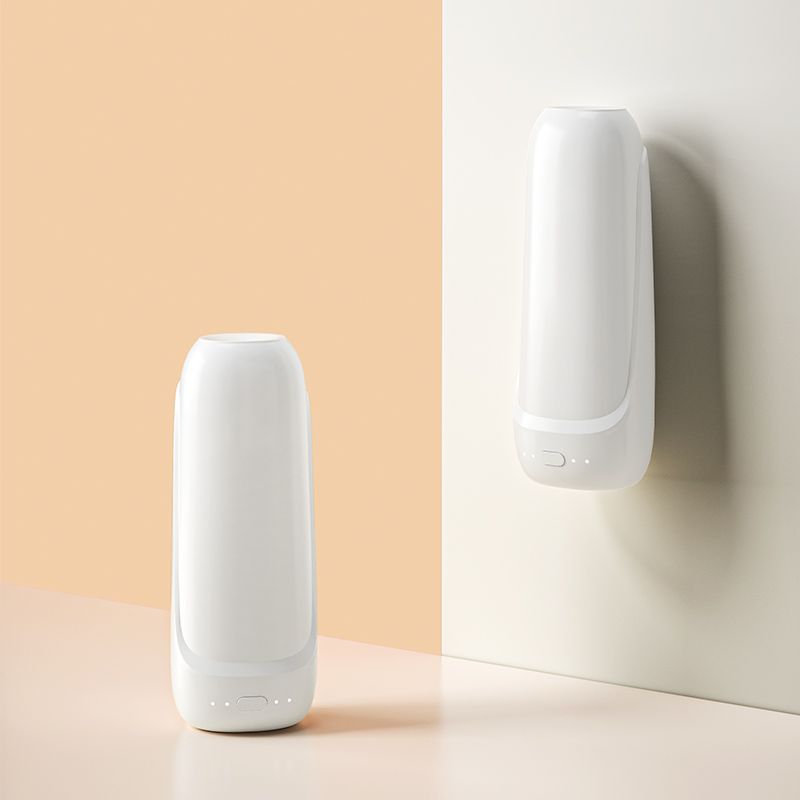
Ultrasonic technology uses high-frequency vibrations to create a fine water and oil mist. A small ceramic disc at the base of the water reservoir vibrates rapidly, breaking liquids into microscopic particles. These units are highly available and double as micro-humidifiers. This secondary function provides excellent respiratory relief in dry, heavily air-conditioned corporate environments where the air feels stale and dehydrating.
However, they inherently introduce moisture near tech infrastructure. They require daily water refills, which can interrupt your workflow and require trips to the breakroom. A taller ultrasonic unit presents a higher risk of accidental spills on desks. You must manage the water reservoir diligently to prevent bacterial growth and mineral scaling. Despite these drawbacks, they remain a popular choice due to their versatility and gentle scent dispersion.
Nebulizers use pressurized air to break down pure essential oils into individual aromatic molecules. This process relies on Bernoulli's principle, requiring neither heat nor water. It poses absolutely zero moisture risk to surrounding electronics. The system delivers an unadulterated, highly potent scent profile. This makes it ideal for rapidly dispersing focus-enhancing oils like rosemary or peppermint during afternoon slumps when you need an immediate cognitive boost.
Conversely, nebulizers can be acoustically disruptive. The internal air pump produces a distinct, audible hum that cycles on and off. They also consume essential oil at a significantly higher rate than water-based alternatives. The intensity of the fragrance can quickly overpower a small, enclosed office if not strictly regulated by a timer. You must monitor the output carefully to avoid creating an overwhelming environment.
These units utilize gentle heat, internal fans, or reed-based capillary action to evaporate oils into the surrounding air. Mechanical diffusers often utilize the natural airflow from room ventilation or computer cooling fans to distribute the scent. They represent the ultimate space-saving solution for cramped workstations. Most operate virtually silently and carry zero spill risk, making them incredibly safe for cluttered environments.
They are highly efficient for localized spaces and personal use. The primary drawback is a notably weaker scent throw compared to atomizing or ultrasonic models. This limitation makes them strictly suitable for immediate personal space rather than filling an entire enclosed room. They offer a subtle, background aroma that rarely offends passing colleagues or triggers sensitivities.
| Technology Type | Moisture Risk | Acoustic Level | Scent Intensity | Best Office Application |
|---|---|---|---|---|
| Ultrasonic | Moderate (Emits vapor) | Low (Occasional trickling) | Moderate | Dry offices requiring slight humidity |
| Nebulizing | Zero (Waterless) | Moderate (Pump hum) | High | Private enclosed offices for deep focus |
| Mechanical/Fan | Zero (Waterless) | Virtually Silent | Low | Open-plan cubicles and shared desks |
| Gentle Heat | Zero (Waterless) | Completely Silent | Very Low | Immediate personal breathing zones |
Olfactory fatigue, commonly known as nose blindness, is a biological reality. Your olfactory receptors saturate quickly when exposed to continuous fragrance. You stop registering the scent entirely within 15 to 20 minutes. Programmable cycles are mandatory for maintaining a professional environment without overwhelming your sensory system. Settings like 10 minutes on and 20 minutes off keep the aroma fresh and noticeable throughout the day without causing headaches.
Output modulation allows you to adjust the vapor density based on room size and ventilation. This ensures the fragrance remains a subtle background element rather than a dominant distraction. A unit lacking timer functions will quickly flood a small office with heavy scent molecules, potentially causing discomfort for you and any visitors who enter your workspace. Granular control over the diffusion rate is a non-negotiable feature for professional settings.
Modern workstations demand streamlined cable management. Desk real estate is too valuable for bulky power bricks and tangled cords. USB-C powered units plug directly into a laptop docking station, monitor hub, or desktop tower. This eliminates the need for traditional AC adapters and keeps your cable routing clean. Rechargeable lithium-ion battery models offer distinct advantages for hot-desking or hybrid work environments where you change locations frequently.
A battery-operated desktop diffuser provides a consistent, long-lasting scent wherever you sit. It saves time on daily setup and eliminates cord clutter entirely. You can easily relocate the unit from your main desk to a small meeting table for afternoon brainstorming sessions. Portability ensures your optimized environment travels with you across the office floor, maintaining your preferred atmospheric conditions regardless of where you are working.
Accidental desk bumps happen daily in active work environments. Evaluate materials for durability and chemical resistance before bringing a unit to work. BPA-free plastics, tempered glass, and anodized aluminum withstand exposure to concentrated essential oils. Polypropylene (PP) is highly recommended for internal reservoirs due to its structural integrity against corrosive citrus oils, which can degrade weaker plastics over time.
Locking lids are a critical safety feature. A threaded or magnetic locking mechanism prevents catastrophic spills if the unit tips over onto your documents or keyboard. Low-center-of-gravity designs offer superior stability on cluttered desks. Avoid tall, top-heavy vase designs that easily topple when you reach for a pen, adjust your monitor, or shift paperwork around your workspace.
Different technologies consume resources at vastly different speeds, affecting your daily operational routine. Running a nebulizer requires pure, undiluted oil. It depletes standard 10ml bottles rapidly, often within a few weeks of daily use. You must monitor the reservoir frequently to prevent the internal pump from running dry and overheating. This high consumption rate requires you to keep a steady inventory of oils in your desk drawer.
An ultrasonic unit dilutes a few drops into a large water reservoir, extending the lifespan of your oils significantly. Passive reed systems evaporate slowly over months but offer no control over daily intensity. Calculate your expected usage based on a standard 8-hour workday. Choose a system that aligns with your willingness to replenish supplies and manage inventory at your desk without it becoming a distracting chore.
Every device requires regular maintenance to function safely and efficiently. Ultrasonic models need routine wiping to prevent mold and mineral scale buildup. Nebulizing units require periodic flushing with rubbing alcohol to clear clogged micro-tubes. Assess the practicality of performing these cleaning tasks in a shared office breakroom sink, where space and supplies might be limited.
Complex glass nebulizers may require extensive soaking. This process is highly impractical during business hours. Select a unit with a wide top opening and minimal internal crevices for rapid, discreet cleaning at your desk. The easier a unit is to clean, the more likely you are to maintain it properly, ensuring a hygienic workspace.
Shared HVAC systems and open-plan air circulation complicate environmental fragrances. Scent molecules travel quickly through ventilation ducts, reaching colleagues far beyond your immediate vicinity. You must provide a framework for selecting universally tolerated, productivity-focused oils. Citrus-based oils like sweet orange and lemon create a refreshing, motivating environment. Rosemary promotes memory retention and reflects a focused professional identity without being overpowering.
Advise strongly against heavy, polarizing florals like patchouli, ylang-ylang, or heavy musks. Always check employee handbooks for scent-free workplace clauses before bringing an office aroma diffuser into the building. Survey your immediate neighbors to ensure they have no asthma, migraines, or specific allergy triggers. Open communication prevents HR complaints and fosters a respectful shared environment where everyone can work comfortably.
Essential oils act as powerful natural solvents. Undiluted drops will strip varnish from wooden desks, stain fabrics, and melt certain plastics upon contact. Establish strict guidelines for placement and refilling. Maintain a minimum distance from air intake vents on computer towers to prevent drawing vapor into internal cooling fans, which can cause sticky residue to accumulate on motherboards.
Recommend using protective coasters, ceramic tiles, or silicone mats beneath the unit. This barrier prevents essential oil solvents from damaging expensive office furniture finishes. Never refill the reservoir directly over your laptop keyboard or important physical documents. Always move the unit to a safe, neutral surface like a breakroom counter before adding liquids or oils to eliminate the risk of accidental spills ruining your work.
The most practical aromatherapy device for a professional workspace is rarely the most powerful one. Instead, the ideal unit is highly controllable, strategically placed, and acoustically discreet. For private, enclosed offices, a programmable nebulizing diffuser placed centrally offers the best pure scent experience and even dispersion. For cubicles or shared desks, a waterless mechanical fan-based or USB ultrasonic desktop diffuser with strict intermittent settings remains the safest, most respectful choice.
A: Waterless, mechanical fan-based, or nebulizing diffusers are the safest options near electronics. They do not emit water vapor, completely eliminating the risk of moisture damage, oxidation, or mineral buildup on internal computer components and monitors.
A: Utilize low-output settings and strict intermittent timers. Place the unit close to your personal breathing zone rather than near central ventilation returns. Always choose universally accepted, light scents like citrus or mint, avoiding heavy florals.
A: Most modern ultrasonic models operate under 30dB, which is quieter than a whisper. However, the sound of trickling water or occasional bubbling can be distracting to some individuals during deep work or sensitive video conference calls.
A: Compact models are usually effective up to 100-150 square feet. This range is perfectly sufficient for standard private offices or huddle rooms. However, they are entirely inadequate for scenting open-plan floors or large corporate conference rooms.
A: Empty and wipe out ultrasonic tanks every 2-3 days. Run a deep clean with rubbing alcohol or white vinegar weekly. This schedule prevents sticky residue buildup, mineral scaling, and potential bacterial growth in the water reservoir.
A: Evidence-backed options include rosemary for memory retention, peppermint for alertness, and sweet orange for motivation and mood elevation. Strictly avoid sleep-inducing or overly relaxing oils like heavy lavender or chamomile during active work hours.


