
Views: 0 Author: Site Editor Publish Time: 2026-08-31 Origin: Site


Operating a diffuser daily exposes the hardware to constant moisture, acidic essential oils, and mineral buildup. Standard consumer-grade units often fail early under these rigorous conditions. Buyers frequently experience motor burnout, mold accumulation, or degraded plastics within months of daily use. This rapid deterioration happens when users select devices optimized for aesthetics rather than continuous, heavy-duty operation.
Identifying a reliable daily-use device requires moving beyond basic design preferences. You must evaluate internal mechanics, atomization technology, material safety, sustainability, and maintenance workflows. Taking these factors into account helps you find the best electric essential oil diffuser for your specific environment. We will explore how different diffusion methods impact hardware longevity, air quality, and your daily cleaning routines.
Running a diffuser every single day puts significant stress on its internal components. Understanding how environmental factors and user habits impact the device is the first step in selecting a durable model. Hardware degrades rapidly when exposed to the wrong elements, and maintenance routines dictate how long a unit will actually survive in a real-world setting.
Continuous exposure to certain essential oils accelerates hardware breakdown. Citrus oils, such as sweet orange, lemon, and grapefruit, contain high levels of limonene. Limonene acts as a natural solvent. It quickly eats through cheap ABS plastics commonly used in entry-level diffusers, causing the water reservoir to crack, warp, or leak onto your furniture. Hard water presents another major threat to device longevity. Tap water contains dissolved minerals like calcium and magnesium. When atomized, these minerals leave behind a hard white scale on the ultrasonic transducer disc. Over time, this calcification restricts the disc's ability to vibrate. The motor works harder to produce less mist, eventually leading to complete burnout.
The physical properties of the essential oils you choose directly impact device performance. Essential oils vary wildly in viscosity, and your hardware must be able to handle the specific liquids you intend to diffuse.
| Oil Category | Examples | Viscosity Level | Impact on Hardware | Cleaning Requirement |
|---|---|---|---|---|
| Citrus & Mint | Lemon, Peppermint, Eucalyptus | Low (Thin) | Degrades cheap ABS plastics rapidly | Standard daily wipe down |
| Floral & Herbaceous | Lavender, Rosemary, Clary Sage | Medium | Leaves mild residue on ceramic discs | Weekly vinegar soak |
| Resinous & Woody | Vetiver, Patchouli, Sandalwood | High (Thick) | Clogs nebulizer tubes and micro-pumps | High-proof alcohol flush |
Thin, highly volatile oils vaporize easily and leave minimal residue behind. Thick, resinous oils behave differently. These heavy base notes act almost like syrup. They coat the internal tubing of nebulizers and leave a sticky, stubborn film on ultrasonic plates. Daily use of thick oils strains micro-pump motors and necessitates strict, frequent cleaning protocols using high-proof rubbing alcohol to dissolve the heavy resins before they harden.
Human biology limits the effectiveness of continuous diffusion. Olfactory fatigue, commonly known as noseblindness, occurs when your scent receptors become saturated. After 15 to 20 minutes of continuous exposure to a fragrance, your brain stops registering the smell. Running a diffuser constantly does not make the room smell stronger to you; it simply wastes essential oil and overworks the motor. Effective daily home fragrance relies on intermittent diffusion, allowing your olfactory receptors time to reset so you can actually perceive the aroma.
The most effective diffuser is ultimately the one you are willing to clean. Complex designs with narrow water tanks, hidden tubes, or multiple small parts create a high maintenance burden. If a device is difficult to disassemble, users inevitably skip routine cleaning. This neglect leads to mold growth, bacterial buildup, and device failure. Ease of access to the water reservoir and atomizing components remains a primary buying criterion for any daily-use unit. You need to be able to wipe the inside dry in under ten seconds.
Different environments require different atomization technologies. Selecting a reliable electric aroma diffuser depends entirely on your room size, maintenance tolerance, and therapeutic goals. The mechanics inside the shell dictate how the device performs day in and day out.
Ultrasonic technology relies on a small piezoelectric ceramic disc located at the bottom of the water reservoir. This disc vibrates at high frequencies, typically around 2.4 million times per second. These ultrasonic waves create cavitation in the water, breaking both the water and the floating essential oil into microscopic droplets. A small fan then blows this fine mist out into the room. This process requires zero heat, keeping the chemical profile of the essential oil completely intact.
The mechanical process follows a specific sequence:
For daily use, ultrasonic models offer several distinct advantages. They double as micro-humidifiers, adding a small amount of moisture to dry indoor air. They consume very little essential oil, usually requiring only 5 to 10 drops for several hours of operation. They also operate quietly, making them ideal for bedrooms and home offices where intentional, localized aromatherapy is the goal. However, the reliance on water introduces daily maintenance requirements. You must empty stagnant water every day to prevent bacterial growth and mold. Furthermore, the scent throw is generally weaker compared to waterless models, making them less effective in large, open-concept living spaces.
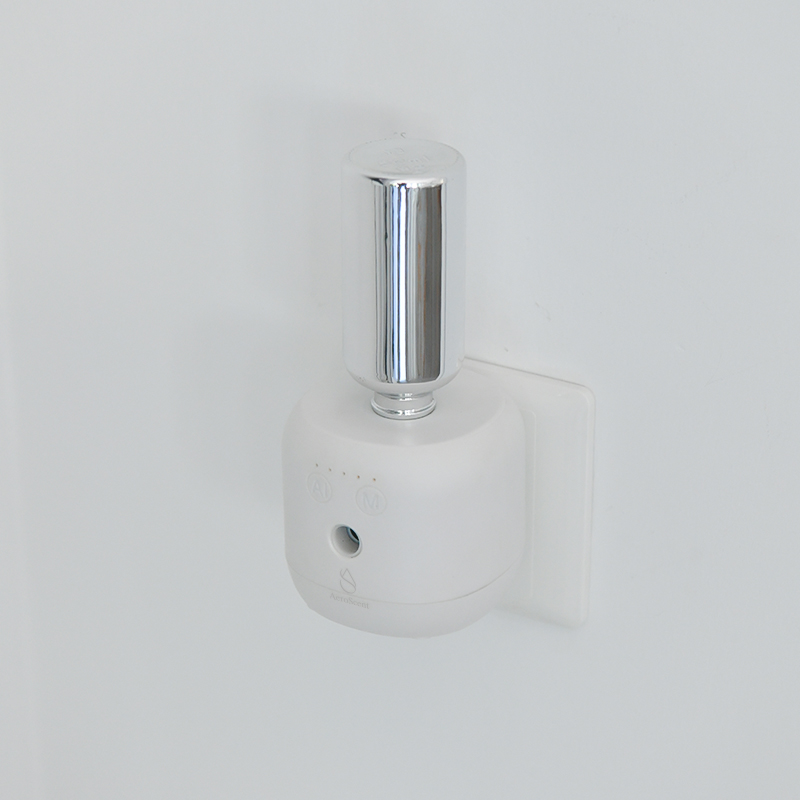
Nebulizing diffusers operate without water or heat. They utilize pressurized air and Bernoulli’s principle to atomize pure essential oil. An internal micro-pump forces air through a small tube, creating a vacuum that pulls the essential oil from the bottle. The pressurized air blasts the oil against a glass baffle, shattering it into a highly concentrated, invisible micro-mist of pure nanoparticles.
These units deliver an undiluted, highly potent aroma. They are ideal for large open-concept spaces and deliver the strongest therapeutic benefits since the oil is not diluted by water. Because they use no water, there is absolutely zero risk of mold or bacterial growth inside the unit. The drawbacks include a higher upfront investment and rapid oil consumption. Nebulizers can process several milliliters of oil per hour if run continuously. Additionally, the internal micro-pump generates a noticeable humming sound, which may be disruptive in completely silent environments.
Cold-air diffusion technology powers high-capacity units designed for massive square footage. These systems atomize pure fragrance or essential oils directly into the air, similar to nebulizers, but on a much larger scale. They can operate as standalone towers or integrate directly into a home's HVAC ductwork.
Users seeking a "set-it-and-forget-it" solution for spaces exceeding 1,000 square feet should evaluate a dedicated fragrance machine. These units prioritize consistent, whole-home fragrance over targeted, single-room aromatherapy. They hold large bottles of oil (often 100ml to 500ml) and can run for months before requiring a refill, drastically reducing daily maintenance.
Beyond the core technology, the physical construction and programmed features of the device determine its viability for everyday operation. You must look past the exterior design and evaluate the materials and automation capabilities.
Internal component materials dictate the lifespan of the device. The water reservoir must be constructed from BPA-free, medical-grade plastics, specifically polypropylene (PP). Polypropylene resists the corrosive nature of essential oils, preventing chemical leaching into the water and ensuring a non-toxic environment. Glass or ceramic reservoirs offer an even higher standard of safety, as they are completely impervious to oil degradation.
Exterior housings also matter. Standard ABS plastics look cheap and degrade quickly if oil drips onto them. Sustainably sourced bamboo, carved wood, ceramic, and metal exteriors provide superior durability. Eco-friendly materials not only reduce environmental impact but also withstand daily handling and accidental oil spills far better than cheap synthetic shells.
Reservoir sizing directly correlates to run time in ultrasonic models. A standard 100ml tank typically provides 3 to 4 hours of continuous mist. A 300ml tank yields 6 to 8 hours, while a 500ml tank can run for over 12 hours. However, run time is only half the equation; mist output strength matters just as much. Some models sip water slowly to advertise long run times, but they produce a weak vapor that fails to scent the room.
| Room Size (Sq Ft) | Recommended Capacity | Ideal Technology Match |
|---|---|---|
| Under 150 (Bathrooms, Small Offices) | 100ml - 150ml | Ultrasonic |
| 150 - 400 (Bedrooms, Kitchens) | 300ml - 500ml | Ultrasonic |
| 400 - 800 (Living Rooms, Open Plans) | Waterless Bottle Attachment | Nebulizing |
| 800+ (Whole Home, Commercial) | 100ml+ Internal Reservoir | Cold-Air HVAC |
Match the output to your square footage. Use 100ml to 150ml units for small bedrooms or office desks. Step up to 300ml or 500ml models for standard living rooms. For open floor plans or spaces with vaulted ceilings, abandon ultrasonic models entirely and utilize nebulizers or high-capacity cold-air systems.
Daily use demands smart features that protect the hardware and optimize the user experience. An automatic diffuser must include interval timers. Settings that alternate operation (e.g., 10 minutes on, 20 minutes off) are mandatory. This intermittent cycling prevents olfactory fatigue, conserves essential oil, and gives the internal motor time to cool down.
Safety shut-offs are non-negotiable. Whether relying on a gravity-fed float switch or an electronic sensor, the device must automatically cut power to the ultrasonic disc the moment the tank runs dry. Running an ultrasonic transducer without water causes it to overheat and shatter within minutes. This automatic shut-off feature is required for safe overnight use.
No single device excels in every category. Selecting the right unit requires balancing initial investment against long-term operational oil consumption and maintenance effort.
Ultrasonic units present a low barrier to entry. They are inexpensive to purchase and highly efficient to operate because they use very little oil. You measure consumption in drops. However, you pay for that efficiency with your time, as they require daily emptying and wiping. Nebulizers require a higher initial investment and consume oil rapidly, measuring usage in milliliters per hour. This makes them more demanding on your oil supply. Yet, they require less frequent cleaning and deliver a vastly superior scent throw.
Design choices also present trade-offs. Minimalist, visually appealing diffusers often feature narrow openings and small, hard-to-reach reservoirs. These designs look beautiful on a shelf but are frustrating to clean. Bulkier, utilitarian models with wide-mouth lids prioritize function over form, allowing you to easily wipe down the interior with a towel.
Consider your goal. If you want passive, always-on home fragrance without using electricity, reed diffusers are appropriate. If you want active, fast scenting for intentional aromatherapy sessions or neutralizing cooking odors quickly, an electric model is the correct choice.
Bringing atomized water and volatile organic compounds into your home daily introduces specific risks. Proper protocols mitigate these issues effectively and keep your hardware running smoothly.
Stagnant water breeds bacteria and mold rapidly. You must implement a strict protocol for ultrasonic units to maintain healthy air quality and protect the transducer.
If you live in an area with hard water, switch to distilled water to prevent mineral scaling on the disc.
Daily diffusion requires caution around sensitive respiratory systems. Cats and dogs process volatile organic compounds differently than humans. Cats, in particular, lack a specific liver enzyme (glucuronyl transferase) required to break down certain phenols and monoterpenes found in oils like eucalyptus, tea tree, and citrus. Always diffuse in well-ventilated spaces. Leave the room door open so pets can exit if the scent becomes overwhelming. Limit diffusion sessions to 30 minutes when children or pets are present.
Where you put the device matters. Ultrasonic diffusers emit moisture. Do not place them directly on unsealed wood furniture, antiques, or near paper documents. The settling mist will warp wood and ruin finishes over time. Place the unit on a waterproof tray or a stone coaster. Keep diffusers away from direct HVAC return vents; the forced air will suck the mist into the filter before it can scent the room. Ensure the unit has at least two feet of clearance above it to allow the mist to disperse into the air currents properly.
The ideal electric essential oil diffuser for daily use hinges entirely on your willingness to perform routine maintenance, your preference for heatless or waterless technology, and the square footage of your target room. Entry-level plastics and continuous-run settings will fail under the stress of daily operation. By prioritizing medical-grade materials, automatic shut-offs, and interval timers, you ensure both hardware longevity and a safe aromatic environment.
For bedrooms and home offices, prioritize ultrasonic models with 300ml capacities and built-in interval timers. For large living areas or open floor plans, bypass water-based units entirely and invest in glass-reservoir nebulizing diffusers or high-capacity cold-air systems.
A: Empty the water and wipe the interior dry with a cloth every single day to prevent bacterial growth. Perform a deep clean once a week by running a mixture of water and a teaspoon of white vinegar through the unit for five minutes, then gently swab the ultrasonic disc.
A: Yes, provided the device is equipped with an automatic waterless shut-off sensor. This feature immediately cuts power to the motor when the reservoir is empty, preventing overheating and fire risks. Always use intermittent timer settings overnight to avoid olfactory fatigue.
A: The best models do not use heat. Heat alters the chemical composition of essential oils, destroying their therapeutic properties. High-quality devices use either ultrasonic vibrations to create a cold water mist or pressurized air to nebulize the oil directly without altering its temperature.
A: An ultrasonic diffuser uses water and high-frequency vibrations to create a hydrating, subtle mist. A nebulizer is completely waterless; it uses pressurized air to atomize pure essential oil into a highly concentrated, potent micro-mist, offering a much stronger scent throw.
A: Yes. High-capacity cold-air diffusion systems can connect directly to your home's HVAC ductwork. By atomizing the oil into the central air system, they distribute consistent fragrance across thousands of square feet, far exceeding the capabilities of single-room standalone units.
A: Highly volatile top notes like eucalyptus, peppermint, and sweet orange travel quickly through the air and fill large spaces fast. Heavier base notes like vetiver and patchouli linger much longer but do not disperse as widely and may require more frequent device cleaning.
A: The most common cause is mineral scale buildup on the ceramic ultrasonic disc from hard tap water. Other causes include using thick, resinous oils that clog the atomization mechanism, or motor failure due to running the device continuously without adequate water.


