
Views: 0 Author: Site Editor Publish Time: 2026-09-08 Origin: Site


The market for ambient scenting is saturated with entry-level devices. Buyers often struggle to distinguish between disposable consumer goods and engineered, commercial-grade hardware. We see many shifting away from traditional methods like scented candles and incense due to safety hazards and inconsistent performance. However, evaluating the actual output, safety, and longevity of modern scenting devices remains difficult. Basic marketing claims obscure the mechanical realities of the hardware. Poor equipment selection inevitably leads to rapid motor failure, inefficient oil consumption, and highly inconsistent scent dispersion. To make an informed sourcing decision, you must evaluate the underlying technology and verify the credibility of the manufacturer. Understanding the realistic operational trade-offs of different dispersion methods ensures your chosen hardware matches your environmental requirements.
Technology Dictates Performance: Cold air and nebulizing technologies offer superior, residue-free dispersion for large spaces compared to traditional ultrasonic or heat-based models.
Manufacturing Standards Matter: A credible home fragrance manufacturer will provide transparent documentation on OEM/ODM capabilities, material safety (e.g., BPA-free plastics, corrosion-resistant metals), and electrical certifications.
Maintenance is Non-Negotiable: Even high-end units require strict maintenance protocols to prevent motor burnout and mitigate olfactory fatigue.
Selecting the right hardware requires establishing strict performance baselines. You cannot rely on generic coverage claims printed on a box. A device built for a small bedroom will fail in a high-traffic lobby. You must define your success criteria before evaluating specific models.
First, establish the required square footage coverage. You must also factor in ceiling height and ambient airflow. A 500-square-foot living room with standard eight-foot ceilings requires vastly different hardware than a 5,000-square-foot open atrium with vaulted ceilings. High ceilings increase the total cubic volume of air, which dilutes the fragrance faster. Evaluate the cubic feet per minute (CFM) output of the device. Determine the necessary concentration levels for your target environment. High-traffic areas with open doors require higher output to overcome competing odors and rapid air exchange. Controlled environments need subtle, highly regulated dispersion to avoid overwhelming the occupants.
Modern Aroma Diffusers must provide consistent ambient scenting without introducing hazards. Traditional scented candles introduce open flames. Incense generates soot and harmful smoke. These particulates degrade indoor air quality and leave residue on walls. High-end diffusers eliminate these risks entirely. They operate without combustion. They do not release volatile organic compounds (VOCs) associated with burning wax. The environmental baseline requires zero residue on surrounding surfaces. It also demands complete electrical safety during unattended operation, meaning the device must have automatic shut-off features and thermal overload protection.
Assess the expected lifespan of internal components. The air pump is the heart of a nebulizing system. The ultrasonic transducer drives water-based models. These components face immense stress under continuous daily operation. Commercial-grade pumps utilize brushless DC (BLDC) motors. These motors reduce friction and heat buildup. They easily outlast cheaper brushed motors, often running for over 10,000 hours before failure. Evaluate the continuous duty cycle rating. A durable machine should handle extended operational hours without thermal overload. Expect a lifespan of three to five years for premium internal components with proper care and regular maintenance.
External build quality matters just as much as internal mechanics. Premium brands utilize high-grade materials. You will find glass, ceramic, or anodized aluminum housings. These materials resist scratches and impacts. They also protect the internal components from environmental damage. Avoid easily degraded standard plastics. Essential oils are naturally corrosive. Cheap ABS plastic will warp, discolor, or crack when exposed to pure oils over time. High-grade materials ensure the device maintains its visual appeal throughout its operational life while protecting the internal circuitry from oil leaks.
Dispersion technology dictates how the fragrance interacts with the air. Different mechanisms serve entirely different environments. You must match the technology to your specific spatial requirements to achieve consistent results.
Nebulizing technology represents the peak of ambient scenting engineering. It operates without heat or water. This preserves the exact chemical profile of complex fragrance oils, ensuring the top, middle, and base notes disperse evenly.
Mechanism of Action: These units use high air pressure based on Bernoulli's principle. A pressurized air stream passes over a small tube connected to the oil reservoir. This creates a vacuum. The oil is pulled up and blasted against a baffle. This action breaks the pure fragrance oil into individual nano-particles. These particles are typically between 1 and 5 microns in size. They remain suspended in the air for hours.
Ideal Use Case: This technology is best for large, open spaces. It is the standard for HVAC integration. It delivers a dry, residue-free scent. It perfectly maintains the integrity of delicate essential oil notes.
Limitations: The internal air pump generates noise. These units operate at a higher decibel level than other types. They also require a larger initial hardware investment and use pure oil, which requires precise programming to manage consumption.
An aromatherapy diffuser utilizing ultrasonic technology is highly popular for residential applications. It combines water and oil to create a visible mist.
Mechanism of Action: A piezoelectric transducer sits at the bottom of a water basin. It vibrates at high frequencies, usually around 2.4 MHz. These rapid vibrations break the surface tension of the water and oil mixture. This creates a fine, cool mist that is blown into the room by a small fan.
Ideal Use Case: These are suitable for smaller residential spaces. They work well in bedrooms or home offices. They are ideal when a slight increase in localized humidity is acceptable or desired.
Limitations: The water heavily dilutes the fragrance concentration. The scent does not travel far. These units require frequent refilling. They can also leave potential water residue on surrounding furniture or flooring if placed improperly.
Heat and evaporative models rely on airflow and temperature changes. They are simpler mechanically but have distinct operational boundaries.
Mechanism of Action: Evaporative models use a fan to blow air through a pad soaked in essential oils. Heat models use low-level electrical heat (like PTC heaters) to warm the oil. This accelerates the natural evaporation process. These systems disperse thicker, highly viscous essential oils effectively.
Ideal Use Case: They provide targeted, localized scenting. Use them for personal desks, small treatment rooms, or specific zones. Specific electric heat models can be engineered to fragrance slightly larger areas depending on the brand and style.
Limitations: Heat can alter the therapeutic properties of delicate oils. It can also change the intended scent profile by burning off top notes too quickly. Standard models have a very limited coverage area. The scent intensity drops rapidly as the oil evaporates from the pad.
Dispersion Technology | Primary Mechanism | Ideal Environment | Residue Risk | Maintenance Level |
|---|---|---|---|---|
Cold Air / Nebulizing | Pressurized air (Bernoulli's principle) | Large open spaces, HVAC systems | None (Dry nano-particles) | Moderate (Monthly alcohol flushes) |
Ultrasonic | High-frequency vibration (Water + Oil) | Small rooms, bedrooms, desks | High (Water vapor settling) | High (Frequent water refills, basin cleaning) |
Heat / Evaporative | Thermal evaporation or fan-forced air | Targeted zones, personal spaces | Low | Low (Pad replacement) |
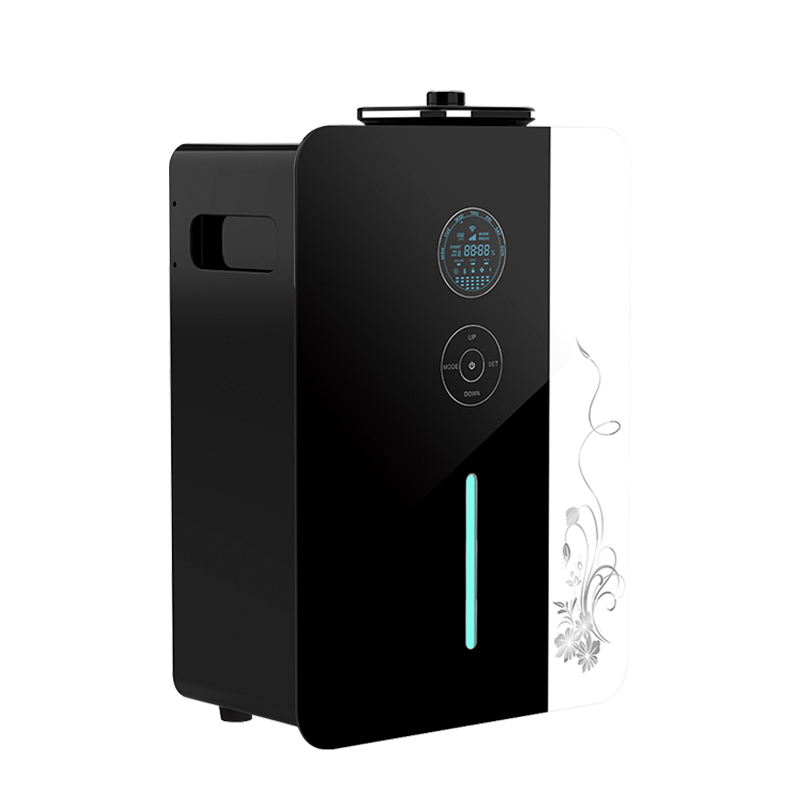
The hardware is only as reliable as the facility that built it. Sourcing requires strict vetting of the manufacturer's capabilities, quality control, and regulatory compliance. You cannot afford to deploy unverified hardware in a commercial or high-end residential setting.
When assessing a supplier, look deeply into their manufacturing capacity. You need to know if an aroma diffuser manufacturer handles custom tooling in-house. Check their ability to execute white-labeling and protect proprietary designs. A capable manufacturer controls the injection molding process. They manage the PCB (printed circuit board) assembly directly rather than outsourcing it to unverified third parties. Prototyping is a critical phase. Request production samples before committing to large volumes. Review the manufacturer's internal QC protocols. They must conduct continuous run testing to verify motor durability. They should perform leak testing on all fluid reservoirs using vacuum chambers. Drop testing ensures the housing can withstand shipping and handling. These tests verify motor noise levels, output consistency, and app or software reliability.
Electrical safety is non-negotiable. Regulatory compliance protects the end-user and your brand liability. Demand proof of CE, FCC, and RoHS certifications. CE ensures compliance with European safety standards. FCC verifies the device does not emit harmful electromagnetic interference that could disrupt other electronics. RoHS confirms the absence of hazardous materials like lead or mercury in the electronics. Chemical compatibility is equally critical. Pure essential oils contain terpenes. These compounds easily dissolve low-grade plastics like polystyrene. Ensure the internal reservoirs and tubing are constructed from high-density polymers. Look for PET (Polyethylene Terephthalate) or HDPE (High-Density Polyethylene). Glass and aluminum are also excellent choices to prevent degradation from highly concentrated, corrosive oils. Furthermore, check that all internal O-rings are made from Viton or similar chemically resistant elastomers, rather than standard rubber.
Look for ecosystem integration. A reliable home fragrance manufacturer often formulates their own oils in tandem with their hardware. This synergy ensures optimal fluid viscosity. It prevents the micro-tubes from clogging. It guarantees the pump operates within its designed pressure parameters. Assess supply chain transparency. You need clear communication regarding production lead times. Review their warranty terms carefully. Understand their defect replacement policies. A trustworthy partner provides detailed technical support, clear wiring diagrams for HVAC integration, and readily available replacement parts like atomizing nozzles and pump diaphragms.
Every scenting strategy involves operational trade-offs. You must balance hardware capabilities against consumable usage and daily management requirements. Understanding these variables prevents unexpected operational bottlenecks.
Nebulizing hardware utilizes pure oil. This seems intensive, but the technology is highly efficient. Programmable timers allow precise control over oil consumption. You can set the machine to run only during specific hours, matching foot traffic patterns. You can adjust the exact output intensity down to the milliliter per hour. This targeted approach minimizes waste. Conversely, basic ultrasonic models waste oil through dilution. The mist settles quickly, requiring constant operation to maintain the scent. This leads to frequent refilling and higher overall consumable waste, negating the initial savings of the cheaper hardware.
Engineered diffusers provide consistent, safe operation. Traditional consumables like premium scented candles present safety hazards. They require constant supervision. They leave soot on walls, ceilings, and HVAC filters. Incense creates ash and smoke. Engineered hardware eliminates these physical hazards. It provides a clean, automated scenting experience. The operational efficiency gained over traditional consumables is substantial. You replace manual lighting, monitoring, and extinguishing with automated, scheduled dispersion that runs entirely in the background.
Modern units often feature Bluetooth or Wi-Fi connectivity. Scheduling apps offer ultimate convenience. You can adjust settings from a smartphone, monitor oil levels remotely, and change operating schedules on the fly. However, weigh these benefits against potential software obsolescence. Connectivity failures can render a smart device frustrating to use. Manual controls or simple LCD interfaces rarely fail. They offer bulletproof reliability. Choose smart features only if the manufacturer has a proven track record of maintaining and updating their software applications and providing robust server support.
Olfactory fatigue occurs when the nose becomes blind to a constant scent. The olfactory receptors saturate and stop sending signals to the brain. Running a device continuously guarantees scent blindness. Programmable intensity levels and interval timers prevent this biological response. You can set the machine to run for two minutes and pause for one minute. This pulsing effect gives the olfactory receptors time to reset. It ensures the scent remains noticeable to occupants who stay in the room for extended periods. It also conserves fragrance oil significantly, extending the time between refills.
Even the best hardware fails if installed or maintained improperly. You must understand the physical and mechanical risks associated with ambient scenting to ensure long-term reliability.
Location dictates performance and safety. Address placement hazards immediately. Never place units near sinks, tubs, or areas with high moisture. Humidity damages internal circuitry. It compromises the power supply and can cause short circuits. Avoid placing units in direct sunlight. UV rays degrade the essential oils in the reservoir, altering the scent profile and reducing therapeutic benefits. Keep devices away from open windows or exhaust fans. Drafts will pull the scent directly out of the room before it can circulate. Place the unit on a stable, flat surface to prevent accidental tipping. If a unit tips over, pure essential oil can flood the internal pump, causing immediate and irreversible motor failure.
Connecting diffusers directly to central air systems provides ultimate coverage. However, it introduces significant technical complexities. You must manage static pressure issues. If the HVAC duct has higher pressure than the diffuser pump, the scent will not enter the airflow. It will back up into the machine, flooding the circuitry. You must install the injection probe correctly. It should sit after the air handler and filter, typically on the supply side of the ductwork. Beware of ductwork condensation. If the air is too cold, the atomized oil may condense on the metal duct walls. This creates a sticky residue over time that traps dust. Always consult an HVAC professional for integration. Ensure they install an airflow interlock switch so the diffuser only operates when the HVAC fan is actively blowing.
Maintenance is the single biggest factor in hardware longevity. Provide a realistic assessment of cleaning requirements. Excessive, unmaintained use causes premature motor failure. The micro-tubes and atomizing nozzles will eventually clog with thick oil residue. You must run rubbing alcohol through the system monthly. Empty the oil reservoir. Fill it with 90% isopropyl alcohol. Run the machine for fifteen minutes in a well-ventilated area. This dissolves the built-up terpenes. It clears the nozzle and reduces strain on the air pump. Never use water to clean a cold air nebulizer, as water will permanently damage the internal pump mechanism.
Maintenance Interval | Task Required | Component Targeted | Operational Purpose |
|---|---|---|---|
Weekly | Wipe down exterior housing | External casing, control panel | Prevent dust buildup and oil smudges |
Monthly | Run 90% isopropyl alcohol cycle | Atomizing nozzle, micro-tubes | Dissolve terpene buildup, prevent clogs |
Quarterly | Inspect O-rings and seals | Reservoir connection points | Prevent air leaks and oil seepage |
Annually | Check pump pressure output | Internal air pump | Ensure CFM output remains at factory spec |
Request technical specification sheets from the manufacturer to verify CFM output, motor type, and exact decibel ratings.
Verify all electrical and material certifications, specifically demanding documentation for CE, FCC, RoHS, and chemical resistance testing.
Conduct a 30-day stress test on a sample unit in your actual environment to monitor oil consumption rates and app reliability before finalizing a bulk purchase.
Establish a strict monthly maintenance schedule using 90% isopropyl alcohol to protect the internal pump and prevent nozzle clogs.
A: Cold air diffusers use pressurized air to disperse pure essential oil as dry nano-particles. They do not use heat or water. Ultrasonic models use high-frequency vibrations to break down a mixture of water and oil. This creates a visible, diluted mist that adds localized humidity to the room.
A: With proper monthly maintenance, high-quality internal pumps should last 3 to 5 years under standard daily operation. Brushless motors typically outlast cheaper brushed alternatives. Neglecting to clean the atomizing nozzle will significantly reduce this lifespan by causing the pump to overwork and overheat.
A: You should look for CE, FCC, and RoHS certifications. These serve as baseline indicators of electrical safety, electromagnetic compliance, and manufacturing quality control. ISO 9001 certification also indicates that the manufacturer follows strict, standardized quality management processes during assembly.
A: Yes. Pure essential oils contain terpenes, which are naturally corrosive. They will quickly degrade cheap plastics like standard ABS or polystyrene. This highlights the absolute need for internal reservoirs made from glass, anodized aluminum, or high-density polymers like PET or HDPE.
A: This is usually due to olfactory fatigue, where your nose becomes blind to a constant scent. It can also indicate hardware issues. Thick oils can clog the micro-tubes or atomizing nozzle. You can resolve this by running 90% isopropyl alcohol through the system to clear the blockage.
A: Continuous operation accelerates motor wear and wastes fragrance oil. It also guarantees olfactory fatigue. It is much more efficient to use interval timers. Setting the machine to pulse on and off maintains consistent scent levels, gives your nose a break, and extends the hardware's lifespan.


