
Views: 0 Author: Site Editor Publish Time: 2026-07-10 Origin: Site


Parents increasingly turn to aromatherapy to support infant sleep and soothe daily fussiness. A gentle scent in the nursery feels like a natural solution for a restless baby. However, this growing trend hides significant respiratory risks when executed improperly. Infants possess rapidly developing respiratory systems, exceptionally thinner skin, and immature livers. Botanical extracts and diffusion methods that are perfectly safe for adults can easily trigger respiratory distress, neurotoxicity, or severe allergic reactions in babies.
Safely integrating aromatherapy into your nursery requires a rigorous evaluation framework. You cannot simply plug in a device and hope for the best. Success demands selecting the right hardware, specifically a baby safe essential oil diffuser. It also requires sourcing verified infant-safe botanical extracts and adhering to strict operational protocols. Understanding these biological realities ensures you create a calming environment without compromising your child's health.
Infants are highly sensitive to volatile organic compounds (VOCs). Their biological realities dictate a much lower tolerance for airborne particles. Babies have smaller airway diameters and developing alveoli. Their immature metabolic pathways cannot efficiently process the complex chemical compounds found in essential oils. When an adult inhales a botanical extract, their liver quickly filters the compounds using fully developed enzymes. A baby lacks this robust filtration system, making them vulnerable to systemic overload.
When considering aromatherapy for infants, ambient diffusion is generally preferred over topical application. Applying oils directly to a baby's skin, even heavily diluted, bypasses respiratory filtration and enters the bloodstream rapidly. Ambient diffusion provides a safer buffer, provided the concentration in the air remains strictly controlled. The goal is a subtle background scent, not a heavy cloud of vapor.
Many parents now adopt a total avoidance perspective regarding nursery scents. They rightfully question the safety of synthetic scented candles and plug-in air fresheners. These commercial products release harmful VOCs, phthalates, and synthetic fragrances. In contrast, a controlled, water-diluted mist from a quality diffuser introduces pure botanical compounds without synthetic binders. Pure air is always the baseline, but carefully managed diffusion offers a safe middle ground.
Mainstream pediatric advice often contains confusing discrepancies. Some reputable sources list peppermint or ginger as safe for "children." You must deconstruct these general lists and apply strict infant realities. Oils deemed safe for a five-year-old are often dangerous for a five-month-old. Peppermint, for example, must be strictly avoided for infants under two years of age. Its high menthol content carries a severe physical risk of laryngeal spasms and reflex apnea in babies.
To understand the scale of the issue, consider the air exchange rate in a standard nursery. Most modern homes are tightly sealed for energy efficiency. This traps VOCs indoors. If you run a diffuser continuously in a closed 10x10 room, the particulate concentration spikes within thirty minutes. Infants breathing this dense air experience olfactory fatigue quickly, followed by potential respiratory irritation. This is why mechanical ventilation or simply cracking a window and leaving the door open is a non-negotiable step in nursery aromatherapy.
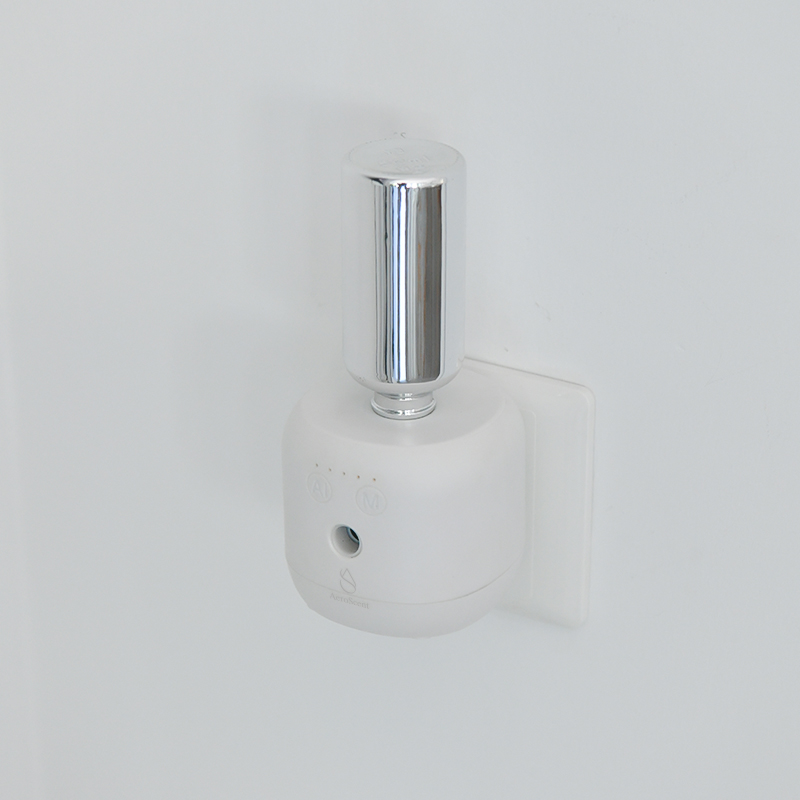
Hardware selection dictates the safety of your nursery setup. You must understand the conceptual trade-offs between nebulizing and ultrasonic technologies. Nebulizers atomize pure essential oil directly into the air. They offer high therapeutic value for adults but remain dangerous for infants due to the intense VOC concentration. You must use an ultrasonic aroma diffuser for infant spaces. These devices use a small piezoelectric plate to create high-frequency vibrations, turning water and oil into a fine mist. This provides the mandatory dilution required for developing lungs.
When outfitting a nursery, specific hardware features directly impact safety outcomes. Look for these essential functions:
Material safety and manufacturing standards require heavy scrutiny. You must evaluate the essential oil diffuser manufacturer before purchasing. The water reservoir must utilize medical-grade, BPA-free plastics like Polypropylene (PP). Inferior plastics, such as standard ABS, degrade over time when exposed to acidic citrus or floral oils. This degradation leaches microplastics and endocrine-disrupting chemicals directly into the mist. Always verify that the manufacturer holds recognized quality and safety credentials, such as ISO, CE, and RoHS certifications, ensuring electrical and material integrity.
Only a select few botanical extracts meet the strict safety criteria for infant diffusion. You must verify the exact botanical species before use by checking the Latin name on the bottle. Relying on common names often leads to purchasing the wrong, potentially harmful, chemotype.
Lavender (Lavandula angustifolia) remains the gold standard for nursery diffusion. Clinical evidence supports its use for calming the nervous system and improving sleep latency. You must ensure you purchase true Lavandula angustifolia. Avoid high-camphor variants like Lavandula stoechas (Spike Lavender), which can irritate infant airways and act as a stimulant rather than a sedative.
Roman Chamomile (Anthemis nobilis) offers gentle, sedative properties. It boasts an exceptionally low risk of respiratory irritation. This makes it an ideal companion to lavender for evening routines. It has a sweet, apple-like aroma that blends well and requires very low dilution to be effective.
Sweet Orange (Citrus sinensis) and Mandarin (Citrus reticulata) provide safe options for daytime air freshening and mood support. These specific citrus oils maintain a very low toxicity profile for ambient diffusion, unlike their more acidic cousins like Lemon or Grapefruit, which can sometimes cause phototoxicity if applied topically, though ambient diffusion mitigates this risk.
Dill (Anethum graveolens) features a historically gentle profile. Practitioners often use it to soothe distress and promote digestive ease via passive inhalation. Cedarwood (Juniperus virginiana) and Copaiba (Copaifera officinalis) present grounding, woody alternatives suitable for older infants past the six-month mark. Their chemical constituents remain gentle on developing systems.
For older infants (6+ months), secondary calming alternatives become available. Sweet Marjoram (Origanum majorana) effectively soothes respiratory pathways during mild congestion. Rose Otto or Rose Absolute provides an extremely gentle, highly diluted option for emotional grounding. Ginger (Zingiber officinale), when highly diluted, helps settle mild tummy discomfort under strict supervision.
Parents must avoid the trap of commercial "baby blends." Pre-formulated blends often feature names like "Gentle Baby" or "Sleepy Time." You must read the ingredient labels meticulously. These blends frequently contain undisclosed synthetic fragrances, cheap carrier oils, or hidden "hot" oils blended in by unregulated suppliers. Sticking to single-note oils guarantees you know exactly what your baby inhales. Always look for GC/MS (Gas Chromatography/Mass Spectrometry) testing reports from the supplier to verify purity.
| Essential Oil | Botanical Name | Primary Benefit | Age Recommendation |
|---|---|---|---|
| Lavender | Lavandula angustifolia | Sleep support, calming | 3+ Months |
| Roman Chamomile | Anthemis nobilis | Gentle sedation | 3+ Months |
| Sweet Orange | Citrus sinensis | Mood support, freshening | 3+ Months |
| Cedarwood | Juniperus virginiana | Grounding, respiratory ease | 6+ Months |
| Sweet Marjoram | Origanum majorana | Respiratory support | 6+ Months |
Certain essential oils pose severe implementation risks in a nursery. Peppermint and Eucalyptus top the list of toxic oils for infants. These oils contain high levels of 1,8-cineole and menthol. These specific chemical compounds trigger cold receptors in the lungs. In babies, this trigger can cause reflex apnea, shallow breathing, or severe respiratory distress. Never diffuse these near an infant, even in adjacent rooms where the HVAC system might carry the vapor into the nursery.
Clove, Cinnamon, and Rosemary fall into the category of "hot oils." They possess aggressive chemical profiles, high in eugenol and camphor, that irritate mucous membranes and the delicate lining of the respiratory tract. Even in trace amounts, they cause significant discomfort, coughing, and potential skin sensitization if the mist settles on bedding.
Tea Tree and Oregano are celebrated for their antimicrobial properties in adult use. However, their overwhelming potency creates a high risk of neurotoxicity and liver stress in developing systems. Keep these powerful oils entirely out of the nursery environment. Wintergreen and Birch are also strictly prohibited due to their high methyl salicylate content, which acts similarly to liquid aspirin and is highly toxic to children.
Proper hardware and safe oils mean nothing without strict operational protocols. You must establish an "open door" policy. A diffuser should never operate in a closed, unventilated nursery. Passive airflow is mandatory to prevent VOC accumulation. Always leave the bedroom door slightly ajar and ensure the room's air return vent is unobstructed.
Micro-dosing and precise dilution ratios are non-negotiable. When using an Essential Oil Diffuser, add a maximum of 1 to 2 drops of essential oil per 100ml of water. This creates a faint background aroma rather than a dense therapeutic cloud. If you can smell the oil strongly when you walk into the room, the concentration is too high for an infant.
Implement a pre-diffusion strategy for optimal safety. Turn the device on in the nursery for 15 to 20 minutes before the baby enters the room. Once you bring the baby in, turn the device completely off. The residual scent provides the calming benefits without exposing the infant to active aerosolized particles.
Bio-contamination prevention represents a hidden nursery risk. Because ultrasonic devices utilize standing water, they easily harbor mold, fungi, and harmful bacteria like Pseudomonas aeruginosa. You must maintain a rigid cleaning schedule. Failing to clean the unit means you are aerosolizing bacteria directly into your infant's airways. Follow this strict maintenance protocol:
Always monitor your baby for adverse reactions. Watch for clinical signs of overexposure, including wheezing, coughing, unusual lethargy, watery eyes, or sudden skin rashes. If you notice any of these symptoms, immediately remove the baby from the room, open all windows, and discontinue diffusion. Consult your pediatrician if symptoms persist after removing the child from the environment.
Aromatherapy serves as a helpful tool for establishing infant sleep routines, but it requires a highly defensive, evidence-based approach. Protecting your baby's developing respiratory system must remain the priority. You must carefully control the hardware, the botanical extracts, and the diffusion environment.
Your shortlisting logic should be absolute. The only acceptable setup is a high-quality, BPA-free ultrasonic device with intermittent settings, sourced from a reputable manufacturer, and paired exclusively with verified, single-note oils like Lavender or Roman Chamomile.
Take the following steps to ensure a safe nursery environment:
A: No. Pediatricians and aromatherapy experts strongly recommend a strict waiting period. You should not diffuse any essential oils around infants under 3 to 6 months of age due to their highly sensitive and developing respiratory systems.
A: An ultrasonic diffuser is the safest choice. It dilutes the essential oil with water, lowering the VOC concentration. Ensure the device features intermittent timers, an auto-shutoff mechanism, and is made from medical-grade, BPA-free plastics.
A: Absolutely not. Peppermint contains high levels of menthol, which can trigger cold receptors in an infant's lungs. This can cause reflex apnea, laryngeal spasms, and severe respiratory distress in children under two years old.
A: You must practice micro-dosing. Use a maximum of 1 to 2 drops of a baby-safe essential oil per 100ml of water in an ultrasonic diffuser. Less is always more when it comes to infant aromatherapy.
A: Empty and wipe the water reservoir dry every single day. Deep clean the unit twice a week using a mixture of water and white vinegar to prevent mold, fungi, and dangerous bacterial growth.
A: No. Continuous diffusion causes olfactory fatigue and respiratory overload. Use intermittent settings (e.g., 15 minutes on, 45 minutes off) or simply pre-diffuse the room for 20 minutes before bedtime and turn it off.


