
Views: 0 Author: Site Editor Publish Time: 2026-07-04 Origin: Site


The increasing integration of home fragrance systems into daily wellness routines often conflicts with the biological realities of household pets, particularly felines. Many pet owners experience deep anxiety—often abandoning their favorite home scenting habits entirely—due to fears of pet toxicity. Cats possess a unique metabolic deficiency that makes them highly susceptible to essential oil toxicity. Pet owners must navigate conflicting online information and emotional social media anecdotes to determine if and how they can safely operate an aroma diffuser without inducing acute or chronic feline toxicosis. Establishing a safe home environment does not require complete fragrance deprivation. It relies on a strict audit of essential oil inventories, an understanding of feline metabolic limitations, the selection of purpose-built hardware from a reputable essential oil diffuser supplier, and the implementation of veterinary-approved diffusion protocols.
Defining what constitutes safe exposure requires understanding the physiological limitations of feline metabolism and the dual pathways of toxicity. Cats are uniquely vulnerable to certain compounds found in botanical extracts. When you operate an Essential Oil Diffuser, you are introducing volatile organic compounds into an environment where a biologically unequipped animal resides.
Cats lack UDP-glucuronosyltransferase (UGT) enzymes in their liver. This deficiency prevents the glucuronidation phase of liver detoxification. Consequently, phenols, ketones, and terpenes accumulate rapidly in their system, reaching toxic levels much faster than in humans or dogs. When a human inhales these compounds, the liver processes and excretes them efficiently. A cat's liver simply cannot perform this chemical breakdown, leading to a backlog of toxins that attack the central nervous system and hepatic pathways.
There are two primary pathways for feline essential oil toxicity. First, inhaling aerosolized micro-droplets from an active device causes acute respiratory irritation. The delicate mucous membranes in a cat's respiratory tract absorb these volatile compounds directly into the bloodstream. Second, and often overlooked, heavier aerosolized droplets settle onto the cat’s fur or surrounding floors over time. Feline self-grooming behaviors then turn a passive inhalation risk into direct oral ingestion and transdermal absorption. A cat spends up to 50% of its waking hours grooming, meaning any residue on their coat goes straight into their digestive tract.
Categorizing botanical extracts based on veterinary toxicology data helps establish safe boundaries. Standards set by organizations like the ASPCA and the Pet Poison Helpline provide crucial guidance for anyone looking to maintain a fragrant home without endangering their pets.
High-risk chemical classes include salicylates, phenols, and monoterpene hydrocarbons. You must audit your collection and permanently remove these from your home. The following oils must be strictly avoided in feline households:
Clinical signs of poisoning manifest quickly. You will observe drooling, muscle tremors, respiratory distress, pawing at the mouth, uncoordinated gait (ataxia), and hypothermia. If you see these signs, immediate veterinary intervention is required.
Some oils have lower phenol and ketone profiles, such as Cedarwood, Frankincense, Rosemary, and Roman Chamomile. These are generally considered tolerable when sourced from a verified, unadulterated supplier. However, tolerable does not mean risk-free. High concentration and poor ventilation neutralize the tolerance profile of any oil. You must still exercise extreme caution and adhere to strict operational protocols.
| Essential Oil Category | Chemical Profile | Feline Risk Level | Action Required |
|---|---|---|---|
| Phenol-Heavy (e.g., Clove, Thyme) | High phenols, rapid liver accumulation | Severe / Lethal | Ban from household entirely |
| Terpene-Heavy (e.g., Tea Tree, Pine) | High monoterpenes, neurotoxic | Severe | Ban from household entirely |
| Citrus (e.g., Lemon, Orange) | Contains d-limonene | High | Ban from household entirely |
| Low-Phenol (e.g., Cedarwood, Frankincense) | Lower volatile organic compounds | Moderate / Tolerable | Use only with strict ventilation and timers |
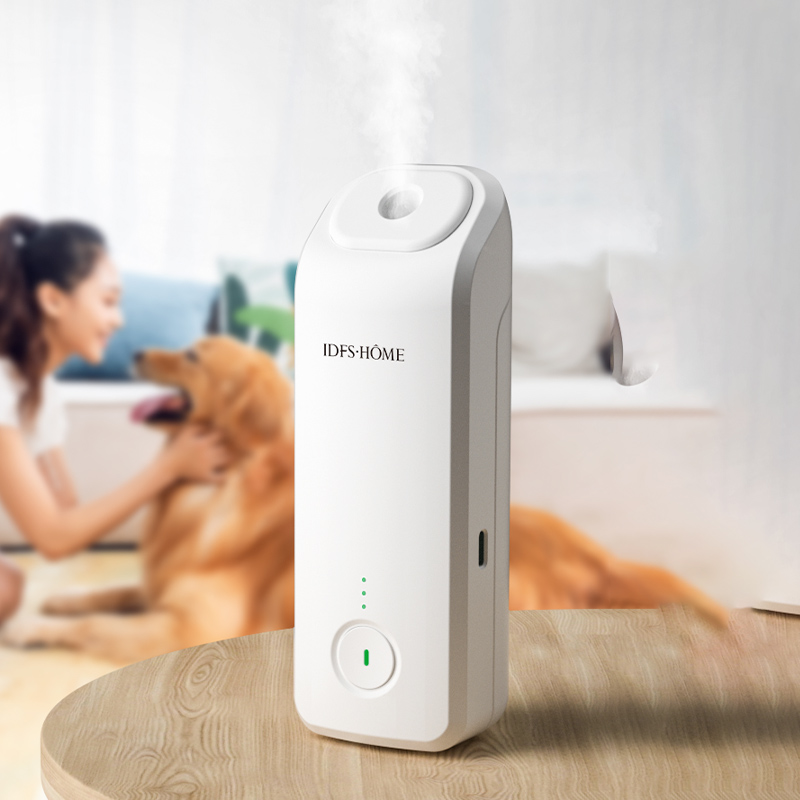
The mechanical design and output technology of a diffuser directly impact indoor atmospheric concentration and pet safety. You cannot simply buy the cheapest model available and expect it to operate safely around a cat.
Nebulizing diffusers disperse concentrated, undiluted oil droplets directly into the air, causing high localized saturation. Avoid these in pet households entirely. Ultrasonic diffusers are highly recommended. They use water to dilute the oil before dispersing a fine, cool mist, allowing for significantly lower atmospheric concentration. This dilution is a critical barrier against accidental overexposure.
A pet safe essential oil diffuser must include specific features to mitigate risk. When evaluating hardware, look for these non-negotiable specifications:
When sourcing hardware, focus on suppliers that provide transparent engineering specifications. Look for medical-grade, BPA-free plastics that do not degrade when exposed to corrosive oils, along with clear, accessible device maintenance guides. A reputable supplier will clearly state the output volume per hour and the exact timer intervals available on the unit.
Following step-by-step operational guidelines minimizes exposure risks and eliminates the anxiety of integrating fragrance back into your home. Proper implementation is just as important as selecting the right oil and hardware.
Mandate the use of diffusers only in large, high-ceilinged, or well-ventilated spaces. Never operate a unit in a confined room like a bathroom or small bedroom with the cat inside. Emphasize the open door policy; cats must always have the freedom and agency to leave the room containing the active device. If the cat leaves, do not force them back in.
Limit diffusion sessions to a maximum of 10 to 15 minutes. Allow the indoor air to exchange completely before initiating another cycle. This aligns with established safety standards and prevents the gradual buildup of volatile compounds in the ambient air.
Routinely wipe down nearby surfaces where micro-droplets might accumulate. Rinse and clean the water tank regularly to prevent mold, bacteria, and residual oil accumulation from altering the output safety profile. A dirty tank can aerosolize harmful bacteria alongside the oil.
Identify early distress signs such as squinting, watery eyes, coughing, or lethargy. If observed, immediately power down the device, move the cat to fresh air, and contact an emergency vet or the Pet Poison Helpline. Keep emergency numbers programmed into your phone.
Weighing the psychological benefits of home fragrance against the baseline risk to feline health is essential for responsible pet ownership. Sometimes, active diffusion is simply not worth the risk, depending on your home's layout and your cat's specific health status.
Hydrosols, or floral waters, offer a safer alternative due to extreme dilution. They are the byproduct of the essential oil distillation process and contain only a fraction of the volatile compounds. However, you must choose alcohol-free, preservative-free hydrosols that do not contain hidden essential oil fractions added back in for stronger scent.
Evaluate alternatives that do not aerosolize liquid into the air. Options include personal aroma inhaler pens, reed diffusers placed in completely inaccessible rooms, or localized soy wax melts. These methods keep the scent localized and prevent the widespread distribution of micro-droplets that characterize active diffusion.
A: Inhaling aerosolized oils causes immediate respiratory irritation, potential airway spasms, and inflammation. Frequent inhalation of toxic oils also presents a long-term risk of cumulative liver strain, as the feline liver cannot process the accumulating phenols and ketones.
A: Yes. Settled micro-droplets on the fur create a secondary oral ingestion pathway. When the cat licks its fur during routine grooming, it directly ingests the concentrated compounds that have fallen from the air.
A: Yes, closed-door diffusion is safer. However, you must be mindful of HVAC circulation hazards that pull the scent into other rooms. Ensure complete air exchange before allowing your cat back into the previously scented space.
A: Key features include ultrasonic dilution technology, granular intermittent timers, automatic shut-offs for low water, and adjustable low mist output settings to prevent rapid air saturation.
A: No. Citrus oils contain d-limonene, a compound highly toxic to felines. Its toxicity cannot be mitigated by simple home dilution or ultrasonic dispersion. They must be avoided entirely in feline households.
A: They established that highly diluted, short-duration passive exposure in well-ventilated rooms with a clear animal exit route is the only baseline acceptable practice for households with pets.
A: Isolate the animal from the scent immediately and move them to fresh air. Do not induce vomiting. Wipe their paws or fur with mild dish soap if direct contact occurred, and contact a veterinary toxicologist immediately.


