
Views: 0 Author: Site Editor Publish Time: 2026-07-15 Origin: Site


The desire to maintain a fresh-smelling home often conflicts with the biological realities of canine respiratory sensitivity. While humans benefit from various botanical extracts, dogs lack specific liver enzymes required to metabolize certain compounds found in popular essential oils. Using the wrong oil—or the wrong diffusion method—can lead to severe respiratory irritation, neurological issues, or toxicosis. Navigating home fragrance in a pet-friendly household requires a strict, evidence-based approach to oil selection, understanding veterinary consensus, and evaluating hardware features to ensure controlled, safe dispersion. You must treat airborne particulates as a matter of strict household management rather than a simple aesthetic choice. A proactive strategy involves identifying safe botanicals, recognizing overexposure symptoms, and utilizing hardware designed to mitigate risks through precise output control.
The anatomical differences between human and canine olfactory systems dictate how each species processes airborne scents. Dogs possess up to 300 million olfactory receptors. Humans have roughly 6 million. The portion of a dog's brain dedicated to analyzing odors is proportionally 40 times larger than ours. This biological reality means what registers as a mild scent to you can be overwhelmingly intense and physically irritating to a canine.
When a fragrance fills a room, a dog experiences a dense concentration of volatile organic compounds (VOCs). Continuous exposure to these compounds without adequate ventilation leads to olfactory fatigue and respiratory stress. Veterinary professionals emphasize that scenting a home should never prioritize human aesthetic preferences over canine respiratory health. You must evaluate the environment from the floor level up.
Understanding how essential oils enter a dog's system prevents toxicosis. Passive inhalation through diffusion presents different risks compared to direct topical application or accidental ingestion. Diffusing heavily diluted safe oils poses a lower immediate risk, but the mechanics of dispersion matter. The ASPCA frequently issues warnings regarding aerosolized micro-droplets generated by certain devices. These droplets settle on a dog's coat, bedding, and toys. Dogs subsequently ingest them during routine grooming.
Topical application of undiluted essential oils causes rapid transdermal absorption. Even when diffusing, you must monitor the accumulation of oil residue on surfaces. Active ventilation and proper device placement prevent airborne droplets from concentrating at the floor level where dogs spend most of their time.
Multi-dog environments present unique challenges. The concentration of pet odors often drives owners to use stronger fragrances. This inadvertently increases the risk of respiratory irritation. Cumulative exposure to airborne VOCs affects multiple pets differently based on their age, weight, breed, and underlying health profiles.
In shared spaces, calibrate the baseline for safety to the most sensitive animal in the home. Implement strict time limits on diffusion. Utilize large, well-ventilated areas to manage indoor air quality without compromising animal welfare.
Certain botanical extracts possess safety profiles that allow for cautious use around canines. Lavandula angustifolia (true lavender) and Chamaemelum nobile (Roman chamomile) have low toxicity thresholds when heavily diluted. Clinical observations suggest these oils offer mild sedative effects. They potentially aid dogs experiencing situational anxiety related to thunderstorms or separation.
You must verify the botanical name. Synthetic fragrance oils labeled simply as "lavender" often contain artificial compounds that trigger respiratory distress. Pure, unadulterated lavender and chamomile, when dispersed through a controlled aromatherapy diffuser in a ventilated space, represent the safest entry point into pet-friendly home fragrance.
Heavier, grounding oils such as frankincense, myrrh, and helichrysum offer safe aromatic options. Helichrysum italicum is noted for its gentle, skin-supportive, and calming properties. These resinous oils disperse slowly. They generally lack the aggressive volatile compounds found in mints or toxic woods.
Cedarwood requires specific botanical identification. Juniperus virginiana (Virginia cedarwood) is safe for dogs. Other varieties marketed as cedar contain toxic phenols. Always verify the exact species before introducing a woody profile into a shared living space.
Herbal extracts like rosemary (Rosmarinus officinalis) provide cognitive support and environmental freshening. Turmeric and neem provide grounding aromas and remain safe when diffused in moderation. Mixed-pet households can safely utilize catnip oil (Nepeta cataria). It acts as a calming aromatic agent for both dogs and cats without introducing toxic VOCs into the environment.
Ginger addresses canine nausea and is safe for brief diffusion. Bergamot also falls within the safe spectrum when properly diluted. Citrus oils require strict scrutiny. Cold-pressed lemon oils contain high concentrations of phototoxic psoralens and d-limonene. These are toxic to dogs. Highly diluted steam-distilled lemon oil variants lack these dangerous concentrations and remain safe.
Safe does not mean risk-free. All safe oils must be pure, unadulterated, and used in strict moderation. Overexposure to even the safest botanical extract causes respiratory irritation.
Certain botanicals contain chemical compounds that dogs simply cannot metabolize. Tea tree oil (Melaleuca alternifolia) contains high concentrations of terpenes and phenols. Exposure leads to rapid neurological toxicity. This presents as muscle tremors, severe lethargy, and loss of coordination. Pennyroyal and wintergreen are equally dangerous. They cause acute liver failure even in small doses.
Oils characterized by strong, sharp aromas typically contain aggressive VOCs that trigger immediate airway inflammation. Peppermint, eucalyptus, and pine cause bronchospasms in pets. Diffusing these oils creates an environment where the dog struggles to process the airborne particulates. This leads to chronic coughing, sneezing, and potential secondary respiratory infections.
The list of toxic oils extends to common holiday and household scents. Ylang Ylang, cinnamon, sweet birch, clove, and high d-limonene citrus oils must be strictly avoided. Pre-mixed commercial blends pose a significant risk. When the exact ratio and species of botanical extracts are undisclosed, the risk of accidental poisoning increases exponentially. Always source single-origin oils with clear botanical labeling.
| Essential Oil Category | Generally Safe for Dogs (When Diluted) | Highly Toxic (Strictly Avoid) |
|---|---|---|
| Floral / Calming | Lavender, Chamomile, Helichrysum | Ylang Ylang |
| Woody / Resinous | Frankincense, Myrrh, Cedarwood (Juniperus virginiana) | Pine, Sweet Birch |
| Herbal / Mint | Rosemary, Catnip | Peppermint, Pennyroyal, Wintergreen |
| Spice / Citrus | Ginger, Bergamot, Steam-distilled Lemon | Cinnamon, Clove, Cold-pressed Lemon, Tea Tree |
The mechanism of dispersion dictates the concentration of VOCs introduced into the environment. Water-based ultrasonic models are generally safer for pets because they heavily dilute the essential oil before dispersion. A standard ultrasonic device uses water as a carrier. The actual volume of oil released per minute is minimal. Waterless or nebulizing models disperse concentrated, undiluted oil particles. These devices quickly overwhelm a dog's respiratory system and should be avoided in pet-friendly homes.
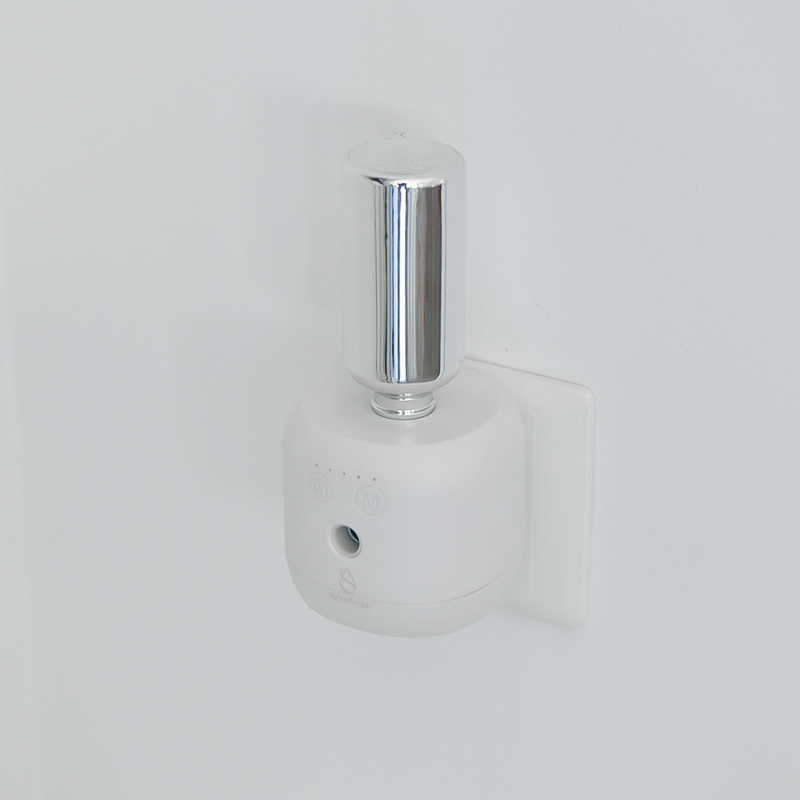
Active electronic dispersion provides output control that passive methods lack. Reed diffusers and unheated terracotta stones do not require electricity. They release scent continuously and cannot be turned off if a dog shows signs of distress. An electronic pet safe essential oil diffuser allows the user to immediately halt the dispersion of VOCs. This provides a critical safety mechanism.
When selecting hardware, specific features are non-negotiable for pet safety. Intermittent timers are essential. Continuous operation is dangerous in shared spaces. A standard cycle of 10-minutes-on followed by 30-minutes-off prevents the accumulation of heavy VOCs. Output control allows users to select low-mist modes, further managing atmospheric concentration. Auto-shutoff capabilities prevent dry-burn and overheating. This ensures no accidental chemical spikes occur if the water reservoir depletes.
Safe diffusion requires strict environmental management. The mandatory "Open Door" policy dictates that a dog must never be confined in a room with an active device. The animal must have an unobstructed exit to seek fresh air if the scent becomes overwhelming. HVAC systems and cross-ventilation play a vital role in diluting airborne VOCs. They prevent the scent from settling heavily near the floor.
Actionable metrics ensure safety. Limit diffusion to 10-15 minutes per session. Use a maximum of 1-2 drops of a verified safe oil per 100ml of water. This extreme dilution rate provides a faint background scent for humans while remaining below the threshold of irritation for canines.
Vigilance is required whenever introducing airborne particulates. Clinical signs of distress include pacing, excessive drooling, squinting, lethargy, coughing, or vomiting. If a reaction occurs, immediately turn off the device. Open all windows. Remove the dog to fresh air. Contact veterinary poison control. Never assume a dog will simply adjust to a new environmental scent.
The internal construction of the hardware directly impacts the purity of the dispersed mist. Cheap plastics degrade when exposed to the corrosive nature of essential oils. They release toxic micro-plastics and chemical vapors into the air alongside the botanical extracts. Partnering with a reputable essential oil diffuser OEM ensures the use of BPA-free, medical-grade polypropylene (PP) water tanks that resist chemical degradation.
The safety of a primary Essential Oil Diffuser relies on precision engineering. The ultrasonic plate must vibrate at the correct frequency (typically 2.4 MHz) to create a consistent, fine mist without heating the water. Heat alters the chemical structure of essential oils. It potentially creates new, toxic compounds. High-quality manufacturing guarantees cold-mist dispersion, maintaining the integrity of the botanical extract.
For buyers and brands, ensuring hardware meets stringent regulatory standards is critical. Devices must carry CE, FCC, and RoHS compliance certifications to guarantee electrical and material safety in residential environments. These certifications confirm that the device will operate safely over long periods without posing a fire hazard or releasing toxic manufacturing residues into the home.
A: Yes, provided there is an open door, active ventilation, and you are using only canine-safe oils heavily diluted in an ultrasonic device on intermittent settings. The dog must always have the freedom to leave the room.
A: Symptoms include excessive drooling, muscle tremors, severe lethargy, vomiting, coughing, sneezing, and respiratory distress. Immediate veterinary intervention is required if these occur.
A: Pure Lavandula angustifolia is generally safe when heavily diluted. However, synthetic fragrance oils labeled as "lavender" often contain toxic chemicals and must be strictly avoided.
A: No. Waterless or nebulizing diffusers disperse highly concentrated, undiluted oil particles into the air, which can quickly overwhelm a dog's respiratory system and cause toxicity.
A: Limit diffusion to 10-15 minutes per session. Use hardware with intermittent timer settings to prevent the accumulation of volatile organic compounds in the room.


