
Views: 0 Author: Site Editor Publish Time: 2026-09-08 Origin: Site


Scent marketing directly influences customer dwell time and brand perception. Deploying the wrong hardware leads to operational headaches and diluted brand equity. The market is saturated with low-grade, white-labeled units suffering from frequent mechanical failures, difficult maintenance requirements, and restrictive fragrance ecosystems. You need reliable hardware to maintain a consistent atmosphere. Poorly constructed units break down easily, leaving your space smelling stale. This inconsistency damages the customer experience. To avoid costly replacements, predatory contracts, and vendor lock-in, businesses and private labelers must evaluate hardware rigorously. You must judge units based on delivery technology, material safety, maintenance workflows, and the operational reliability of the manufacturer. Choosing the right diffusion technology ensures your signature scent reaches every corner of your space. Evaluating material quality prevents essential oils from degrading the internal components. Understanding maintenance realities saves your staff hours of frustrating cleaning. Proper vetting protects your brand from unreliable suppliers.
Technology Dictates Scale: Cold-air nebulizing technology is mandatory for large commercial spaces, while ultrasonic models are strictly for localized, small-room applications.
Maintenance is the Hidden Cost: Complex, decorative double lids and narrow reservoirs drastically increase labor costs and the risk of mold or oil buildup. Prioritize single, easy-to-clean lids.
Beware Vendor Lock-In: Hardware that restricts users to a single proprietary fragrance ecosystem limits flexibility; prioritize units that allow for diverse scent sourcing and avoid restrictive, long-term oil contracts.
Manufacturer Vetting is Critical: Partnering with a verified aroma diffuser manufacturer requires auditing their safety certifications (RoHS, CE), warranty terms, peer reviews, and supply chain transparency.
Aesthetics Must Match Brand Equity: For visible units, premium materials like stone, ceramic, and matte-finished metals are essential to maintain a high-end brand perception.
Differentiating between consumer-grade aesthetics and commercial-grade durability is your first operational hurdle. Consumer units prioritize visual appeal on a bedside table. They are not built for continuous daily operation. Commercial hardware must withstand rigorous, uninterrupted use. Internal pumps and motors in commercial units feature higher tolerances. They resist overheating during extended duty cycles. You must define success by the unit's ability to operate flawlessly for months. A beautiful exterior means nothing if the internal atomizer fails after three weeks of continuous use. High-quality Aroma Diffusers bridge the gap between robust internal mechanics and premium exterior design.
You must calculate required output based on cubic footage, ceiling height, and ambient airflow. Never rely solely on manufacturer maximum square footage claims. These claims often assume ideal conditions with zero air exchange. A space with twenty-foot ceilings requires significantly more scent output than a standard room. High-traffic areas with frequently opening doors lose scented air rapidly. You must account for your HVAC system's air turnover rate. To accurately size a unit for your facility, follow these specific calculation steps:
Measure the total length, width, and height of the target space to determine the total cubic footage.
Identify the Air Changes per Hour (ACH) of your ventilation system. High ACH environments require higher output atomizers to maintain scent concentration.
Evaluate the natural airflow patterns. Identify supply registers and return vents to ensure the scent will distribute evenly rather than being immediately sucked into an exhaust fan.
Match the calculated cubic volume against the diffuser's verified milliliter-per-hour consumption rate at its highest setting.
Assessing the structural requirements for HVAC-connected scenting is necessary for large facilities. HVAC integration provides seamless, invisible scent distribution across massive footprints. It requires professional installation and access to the supply plenum. You must ensure your HVAC system can handle the introduced nanoparticles without coating the internal ductwork. The installation requires drilling a small access hole into the duct and inserting a specialized delivery tube. You also need to wire the unit to the HVAC fan relay. This ensures the diffuser only operates when the air handler is actively moving air, preventing oil buildup inside stagnant ducts.
Standalone units offer the flexibility of plug-and-play floor or wall-mounted deployment. They require no structural modifications. You can easily move them to target specific zones. Standalone units are ideal for lobbies, corridors, and localized retail environments. They provide immediate impact without complex engineering requirements. When deploying standalone units, position them near natural air currents, such as just inside the main entrance, to allow the incoming draft to carry the scent deeper into the building.
Balancing functional output with the physical footprint is essential for visible units. Retail or wellness environments demand premium exterior materials. You should evaluate stone, ceramic, or architectural metals over standard glossy plastics. These materials match a high-end brand's design language. A plastic unit looks out of place in a luxury boutique. Matte finishes resist fingerprints and look sophisticated. Ceramic and stone covers add weight and stability. They prevent accidental tipping in high-traffic areas. The physical appearance of the hardware communicates your brand's commitment to quality. It must look intentional and integrated into your interior design.
Understanding diffusion mechanics is vital for selecting the right hardware. Different technologies yield vastly different results. You must match the delivery method to your spatial requirements. An objective breakdown of these mechanics reveals their strengths and limitations. Choosing the wrong technology guarantees poor scent distribution. It leads to frustrated staff and wasted fragrance oil. You must evaluate these systems based on their scientific principles. This ensures your chosen hardware aligns with your operational goals.
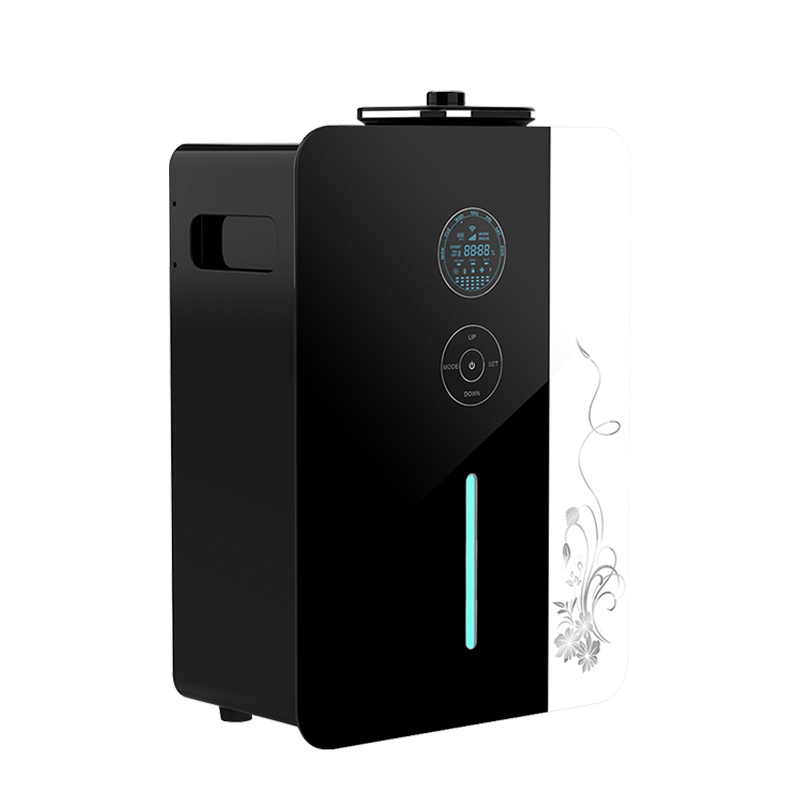
Cold-air nebulizing technology uses pressurized air to break essential and fragrance oils into nanoparticles. It requires zero water. This creates a highly concentrated, dry mist. The nanoparticles, typically measuring under 5 microns, remain suspended in the air for hours. This method is ideal for large spaces and HVAC integration. It preserves the therapeutic properties of the oils. The scent profile remains completely unaltered. However, these units require a higher initial investment. The internal air compressors can also produce a slight humming noise. You must place them strategically to minimize acoustic disruption in quiet environments. Look for units featuring brushless DC motors, as they offer significantly longer lifespans and quieter operation than standard brushed motors.
An aromatherapy diffuser uses water and a piezoelectric transducer to create a fine mist. The transducer vibrates at ultrasonic frequencies, typically around 2.4 MHz, agitating the water and oil mixture until it breaks the surface tension. This technology operates at a lower entry point. It adds beneficial humidity to the air. The visually appealing mist supports wellness-focused environments like yoga studios. However, they are strictly limited to small rooms. The water dilutes the scent impact significantly. They require daily water refills and regular cleaning. The mist falls quickly to the ground. It does not travel far from the unit. They are unsuitable for large commercial applications.
Evaporative diffusers use fans to blow ambient air through a scented pad. Heat diffusers use warmth to evaporate oils. Both are highly portable. However, they alter the chemical composition of the oil. Heat destroys the delicate top notes of complex fragrances. Fans provide uneven scent distribution. The lighter scent molecules evaporate first. This leaves a heavy, unbalanced base note residue. These technologies cannot deliver a consistent, high-quality olfactory experience. They belong in residential settings, not commercial environments. Avoid these entirely when building a professional scent marketing strategy.
Technology Type | Mechanism | Best Application | Pros | Cons |
|---|---|---|---|---|
Cold-Air Nebulizing | Pressurized air atomizes pure oil into sub-micron nanoparticles. | Large commercial spaces, HVAC integration, hotel lobbies. | Zero water, high concentration, massive coverage area, unaltered scent profile. | Higher initial investment, requires periodic atomizer cleaning, slight compressor noise. |
Ultrasonic | Piezoelectric transducer vibrates water and oil into a humid mist. | Small rooms, wellness centers, private label consumer goods. | Adds humidity, visually soothing mist, extremely quiet operation. | Dilutes scent, requires daily water refills, limited range, susceptible to mineral scale. |
Evaporative / Heat | Fans or heating elements force oil evaporation into the air. | Personal desk use, small residential areas. | Highly portable, simple mechanics, no water required. | Alters oil chemistry, uneven distribution, weak scent, destroys top notes. |
Translating physical specs into operational realities is necessary. A spec sheet only tells half the story. You must understand how those specifications impact daily use. High output numbers mean nothing if the unit clogs weekly. Premium materials matter little if the internal pump fails. You must evaluate hardware holistically. Look beyond the marketing claims. Focus on the engineering choices that dictate longevity and ease of use. This rigorous evaluation separates professional equipment from disposable consumer gadgets.
The importance of chemical-resistant plastics cannot be overstated. Essential oils contain highly reactive compounds like terpenes and phenols. Citrus oils, rich in d-limonene, act as powerful solvents. They will melt standard polystyrene or ABS plastics rapidly. You must look for High-Density Polyethylene (HDPE), Polypropylene (PP), or Polyethylene Terephthalate (PET) for internal reservoirs. Glass, ceramic, or aluminum exteriors provide durability and aesthetic appeal. These materials prevent the unit from leaching toxic chemicals into the air. Evaluating manufacturing claims is also necessary. Ensure the materials support a non-toxic, sustainable environment. High-quality materials extend the lifespan of the hardware. They protect your investment and ensure safe operation in public spaces.
Analyzing lid design reveals the true maintenance burden. A single, simple, easy-to-clean lid is vastly superior. Decorative double lids trap moisture and oil residue. They create breeding grounds for mold. They require specialized brushes to clean properly. You must assess reservoir accessibility. Wide-mouth reservoirs allow for quick wiping. Narrow openings require tedious soaking and rinsing. Evaluate the frequency of required deep cleans. Streamlined designs reduce labor hours and ensure consistent performance. Implement these standard maintenance protocols based on your technology:
Nebulizing Units: Perform a monthly flush by running rubbing alcohol through the system for fifteen minutes. This dissolves hardened essential oil resins inside the micro-tubes and prevents atomizer clogs.
Ultrasonic Units: Empty residual water daily. Wipe the reservoir with a soft cloth. Weekly, run a solution of water and white vinegar to dissolve mineral scale buildup on the ultrasonic transducer.
Exterior Housings: Wipe down metal or ceramic exteriors weekly with a microfiber cloth to remove ambient dust and stray oil droplets, maintaining the premium aesthetic.
White-labeling requires specific customization capabilities. You need a manufacturer that offers custom pantones to match your brand guidelines. Logo silkscreening must be precise and durable. Bespoke packaging elevates the unboxing experience for retail customers. Buying off-the-shelf for a physical business location requires different considerations. You might prioritize neutral colors that blend into your architecture. Ensure the manufacturer can accommodate your specific branding needs. Clear communication regarding minimum order quantities for custom finishes is essential. This ensures your branded hardware aligns perfectly with your visual identity.
Avoiding unreliable suppliers requires strict due diligence. Predatory service contracts can cripple your operational flexibility. You must ensure long-term hardware support. A flashy catalog does not guarantee reliable manufacturing. You need a partner with a proven track record. They must demonstrate transparency in their supply chain. They should welcome audits and provide verifiable documentation. Partnering with a reputable aroma diffuser manufacturer mitigates implementation risks. It ensures you receive consistent quality across multiple production runs.
Mandatory compliance checks are non-negotiable. You must verify CE, FCC, and RoHS certifications. These standards ensure the hardware meets international safety and environmental regulations. RoHS compliance guarantees the internal circuit boards are free from hazardous heavy metals like lead and cadmium. UL listings are critical for mitigating fire and electrical risks. Commercial insurance policies often require UL-listed equipment. Operating uncertified hardware exposes your business to massive liability. Request the actual certification documents from the manufacturer. Verify the UL file number directly in the UL Product iQ database to ensure authenticity.
Evaluating the Service Level Agreement for defective units is vital. You need to know how quickly they will replace failed hardware. Assess the availability of replacement atomizers and internal pumps. A good manufacturer stocks spare parts for years. They do not force you to buy a completely new unit for a minor failure. Ask for the Mean Time Between Failures (MTBF) rating for their internal air compressors. Customer support responsiveness is equally important. Test their communication channels before signing a contract. You need a partner who answers technical questions promptly. Reliable support minimizes downtime and keeps your spaces smelling perfect.
Checking industry-specific forums is highly revealing. Retail owner groups and facility management associations share honest feedback. They will identify manufacturers with a history of poor post-sale support. They expose aggressive lock-in tactics. Look for patterns in the complaints. Isolated issues happen, but consistent reports of pump failures indicate systemic manufacturing defects. Pay attention to how the manufacturer handles public criticism. Do they resolve issues, or do they ignore them? Peer reviews provide ground-truth data that marketing materials omit.
Assess whether the hardware manufacturer also produces the oils. A vertically integrated home fragrance manufacturer often provides better hardware-oil compatibility. However, you must ensure their fragrance library meets your specific brand needs. You need access to diverse profiles. This includes hotel-inspired blends like sandalwood for grounding and frankincense. It also includes highly specific niche requirements. You might need masculine, woodsy notes or bespoke wellness scents. Ensure they do not force you into proprietary cartridges. You must retain the freedom to source oils elsewhere if their library falls short.
Request detailed specification sheets and physical hardware samples from your shortlisted manufacturers to inspect material quality firsthand.
Conduct a rigorous 14-day stress test in a controlled environment to evaluate output consistency and monitor the unit for overheating or leaks.
Calculate your projected monthly oil consumption rates based on your specific spatial volume and the unit's maximum output settings.
Verify all safety certifications, including UL and RoHS, directly with the issuing regulatory bodies before finalizing any bulk purchase agreements.
A: An aromatherapy diffuser uses water and ultrasonic technology to create a humidified mist, ideal for small wellness spaces. A commercial scent diffuser uses waterless cold-air nebulizing technology to atomize pure oil into sub-micron nanoparticles. This provides massive coverage areas for ambient scenting in large lobbies and retail environments without adding humidity.
A: You must verify their safety certifications like CE, RoHS, and UL. Request physical samples to inspect material quality and internal pump construction. Audit peer reviews in industry forums to check their reputation. Always verify their warranty terms and ensure they do not force you into predatory, proprietary oil contracts.
A: HVAC units provide seamless, invisible, whole-building coverage, making them superior for massive facilities. However, they require professional installation and access to the supply plenum. Standalone units offer plug-and-play flexibility and are easier to maintain, making them better for localized zones or spaces without accessible ductwork.
A: No. Nebulizing diffusers require specific oil viscosities. Using heavy carrier oils will permanently clog the internal atomizer. You must use pure essential oils or high-grade fragrance oils designed specifically for cold-air diffusion. Always source scents from reputable suppliers who understand nebulizer viscosity requirements.
A: Internal reservoirs must use high-grade, chemical-resistant plastics like PET, PP, or HDPE to prevent essential oils from melting the components. For exteriors, glass, ceramic, stone, or architectural metals are best. These materials ensure sustainability, safety, and durability while maintaining a premium aesthetic.
A: Ultrasonic units require daily wiping and water replacement to prevent mold and mineral scale buildup on the transducer. Cold-air nebulizing units generally need a deep clean every one to three months. You flush them with rubbing alcohol to clear the atomizer tubes. Single-lid designs drastically reduce cleaning time.


