
Views: 0 Author: Site Editor Publish Time: 2026-07-30 Origin: Site


The market is saturated with thousands of cheaply manufactured aromatherapy devices, making it difficult to separate high-quality units from those prone to early failure, toxic chemical off-gassing, or safety hazards. Buyers need a device that effectively disperses scent without degrading the therapeutic properties of the oils, while also navigating a landscape of misleading product claims, poor warranties, and toxic materials. This guide provides a framework for evaluating device types, assessing material safety, and determining exactly where to purchase a reliable essential oil diffuser. Whether you are setting up a single unit for personal use or sourcing inventory through a commercial essential oil diffuser distributor, understanding the mechanical differences and material requirements will prevent wasted investments on substandard hardware.
Nebulizing technology relies on pressurized air to atomize pure plant extracts into a micro-fine vapor. The internal mechanism forces a high-speed air current across a small capillary tube. This action creates a vacuum that pulls the liquid upwards, blowing it against a glass surface to shear the oil into microscopic droplets. Because this method requires zero water and zero heat, the chemical profile of the botanical extract remains completely intact.
The primary advantage of a nebulizer is the maximum therapeutic benefit and an incredibly strong scent throw. You can fill a large open-concept living space with fragrance in a matter of minutes without increasing the room's ambient humidity. However, these units consume liquid much faster than other models. The internal air pump also emits a slight humming noise, which might be noticeable in a dead-silent room. Nebulizers are best suited for large spaces, clinical aromatherapy applications, and users who prioritize raw scent potency over economical liquid usage.
Ultrasonic models operate using electronic frequencies to create rapid vibrations in a water reservoir. A small ceramic disc located at the base of the tank vibrates at ultrasonic speeds. This mechanical action breaks both the water and the botanical extracts into microscopic particles, propelling them into the air as a fine, cool mist. This technology dominates the residential market due to its versatility and ease of use.
An ultrasonic aroma diffuser doubles as a light humidifier, adding a small amount of moisture to dry indoor air. These units operate almost silently and use significantly less extract per session because the liquid is diluted in water. The main drawback is the dilution itself, which results in a milder scent profile compared to nebulizers. They also require strict, regular cleaning to prevent mold and bacterial growth inside the damp reservoir. They are highly effective for bedrooms, home offices, and standard living spaces.
Evaporative models utilize a small internal fan that blows ambient air through a filter or pad soaked in botanical extracts. As the air passes through the pad, the liquid evaporates and disperses into the room. Heat models use a gentle thermal source, such as a low-wattage bulb or a ceramic heating element, to warm the liquid and accelerate evaporation.
These methods fall short for high-end therapeutic applications. Applying heat alters the delicate chemical composition of the extracts, potentially destroying the very properties you want to disperse. Evaporative models suffer from uneven scent distribution. The lighter, more volatile chemical components evaporate rapidly, providing a strong initial burst of scent, while the heavier base notes linger on the pad and evaporate much later.
Passive diffusion relies entirely on natural ambient air currents and capillary action. This category includes porous materials like unglazed clay, terracotta stones, wooden reeds, or simple household items like cotton balls. You apply the liquid directly to the material, and it slowly evaporates into the surrounding environment over several days.
These methods require zero electricity, making them completely silent, highly portable, and immune to mechanical failure. However, they offer an extremely limited scent throw. The fragrance remains localized to a very small radius, usually just a few feet. Passive options work well for personal desk spaces, small closets, car interiors, and users seeking a zero-energy setup.
The physical housing and internal components of the device must resist the highly corrosive nature of pure botanical extracts. Citrus extracts, in particular, contain compounds that will rapidly dissolve and degrade cheap plastics. Material integrity directly impacts the safety of the mist you breathe and the overall longevity of the hardware.
When evaluating construction, look for medical-grade glass reservoirs and untreated wood bases. Artisanal stone or ceramic outer covers offer excellent durability and aesthetic appeal. For ultrasonic models, the internal water tank must be molded from strictly BPA-free polypropylene (PP) plastic. You must avoid cheap ABS plastics, which will break down, crack, and leach synthetic chemicals into the water and air over time.
| Material Type | Component Usage | Corrosion Resistance | Maintenance Requirement |
|---|---|---|---|
| Polypropylene (PP) | Internal Water Tanks | High | Requires weekly wiping to prevent biofilm |
| Medical-Grade Glass | Nebulizer Reservoirs | Maximum | Requires alcohol soaking to clear clogs |
| Ceramic / Stone | Outer Housings | High | Wipe exterior with damp cloth |
| ABS Plastic | Cheap Housings/Tanks | Low (Prone to melting) | Not recommended for pure extracts |
Testing for low-decibel performance ensures the unit does not disrupt sleep or deep focus. Look for hardware operating under 30 to 35 decibels. The physical interface should feature tactile buttons that respond reliably, rather than overly sensitive touch panels that fail when your fingers are wet.
Evaluate the physical handling of the unit. Removable lids should lift off easily with one hand without requiring you to twist or pry them open, which often leads to spilling water. Built-in splash guards inside the lid prevent condensation droplets from pooling on your wooden furniture. Programmable mist settings, such as alternating between 3 hours of continuous output and 10 hours of intermittent output, allow you to control scent density and prevent olfactory fatigue.
Matching the hardware to your physical space requires calculating the necessary tank size and output rate. A small 100ml tank provides adequate coverage for a standard bathroom or a small home office. Open-concept living areas or large master bedrooms typically require a 500ml tank or larger to maintain a noticeable scent profile.
Variable mist output adjustability allows you to dial in exact fragrance levels based on the room's square footage. A high-output setting quickly saturates a large room, while a low setting maintains a subtle background scent without overwhelming the space or wasting liquid.
Waterless auto-shutoff sensors are a mandatory safety requirement for any ultrasonic model. This internal sensor detects when the water level drops below the ceramic disc and automatically cuts power to the device, preventing the motor from burning out or creating a fire hazard. Programmable timer relays allow you to set specific operation durations so the unit does not run indefinitely.
LED light toggles are another critical feature. While ambient lighting looks nice in a living room, the ability to turn off all indicator lights completely is necessary for nighttime use in dark bedrooms. Automation features ensure the hardware operates safely even if you walk out of the house and forget to turn it off manually.
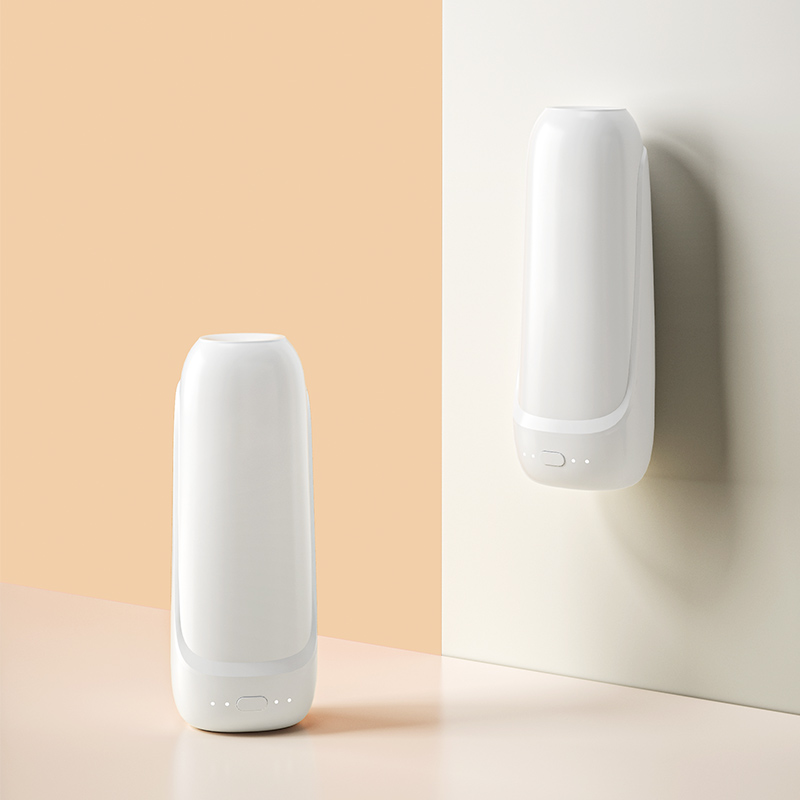
Design-forward wellness brands often sell their hardware directly to consumers through their own websites. These companies focus heavily on premium aesthetics, utilizing heavy stone, matte ceramic, or brushed metal casings. Purchasing directly from the manufacturer guarantees product authenticity and provides direct access to their internal customer support teams.
These brands typically offer robust warranties, often covering the hardware for a full year against motor failure or sensor malfunction. The main drawback is the inability to compare different brands side-by-side in a single storefront. You are also paying a premium for the brand's marketing and design overhead. However, the quality control standards are generally far superior to anonymous marketplace sellers.
Online marketplaces carry a massive volume of white-labeled, low-quality units. The prevalence of fake reviews makes it difficult to identify reliable hardware. However, if you know what to look for, you can find functional entry-level models suitable for guest bedrooms or secondary spaces.
When shopping on massive online marketplaces, you must vet the seller's history carefully. Look for established brands that maintain their own official storefronts on the platform rather than buying from anonymous third-party vendors with random alphanumeric names. Verify that the hardware carries legitimate UL or ETL safety listings to ensure the electrical components won't short out.
Commercial operators, such as boutique hotels, wellness centers, spas, or independent retailers looking to buy in bulk, should source their hardware directly from a dedicated Essential Oil Diffuser distributor. This supply chain route offers significant advantages for commercial deployment and inventory management.
When evaluating a distributor, review their minimum order quantities (MOQs) to ensure they align with your storage capacity. Ask about their drop-shipping capabilities if you run an e-commerce operation. If you intend to build your own brand, look for private or white-labeling options. Most importantly, demand proof of international compliance certifications, including CE, RoHS, and FCC, to guarantee the hardware meets global safety and environmental standards.
Purchasing the cheapest available unit often results in premature hardware failure. Low-grade motors burn out quickly, and thin plastics crack under the stress of daily thermal expansion and chemical exposure. The frequency of replacing broken units makes low-quality hardware a poor long-term choice. Premium units utilize heavy-duty internal components designed to withstand years of daily operation.
Investing in durable hardware reduces electronic waste and daily frustration. High-quality ceramic ultrasonic discs resist mineral scaling and last significantly longer than cheap alternatives. Superior fan motors operate quietly for years, whereas budget motors often develop an irritating rattle after just a few months of use.
You must balance the intense, pure scent delivery of a waterless nebulizer against the sheer volume of liquid it consumes. Nebulizers pull liquid rapidly from the reservoir to achieve their massive scent throw. This mechanical reality requires frequent refilling, which increases the ongoing requirement for botanical extracts.
Ultrasonic units offer highly economical usage. By suspending the extract in a larger volume of water, a mere five to ten drops can provide hours of continuous scent. This trade-off between raw scent intensity and liquid consumption rate should dictate which technology you choose based on your specific application.
Leaving stagnant water inside an ultrasonic unit creates a breeding ground for bacteria and mold. When you turn the unit back on, this microbial contamination is aerosolized directly into your breathing environment. Regular maintenance is not a suggestion; it is a strict health requirement for operating water-based hardware.
Certain botanical extracts are highly toxic to cats and dogs when inhaled or absorbed through the skin. Tea tree, eucalyptus, citrus, pine, and peppermint pose severe risks to household pets. Children also possess more sensitive respiratory systems than adults and can be easily overwhelmed by heavy scent concentrations.
Mitigate these risks through strategic physical placement. Keep the hardware on high shelves out of reach to prevent accidental spills or ingestion. Ensure the room has adequate HVAC ventilation and utilize intermittent mist modes rather than continuous output. Always consult veterinary guidelines before dispersing specific botanicals in a home with animals.
Running synthetic fragrance oils or heavy carrier oils (like jojoba, almond, or coconut oil) through your hardware will cause immediate damage. These thick substances permanently clog the microscopic glass jets inside nebulizers and leave a thick, corrosive residue on ultrasonic plates that prevents them from vibrating.
Only use pure, thin botanical extracts. Avoid thick, resinous liquids like vetiver or sandalwood unless you are prepared to clean the unit immediately after use. Utilizing high-quality, unadulterated liquids ensures your hardware operates efficiently and reaches its maximum intended lifespan.
A: A humidifier is designed to add significant moisture to the air to raise the overall room humidity levels, often holding several gallons of water. An aroma diffuser primarily disperses scent. While ultrasonic models do add a small amount of moisture, their water tanks are far too small to impact the overall humidity of a room effectively.
A: Place the hardware on a flat, stable, water-resistant surface. Keep it at least two feet above the floor and away from direct sunlight, open windows, or active HVAC vents that will blow the mist against a wall. Ensure it is completely out of reach of children and pets.
A: Look for distributors that provide verifiable international safety certifications like CE, FCC, and RoHS. Request physical samples to test the material quality, plastic thickness, and motor noise in person. Check their minimum order quantities and demand clear terms regarding their return policies for defective units.
A: Ultrasonic models can leave a fine white dust or moisture residue if placed too close to wooden surfaces or if filled with hard tap water. Nebulizing models may leave a slight oily film on nearby surfaces if run continuously on high settings in a poorly ventilated space.
A: Most manufacturers strongly recommend using distilled or filtered water. Tap water contains heavy minerals that create hard scale buildup on the ultrasonic ceramic disc, which reduces its vibration efficiency and lifespan. Mineral buildup also contributes to white dust settling on your furniture.


