
Views: 0 Author: Site Editor Publish Time: 2026-09-22 Origin: Site


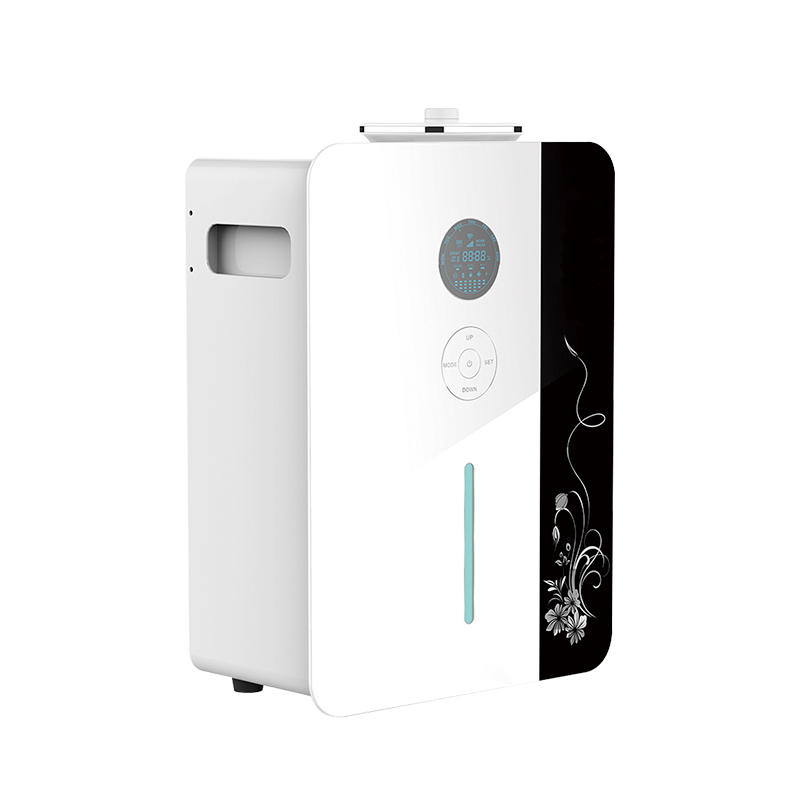
The effectiveness of ambient scenting relies entirely on precise mist configuration. Incorrect settings lead to either an undetectable fragrance or an overpowering, uncomfortable environment. Facility managers face the daily challenge of balancing square footage, ambient airflow, and consumable oil costs without causing olfactory fatigue among staff and visitors. Dialing in the exact pump pressure, run-time, and pause-time dictates how fragrance particles travel through a commercial space. We built this technical evaluation guide to provide a clear framework for selecting the correct mist intensity, duration, and daily scheduling. You will learn how to calibrate your equipment based on spatial requirements, physical placement, and specific industry standards to achieve optimal scent dispersion. Proper calibration prevents wasted fragrance and ensures the scent remains a subtle, integrated part of the building's atmosphere rather than a distraction.
Technology Matters: Cold-air nebulization creates sub-micron nanoparticles, requiring different mist setting calculations compared to residential ultrasonic units.
Volume vs. Airflow: Selecting the right setting depends less on maximum output and more on the interaction between a large area diffuser and the building’s HVAC system or natural airflow.
Programmability is Critical: Enterprise-grade scenting requires multi-event scheduling (e.g., adjusting intensity for peak vs. off-peak foot traffic or running in 1-2 hour blocks) to optimize fragrance consumption.
Cost-to-Output Ratio: Higher mist settings exponentially increase consumable costs and maintenance intervals; baseline calibration is required to find the minimum effective dose.
Understanding what mist settings actually control is the first step in proper calibration. In a Commercial Aroma Diffuser, you are not simply turning a dial from low to high. You are programming a duty cycle. This cycle consists of pump pressure, active run-time, and idle pause-time. These three variables work together to maintain a consistent fragrance concentration in the air without overwhelming the space. When we install these systems in large lobbies, we always start by analyzing the duty cycle capabilities of the specific machine.
Commercial units utilize cold-air nebulization technology. This process uses pressurized air to force liquid fragrance oil through a microscopic nozzle. The resulting sheer force breaks the oil down into a dry mist of sub-micron nanoparticles. These particles are incredibly light. They remain suspended in ambient air currents for hours. They leave no residue on surfaces, furniture, or floors.
Traditional water-based diffusers operate differently. They use ultrasonic vibrations to create a heavy mist of water and oil. This alters the humidity of the room. The heavy particles fall to the ground quickly, limiting their coverage area. Because cold-air nebulizers produce a dry, lingering mist, their settings require precise interval timing. Continuous output from a nebulizer will quickly oversaturate a room. I have seen floors become slick and dangerous because a facility manager treated a nebulizer like a cheap ultrasonic humidifier.
The core of mist configuration lies in the ratio between two settings: Work Time and Pause Time. Work Time is the exact duration the internal pump remains active. For example, setting the work time to 30 seconds means the pump forces dry mist into the room for exactly half a minute.
Pause Time is the duration the pump rests before the next cycle begins. Setting the pause time to 90 seconds gives the HVAC system and natural room drafts time to circulate the suspended nanoparticles. The ratio between these two variables dictates the overall mist concentration.
A 30-second work time paired with a 90-second pause time creates a 25% duty cycle. The unit actively disperses scent for only 15 minutes out of every hour. A 60-second work time paired with a 60-second pause time creates a 50% duty cycle. Adjusting this ratio allows you to fine-tune the fragrance intensity for any specific zone. We often use a stopwatch during initial setup to verify the machine's internal timer matches the actual output duration.
Follow this standard field protocol to establish your baseline duty cycle:
Power on the unit and navigate to the primary duty cycle menu on the LCD screen.
Set the initial Work Time to 20 seconds to establish a conservative baseline.
Set the Pause Time to 100 seconds, allowing ample time for the HVAC system to circulate the initial burst.
Leave the area for 15 minutes to clear your olfactory palate, then return to assess the concentration.
Increase the Work Time in 5-second increments if the scent is undetectable, repeating the palate-clearing process each time.
You must configure your settings based on the physical environment. The type of machine deployed, its physical location, and the room's airflow dynamics all influence the ideal work-to-pause ratio.
Physical placement directly impacts nebulizer performance. Standalone units must sit on a solid, flat surface. Internal pumps generate slight vibrations. If placed on an uneven or unstable surface, these vibrations can disrupt the nebulizer's calibration and increase operational noise. We recommend utilizing a protective tray beneath the unit to catch any accidental drips during routine oil refills.
Wall-mounting offers distinct advantages in high-traffic areas. Mounting the unit four to six feet off the ground places the mist output directly into the human breathing zone. It also maximizes wide fragrance coverage by utilizing higher air currents. Securely mounting the device prevents unauthorized tampering with the control panel. When mounting to drywall, always use heavy-duty toggle bolts. The constant micro-vibrations of the pump will eventually pull standard plastic anchors out of the wall.
Small to medium zones include lobbies, waiting rooms, and boutique retail spaces. These areas require conservative baseline settings. Start with a 20-second work time and a 100-second pause time. This prevents the scent from becoming overwhelming in confined spaces.
Placement variables heavily influence these settings. Positioning a unit near return air vents means the HVAC system will pull the scent out of the room prematurely. You must adjust the pause time to compensate for high air exchange rates. Conversely, placing the unit near high-traffic doors introduces outside drafts. Position the machine to leverage supply air currents, allowing the natural draft to push the scent inward.
Spaces exceeding 2,000 square feet demand a different approach. Auto showrooms, hotel atriums, and large event halls feature high ceilings and massive air volumes. A large area aroma diffuser is required to handle these environments.
In open floor plans, you often need to utilize the second or third highest intensity settings. Increase the work time to 45 or 60 seconds. However, you must combine this with longer pause intervals, such as 120 to 180 seconds. This extended pause allows the dense cloud of dry mist to travel and disperse without pooling near the machine. Running high intensity with short pauses will oversaturate the immediate vicinity while leaving the far corners of the room unscented.
Injecting scent directly into ductwork provides the most uniform coverage for massive facilities. However, HVAC integration introduces complex airflow variables. You are no longer scenting a single room; you are scenting the entire air volume moving through the air handler unit (AHU).
You must sync the mist settings with the HVAC fan schedules. The machine should only run when the AHU fan is active. If the pump injects mist into a dormant duct, the heavy concentration of nanoparticles will eventually settle and condense on the sheet metal. This wastes fragrance oil and risks duct saturation. Wire the unit to an airflow sensor or interlock relay to ensure the work cycle only triggers during active air circulation. We typically drill a small pilot hole in the supply plenum, insert the Teflon tube, and seal it with aluminum foil tape to prevent air leaks.
When tying into an HVAC system, you must account for the duct's static pressure and the air handler's CFM (Cubic Feet per Minute) rating. A high-velocity system will strip the scent out of the ductwork rapidly, requiring a higher work time on the diffuser to maintain a noticeable presence in the occupied space. Conversely, a low-velocity system requires longer pause times to prevent the nanoparticles from colliding and condensing on the duct walls. Always install the injection tube downstream from the cooling coils and filters. Injecting scent before the filter will trap the nanoparticles, destroying the filter's MERV rating and completely neutralizing the fragrance.
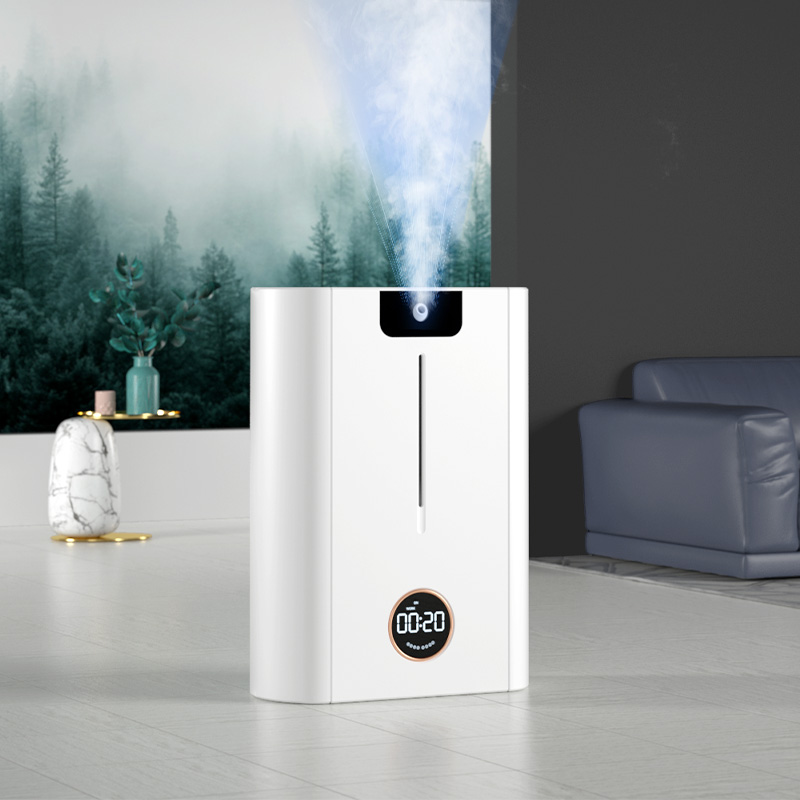
Different business environments require distinct sensory experiences. You must map your mist setting strategies to your desired customer outcomes. What works for a retail store will fail in a medical clinic.
Industry Setting | Work Time | Pause Time | Primary Goal |
|---|---|---|---|
Hospitality & Hotels | Low (15-20s) | Medium (90s) | Subtle, continuous background ambiance |
Retail & Showrooms | Medium-High (40-60s) | Long (120-150s) | Immediate brand recognition upon entry |
Spas & Wellness | Low-Medium (20-30s) | Extended (180s) | Deep relaxation, block scheduled |
Corporate Offices | Very Low (10-15s) | Extended (200s) | Odor remediation, allergen conscious |
The success criteria for hotels involve creating a background ambiance that registers subconsciously. Guests should notice the pleasant environment without immediately identifying the source. The scent must feel natural and integrated into the architecture.
The recommended setting profile utilizes a low work time and a medium pause time. A 15-second burst followed by a 90-second pause works well. The unit should run continuously during operating hours to maintain a stable, unwavering baseline of fragrance in the lobby and corridors.
Retail environments demand immediate brand recognition. When a customer walks through the front doors, the scent should make a distinct impression. This requires a more aggressive dispersion strategy.
Set a medium-to-high work time combined with a long pause time. A 50-second burst followed by a 150-second pause pushes a dense cloud of fragrance into the entryway. Strategically place the unit near the main doors. The long pause time prevents the store interior from becoming suffocating, while the high work time ensures the entry zone remains impactful.
Spas focus on promoting deep relaxation. Overwhelming the senses or causing fragrance-induced headaches completely ruins the client experience. You need wide coverage that remains incredibly soft.
Deploy a large area diffuser with a low-to-medium work time and an extended pause time. Utilize block scheduling. Instead of running the unit all day, program it to run for one to two hours during peak appointment times. This maintains a serene environment while giving the olfactory receptors time to reset.
Offices and medical clinics require strict odor remediation and subtle freshness. You must avoid triggering sensitivities or allergies among staff and patients. The scent should communicate cleanliness, nothing more.
Implement a very low work time and an extended pause time. A 10-second burst followed by a 200-second pause provides just enough output to neutralize stale air. Always utilize hypoallergenic fragrance profiles in these environments to ensure maximum safety and comfort.
When evaluating a commercial scent machine, hardware is only half the equation. The software and control features dictate how efficiently you can manage the daily duty cycles. Granular programmability separates enterprise-grade equipment from basic models.
Foot traffic fluctuates throughout the day. Your mist settings should adapt to these changes. A static setting that works for a quiet Tuesday morning will be insufficient for a crowded Saturday afternoon. Look for units that offer four to five distinct program settings per day.
For example, Program 1 might run from 08:00 to 10:00 at 40% intensity to welcome morning staff. Program 2 might run from 13:00 to 15:00 at 60% intensity to combat the mid-day rush. Block scheduling maximizes oil lifespan. It also prevents the building occupants from experiencing scent fatigue.
Facility managers overseeing multiple locations require remote management capabilities. Local LCD control panels are sufficient for single-site operators. You manually input the work and pause times directly on the machine. However, this becomes inefficient at scale.
Bluetooth and Wi-Fi app controls offer significant operational efficiency. You can adjust the mist intensity, alter daily schedules, and monitor duty cycles from a smartphone. Wi-Fi enabled units allow remote adjustments across different states, ensuring brand consistency across hundreds of retail locations without requiring on-site staff intervention.
Running diffusers on high settings introduces hidden costs and maintenance realities. You must understand the trade-offs between aggressive scenting and operational longevity.
Increasing the work time directly impacts your monthly fragrance oil depletion rates. Fragrance oil is the primary ongoing expense in scent marketing. If you double the work time from 30 seconds to 60 seconds, you double your oil consumption.
Finding the lowest effective mist setting yields the highest return on investment. Start with conservative settings. Allow the scent to circulate for 24 hours. If the fragrance is too weak, increase the work time by 5 seconds. Repeat this process until you find the exact threshold where the scent is noticeable but not overpowering. This baseline calibration saves significant money over an annual contract.
Over-saturating a space carries physical and biological risks. If standalone units are set too high, the sheer volume of nanoparticles can eventually settle, creating potential slip hazards on hard floors. Customer complaints often spike when settings remain unchecked.
Olfactory fatigue occurs when the brain stops registering a constant smell. Staff members and frequent visitors will quickly become desensitized to the scent if the machine runs continuously. Intermittent misting with longer pause times prevents this. The brief absence of fragrance allows the olfactory receptors to recover, ensuring the scent remains impactful.
Symptom | Likely Cause | Setting Adjustment / Action |
|---|---|---|
Scent is overpowering near the unit but weak far away. | Pause time is too short. | Increase pause time by 60 seconds to allow dispersion. |
Fragrance oil depletes in less than two weeks. | Work time is too high or running 24/7. | Reduce work time by 20%; implement block scheduling. |
Unit makes a loud vibrating noise. | Unstable surface or failing pump. | Place on a rubber mat; check if work time exceeds limits. |
No scent detected despite pump running. | Clogged nebulizer nozzle. | Run rubbing alcohol through the system for 15 minutes. |
Accurate mist output relies on a clean nebulizer nozzle. Over time, fragrance oils can leave trace residues inside the micro-tubing. This is especially true when using thicker essential oil blends like sandalwood or patchouli.
Routine maintenance is not optional. When we service commercial units in the field, the vast majority of malfunctioning machines simply have clogged nozzles due to neglected maintenance. Here is the field protocol for monthly cleaning:
Unscrew the fragrance bottle and pour any remaining oil into a sealed glass container.
Fill an empty service bottle with two ounces of 90% isopropyl alcohol.
Attach the alcohol bottle to the nebulizer head and secure it in the machine.
Override the daily schedule and set the machine to run continuously for 10 to 15 minutes.
Listen for the pitch of the pump to change; a higher pitch indicates the blockage has cleared.
Remove the alcohol bottle, let the nozzle air dry for two minutes, and reattach the fragrance oil.
Failing to perform this routine maintenance forces the internal pump to work harder, altering the work-to-pause ratio and eventually leading to hardware failure.
Conduct a localized scent trial by starting with conservative work-to-pause ratios and scaling up gradually based on actual foot-traffic feedback.
Program your equipment using multi-event daily scheduling to align mist output strictly with your peak operating hours.
Implement a strict monthly maintenance schedule to flush the nebulizer nozzle with rubbing alcohol, ensuring consistent mist volume and preventing pump strain.
Utilize block scheduling in one to two-hour intervals to combat olfactory fatigue among staff and extend the lifespan of your fragrance oil.
Consult a scent marketing specialist for a comprehensive HVAC assessment before attempting to inject fragrance directly into large-scale ductwork.
A: Start with a 30-second work and 90-second pause ratio. Adjust this baseline according to your ceiling height and HVAC airflow. Open floor plans generally require the second or third highest intensity setting combined with longer pause intervals to allow the mist to disperse fully without pooling.
A: Align your run times strictly with your business operating hours using programmable daily events. We recommend running the machine in one to two-hour blocks rather than continuously. This strategy saves fragrance oil and prevents staff and customers from experiencing olfactory fatigue.
A: Place the unit on a solid, flat surface utilizing a protective tray to prevent vibration and spills. Alternatively, securely wall-mount the device four to six feet high. Ensure it is positioned to take advantage of natural room airflow and supply drafts.
A: Cold-air nebulizers produce sub-micron nanoparticles that are incredibly light and dry. Unlike residential ultrasonic water diffusers that pump out heavy, wet clouds, nebulized dry mist is often completely invisible to the naked eye.
A: Yes. There is a direct mathematical correlation between increased work time and accelerated oil consumption. Running the pump for longer durations pushes more liquid through the nebulizer, significantly impacting your monthly operating costs.
A: You must match the diffuser's output schedule with the HVAC fan's active cycles. Use an airflow sensor or interlock relay to ensure the machine only injects mist when the air handler unit is actively blowing air through the ductwork.
A: Yes. Utilizing longer pause times and block scheduling gives the olfactory receptors a necessary break. Intermittent misting prevents the brain from tuning out the scent, ensuring the fragrance remains noticeable to both staff and frequent visitors.


