
Views: 0 Author: Site Editor Publish Time: 2026-08-12 Origin: Site


The inherent conflict between wellness technology and interior design often leaves homeowners compromising on either aesthetics or performance. Most market-available diffusers rely on glossy plastics and disruptive LED lighting that clash with curated, modern interiors. Consumers struggle to find a device that delivers optimal, high-capacity scent dispersion without compromising the visual integrity of a minimalist, contemporary, or luxury aesthetic. Moving beyond basic functionality requires evaluating diffusers through a dual lens: architectural integration and technical performance. We must look at materials, silhouette, and physical footprint alongside the diffusion method, coverage area, and maintenance realities. Finding the essential oil diffuser best suited for your home means rejecting appliances that look like medical devices and demanding hardware that elevates the room's design while effectively managing ambient scenting.
Evaluating exterior materials is the first step in selecting a device that complements interior architecture. The visual and tactile differences between unglazed ceramic, polyresin stone composites, brushed metals, and high-grade matte plastics determine how well the unit blends into its surroundings. When staging high-end residential properties, standard glossy plastic diffusers immediately stand out. They reflect light poorly and draw the eye for the wrong reasons. Unglazed ceramics and stone composites absorb ambient light, providing a soft, organic texture that anchors a room. Brushed metals offer a sleek, industrial edge suitable for contemporary spaces, while high-grade matte plastics provide durability without the cheap sheen of standard injection molding.
Neutral color palettes play a significant role in concealing the device. Tones like soft linens, muted terracottas, and deep slates allow the hardware to masquerade as sculptural art. Minimalist silhouettes—favoring clean lines, geometric cylinders, or low-profile discs—prevent the unit from drawing unnecessary attention. A well-designed device relies on these material and color choices to integrate seamlessly into a curated environment rather than standing out as a functional appliance.
| Exterior Material | Visual Aesthetic | Durability & Handling | Best Room Application |
|---|---|---|---|
| Unglazed Ceramic | Matte, organic, absorbs light | Fragile, prone to oil staining | Bedrooms, formal living rooms |
| Polyresin Stone | Textured, heavy, architectural | Highly durable, moderate stain risk | Entryways, large open-concept spaces |
| Brushed Metal | Sleek, industrial, reflective | Scratch-resistant, easy to wipe clean | Modern kitchens, home offices |
| Matte Plastic (PP) | Clean, minimalist, uniform | Shatterproof, resists chemical degradation | Bathrooms, children's rooms, gyms |
The internal mechanics of the device dictate its performance capabilities and maintenance schedule. The two primary technologies dominating the high-end market are ultrasonic and nebulizing systems. Understanding the physics behind each method prevents buyers from installing the wrong hardware in their space.
Ultrasonic technology utilizes water and high-frequency vibrations to create a fine mist. A small ceramic disc at the bottom of the water reservoir vibrates at ultrasonic frequencies, breaking the essential oil and water into micro-particles. This method is highly effective for subtle scenting and adds trace amounts of moisture to the air. Ultrasonic units operate quietly, making them suitable for bedrooms and focused workspaces. However, they require frequent refilling and regular descaling to prevent mineral buildup on the vibrating plate.
Nebulizing, or waterless technology, uses pressurized air to atomize pure essential oil directly from the bottle. The Bernoulli principle is applied here: pressurized air is forced through a small tube, creating a vacuum that pulls the oil up and blasts it against a glass or plastic baffle, shattering it into a micro-fine vapor. This method is essential for scenting large, open-concept modern homes. It delivers a highly concentrated fragrance that lingers longer in the air. While nebulizers eliminate water-related maintenance, they consume oil at a faster rate and typically generate a higher decibel output due to the internal air pump.
| Feature | Ultrasonic Diffusers | Nebulizing (Waterless) Diffusers |
|---|---|---|
| Mechanism | Water and high-frequency vibration | Pressurized air atomizing pure oil |
| Scent Intensity | Subtle to moderate | Highly concentrated and robust |
| Coverage Area | Small to medium rooms (up to 400 sq. ft.) | Large, open-concept spaces (800+ sq. ft.) |
| Maintenance | Frequent water refills, regular descaling | Occasional atomizer cleaning, no water needed |
| Noise Level | Whisper-quiet (often under 25dB) | Noticeable hum from air pump (30dB - 50dB) |
A high-end device must operate without introducing sensory disruptions into a quiet environment. Analyzing motor noise and decibel ratings is mandatory when placing units in bedrooms, home offices, or reading nooks. While the gentle water-trickle sound of an ultrasonic unit can be soothing to some, a loud motor hum will quickly become an annoyance. Units operating below 30 decibels are generally considered acceptable for sleep environments.
Light emissions present another common issue. Many standard models feature brightly colored indicator lights or faux-candle LEDs that cannot be turned off. A sophisticated environment requires a "dark mode" feature, allowing the user to completely disable all illumination while the device runs. Real day-to-day usability relies on balancing a sleek exterior with practical realities. Button placement should be intuitive yet hidden, and refilling the reservoir or swapping oil bottles should not require dismantling complex, fragile housing.
To properly evaluate a unit's sensory footprint before committing to a permanent location in your home, follow this testing protocol:
The organic modern and Japandi design movements have popularized diffusers featuring hand-crafted or molded stone covers placed over BPA-free plastic reservoirs. Market archetypes like the Vitruvi Stone Diffuser or the Rainstone set the standard for this category. These devices prioritize tactile quality and visual weight, moving away from the disposable feel of lightweight plastics.
The primary advantage of a stone or ceramic decorative diffuser is its ability to blend seamlessly with high-end decor. The heavy, stable base grounds the device visually, making it appear as a deliberate decor object rather than a piece of technology. You can place these units on open shelving or prominent coffee tables without disrupting the room's aesthetic flow. However, the porous nature of unglazed ceramic and stone makes them prone to exterior staining from accidental oil drips. Furthermore, the housing is heavier and more fragile, requiring careful handling during the daily refilling and cleaning process.
For spaces requiring continuous, long-term operation, high-efficiency architectural models provide a practical solution. These units feature sleek, geometric designs—often taking the form of tall towers or low-profile discs—focused on maximizing internal water capacity. Accessible, high-efficiency units balance modern minimalism with budget-friendly practicality, offering a middle ground for homeowners who need performance without a massive price tag.
These models are ideal for large spaces where consistent scenting is required over an extended period. Many offer runtimes exceeding 8 to 12 hours and frequently include smart-home integrations for scheduled operation via smartphone apps. The trade-off is their physical footprint. High-capacity reservoirs necessitate a larger device, which takes up more space on countertops or side tables. Additionally, their design can sometimes lean slightly more "tech-heavy," which may not suit strictly traditional or highly organic interior styles.
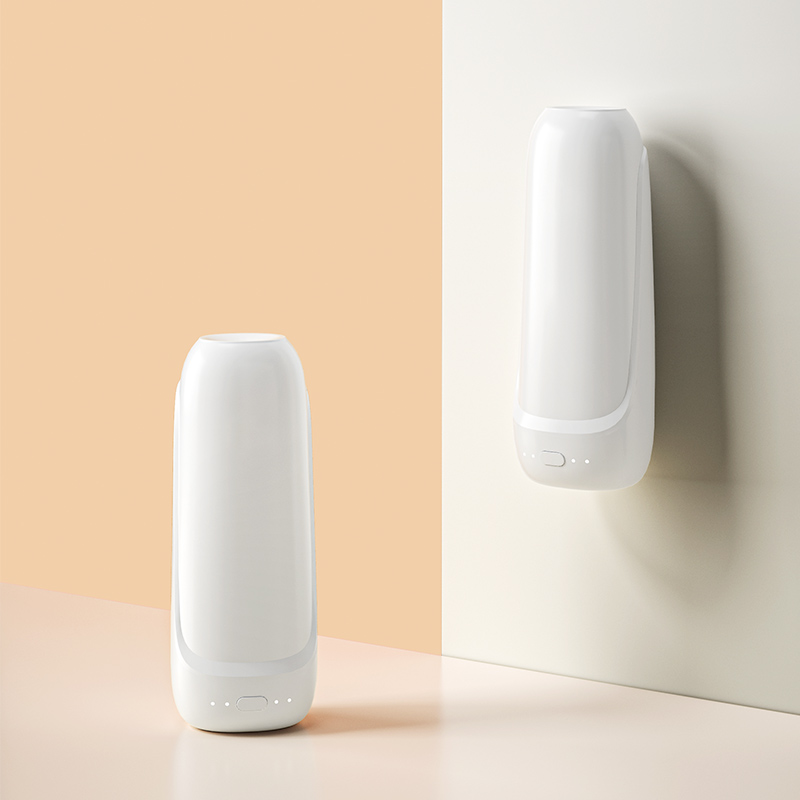
The premium tier of home fragrance relies on waterless technology. These compact units are often battery-operated or designed for direct HVAC integration, utilizing raw essential oil bottles without the need for water dilution. Market archetypes include premium standalone units designed for sophisticated, neutral integration using soft linen tones and matte finishes.
A waterless luxury diffuser offers the ultimate scenting experience with zero water maintenance. Their highly portable nature allows for flexible placement, and the scent delivery is intense and pure. The drawbacks include a higher upfront cost and strict operational requirements. Nebulizing technology requires premium, thin-viscosity oils to function correctly; thick, resinous oils will quickly clog the internal atomizers, leading to hardware failure if not properly maintained.
Calculating the coverage area is mandatory before purchasing hardware. A standard 100ml decorative unit will fail to properly scent a 1,000-square-foot living room with vaulted ceilings. The vapor output is simply insufficient to overcome the volume of air in the space. The fragrance will dissipate within a few feet of the device, leaving the rest of the room entirely unscented. You cannot force a small bedroom unit to perform in a massive architectural volume.
Effectively managing large, open floor plans requires specific hardware. Dual-atomizer nebulizers or high-capacity ultrasonic units (500ml or greater) are necessary to generate enough output. Placement also dictates success; positioning the unit near return air vents or in areas with natural cross-breezes helps distribute the atomized particles evenly throughout the room. Avoid placing units in stagnant corners or directly under low-hanging cabinets, which trap the vapor and prevent proper dispersion.
| Room Size (Sq. Ft.) | Recommended Technology | Minimum Capacity / Output | Ideal Placement Strategy |
|---|---|---|---|
| Under 200 (Bathrooms, Small Offices) | Ultrasonic | 90ml - 150ml | Vanity tops, desk corners, away from direct drafts |
| 200 - 400 (Bedrooms, Standard Living Rooms) | Ultrasonic or Small Nebulizer | 200ml - 300ml | Nightstands, side tables, central room locations |
| 400 - 800 (Open Kitchen/Dining, Basements) | High-Capacity Ultrasonic or Standard Nebulizer | 400ml - 500ml | Kitchen islands, near natural cross-breezes |
| 800+ (Vaulted Ceilings, Open-Concept Floors) | HVAC Integrated or Dual-Atomizer Nebulizer | Direct from 50ml+ oil bottle | Near HVAC return vents, central airflow pathways |
Modern diffusers are frequently utilized to replicate the signature ambient scenting found in luxury resorts and high-end spas. Achieving this residential scentscape requires more than just a visually appealing device; it demands a strategic pairing of high-end hardware with hotel-inspired fragrance oils. You cannot achieve a sophisticated scent profile using cheap, synthetic grocery store oils.
Resorts utilize cold-air diffusion (nebulizing) to push undiluted fragrance oils through their HVAC systems. To replicate this at home without complex ductwork integration, standalone nebulizers provide the exact same atomization process on a smaller scale. By utilizing complex scent profiles—often blending woods, subtle florals, and bright citrus notes—homeowners can create a cohesive sensory experience that matches the visual sophistication of their interior design. The goal is a consistent, background aroma that registers subconsciously upon entering the home.
Scenting a bedroom requires a completely different approach than a living room. The priority shifts from maximum output to whisper-quiet operation and calming aesthetics. Models operating under 30 decibels ensure sleep remains undisturbed. Devices featuring glass domes or natural wood accents contribute to a tranquil, spa-like environment, visually signaling rest and relaxation.
Olfactory fatigue is a significant issue in enclosed spaces like bedrooms. When exposed to a constant scent, the human nose quickly adapts and stops registering the fragrance. Utilizing intermittent timer settings—such as 30 seconds of mist followed by 30 seconds of rest—prevents this sensory adaptation. This feature ensures the scent remains noticeable throughout the night while simultaneously extending the runtime of the water reservoir, preventing the unit from running dry at 3 AM.
The visual clutter of power cables instantly degrades the aesthetic value of a curated space. Placing a beautifully crafted ceramic unit on a floating shelf or a bathroom vanity is ruined if a black power cord is left dangling down the wall. Interior designers spend hours hiding wires; your scenting hardware should not undo that work.
Evaluating rechargeable, battery-operated units provides the solution for styling flexibility. Cordless innovations allow a modern diffuser to function as a true centerpiece on a dining table or a standalone object on a kitchen island. While battery-operated units typically have smaller reservoirs or shorter continuous runtimes, the ability to place them anywhere without proximity to a wall outlet makes them highly desirable for modern interior styling.
Maintaining the exterior appearance of high-end units requires strict adherence to specific cleaning protocols. Porous stone and matte ceramic exteriors easily absorb stray drops of essential oil, leaving dark, permanent stains. To remove oil residue without degrading the finish, use a damp microfiber cloth with a very mild dish soap immediately after a spill occurs. Avoid using rubbing alcohol, harsh chemical solvents, or abrasive sponges on painted or unglazed ceramics, as these will strip the texture and alter the color.
Internal maintenance is equally critical. Descaling ultrasonic plates ensures the device maintains its maximum vapor output. Hard water and oil residue build up on the vibrating disc over time, reducing efficiency and eventually burning out the motor.
Follow this strict descaling protocol every two weeks:
The type of oil used directly impacts the lifespan of the hardware, particularly in nebulizing systems. Nebulizers rely on micro-tubes to draw oil up and atomize it using pressurized air. There is a high risk of catastrophic clogging when using thick, resinous oils such as Vetiver, Sandalwood, or Patchouli. These base notes have a high viscosity that the internal air pump struggles to atomize. Similarly, carrier-oil blends (oils diluted with jojoba or fractionated coconut oil) should never be used in a nebulizer, as the heavy lipids will permanently block the atomizer.
Troubleshooting a clogged atomizer requires immediate action. Running a cycle with pure isopropyl alcohol can dissolve minor blockages in the micro-tubes. Fill an empty oil bottle with rubbing alcohol, attach it to the nebulizer, and run it on the highest setting for 15 minutes. However, consistent use of incorrect oil viscosities will eventually necessitate replacement parts. Understanding the viscosity requirements of your specific machine is vital for maintaining hardware longevity.
Assessing build quality goes beyond the exterior housing. The internal reservoir plastics must be evaluated for chemical resistance. Essential oils, particularly highly acidic citrus oils like lemon, grapefruit, and sweet orange, contain compounds (like limonene) that can degrade and melt cheap plastics over time. High-quality units utilize Polypropylene (PP) rather than standard Acrylonitrile Butadiene Styrene (ABS) for the internal water tanks, as PP offers superior resistance to chemical degradation.
Oil sourcing also impacts long-term hardware health. Pairing high-end diffusers with appropriate oils ensures the internal mechanics remain clean. Finally, evaluate the warranty standards and customer support offered by the manufacturer. The premium home fragrance market should provide accessible replacement parts, particularly for atomizers and glass components, ensuring the device remains functional for years rather than ending up in a landfill after a single malfunction.
A: Large open-concept homes require waterless nebulizing diffusers or high-capacity ultrasonic models rated for 800+ square feet. Standard 100ml units lack the vapor output to fill large architectural volumes. Nebulizers push undiluted oil particles directly into the air, providing the necessary scent density to effectively cover expansive living areas, vaulted ceilings, and interconnected rooms without the fragrance dissipating prematurely.
A: Yes. The internal mechanics of stone and ceramic models are identical to high-quality plastic units, utilizing the same ultrasonic vibrating plates or air pumps. The difference lies purely in the exterior housing. Stone and ceramic provide a heavier, more stable base and a superior aesthetic that blends with high-end decor, though they are more fragile and prone to exterior staining.
A: Ultrasonic units use water and high-frequency vibrations to create a fine, hydrating mist, offering a subtle scent profile. Nebulizing units use pressurized air to atomize pure, undiluted essential oil directly from the bottle. Nebulizers deliver a much stronger, concentrated fragrance without adding any moisture to the air, making them ideal for larger spaces.
A: To clean a matte finish, use a slightly damp microfiber cloth with a single drop of mild dish soap to gently wipe away oil residue immediately after a spill. Never use rubbing alcohol, harsh chemical solvents, or abrasive scrubbing pads on painted, unglazed ceramic, or stone exteriors. These materials will permanently strip the texture and ruin the finish.
A: Waterless models offer significant advantages for modern decor due to their smaller physical footprints and the elimination of bulky water tanks. Many are cordless and rechargeable, allowing for flexible placement on floating shelves, dining centerpieces, or bathroom vanities without the visual clutter of dangling power cables ruining the curated aesthetic.
A: Scenting a room with vaulted ceilings is challenging due to the massive volume of air. A standard decorative unit will struggle. You must opt for high-output nebulizing technology and strategically place the unit in areas with natural cross-breezes or near HVAC return vents. This ensures the fragrance disperses horizontally across the living space rather than getting lost vertically.


