
Views: 0 Author: Site Editor Publish Time: 2026-08-12 Origin: Site


Traditional essential oil diffusers restrict placement to within three feet of a wall outlet. This physical limitation dictates where you experience aromatherapy, forcing compromises in dynamic living spaces. You want a calming scent on a bathroom vanity, a fresh aroma on a kitchen island, or a relaxing atmosphere on an outdoor patio. Tethered units make these placements impossible without introducing visual clutter and tripping hazards from extension cords. Users struggle to achieve consistent aromatherapy in areas lacking accessible power sources. Attempting to solve this spatial problem with untethered alternatives like scented candles introduces significant drawbacks. Candles present active fire hazards and release soot. The heat generated by open flames degrades the chemical compounds of essential oils, destroying their therapeutic properties. Transitioning to a portable solution requires a technical evaluation of battery capacity, diffusion mechanisms, and maintenance requirements to find the right fit for your environment.
Moving away from wall-powered units changes how you interact with home fragrance. Portability offers flexibility, but it requires a shift in expectations regarding power and performance. To determine if a portable unit fits your lifestyle, you must define the success criteria for untethered aromatherapy.
A viable portable unit must meet specific performance benchmarks to justify the upgrade. We look for specific operational standards when evaluating these devices in the field.
Untethered devices excel in specific use cases where traditional units fail. Consider the interior of a vehicle. A compact unit designed for car cup holders transforms a stressful commute into a calming experience without draining your car's battery. In the dining room, a battery-powered device serves as a functional centerpiece without a black power cord trailing across your table linens.
Bedside tables often lack spare outlets due to lamps and phone chargers. A portable unit solves this instantly. Taking aromatherapy outdoors to a patio or balcony becomes effortless when you remove the need for exterior power access. You simply carry the unit outside and enjoy the scent profile without running extension cords across wet grass or concrete.
Eliminating cords drastically improves interior aesthetics and home safety. Extension cords create immediate tripping hazards, especially in high-traffic areas or homes with children and pets. Minimalist interior design suffers when power cables clutter countertops and shelves. By upgrading, you eliminate these visual distractions entirely.
You also transition away from messy, fire-risk alternatives. You achieve a residue-free environment, leaving behind the soot of incense and the melted wax of candles. Electronic diffusion maintains a continuous, safe fragrance profile without introducing particulate matter into your breathing space.
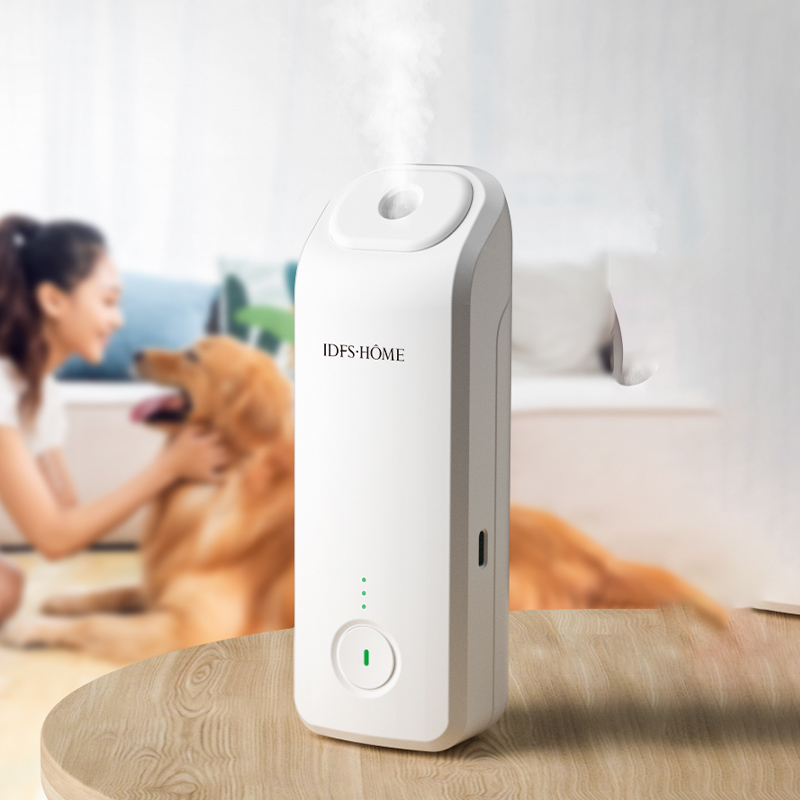
The portable aromatherapy market divides into two primary technological categories. Understanding the mechanical differences between these systems helps you select the right device for your specific needs.
Ultrasonic technology dominates the consumer market due to its accessibility and dual-functionality. These devices rely on a piezoelectric transducer located at the base of a water reservoir. When powered, this ceramic disc vibrates at ultrasonic frequencies—typically around 2.4 MHz. This rapid vibration creates a standing wave that breaks down the water and essential oil mixture into microscopic particles. A small internal fan then pushes this fine mist out into the room.
This mechanism offers distinct advantages. The primary benefit is mild humidification. Adding moisture to the air proves highly beneficial during cold, dry winter months or in heavily air-conditioned spaces. Ultrasonic units use significantly less essential oil per hour compared to other methods. You only need five to ten drops of oil to scent a room for several hours.
The reliance on water introduces specific drawbacks. You must have access to clean water to operate the device. The internal reservoir requires frequent, meticulous cleaning to prevent mold, mildew, and bacterial growth. Because they contain a pool of water, these units must remain perfectly upright during operation and transport to avoid damaging the internal circuitry.
Nebulizing technology represents the premium tier of aromatherapy. A wireless aroma diffuser utilizing this method operates entirely without water or heat. It uses Bernoulli's principle via a pressurized air pump. The pump forces high-velocity air through a small tube, creating a pressure drop that pulls pure essential oil up from the attached bottle. The oil hits a specialized glass or plastic baffle, shattering into millions of micro-particles that disperse directly into the air.
The advantages of nebulization center on scent purity and potency. Because there is no water dilution, you experience the true fragrance quality and full therapeutic profile of the essential oil. The scent throw is immediate and intense. The lack of water eliminates spill risks, making these units exceptionally well-suited for travel and vehicle use.
The trade-offs involve consumption and maintenance. Nebulizers consume pure essential oil at a significantly higher rate than ultrasonic models. Running a nebulizer continuously drains a standard 15ml bottle of oil quickly. The microscopic tubes inside the atomizer are prone to clogging, requiring strict cleaning protocols using 91% isopropyl alcohol to maintain optimal performance.
| Feature | Ultrasonic Technology | Waterless (Nebulizing) Technology |
|---|---|---|
| Mechanism | Piezoelectric vibration of water and oil | Pressurized air atomization of pure oil |
| Water Required? | Yes | No |
| Scent Potency | Moderate (diluted by water vapor) | Very High (pure oil concentration) |
| Oil Consumption | Low (5-10 drops per session) | High (pulls directly from the bottle) |
| Noise Level | Very Quiet (<30dB) | Noticeable Hum (40-50dB from air pump) |
| Primary Maintenance | Wiping reservoir to prevent mold | Flushing nozzles with alcohol to prevent clogs |
Choosing the right device requires looking past aesthetic design and evaluating the internal hardware. You must analyze battery specifications, coverage capabilities, material safety, and charging infrastructure to ensure long-term satisfaction when hunting for the best cordless essential oil diffuser.
The heart of any portable device is its internal battery. You must evaluate the lithium-ion battery specifications, measured in milliampere-hours (mAh). A higher mAh rating indicates a larger capacity. Look for units boasting at least 2000mAh to 4000mAh for reliable daily performance.
Compare continuous output against intermittent cycling modes to understand true battery drain. Manufacturers frequently advertise maximum runtimes based on the lowest possible intermittent setting. For example, a device might mist for 10 seconds and pause for 50 seconds. If you run that same device on a continuous, high-output mode, the battery depletes in just three or four hours. Always verify the runtime specifications for continuous operation before purchasing.
Portable units face inherent physical limitations regarding scent dispersion. Analyze manufacturer square-footage claims against the reality of battery-powered atomization. A small, battery-operated fan cannot push scented mist as far or as forcefully as a high-wattage wall unit.
Understand the limitations of a rechargeable diffuser in open-concept living spaces. While a manufacturer might claim a coverage area of 500 square feet, a battery-powered device struggles to scent a large, drafty living room effectively. These devices perform best in enclosed rooms, bedrooms, bathrooms, or vehicles where the airflow remains relatively contained. This containment allows the fragrance to accumulate and linger.
Essential oils contain highly concentrated, volatile organic compounds. Citrus oils, rich in limonene, act as powerful solvents that rapidly degrade and melt cheap plastics. Assessing the chemical resistance of internal components prevents device failure.
Identify devices constructed from eco-friendly, BPA-free, and non-toxic materials. The internal reservoir or oil pathways must utilize high-grade Polypropylene (PP) plastic. PP plastic resists chemical corrosion from pure essential oils. For exterior aesthetics and sustainability, look for models featuring sustainably sourced wood bases, glass reservoirs, or recycled aluminum casings. These materials elevate the visual appeal and ensure the device withstands frequent handling and temperature variations.
The method used to recharge the device impacts its daily usability. USB-C standardization provides faster charging times, a reversible connector, and universal compatibility with your existing phone and laptop chargers. Avoid devices using outdated Micro-USB or proprietary barrel connectors. Losing a proprietary cable renders the device useless.
Evaluate the total charge time required to reach a full battery. Check for the availability of pass-through charging. Pass-through charging allows you to operate the unit while it is plugged into a power source. This feature proves invaluable if you forget to charge the device but want to use it immediately while tethered to an outlet.
Every portable device requires you to balance competing priorities. Decide which performance metrics matter most for your daily routine, as maximizing one feature often diminishes another.
Balance the superior air-cleansing benefits of pure nebulization against the easier daily use of ultrasonics. Nebulizers deliver undiluted essential oils directly into your breathing space. This method maximizes the therapeutic efficacy of the plant extracts, providing intense aromatherapy. This purity demands rigorous maintenance. You must clean the micro-tubes regularly to prevent permanent clogs.
Ultrasonic models offer a simpler daily routine. You add water, drop in some oil, and press a button. The oil consumption remains low, making it an economical choice for daily use. The trade-off is dilution. The water vapor carries the scent, reducing the immediate intensity and therapeutic impact compared to a waterless system.
The acoustic profile of a device dictates where you can comfortably use it. Compare the audible hum of an air pump against the quiet trickling sound of a water-based model. Waterless nebulizers rely on pressurized air pumps. Even well-engineered pumps produce a noticeable vibration or low-frequency hum. While acceptable in a living room or car, this noise disrupts light sleepers if placed on a bedside table.
Ultrasonic models operate quietly. The high-frequency vibration remains largely inaudible to human ears. The only sound produced is the gentle trickling or bubbling of water inside the reservoir, accompanied by the faint whir of a tiny exhaust fan. Many users find this soft water sound soothing, making ultrasonics the preferred choice for bedrooms and meditation spaces.
A direct correlation exists between how strong a device smells and how long it operates. Maximizing fragrance output on a wireless device exponentially decreases both the oil supply and the battery charge. Running a device on its highest continuous setting forces the internal pump or transducer to work at maximum capacity, draining the lithium-ion cells rapidly.
To achieve extended durations, utilize intermittent settings. Intermittent modes pulse the fragrance into the room, allowing the scent to disperse while giving the battery a rest. You trade immediate, overwhelming scent intensity for a subtle, long-lasting background aroma that persists throughout the day.
Owning a portable device introduces specific operational risks not found in stationary units. Understanding these risks allows you to implement proactive mitigation strategies, ensuring your cordless diffuser operates efficiently for years.
The most significant risk to any untethered device is battery degradation. Lithium-ion batteries naturally lose capacity after 300 to 500 full charge cycles. Over time, a device that originally ran for eight hours may only run for four.
Mitigate this risk by practicing good charging habits. Avoid leaving the unit fully depleted for extended periods, as deep discharges damage lithium-ion cell chemistry. Recharge the device when it drops to 20% capacity rather than letting it die completely. Keep the device out of direct sunlight, as extreme heat accelerates battery degradation.
Waterless systems face a severe risk of clogging due to oil viscosity. Thick, resinous essential oils like Vetiver, Sandalwood, Patchouli, or Myrrh move sluggishly. If left inside a nebulizer, these oils harden and permanently clog the delicate micro-tubes. Using carrier oils like jojoba or fractionated coconut oil instantly ruins a nebulizing pump.
Mitigation requires strict adherence to oil selection. Use only thin, 100% pure essential oils like lavender, peppermint, or citrus blends in waterless units. Implement a strict cleaning schedule by running 5ml of 91% isopropyl alcohol through the system monthly. The alcohol dissolves residual oil buildup, keeping the atomizing nozzles clear and functional.
Portable ultrasonic units face risks related to water stagnation. Leaving water in the reservoir during travel or periods of non-use leads directly to bacterial growth, mold formation, and unpleasant odors. Water left in a moving device easily sloshes into the internal circuitry, causing catastrophic electrical failure.
Mitigate this risk by forming a habit of emptying and wiping down the reservoir after every single use. Never transport an ultrasonic unit with water inside. Utilize dedicated travel cases to protect the chassis and ensure the device remains completely dry before packing it away in a bag or suitcase.
| Common Issue | Probable Cause | Field Mitigation Strategy |
|---|---|---|
| Weak Mist Output | Mineral buildup on the transducer (Ultrasonic) | Wipe the ceramic disc gently with a cotton swab dipped in white vinegar. |
| No Scent Output | Clogged micro-tube (Nebulizer) | Run 5ml of 91% isopropyl alcohol through the unit for 10 minutes. |
| Rapid Battery Drain | Continuous high-output mode active | Switch to an intermittent misting cycle to extend runtime. |
| Device Leaking | Improperly seated silicone gasket | Unscrew the oil bottle or reservoir cap, realign the gasket, and retighten firmly. |
A: Runtime depends entirely on the battery capacity and the output setting. Most units last between 3 to 5 hours on continuous high output. By utilizing intermittent misting modes, you extend the battery life to 8 to 15 hours. Always check the mAh rating; a 4000mAh battery significantly outlasts a 2000mAh battery under identical conditions.
A: Yes, provided the device supports pass-through charging. This feature allows the internal circuitry to bypass the battery and draw power directly from the wall adapter. Using the device while charging generates additional heat, which slightly reduces the overall lifespan of the lithium-ion battery over several years of use.
A: They serve different purposes. Waterless units deliver a stronger, purer scent profile and eliminate the risk of water spills, making them superior for travel and cars. Ultrasonic units are better for quiet bedside use, economical oil consumption, and adding slight humidity to dry indoor air.
A: Yes, they are significantly safer. Electronic diffusers eliminate open flames, entirely removing the risk of accidental fires. They operate without combustion, meaning they do not release toxic soot, smoke, or particulate matter into your indoor air. You receive fragrance benefits without compromising respiratory health or home safety.
A: No, high-quality units do not use heat. Heat alters the chemical composition of essential oils, destroying their therapeutic benefits. Modern portable units rely on either ultrasonic vibrations to create a cool water mist or pressurized air pumps to atomize the oil at room temperature, preserving the plant extracts.
A: For ultrasonic models, empty the water daily and wipe the reservoir with a soft cloth to prevent mold. For waterless nebulizers, run 5ml of 91% isopropyl alcohol through the device once a month. The alcohol dissolves hardened oil residue inside the micro-tubes, preventing clogs and maintaining optimal atomization performance.
A: Generally, no. Battery-powered devices utilize small internal fans to conserve energy. They lack the forceful airflow required to push scent across large, open-concept spaces. They perform exceptionally well in enclosed areas up to 200 square feet, such as bedrooms, bathrooms, home offices, and vehicle interiors.


