
Views: 0 Author: Site Editor Publish Time: 2026-08-03 Origin: Site


Traditional home scenting relies heavily on proximity to electrical outlets. This absolute constraint dictates device placement over optimal airflow or visual aesthetics. Integrating scent into modern spaces, rental properties, or high-traffic zones creates immediate friction. Trailing cords introduce visual clutter. They create trip hazards. They often demand permanent installation solutions that damage walls or cabinetry. You need a strategic alternative. A cordless essential oil diffuser prioritizes spatial flexibility. It allows you to deploy targeted scenting exactly where you need it. You bypass structural limitations entirely. You avoid electrical constraints. This guide explores how untethered technology transforms environmental scenting. We will balance placement autonomy with the practical realities of battery-powered devices, helping you optimize your space without compromising design.
Fixed-installation scenting systems force users into aesthetic compromises. Corded units demand placement near wall outlets. These locations rarely align with optimal room airflow. Users often hide diffusers in stagnant corners to conceal wiring. Stagnant air prevents proper scent dispersion. This leads to localized heavy fragrance and unscented dead zones elsewhere in the room. Placing a corded unit on a central kitchen island or living room table leaves unsightly cables exposed. This disrupts clean, minimalist interior designs.
Safety concerns multiply when cords enter high-traffic areas. Homes with pets or young children face constant trip hazards. A snagged cable easily pulls a water-filled diffuser off a shelf. This causes spills and potential electrical shorts. Wet zones present another significant liability. Bathrooms require scenting more than most rooms. Yet, placing electrical appliances near sinks or bathtubs violates basic safety protocols. Corded units simply lack the adaptability required for dynamic, multi-use environments.
Whole-home HVAC scenting systems offer an alternative to standalone corded units. However, they introduce a different set of barriers. HVAC integration requires permanent installation. You must cut into ductwork and wire the system directly into the home's electrical grid. These systems lack zone-specific control. When the HVAC fan runs, the entire house receives the same fragrance at the same intensity. You cannot easily scent the living room with energizing citrus while keeping the bedroom neutral. Portable solutions bypass these rigid structural requirements entirely.
Understanding the underlying technology helps you select the right device. Ultrasonic diffusers rely on water. A small ceramic disc vibrates at ultrasonic frequencies. This breaks a mixture of water and essential oil into a fine mist. The process humidifies the air and uses very little oil. Nebulizing diffusers operate differently. They use pressurized air generated by an internal micro-pump. This air forces pure essential oil through a tiny tube. It atomizes the oil into micro-particles without any water or heat. The result is a highly concentrated, pure fragrance.
Waterless technology proves generally superior for a portable scent diffuser. Moving a water-filled ultrasonic unit from room to room invites spills. Waterless units eliminate this risk entirely. You can toss a nebulizing unit into a bag or place it in a car cup holder without worrying about leaks. They also weigh less since they do not carry a heavy water reservoir. Nebulizers provide much faster scent dispersion. Because they output pure oil, they fill a room with fragrance in minutes rather than hours.
The residue-free nature of waterless systems offers another distinct advantage. Ultrasonic models emit moisture. Over time, this moisture settles on surrounding surfaces. If you use tap water, the mist carries mineral dust. This combination damages wood furniture, warps veneers, and poses a risk to nearby electronics. Nebulizing technology protects your interior investments. It leaves no damp residue. Your surfaces remain dry and pristine.
Modern untethered diffusers rely on lithium-ion battery configurations. These batteries provide high energy density in a compact footprint. A standard unit typically houses a battery ranging from 2000mAh to 4000mAh. This capacity determines how long the internal pump or ultrasonic disc can operate before requiring a recharge. Lithium-ion technology prevents the memory effect seen in older battery types. You can top off the charge at any time without degrading the total capacity.
Voltage and battery capacity directly correlate to atomization efficiency. Nebulizing thick essential oils requires significant motor torque. The micro-pump must generate enough air pressure to force viscous fluids like vetiver or patchouli through the atomizing nozzle. A low-voltage battery struggles with this task. It may clog or fail to produce a visible mist. High-capacity batteries ensure consistent power delivery. They maintain steady air pressure even as the battery drains. This guarantees uniform scent output from the first minute to the last.
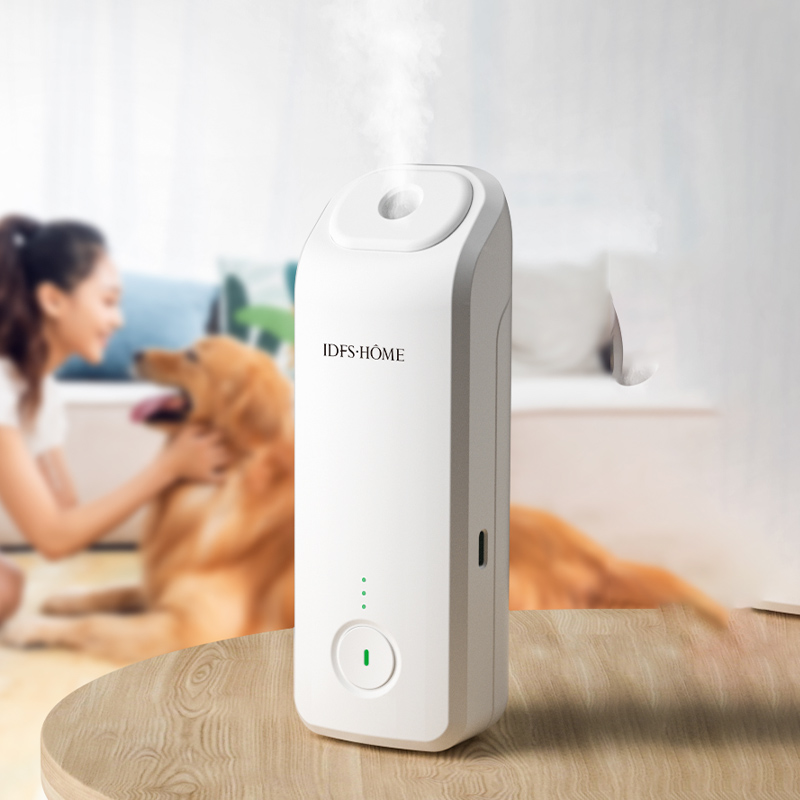
You must navigate the inverse relationship between scent intensity and battery longevity. Running a wireless diffuser on its highest output setting drains the battery rapidly. The internal pump works harder and longer to push more oil into the air. Utilizing low-intensity settings extends battery life significantly. Understanding this dynamic helps you manage expectations and charging schedules.
Calculating realistic runtimes requires looking at intermittent versus continuous diffusion modes. Most high-quality units do not run continuously. They operate on duty cycles.
Daily mechanics dictate how often you will actually use the device. The best models take only a couple of minutes to set up. You simply unscrew the base, attach a standard essential oil bottle directly to the nozzle, and turn it on. Complex setups involving funnels, precise water measurements, or difficult-to-clean reservoirs create friction. Users quickly abandon devices that feel like a chore to operate.
Functional design elements matter immensely for portable units. Lid designs must feature secure closures. If you plan to move the unit in a vehicle or travel bag, a loose lid guarantees an oil spill. Look for threaded closures or strong magnetic seals. The control panel should offer intuitive operation. Touch-sensitive buttons or simple dials allow users to easily toggle between intensity levels and timer settings. Clear LED indicators should display current battery life and active diffusion modes at a glance.
Maintenance realities differ starkly between technologies. Cordless nebulizing units require frequent cleaning. Pure essential oils are sticky. As they dry, they leave a resinous buildup inside the micro-tubes. You must clean the unit every few uses to prevent clogs. This involves running a few milliliters of rubbing alcohol through the system to dissolve the hardened oil. Neglecting this step leads to weak output and eventual motor failure.
Despite the need for regular alcohol flushes, swapping oil bottles in a rechargeable diffuser remains easier than maintaining an ultrasonic unit. Water-based diffusers breed mold and bacteria if left damp. You must empty the reservoir, scrub the ultrasonic disc, and dry the interior completely after every use. Waterless units eliminate the hygiene risks associated with stagnant water. You swap the bottle, run a quick flush, and resume scenting.
Pure essential oils act as powerful solvents. They easily degrade cheap synthetic materials over time. Evaluating build quality requires verifying the use of non-toxic, BPA-free, and essential-oil-resistant plastics. High-end models often utilize aluminum alloy shells or tempered glass internal reservoirs. These materials withstand continuous exposure to concentrated citrus oils. Citrus oils are notorious for melting standard plastics.
Market demand heavily favors sustainable and eco-friendly materials in diffuser construction. Consumers want devices that align with the goal of a clean, non-toxic home environment. Manufacturers increasingly utilize recycled aluminum, sustainably sourced bamboo, and biodegradable composites for exterior housings. Choosing durable, high-quality materials extends the functional life of the device. It reduces electronic waste and ensures safe daily operation.
Tenants and office managers face strict limitations regarding property modifications. Drilling holes to mount hardware violates lease agreements. Altering HVAC systems for whole-building scenting remains entirely out of the question. Untethered units offer a non-destructive solution. You achieve professional-grade ambient scenting without touching the drywall. Property managers frequently withhold security deposits for wall damage caused by mounted fixtures. A freestanding unit eliminates this financial risk entirely. When the lease ends, you simply pack the device and leave no trace behind.
A single portable unit offers immense utility across multiple spaces. You can transition the device throughout the day to match your routine. Place it in the home office during working hours with a focus-enhancing peppermint blend. Move it to the living room in the evening with a relaxing lavender scent. Finally, place it on the bedside table for nighttime relaxation. This micro-zoning capability maximizes the value of a single piece of hardware.
The grab-and-go benefit extends beyond the home. Travel disrupts daily routines. Portable scenting provides environmental consistency. You can maintain your preferred scent profile in hotel rooms, masking unfamiliar or unpleasant odors. Commuters use compact units in their vehicles. This transforms stressful traffic into a calming, aromatherapeutic experience. The lack of cords makes this mobility effortless.
Untethered placement allows you to leverage natural air currents. Corded units sit near outlets, often in dead air zones. A battery-operated unit can sit precisely where airflow is strongest.
Strategic placement ensures the fragrance disperses evenly and quickly. You cover more square footage with less oil.
The primary friction point of battery-powered devices is the cognitive load of remembering to charge them. A dead battery renders the diffuser useless until tethered to a wall again. You must integrate charging into your weekly routine. Evaluate the standard charge times before purchasing. USB-C charging offers a distinct advantage over proprietary chargers. USB-C cables are ubiquitous. You can charge the unit using laptop chargers or car adapters. Proprietary cables easily get lost, creating unnecessary downtime.
Waterless units rely on internal air pumps to pressurize the oil. These pumps generate a distinct humming or vibrating noise. Manufacturers insulate the motors, but the acoustic footprint remains noticeable. In a bustling living room or office, this low hum blends into background noise. In quiet environments like bedrooms, meditation spaces, or therapy rooms, the vibration may prove disruptive. If you place the unit on a hollow wooden nightstand, the furniture acts as an amplifier. Always use a dense rubber mat under the base to absorb acoustic vibrations.
Lithium-ion batteries do not last forever. Most standard batteries handle 300 to 500 full charge cycles before significant degradation occurs. After this point, the battery capacity drops. A unit that once ran for 20 hours may only run for 10. Most portable diffusers feature sealed internal batteries. You cannot easily replace them. The battery's lifespan effectively dictates the functional lifespan of the entire device.
Waterless portable units offer superior scent density. However, they consume pure essential oil much faster than diluted ultrasonic models. Ultrasonic units use a few drops of oil suspended in hundreds of milliliters of water. Nebulizers pull directly from the neat oil bottle. If you run a nebulizer on a high continuous setting, you can drain a 15ml bottle in a matter of days. You must manage intensity settings carefully to control ongoing operational expenses.
Matching the diffuser's output capacity to the intended room size ensures adequate coverage. A small, car-specific unit will fail to scent an open-concept living room. A high-output tower unit will overwhelm a small bathroom.
The type of oil you prefer dictates the hardware you need. Light, thin oils like lemon, sweet orange, or eucalyptus vaporize easily. Almost any battery-operated nebulizer handles them without issue. Thicker, viscous oils like sandalwood, vetiver, or myrrh present a challenge. They require higher air pressure to atomize. If you frequently use heavy base notes, you must select a diffuser with a high-torque motor and a robust battery. Weak motors will clog immediately when attempting to process thick resins.
The physical design impacts both function and visual integration. Base stability is crucial. A tall, narrow unit tips over easily if bumped. This potentially damages the internal pump. Look for units with a low center of gravity or weighted bases. If you plan to use the device in a vehicle, verify cup-holder compatibility. Measure the base diameter to ensure a snug fit.
A cord-free design contributes significantly to a cleaner look. The device should act as a seamless decor piece rather than an obvious electronic appliance. Choose finishes that complement your interior hardware. Matte black, brushed aluminum, or natural wood grains work well. The absence of trailing wires allows the unit to blend into the background. This elevates the overall aesthetic of the space.
| Feature | Waterless Nebulizing (Portable) | Ultrasonic (Portable) |
|---|---|---|
| Scent Intensity | High (Pure Oil) | Mild (Diluted with Water) |
| Spill Risk During Transit | Zero (Sealed Oil Bottle) | High (Open Water Reservoir) |
| Residue Left Behind | None | Moisture / Mineral Dust |
| Oil Consumption | Fast | Slow |
| Maintenance Needs | Alcohol flush every few uses | Scrub and dry after every use |
A: Battery life varies drastically based on intensity settings and battery capacity. Most units feature 2000mAh to 4000mAh batteries. Running on a low, intermittent setting, a charge typically lasts 20 to 50 hours. On a high, continuous output setting, the battery may deplete in 4 to 8 hours.
A: Yes, but with limitations. Battery-powered motors generally produce less air pressure than corded commercial units. While a high-quality portable nebulizer can scent spaces up to 800 square feet, spaces exceeding 1,000 square feet usually require multiple portable units or a dedicated, fixed-installation HVAC system.
A: You must exercise caution regarding temperature extremes. Lithium-ion batteries degrade or pose safety risks in extreme heat. Never leave the device in a car parked in direct summer sunlight. Always use a spill-proof waterless model to prevent liquid damage to your vehicle's interior.
A: Waterless nebulizing models consume significantly more oil than ultrasonic models. Because they atomize pure essential oil without diluting it in water, the scent is much stronger, but the bottle empties faster. You must manage timer settings carefully to conserve your oils.
A: No. You must use 100% pure essential oils. Carrier oils like jojoba or coconut oil, synthetic fragrance oils, and highly viscous resins will clog the internal micro-pump. Stick to pure, relatively thin essential oils for optimal performance.
A: Waterless models require regular maintenance to prevent clogs. You should perform a quick alcohol flush every time you change the oil bottle, or at least every 1 to 2 weeks of regular use. Simply run a few milliliters of rubbing alcohol through the device for five minutes.
A: No. Nebulizing technology atomizes pure oil into micro-particles that suspend in the air without utilizing water or heat. This completely prevents the damp residue and white mineral dust commonly associated with ultrasonic models, protecting your wood furniture and electronics.


