
Views: 0 Author: Site Editor Publish Time: 2026-08-06 Origin: Site


Indoor air quality tools have shifted from basic plastic appliances to integrated architectural elements. Buyers often face a hard choice between visual appeal and mechanical performance. Standard units clash with room design, looking out of place on premium wood consoles or marble countertops. Conversely, purely decorative pieces frequently fail at motor quality, reservoir capacity, or scent throw. They look great but cannot support indoor air requirements. This guide delivers a technical framework for evaluating a decorative essential oil diffuser. We ensure your selection meets strict interior styling standards and spatial fragrance needs. You will learn to match hardware to square footage, select the right operating mechanism, and maintain the unit for long-term reliability. We focus on practical application, material durability, and spatial scaling to help you integrate wellness tools seamlessly into your living environment without compromising on aesthetic integrity or daily functional performance.
To elevate a space effectively, you must establish clear success criteria for your environmental devices. You need to separate a standard appliance from a true home decoration diffuser. True integration happens when wellness meets interior design, creating a product that enhances both the physical atmosphere and the visual landscape of a room. You are not just buying a motor that pumps mist; you are selecting a sculptural piece that interacts with your lighting, furniture, and spatial layout.
Decorative units utilize organic shapes to soften a room's hard architectural lines. They feature matte finishes, porous stone textures, or frosted glass exteriors. These elements help them blend seamlessly into modern, minimalist, Japandi, or traditional decor styles. A glossy plastic box draws unwanted attention and cheapens the surrounding furniture. A textured ceramic cylinder, however, feels like intentional art. It grounds the space and adds a layer of tactile sophistication. When you place a unit on a custom oak entryway table, the material finish must match the quality of the wood beneath it.
We enforce a dual-purpose mandate for these devices. The unit must act as a sculptural focal point when turned off. It must also function as a high-performing wellness tool when turned on. You should not have to unplug and hide the device in a cabinet when guests arrive. It should remain on display, contributing to the room's aesthetic value 24 hours a day. This requires hidden seams, discreet power cords, and subtle branding.
Consider this a luxury candle alternative. High-end candles offer beautiful vessels and complex scents, but they introduce open flames, soot, and uneven burning issues. Soot from cheap or improperly trimmed wicks coats walls and clogs HVAC filters over time. A premium diffuser provides a safer, flame-free experience. You get longer-lasting and effortless fragrance without degrading your indoor air quality with smoke particulates. You also gain the ability to change the scent profile daily, adapting to your mood rather than committing to a single candle until it burns out.
Understanding how these devices operate helps you make informed design and functional choices. The exterior shell provides the aesthetic, but the internal motor dictates the performance. Each mechanism presents unique benefits and distinct limitations regarding scent delivery, acoustic output, and maintenance requirements.
This mechanism uses high-frequency vibrations to agitate water. It creates a fine, cool mist of water and essential oil. The piezoelectric transducer sits at the base of the internal reservoir, vibrating at roughly 2.4 million times per second to break down the oil and water molecules into an aerosolized state.
Pros:
Cons:
Nebulizers use pressurized air and the Bernoulli principle to atomize pure essential oil. They pull the oil through a small micro-tube and blast it against a glass surface, releasing micro-particles directly into the environment without using any heat or moisture. This is the standard for clinical aromatherapy and large commercial spaces.
Pros:
Cons:
These units use ambient airflow or low-grade heat to evaporate oils. They typically rely on a disposable absorbent pad, a small fan, or a heated ceramic basin to disperse the aroma into the room.
We consider these outdated for premium interior applications. They provide uneven scent dispersion, starting strong and fading quickly as the lighter top notes evaporate before the heavier base notes. More importantly, heat alters the delicate chemical profile of the essential oil. Heating destroys beneficial terpenes and changes the intended fragrance. Stick to ultrasonic or nebulizing models for high-end residential setups.
| Mechanism | Scent Potency | Noise Level | Maintenance Need |
|---|---|---|---|
| Ultrasonic | Moderate (Diluted with water) | Low (<30dB) | High (Scale removal) |
| Nebulizing | Maximum (Pure oil) | Moderate (Pump hum) | Medium (Alcohol flush) |
| Evaporative | Low (Fades quickly) | Very Low (Fan only) | Low (Pad replacement) |
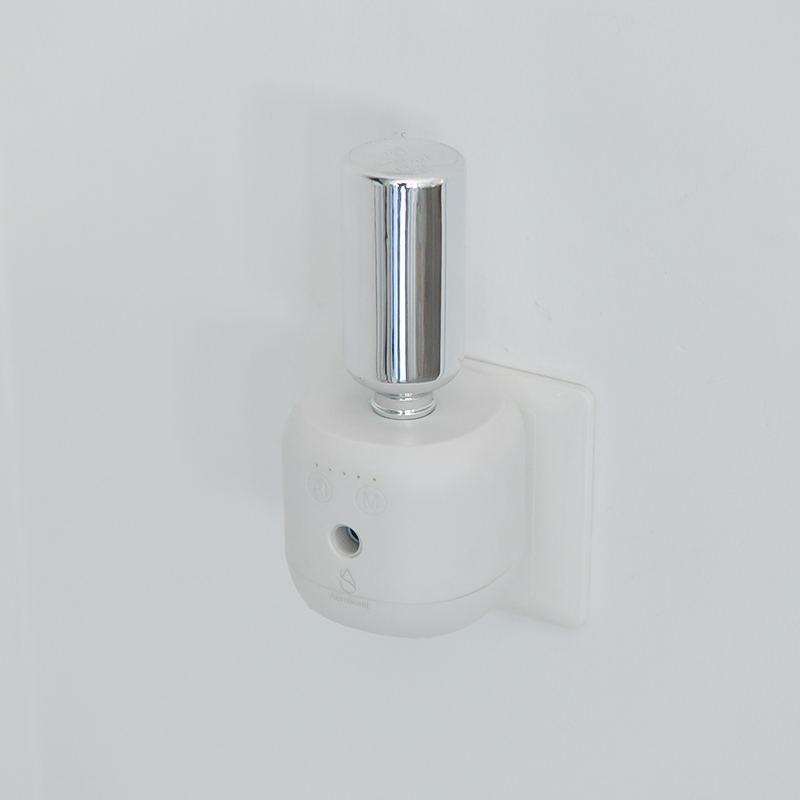
You must evaluate how specific hardware features translate into real-world outcomes. Spatial scalability ensures the device performs adequately in your specific room without underperforming or overwhelming the environment. Buying a beautiful unit that cannot scent your living room is a waste of capital.
You must map the reservoir capacity and motor output to your square footage. A 100ml unit suits a small space like a guest bathroom or a compact home office. A 500ml unit handles larger areas like primary bedrooms or enclosed living rooms. This mapping ensures you receive optimal mental clarity and relaxation benefits without olfactory fatigue.
A stylish diffuser designed for a 150 sq. ft. bathroom will fail completely in a 600 sq. ft. open-plan living room. The scent simply dissipates into the HVAC airflow before reaching the primary seating area. Conversely, running a high-output nebulizer in a small bathroom becomes overwhelming quickly, potentially causing headaches and respiratory irritation.
Understand your mist output settings. Continuous mist provides immediate, strong fragrance for quick room refreshing. Intermittent mist (often running on a 30-second on/off cycle) extends scent longevity, conserves oil, and prevents your nose from becoming blind to the aroma over long periods.
| Reservoir Size / Type | Ideal Square Footage | Best Room Application |
|---|---|---|
| 100ml - 150ml Ultrasonic | Up to 200 sq. ft. | Bathrooms, Home Offices, Entryways |
| 300ml - 500ml Ultrasonic | 200 - 400 sq. ft. | Primary Bedrooms, Enclosed Living Rooms |
| Waterless Nebulizer | 400 - 1000+ sq. ft. | Open-Concept Spaces, High Ceilings |
Material selection impacts both aesthetics and long-term durability. Essential oils are highly concentrated, volatile compounds. Citrus oils contain high levels of D-limonene, a solvent that rapidly degrades cheap plastics, causing them to crack, warp, or leak onto your furniture.
Ceramic and Stone:
These materials offer high aesthetic value. They feel heavy, durable, and eco-friendly. They resist chemical degradation perfectly and provide a grounded, earthy look. However, they remain prone to shattering if dropped on hard tile or hardwood floors during routine cleaning. You must handle the outer shell with care when refilling the water basin.
Glass:
Hand-blown glass looks elegant and delicate. It allows for beautiful ambient lighting effects, refracting internal LEDs softly across the room. The downside involves maintenance. Glass requires frequent exterior polishing to remove oil fingerprints, dust, and water spots. It shows every smudge, requiring daily wiping to maintain its premium appearance.
BPA-Free High-Grade Polymers:
Manufacturers often use these for the internal water reservoir, even on units with ceramic or glass outer shells. High-grade polymers prevent oils from degrading the internal mechanics. This ensures a nontoxic environment and prevents leaks into the electrical base. Always verify the internal plastic is rated for pure essential oil contact.
Evaluate the LED lighting features carefully. There is a massive difference between harsh, multi-color LEDs and sophisticated, warm-toned glows. A premium unit uses lighting to enhance room ambiance softly. It should mimic the flicker of candlelight or the warmth of a 2700K incandescent bulb, not a neon sign. Look for units that allow you to dim the light or turn it off entirely while the mist continues to run.
Assess the motor decibel (dB) ratings. This matters heavily for bedroom or home office placement. Target a rating below 30dB for sleep environments. Anything louder will produce an audible hum or water-trickling sound that can disrupt your rest or break your focus during deep work. Nebulizers generally run louder than 30dB, making them better suited for active living spaces rather than quiet sleeping quarters.
Selecting the perfect unit requires balancing competing priorities. You must weigh these conceptual trade-offs based on your daily lifestyle, room layout, and willingness to perform routine maintenance.
You face a direct trade-off between physical size and operational duration. A sleek, minimalist profile looks ideal on narrow entry tables, floating shelves, or crowded bathroom vanities. However, small footprints dictate small internal water reservoirs. A 100ml unit will run dry in 3 to 4 hours.
If you need 12 to 18 hours of continuous run time without refilling, you must accept a larger physical footprint. A larger basin holds more water, extending the misting cycle significantly. Decide whether aesthetic subtlety or uninterrupted, all-day operation matters more for your specific application.
Modern units offer various connectivity options. You must evaluate the necessity of Wi-Fi connectivity and app-controlled scent schedules. Smart home integration sounds appealing for automated routines. You can set the device to start misting right before you arrive home from work.
However, consider the reliability of physical buttons. Analog controls rarely fail. They do not require software updates, Bluetooth pairing, or network troubleshooting. Sometimes, simplicity provides a better user experience than complex digital integration. Physical buttons also ensure guests or family members can operate the device without downloading an app or connecting to your local network.
Look beyond the purchase price of the hardware. Factor in the long-term efficiency of essential oil usage. Nebulizers have a significantly higher consumable cost compared to ultrasonic models. Because they do not use water, they burn through bottles of pure essential oil rapidly to scent a room.
This remains true regardless of the unit's exterior design. An affordable nebulizer will cost substantially more to operate over a year than a premium ultrasonic model. Plan your consumable budget accordingly, especially if you prefer expensive oils like pure rose, sandalwood, or frankincense. Ultrasonic models stretch your oil inventory much further by relying on water as the primary dispersal carrier.
Owning a high-end environmental device requires proper management. Anticipate these implementation risks and apply the corresponding mitigation strategies to protect your investment and your home.
Risk: You face hard water scaling, mold growth, and cross-contamination of scents. Neglected reservoirs breed bacteria quickly, which the device will then aerosolize and pump directly into your breathing zone. Mineral scale acts as an insulator over the ultrasonic plate, drastically reducing mist output.
Mitigation: Establish a strict cleaning schedule. Follow these exact steps to maintain peak performance:
Avoid using tap water in ultrasonic models. Always opt for distilled or highly filtered water to prevent mineral buildup entirely.
Risk: Mist fallout can damage expensive wooden furniture, leaving permanent white rings or warping the veneer. Furthermore, certain essential oils pose severe toxicity risks to pets. Cats and dogs lack specific liver enzymes to process volatile organic compounds. Oils like eucalyptus, tea tree, peppermint, and citrus can cause neurological or respiratory distress in animals.
Mitigation: Utilize protective stone, glass, or metal trays under the unit to catch any condensation fallout. Place units on entry tables, bathroom counters, or high shelves. Keep them completely out of reach of children and pets to prevent accidental spills or ingestion. Select pet-safe essential oil profiles only after consulting your veterinarian.
Risk: Premium aroma decor designs often feature fragile exterior components that can break during routine cleaning or accidental bumps. A shattered glass dome renders the entire unit useless if you cannot source a replacement.
Mitigation: Evaluate manufacturer warranties before purchasing. Check the availability of replacement parts directly from the brand. Ensure you can easily buy replacement glass domes, ceramic sleeves, power cords, or internal ultrasonic discs. This ensures your decorative investment lasts for years, rather than ending up in a landfill because a single part broke.
Measure the square footage of your intended space to determine the exact reservoir capacity required for optimal scent throw.
Inspect your existing furniture surfaces to identify safe, elevated placement locations away from direct HVAC vents and delicate wood veneers.
Source high-quality, pure essential oils from reputable suppliers to pair with your selected device.
Purchase distilled water in bulk if you opt for an ultrasonic model to prevent immediate mineral scaling on the transducer.
Verify the safety of your chosen essential oil profiles with a licensed veterinarian if you have indoor pets.
A: The main difference lies in exterior materials and visual integration. Standard diffusers typically use glossy plastics and utilitarian shapes. Decorative models utilize eco-friendly materials like ceramic, stone, or hand-blown glass. They feature organic shapes and matte finishes, designed to blend seamlessly into modern interior design trends as sculptural elements.
A: Yes. A stylish diffuser offers a safer, flame-free, and soot-free way to create a welcoming ambiance. Unlike candles, diffusers do not degrade indoor air quality with smoke particulates. They provide longer-lasting, customizable fragrances while serving as an elegant focal point in your room.
A: Absolutely. Premium decorative models often feature superior internal components. They utilize high-grade ultrasonic plates or powerful nebulizing motors. This ensures they offer equal or better performance for emotional balance and air support, matching their beautiful exteriors with highly robust functionality.
A: Match the reservoir capacity to your square footage. Use a 100-200ml unit for smaller spaces like bathrooms or bedrooms. For large, open-concept living rooms, you need a 300-500ml+ ultrasonic unit or a waterless nebulizing diffuser to ensure adequate scent throw across the entire area.
A: You must manage two risks. First, ceramic and glass are fragile; place them on high shelves to prevent pets from knocking them over. Second, and more critically, many essential oils are highly toxic to animals. Always verify oil safety with a vet before diffusing any scent around pets.
A: You should wipe down the internal reservoir with a soft cloth after every single use to prevent oil residue buildup. Perform a deep clean every 1-2 weeks. Use a mixture of white vinegar or rubbing alcohol to remove residual oil and prevent hard water scaling on the ultrasonic plate.
A: Ultrasonic models do add minor moisture to the air because they emit a water-based mist. However, they are not replacements for dedicated, high-capacity room humidifiers. Their water output is too low to significantly alter the overall humidity levels of a large room.


