
Views: 0 Author: Site Editor Publish Time: 2026-08-06 Origin: Site


Physical retail and hospitality spaces compete directly with digital convenience. Drawing foot traffic requires building multi-sensory environments that screens cannot replicate. Standard air fresheners and aerosol sprays fail here. They produce synthetic, overpowering smells that trigger allergies and fade within hours. Using consumer-grade diffusers across large square footage guarantees inconsistent coverage, constant maintenance, and rapid oil depletion. The practical fix is installing a commercial-grade aroma scent machine. These units provide precise, scalable olfactory branding for any layout, from small boutiques to sprawling hotel lobbies. We will break down how to evaluate hardware, map building airflow, and execute safe installations. You will get field-tested strategies for matching equipment to your exact square footage and ductwork architecture, ensuring a consistent, welcoming atmosphere without the operational headaches.
Successful ambient scenting operates below the threshold of conscious detection. You want guests to feel the environment is clean, luxurious, and welcoming without immediately identifying a specific fragrance source. It should never smell like a cleaning product or a heavy perfume. When executed correctly, scent acts as an invisible architectural element. It enhances the physical space without demanding attention from the shopper. Achieving this delicate balance requires precision equipment capable of maintaining a strict fragrance threshold throughout unpredictable daily traffic patterns and fluctuating HVAC cycles.
Strategic scenting drives measurable behavioral changes on the floor. The human olfactory bulb connects directly to the limbic system. This is the brain center responsible for emotion and memory formation. Because of this direct biological wiring, scent bypasses logical cognitive processing and triggers immediate emotional responses. Implementing a proper commercial scent marketing strategy yields specific, observable results in physical spaces.
Conversely, cheap synthetic odors actively damage your brand reputation. Masking bad smells with heavy aerosols creates a hybrid odor that is often worse than the original problem. Customers frequently complain of a burning throat, watery eyes, or immediate headaches when exposed to low-quality plug-in devices or manual sprays. This physical discomfort drives shoppers out the door. By utilizing refined fragrance oils and precise diffusion technology, you protect your brand image and ensure a universally comfortable environment for every demographic.
Consumer units rely on water or heat to disperse essential oils. Both methods fail entirely in commercial applications. Heat alters the delicate chemical composition of the fragrance. It destroys the lighter top notes, like citrus or pine, leaving behind a flat, sometimes burnt base odor. Water-based ultrasonic diffusers add unnecessary humidity to the air. The water droplets they produce are heavy. They fall to the ground within a three-foot radius, creating slip hazards on hard floors and leaving damp, oily residue on nearby merchandise or furniture.
Commercial units utilize cold-air diffusion, widely known in the HVAC and scenting industries as nebulization. This advanced mechanical process uses the Venturi effect. A high-velocity stream of pressurized air pulls the fragrance oil up a capillary tube and shears it against a baffle. This breaks the liquid down into dry nanoparticles, typically measuring between 0.1 and 1 micron in diameter. Because these particles are virtually weightless, they act like a gas. They remain suspended in the ambient air for hours, riding natural air currents and HVAC circulation.
Standard consumer diffusers max out at around 500 square feet. They struggle immensely in open-concept spaces, areas with high ceilings, or entryways with constantly opening doors. A commercial aroma diffuser system easily handles environments ranging from 1,000 to over 16,000 square feet. Heavy-duty internal pumps push the dry mist through massive volumes of air, ensuring consistent coverage from the front entrance all the way to the back loading dock.
Commercial machines also feature precision micro-valves and programmable digital timers. These internal components regulate the exact microscopic amount of oil released per minute. You maintain a perfectly steady ambient scent throughout a fourteen-hour operating day without burning through expensive oils prematurely. Consumer units lack this mechanical precision. They often dump fragrance rapidly in the first hour and leave the space completely scentless by the afternoon.
| Feature | Consumer Diffusers | Commercial Scent Machines |
|---|---|---|
| Diffusion Technology | Ultrasonic (Water) or Heat | Cold-Air Nebulization (Pressurized Air) |
| Coverage Area | 200 - 500 sq. ft. | 1,000 - 16,000+ sq. ft. |
| Particle Size | Large, heavy water droplets | Sub-micron dry nanoparticles |
| Residue Risk | High (dampness, oil slicks on floors) | Zero (particles remain suspended in air) |
| Output Control | Basic On/Off, manual dials | Digital duty cycles, day/time programming |
| Fragrance Integrity | Altered by heat, diluted by water | 100% preserved chemical profile |
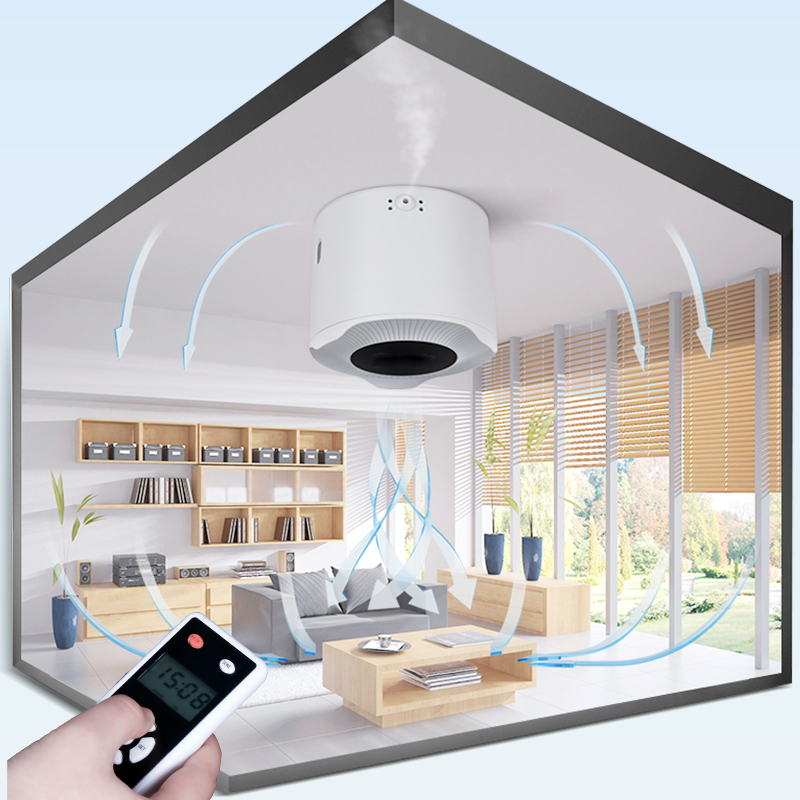
Selecting the correct hardware category is the most critical step in your environmental design strategy. The physical architecture of your space dictates the technology required. You cannot force a standalone unit to scent a massive casino floor, nor should you install a heavy-duty HVAC unit for a small boutique.
These compact systems serve as the foundation for smaller commercial footprints. They are ideal for lobbies, boutique retail shops, and waiting rooms ranging from 500 to 2,000 square feet. Standalone units offer true plug-and-play installation. You simply fill the reservoir, plug the unit into a standard wall outlet, and set the digital timer.
When floor space is limited or security is a concern, elevated systems provide an excellent alternative. These units work best in mid-sized retail stores, long corridors, and commercial restrooms. Mounting units high on the wall or integrating them into track lighting keeps the hardware safely out of reach of curious customers and children.
For massive square footages, direct integration into the building's air handling system is mandatory. These robust machines are built for large event spaces, multi-level department stores, hotels, and casinos requiring coverage from 3,000 to well over 16,000 square feet. HVAC systems deliver ultimate consistency with a completely invisible footprint. By utilizing the facility's existing ductwork and blower fans, the dry scent mist reaches every square inch of the building evenly.
Integration requires professional installation and direct physical access to the ductwork. You must drill a small hole into the sheet metal of the supply plenum and insert a flexible PTFE (Teflon) tube connected to the nebulizer. Always tap the nozzle into the supply line post-fan. Never install the nozzle in the return ducts. If placed in the return, the building's filtration system will immediately scrub the fragrance nanoparticles from the air, and the oil will eventually foul the evaporator coil.
You must also synchronize the scent machine with the HVAC system's run times. If the scent machine pumps mist into the ductwork while the AHU (Air Handling Unit) fan is off, the oil will condense inside the duct. Install an air pressure switch or a current sensing relay on the blower motor. This ensures the scent machine only activates when air is actively moving through the supply ducts.
Beyond choosing a hardware category, you must evaluate how the equipment will interact with your specific physical environment. Building dynamics play a massive role in scent distribution. You must map out the airflow to determine the exact number of machines required.
Start by evaluating your building's CFM (Cubic Feet per Minute) and ACH (Air Changes per Hour). A space with high ACH, like a busy restaurant or a facility with heavy exhaust ventilation, replaces its indoor air with outside air rapidly. In these environments, you need higher output settings or additional units to maintain a noticeable fragrance threshold. Conversely, a tightly sealed office building with low ACH requires very little output to maintain the same scent intensity.
Sprawling facilities and multi-story department stores require advanced zoning strategies. You must map specific scent zones to corresponding HVAC air handlers. This careful planning prevents overlapping fragrances that create confusing, unpleasant olfactory experiences. Pay close attention to the stack effect in multi-level buildings. Warm air rises, pulling scent from the ground floor up through stairwells and escalator shafts. If you have different scents on different floors, you must manage these transition zones through precise airflow control and strategic machine placement.
An effective ambient scent machine requires sophisticated digital scheduling. You must match scent diffusion precisely to specific store hours. Granular intensity settings allow you to program duty cycles. For example, you can set the machine to run for 60 seconds and pause for 120 seconds. You can increase the duty cycle during peak weekend traffic times—when extra bodies and open doors dilute the scent—and reduce it during quiet weekday mornings. This continuous optimization creates a perfect environment while conserving fragrance oil.
Evaluate the physical accessibility of the machines for routine maintenance. Consider the size of the internal fragrance reservoirs. A unit holding a 1000ml bottle requires far less frequent top-ups than a compact 100ml cartridge system. If a machine is mounted fifteen feet in the air or locked inside a cramped mechanical room, you need a large reservoir to minimize the frequency of difficult ladder climbs or maintenance dispatches.
Introducing any airborne element into a public commercial space requires strict adherence to safety protocols. Customer and employee well-being must remain the top priority during implementation. Customer sensitivities are a serious, unavoidable reality. Using cheap synthetic sprays or low-grade oils frequently triggers negative physical reactions, including asthma flare-ups and migraines.
To mitigate this risk, you must source fragrance oils that are strictly IFRA (International Fragrance Association) compliant. The IFRA sets rigorous global standards for the safe use of fragrance materials. Choose formulations that are cruelty-free, hypoallergenic, and completely free of harmful VOCs (Volatile Organic Compounds) and synthetic propellants. Always request the SDS (Safety Data Sheet) from your fragrance vendor before introducing a new oil into your facility. High-quality cold-air diffusion inherently reduces respiratory risks because it disperses dry, microscopic particles rather than heavy, wet chemical droplets.
Staff members working eight-hour shifts will inevitably experience olfactory adaptation, commonly known as nose-blindness. The receptor cells in the human nose become saturated when exposed to a constant stimulus. Within an hour, your employees' brains will filter out the ambient fragrance entirely, and they will stop noticing it. They will frequently complain that the machine is broken or empty. This biological response is completely normal.
You must set baseline intensity levels that remain pleasant and safe for long-term exposure. Resist the urge to turn up the dial based on staff feedback. If the machine is running correctly, the scent will still be highly noticeable, welcoming, and impactful to new customers walking through the door. Use the digital lock feature on your scent machine interface to prevent unauthorized staff from tampering with the output settings.
HVAC-integrated systems demand strict, documented maintenance protocols to ensure building safety. Schedule regular filter checks to guarantee optimal airflow through the ducts. Inspect the PTFE tubing quarterly to ensure it has not kinked or degraded. Monitor the nebulizer nozzle periodically to ensure it operates correctly and delivers a dry mist. Clean the nebulizer head with rubbing alcohol every few months to clear any microscopic clogs. Proper installation and routine visual inspections completely eliminate the risk of oil residue building up inside your ductwork.
A: Coverage depends heavily on the specific technology and model. Standalone tabletop units typically cover between 500 and 2,000 square feet, making them ideal for lobbies and boutiques. Large HVAC-integrated systems can effectively scent massive spaces ranging from 3,000 up to 16,000+ square feet, ensuring even distribution across department stores or event halls.
A: Yes, many commercial units are designed specifically for HVAC integration. Installation requires professional access to your ductwork. The nebulizer nozzle must be tapped into the supply line post-fan to ensure the dry fragrance mist travels efficiently throughout the building without being trapped by return duct filters.
A: High-quality commercial fragrances prioritize safety and compliance. Reputable vendors supply oils that strictly adhere to IFRA (International Fragrance Association) standards. These formulations are typically hypoallergenic, free of harmful VOCs, and utilize cold-air diffusion rather than aerosols, significantly reducing the risk of triggering allergic reactions.
A: Refill longevity varies based on reservoir size, operating hours, and intensity settings. A standard commercial unit with a 500ml to 1000ml reservoir typically lasts between 30 and 90 days. Digital programmability allows you to sync diffusion with business hours, preventing wasted oil and extending the lifespan of each refill.
A: Cold-air diffusion, or nebulization, uses pressurized air to break down fragrance oils into dry, microscopic nanoparticles. Unlike consumer diffusers, it does not use heat or water. This technology is necessary for businesses because it preserves the exact chemical composition of the scent, prevents humid residue on merchandise, and allows for massive square-footage coverage.
A: Yes, many businesses successfully extend their brand experience through retail offerings. You can work with your fragrance provider to white-label your signature scent into consumer-friendly products like candles, reed diffusers, or room sprays. This strategy allows customers to take the brand experience home while generating an additional revenue stream.


