
Views: 0 Author: Site Editor Publish Time: 2026-08-29 Origin: Site


Continuous scenting often fails to deliver the desired ambient experience due to a well-documented physiological response known as olfactory fatigue. When a fragrance disperses without interruption, the human nose quickly adapts to the constant stimulus. The scent becomes entirely imperceptible to those inside the room, while simultaneously overpowering anyone who newly enters the space. Manual operation of fragrance systems creates a frustrating cycle of inconsistent ambient scenting. It leads to the rapid depletion of high-cost essential oils and introduces safety concerns regarding unattended electronic operation.
Automated fragrance control serves as the technical standard for regulating scent intensity and conserving consumables. Integrating an essential oil diffuser timer transforms a basic dispersal unit into a precise environmental tool. Moving from continuous output to programmed interval misting ensures consistent ambient branding and protects the chemical integrity of your essential oils. You maintain a welcoming atmosphere without overwhelming the senses or wasting valuable resources.
Olfactory adaptation occurs when scent receptors in the nasal cavity become saturated by a constant stimulus. The nervous system stops registering the continuous fragrance to prioritize detecting new odors in the environment. Consequently, continuous diffusion renders the scent imperceptible to permanent occupants. Guests walking into the saturated environment hit an overwhelming wall of fragrance. This creates a disconnect between what the operator smells and what the visitor experiences.
Intermittent dispersal is scientifically necessary to maintain sustained fragrance perception. The human olfactory system requires brief periods of neutral air to reset the receptors. Programming specific intervals keeps the scent concentration right at the threshold of perception. This careful regulation ensures the fragrance remains noticeable over extended periods. Automated scenting directly impacts ambient branding by guaranteeing a consistent experience. Controlling the exact concentration of airborne aromatic compounds prevents the environment from feeling heavy or artificially masked. You dictate exactly how the room feels the moment someone opens the door.
Running premium essential oils continuously creates massive operational inefficiencies. Continuous diffusion rapidly drains reservoirs, forcing frequent refills. Utilizing interval timers drastically cuts down on consumable waste. A schedule that diffuses for ten minutes and rests for twenty effectively reduces oil consumption by nearly seventy percent without compromising the perceived atmospheric scent. Over a twelve-month period, this operational shift saves significant volume. High-end botanical extracts become far more viable for daily use when you control the exact milliliter-per-hour output.
Beyond volume depletion, continuous operation degrades the actual chemical profile of the essential oil. Prolonged exposure to heat or continuous ultrasonic agitation breaks down delicate volatile organic compounds. Top notes like citrus and peppermint evaporate instantly under constant stress, leaving behind heavier, distorted base notes. Interval misting preserves the structural integrity of the fragrance blend. Giving the hardware time to cool and the liquid time to settle ensures the aromatic profile remains true to its original formulation from the first drop to the last.
The primary hardware divide lies between diffusers with native programmable cycles and those retrofitted with external smart plugs. Devices featuring built-in digital timers offer pre-set operational windows alongside intermittent misting modes. These native controls communicate directly with the internal atomizer. They ensure precise delivery without cutting the main power supply to the logic board.
Some users adopt a frugal approach by attaching external outlet timers to basic plug-in scent dispensers. This method works adequately for simple mechanical units that lack native intensity controls. However, external timers present severe limitations when paired with modern digital diffusers. Cutting power via a smart plug immediately shuts down the device, but restoring power rarely turns it back on. Most digital units default to an "off" standby state upon power restoration. They require manual intervention to restart the misting cycle. External timers cannot regulate mist intensity or duty cycles, making them a blunt instrument for environmental control.
Different dispersal mechanisms interact uniquely with automated scheduling protocols. Ultrasonic systems rely on water to carry essential oils into the air. Because they consume a physical liquid reservoir, any timer integration must work in tandem with water capacity sensors. If the timer activates the ultrasonic plate while the tank is dry, the ceramic piezoelectric disc will rapidly overheat and crack.
Nebulizing systems draw pure essential oil directly from the bottle, using pressurized air to create a micro-fine mist via Bernoulli's principle. These high-output devices require strict interval timing. A standard nebulizer operating continuously will saturate a room in minutes. Precise duty cycles, such as ten seconds of active misting followed by fifty seconds of rest, are mandatory to control the intense output and prevent oil pooling on nearby surfaces.
Heat and evaporative models represent simpler dispersion methods. These units use gentle warming elements or internal fans to accelerate natural evaporation. Because they lack internal atomizers, they benefit immensely from basic on/off timer automation. Scheduling a heat diffuser to operate only during active room hours prevents rapid evaporation and stops the localized area from becoming uncomfortably saturated with heavy scent molecules.
Advanced automatic diffuser units feature multiple scent bays or dual-cartridge systems. These devices hold two or more distinct fragrance profiles simultaneously. Through app-controlled timers, users schedule alternating fragrances throughout the day to match specific environmental moods or operational shifts.
Alternating automation actively combats olfactory fatigue. Switching from an energizing citrus blend in the morning to a calming lavender profile in the evening forces the olfactory receptors to recognize a new stimulus. This technique customizes the scent length and atmospheric mood. It ensures the space continuously feels fresh and dynamic without requiring physical cartridge swaps or manual intervention from the staff.
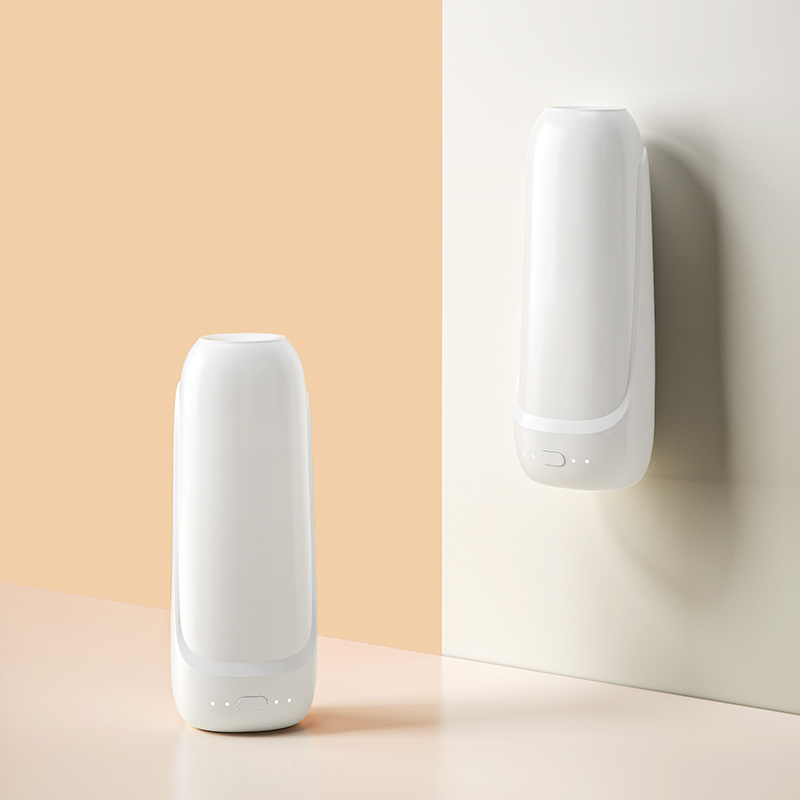
Evaluating a timer aroma diffuser requires understanding the difference between basic countdown mechanisms and advanced scheduling logic. Basic auto-off timers simply run the device for a predetermined period before shutting down. While useful for sleep environments, they still require manual activation every time you want to introduce scent into the room.
Advanced scheduling allows the device to automatically turn on at specific times of day. This aligns fragrance delivery with daily routines or operating hours. True cycle programming involves interval misting capabilities, known as duty cycles. Dictating exactly how many seconds the device actively mists versus how many seconds it rests is the defining factor in achieving precise intensity control. You build custom fragrance profiles based on the exact airflow and square footage of the room.
The scale of the environment dictates the required hardware architecture. Localized control relies on standalone automatic diffusers designed for residential rooms or small office footprints up to 500 square feet. These units are self-contained, easy to relocate, and manage their own internal timing logic without external inputs.
Systemic control demands a commercial-grade scent machine integrated directly into the HVAC system. These robust units push micro-mist through ductwork to cover thousands of square feet. HVAC-connected systems require sophisticated programmable logic controllers (PLCs) capable of multi-zone timing and 24/7 event scheduling. They must account for air handler activation times, building occupancy schedules, and varying airflow velocities. If the scent unit sprays while the HVAC fan is off, oil simply pools inside the ductwork.
| Feature Category | Localized Automatic Diffuser | HVAC-Integrated Scent Machine |
|---|---|---|
| Coverage Area | Up to 500 sq. ft. | 2,000 to 10,000+ sq. ft. |
| Scheduling Logic | Daily recurring timers, basic duty cycles | 24/7 multi-event PLCs, zone-specific timing |
| Installation | Plug-and-play tabletop or wall mount | Professional ductwork integration required |
| Maintenance | Weekly manual reservoir cleaning | Monthly or quarterly bulk cartridge replacement |
| Airflow Dependency | Relies on ambient room drafts | Relies on active HVAC fan operation |
Automated equipment operating unattended must prioritize safety protocols. For ultrasonic models, low-water auto-shutoff sensors are non-negotiable. If a programmed timer activates the device when the reservoir is empty, the ultrasonic plate will run dry. This leads to rapid burnout or potential electrical hazards. The float sensor must override the timer logic to cut power immediately upon detecting low liquid levels.
Unattended operation introduces environmental risks in spaces shared with pets, children, or sensitive inventory. Automated systems must feature secure, locking enclosures to prevent accidental spills or unauthorized tampering with the essential oil reservoirs. Precise timer control ensures that airborne oil concentrations remain well below safety thresholds. This prevents residue accumulation on hard floors and eliminates respiratory irritation for occupants.
Investing in fully programmable automation carries a higher initial hardware premium compared to basic, continuous-run diffusers. You must evaluate this upfront investment against projected long-term consumable savings. High-quality essential oils represent a recurring operational expense. Implementing strict interval misting and automated daily schedules drastically reduces monthly oil consumption.
Over a twelve-month period, the volume of oil saved by preventing overnight diffusion and eliminating olfactory saturation easily offsets the initial cost of the advanced hardware. The operational logic heavily favors purchasing a sophisticated timer mechanism. It protects the recurring investment in premium fragrance and reduces the labor hours required for constant refilling.
The interface used to manage the automation logic presents distinct operational trade-offs. App-connected devices utilizing Wi-Fi or Bluetooth offer unparalleled remote management. Users adjust complex schedules, monitor fluid levels, and execute multi-scent control from anywhere. These benefits are counterbalanced by potential connectivity drops, software obsolescence if the manufacturer stops updating the app, and network privacy concerns.
On-device digital displays provide rugged reliability. They operate entirely independent of network availability. The scent schedule executes flawlessly even during internet outages. The tactile interfaces are straightforward and immune to software glitches. The downside is limited scheduling flexibility. Making changes requires physical proximity to the device, and programming complex multi-day events can be tedious using basic push-button controls.
Intermittent diffusion introduces specific hardware challenges. In nebulizing systems, frequent start-and-stop cycles lead to faster oil coagulation inside the micro-nozzles. When the device rests, residual oil left in the atomizing tube is exposed to air. It oxidizes and thickens. Over time, this timer-induced residue restricts airflow and diminishes mist output.
A standardized maintenance protocol prevents timer-induced clogging. Follow these steps to maintain optimal performance:
The physical properties of the essential oil directly impact automated performance. Highly viscous oils, such as vetiver, patchouli, or sandalwood, interact poorly with frequent automated start/stop cycles. When a device cools down during a rest interval, thick oils settle and harden slightly. This leads to cold-start failures when the timer triggers the next active cycle.
Mitigating viscosity challenges requires strategic blending and appropriate hardware selection. Dilute heavy base notes with lighter, highly volatile top notes like sweet orange or eucalyptus to improve overall flow through the atomizer. Selecting the right dispersal mechanism is also required. Heat-based diffusers handle thick, resinous oils much better than delicate ultrasonic plates or fine nebulizing nozzles. Matching the oil viscosity to the hardware ensures reliable automation regardless of the fragrance profile.
A: Yes. Modern smart diffusers feature app-based scheduling that allows you to program specific auto turn-on times for different days of the week. High-end commercial units come equipped with built-in programmable logic controllers, ensuring the device automatically activates at the start of business hours without manual intervention.
A: The industry-standard baseline for optimal scent perception is 15 to 20 minutes of active diffusion followed by 40 to 45 minutes of rest. This duty cycle maximizes olfactory detection by preventing nose blindness while significantly minimizing essential oil consumption throughout the day.
A: Mechanical diffusers and basic heat plug-ins with physical toggle switches work perfectly with external outlet timers. However, modern digital diffusers usually reset to an "off" standby mode when power is cut. They will not automatically resume misting when the external timer restores power.
A: A time-based shutoff simply stops the device after a countdown, regardless of fluid levels. A water-level auto-shutoff cuts power when the reservoir is dry. For ultrasonic models, you must have both features to prevent the ceramic plate from burning out if the timer activates an empty tank.
A: Commercial scent machines utilize waterless nebulization technology to push highly concentrated micro-mist through HVAC ductwork, covering thousands of square feet. They feature advanced multi-event daily programming capabilities, higher output capacities, and bulk oil reservoirs designed for long-term ambient branding with minimal maintenance.


