
Views: 0 Author: Site Editor Publish Time: 2026-08-28 Origin: Site


Many users assume a thick, continuous vapor plume equals a superior aromatherapy experience. This misconception leads to frustration when a room's scent vanishes after twenty minutes. The physiological reality is olfactory fatigue. Your nose stops registering a constant smell to prevent sensory overload. Running a device continuously wastes botanical extracts and pushes indoor volatile organic compound levels past comfortable thresholds. Standard units lack the control to balance ambient scenting with safe exposure limits. Upgrading to an essential oil diffuser with intermittent setting serves as a necessary hardware upgrade. It benefits users prioritizing safety, oil conservation, and sustained aromatic output. This functional feature stands as a primary indicator of device quality. It separates premium models from basic, continuous-only units that flood a room without regulation.
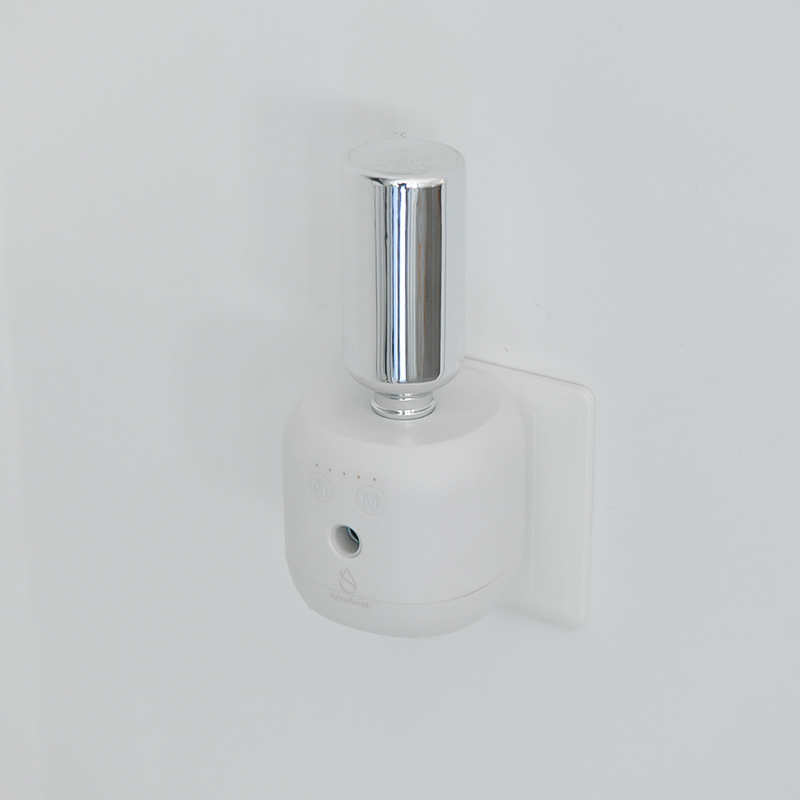
The human olfactory system detects changes in the environment rather than static conditions. When you introduce a new scent, the olfactory bulb processes the molecules and sends immediate signals to the brain. After 15 to 30 minutes of continuous exposure to the exact same aromatic compound, receptor adaptation occurs. The brain tunes out the scent to remain alert to new odors. Continuous misting triggers this sensory adaptation directly.
Because the user can no longer smell the lavender or eucalyptus, they mistakenly assume the scent dissipated. This leads to a common user error: adding more drops of oil to the water reservoir. Compounding the concentration does not bypass olfactory fatigue. It merely saturates the air further, wasting the product and increasing the physical load on the respiratory system. You might walk out of the room and return five minutes later only to realize the scent is actually overpowering.
Aromatherapy safety guidelines advise against prolonged, uninterrupted exposure to volatile organic compounds (VOCs). Essential oils are highly concentrated chemical compounds. Dispersing them continuously into an enclosed space elevates the particulate matter in the air. Breathing heavy concentrations of these compounds for hours on end overwhelms the respiratory tract. Adverse reactions from continuous diffusion are well-documented in occupational health settings.
Watch for these specific overexposure indicators when running devices without timers:
Over months of heavy, continuous exposure, individuals can develop long-term sensitization. They become permanently allergic to an oil they once enjoyed. Managing exposure times is a fundamental safety requirement.
Running a standard mist diffuser continuously makes little sense when dealing with premium extracts. Consider the waste of vaporizing high-value oils like pure Rose, Sandalwood, or Frankincense. If a device empties its 200ml tank in three hours of non-stop operation, the user only actively perceives the scent for the first thirty minutes. The remaining two and a half hours of diffusion simply coat the room's surfaces with expensive compounds that the user's brain ignores.
This rapid depletion forces users to restock their oil collections much faster. A cost-analysis of daily continuous diffusion reveals that users burn through their botanical inventory at least twice as fast as those utilizing timed intervals.
| Diffusion Method | Tank Depletion Time (200ml) | Active Scent Perception | Wasted Oil Duration |
|---|---|---|---|
| Continuous High Mist | 3 Hours | 30 Minutes | 2.5 Hours |
| Intermittent (30s on/off) | 6 Hours | 6 Hours (Sustained) | 0 Hours |
| Macro-Interval (30m on/off) | 6 Hours | 3 Hours (Pulsed) | 0 Hours |
Intermittent settings are engineered to serve specific environmental and physiological purposes. Understanding the different interval ratios helps users match the hardware function to their exact needs.
The mathematics behind intermittent diffusion alter how a device performs throughout the day. A standard 100ml water tank operating on a continuous, high-output mode runs dry in about four hours. This requires the user to constantly monitor, refill, and clean the unit for all-day scenting. By engaging an intermittent setting, that same 100ml volume stretches exponentially.
A 30-second on/off cycle immediately doubles the runtime to eight hours. Selecting a wider interval pushes a small tank to last a full 12-hour cycle. This makes smaller, aesthetically pleasing devices viable for full workdays in an office or uninterrupted overnight use in a bedroom. It eliminates the need for bulky, oversized water reservoirs.
To calculate your expected runtime, follow these steps:
The pause cycle is the mechanical secret to sustained scent perception. When the device stops actively producing vapor, the existing aromatic molecules continue to ride the room's natural air currents. The room's air clears slightly, dropping the overall concentration of VOCs. This brief reduction in concentration is exactly what the olfactory bulb needs to reset.
When the mist resumes after the pause, the fresh influx of scent molecules re-triggers the olfactory receptors. The brain registers the smell as new again. This cyclical process ensures the user continues to enjoy the aroma hour after hour without reaching sensory saturation or room stuffiness.
Not all intermittent features are engineered equally. Basic models feature a single, hardwired intermittent mode—usually a fixed 30-second pulse. While better than continuous-only operation, this lacks the flexibility required for different room sizes and oil viscosities. Advanced models offer true granularity.
When evaluating an adjustable diffuser, look for devices that allow independent control of the "on" duration and the "off" duration. The success criteria for a high-quality unit is the ability to select a 10-minute burst followed by a 20-minute rest. This gives the user total authority over the room's atmospheric load.
There is a direct interplay between the physical volume of mist produced and the required length of the rest interval. Devices that push a heavy, dense plume of vapor introduce moisture and oil into the air very rapidly. If a high mist intensity is used, it strictly requires longer "off" intervals to prevent overwhelming smaller spaces or leaving condensation on surrounding furniture.
Low mist intensity settings pair well with shorter micro-intervals. Users must balance these two settings based on their environment. Pumping high mist on a short interval in a closed bathroom quickly leads to saturated walls and overpowering smells. Low mist on a long interval in an open-concept living room renders the scent undetectable.
The type of diffusion technology dictates how intermittent settings should be applied. Ultrasonic models use water and high-frequency vibrations to create a fine mist. Because the essential oil is heavily diluted in water, ultrasonic units are forgiving. They work exceptionally well with micro-intervals to add both light humidity and scent.
In contrast, an active nebulizing aroma machine uses pressurized air to atomize pure essential oil directly from the bottle, using zero water. The output is highly concentrated and immensely powerful. Because of this raw potency, active nebulizers strictly require macro-intervals to prevent rapid overexposure. Running a waterless nebulizer on continuous mode is a fast track to respiratory irritation and wasted product.
| Feature | Ultrasonic Diffuser | Active Nebulizing Machine |
|---|---|---|
| Dilution Method | Water-based | Waterless (Pure Oil) |
| Output Potency | Moderate | Extremely High |
| Ideal Intermittent Setting | Micro-intervals (30s on/off) | Macro-intervals (5m on / 25m off) |
| Primary Use Case | Ambient scenting, light humidity | Therapeutic dosing, large spaces |
Modern devices frequently integrate optional color-changing LED lights to serve as ambient decor or nightlights. While visually appealing during the evening, these lights become a nuisance during overnight use. The integration of these secondary features with the misting cycle is an evaluation point.
A poorly designed unit might link the intermittent mist cycle to the light cycle, causing the device to flash on and off in a dark bedroom. The success criteria here is independent circuitry. Ensure the device allows users to completely disable all light features—including tiny indicator LEDs—while keeping the intermittent mist cycle running for undisturbed, dark overnight use.
Matching the physical tank size with the right intermittent setting determines the maximum hands-free runtime. Understanding this sizing matrix helps users select the right hardware for their specific daily routine.
| Tank Capacity | Continuous Runtime | Intermittent Runtime (30s on/off) | Best Use Case |
|---|---|---|---|
| 100ml | 3 - 4 Hours | 6 - 8 Hours | Standard sleep cycles, small home offices. |
| 300ml | 8 - 10 Hours | 16 - 20 Hours | All-day ambient scenting in living rooms. |
| 500ml+ | 14 - 16 Hours | 24+ Hours | Large open-concept spaces, commercial lobbies. |
Devices equipped with advanced timer microchips and independent output controls require a higher initial investment than basic, single-button continuous models found in discount stores. However, the return on investment becomes apparent within the first few months of use.
The hardware premium is quickly offset by the drastic reduction in essential oil consumption. By cutting oil usage in half through intermittent pausing, users save significant volume on botanical refills. Over a single year, the volume of oil saved by not wasting expensive extracts easily justifies the upgraded hardware.
Mechanical wear and tear is the primary reason standard devices fail. Continuous operation puts immense, unbroken strain on the internal ceramic ultrasonic disc or the internal air pump. Heat builds up within the chassis, degrading the waterproof seals and weakening the motor components.
Intermittent operation fundamentally changes the thermal dynamics of the device. By forcing the unit to rest for 30 seconds or 10 minutes at a time, the internal components have a chance to cool down. This reduction in continuous mechanical strain delays hardware failure, prevents the ultrasonic plate from burning out prematurely, and saves the user from frequent replacement cycles.
While intermittent settings extend runtimes, they introduce specific maintenance challenges. During the "off" cycles, the water and oil mixture sits stagnant in the reservoir. Heavy, viscous base-note oils like Vetiver, Patchouli, or Cedarwood tend to separate from the water and settle at the bottom of the tank during these pauses. This settling increases the risk of oil residue buildup directly on the delicate ultrasonic plate.
To mitigate this risk, users must adopt strict cleaning protocols:
The rules of diffusion change drastically when vulnerable populations share the space. Pets, particularly cats and dogs, process volatile organic compounds very differently than humans. They lack specific liver enzymes required to break down certain botanical compounds, making continuous exposure highly toxic.
When diffusing around pets or young children, strict intermittent protocols are mandatory. Users must employ long "off" periods—such as 15 minutes on and 45 minutes off—to keep the atmospheric concentration extremely low. Always ensure the room is well-ventilated and that animals have an open door to leave the scented area if they choose.
The effectiveness of an intermittent cycle is heavily influenced by the physical environment. HVAC systems, open windows, ceiling fans, and total square footage all impact how vapor behaves once it leaves the nozzle.
In a drafty room with active air conditioning, the scent molecules are scrubbed from the air quickly. In this scenario, shorter "off" intervals are required to maintain a detectable scent. In a sealed, small bedroom during winter, the vapor lingers much longer. The user can stretch the "off" interval to 20 or 30 minutes and still enjoy a consistent aroma.
Purchasing an essential oil diffuser with intermittent setting is a strict requirement for safe, efficient, and cost-effective aromatherapy. Continuous diffusion leads to olfactory fatigue, wastes valuable botanical extracts, and risks respiratory irritation. By controlling the exact duration of mist output and rest periods, users protect their health, extend the lifespan of their hardware, and maximize the value of their oil collection.
Next Steps:
A: The ideal setting depends on your goal. For therapeutic use, follow the 30-to-60 minute rule: diffuse for 30 minutes, then turn it off for at least 30 minutes. For moderate ambient scenting, a 5-minute on/off cycle works best. For continuous background scent without overwhelming a room, use a 30-second on/off micro-interval.
A: Yes. By pausing the mist cycle, the device physically stops pulling oil and water from the reservoir. This reduces the rate of oil consumption by up to 50%. Because the pause prevents olfactory fatigue, you maintain scent perception without needing to add extra drops to the tank.
A: Yes, intermittent settings make overnight use much safer. A 30-second on/off cycle allows a small 100ml water tank to last a full 6-to-8 hours. Ensure the oils used are safe for prolonged, low-dose exposure and verify that the device has a dark mode to disable all lights.
A: Adjustable diffusers allow you to control the mist output volume and set specific on/off time intervals to manage scent concentration. Standard models lack these controls. They only feature a single power button and run continuously at one speed until the water tank is completely empty.
A: This is caused by olfactory fatigue. When exposed to a constant scent, the receptors in your nose adapt and stop sending signals to your brain to prevent sensory overload. Intermittent diffusion prevents this by introducing brief pauses, allowing your brain to register the scent as new when the mist resumes.
A: They serve different purposes. Active nebulizers output highly concentrated, waterless essential oil, meaning they strictly require macro-intermittent timers to prevent overexposure. Ultrasonic models dilute oil in water, making them gentler and better suited for rapid micro-intervals like 30 seconds on/off.


