
Views: 0 Author: Site Editor Publish Time: 2026-09-28 Origin: Site


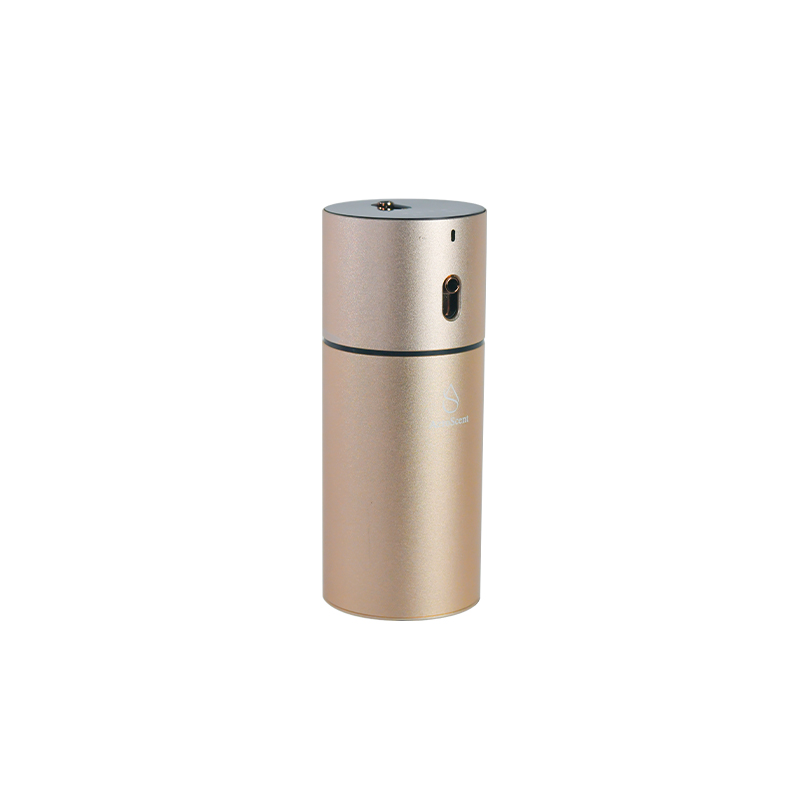
Does your luxury car smell as good as it looks? Scent is the ultimate invisible accessory. Stepping into a meticulously crafted cabin should be an immersive sensory experience. Yet, many drivers overlook this crucial detail. They settle for a visually stunning interior that lacks a true olfactory identity.
Buying the hardware is the easy part. Conversely, choosing the wrong liquid formulation often leads to weak scent dispersion, clogged micro-nozzles, or even overwhelming headaches in a confined space. This guide breaks down exactly how to select the perfect aroma360 smart car scent diffuser oil to match your lifestyle, vehicle type, and specific hardware requirements.
Technology Dictates Fluid: Not all blends function properly in a waterless scent machine. Utilizing pure, cold-air diffusion formulations is critical for mechanical longevity.
Actionable Scent Profiling: Matching your fragrance to your daily driving habits can measurably improve your mood behind the wheel.
Quality Over Everything: Premium blends provide consistent, safe, and residue-free scenting. They actively avoid volatile organic compounds (VOCs) found in cheap synthetic alternatives.
Hardware Maintenance: A proper refill routine prevents clogs and ensures your vehicle maintains a refined atmosphere consistently.
To truly optimize the atmosphere within your vehicle, you must first decode the mechanics of your device. From an engineering standpoint, the internal pneumatic technology dictates exactly what type of liquid you can safely use.
Traditional humidifiers rely on water and ultrasonic vibrations. In stark contrast, modern automotive scenting utilizes cold-air diffusion technology. This advanced process employs a high-velocity, pressurized air pump to break down essential extracts into ultra-fine nanoparticles—typically measuring under 5 microns in diameter.
Because this method entirely bypasses heat, the chemical integrity of the botanical extracts remains intact. Heat easily denatures delicate fragrance molecules, fundamentally altering the intended scent profile. Furthermore, the complete absence of water means the device disperses a dry mist. Introducing unnecessary moisture into a small cabin can lead to windshield condensation, potential damage to sensitive digital displays, or the gradual degradation of premium leather upholstery.
Viscosity—the measure of a fluid's resistance to flow—is arguably the most critical factor when selecting a liquid for a high-tech smart car diffuser. Cold-air nebulizers feature microscopic internal pathways designed exclusively for thin, pure fragrance oils.
Many standard essential oils are heavily diluted with thick carrier lipids like jojoba, fractionated coconut, or sweet almond oil. If introduced into a delicate nebulizing system, these dense liquids quickly coagulate. Consequently, they clog the micro-nozzles and ultimately burn out the internal air pump. Therefore, matching fluid dynamics to the hardware's exact specifications is non-negotiable.
Recent market analyses reveal a massive paradigm shift in the automotive fragrance sector. Drivers are no longer satisfied with generic, hanging paper air fresheners. Instead, there is a surging demand for highly personalized, tech-driven olfactory experiences.
Industry experts note that as modern vehicles become quieter and more technologically advanced, consumers increasingly treat their cars as private mobile sanctuaries. This trend heavily emphasizes the psychological impact of scent. Manufacturers are responding by developing intelligent, USB-rechargeable diffusion systems paired with complex, multi-layered fragrance profiles. These systems are specifically engineered to actively reduce commute-induced stress or organically boost morning alertness.
Feature | Traditional Air Fresheners | Smart Waterless Diffusers |
|---|---|---|
Technology | Passive evaporation | Active cold-air nebulization |
Scent Quality | Flat, synthetic, fades quickly | Multi-layered, consistent, customizable |
Interior Safety | Can leak chemicals on dashboards | Dry nano-mist, leaves zero residue |
Lifespan | 1 to 2 weeks | 30 to 60 days per refill (adjustable) |
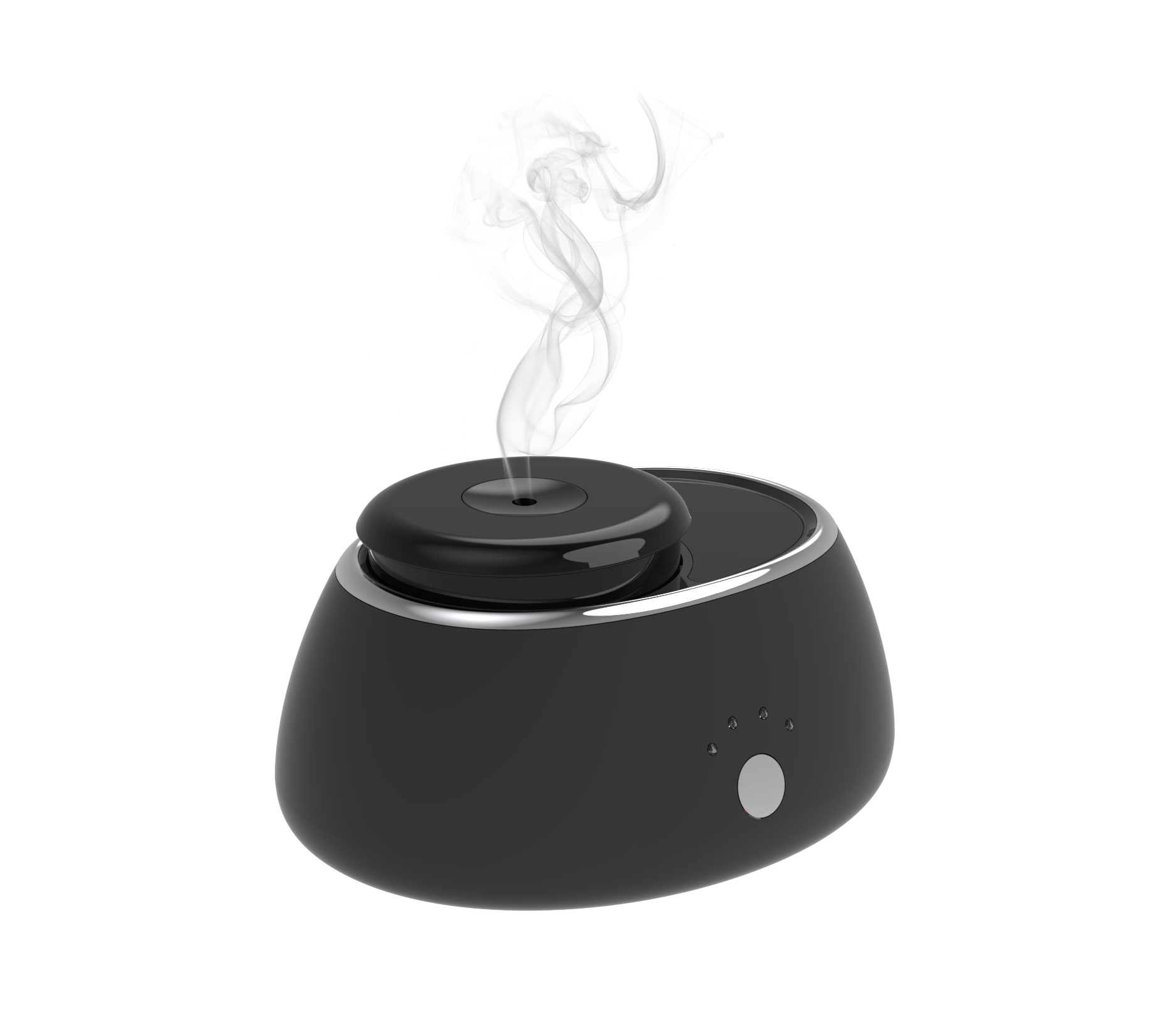
To purchase a car diffuser oil online with absolute confidence, you must understand how to read a scent profile. Professional fragrances are structured in a three-tier pyramid based entirely on molecular weight and evaporation rates.
Top notes consist of the lightest molecules in the blend. These are the crisp scents you perceive immediately upon opening the car door. Common examples include vibrant citrus fruits (lemon, bergamot) and light herbs (mint, basil). Because of their low molecular weight, top notes evaporate rapidly. They usually dissipate within the first 15 to 30 minutes of the diffusion cycle, providing a clean, invigorating introduction.
As the top notes gently evaporate, the heart notes emerge. These form the true core character of the fragrance and make up the vast majority of the scent experience during an average commute. Typically composed of robust florals like jasmine or warm spices such as cardamom, they serve as a seamless bridge in the overall aroma architecture.
Base notes are composed of heavy, large molecules that evaporate at a remarkably slow pace. Ingredients such as rich sandalwood, deep amber, and leather fall into this vital category. In an automotive setting, these heavier molecules often settle slightly into the fabric or leather. This provides a subtle, lingering luxury that keeps the cabin smelling fresh even when the machine is temporarily powered off.
Selecting the right formulation goes beyond simply picking a smell you like. Aligning your choice with your specific driving conditions and device parameters can drastically optimize your experience behind the wheel.
If you spend over an hour in traffic daily, mental alertness is a priority. Look for energizing blends featuring peppermint, eucalyptus, or sweet orange. From a hardware perspective, pair these highly volatile oils with a robust device. A smart diffuser featuring an aluminum alloy body, a built-in 2000mAh battery, and a larger 50ml oil capacity ensures you aren't constantly refilling your device during a busy workweek.
Overly sweet or artificial fruity scents clash horribly with the natural aroma of fine nappa leather and polished wood trim. Instead, opt for deep, resinous base notes like oud, vetiver, and leather. These profiles seamlessly integrate with the existing smell of a luxury cabin. Ensure you are using a premium automotive aroma oil that is IFRA-compliant, guaranteeing it won't damage high-end interior materials.
Vehicles used for daily carpooling or transporting pets are highly susceptible to lingering odors. Merely masking these smells with heavy perfumes results in a nauseating combination. Clean, ozonic scent profiles featuring crisp linen or bamboo provide a fresh, airy quality. This mimics a sanitized, open space, effectively neutralizing the perception of stale air or damp pet dander.
Maintaining your device properly is just as important as selecting the right oil. A careless car fragrance refill process can easily lead to interior stains or frustrating mechanical malfunctions.
To ensure maximum mechanical longevity and protect your car's interior, follow these standardized engineering steps:
Power Down and Remove: Always turn off the diffuser and unplug the Type-C USB cable. Take the device completely outside the vehicle. Spilled concentrated oil can permanently stain delicate fabrics and corrode protective UV coatings on dashboard plastics.
Inspect the Core: Carefully unscrew the empty receptacle. Take a moment to inspect the internal straw and the micro-nozzle for any visible blockages or sticky residue.
Align and Secure: Attach the new bottle securely to the diffusion head. Ensure the threads are perfectly aligned to prevent tiny air leaks, which would drastically reduce mist output.
Wipe Down: Clean the exterior with a dry microfiber cloth before placing it back into the cup holder to ensure no residual oil transfers to your hands.
To prevent delicate micro-nozzles from clogging, a monthly cleaning protocol is highly recommended. Fill an empty bottle with a small amount of 90% isopropyl alcohol. Run the diffuser on its highest intensity setting for 10 to 15 minutes outside the car. The alcohol acts as a powerful solvent, dissolving coagulated molecules and instantly clearing the pneumatic pathways.
Upgrading your daily drive is incredibly easy when you approach it with the right technical knowledge. You simply need a high-quality, USB-rechargeable smart device paired flawlessly with the correct premium formulation. The right scent does not just mask unpleasant odors; it fundamentally transforms your vehicle into a highly personalized sanctuary.
Ready to upgrade your cabin's atmosphere? Explore Ramon Aroma's professional-grade smart car diffusers and premium oil solutions today to find the perfect technological and olfactory match for your vehicle.
It is highly discouraged. Standard essential oils frequently contain thick carrier lipids that simply cannot be properly atomized by cold-air technology. Using them will inevitably clog the micro-nozzles and potentially void your device's warranty. Always use approved formulations engineered specifically for nebulizing devices.
Longevity depends entirely on your personal usage habits and the device's intensity settings. However, under normal driving conditions (averaging 1 to 2 hours per day) on a medium output setting, a standard 50ml bottle will typically last between 30 to 60 days.
Yes, it is completely safe. Because advanced nebulizing technology utilizes high-pressure air to create a dry nano-mist, the fragrance molecules remain suspended in the cabin air. This sophisticated process leaves zero damp residue, protecting your premium leather seats and digital touchscreens from moisture damage.
First, verify that the internal bottle is not empty and check your smart timer settings. If the internal pump is audibly running but no mist appears, the nozzle is likely clogged with coagulated oil. Running pure rubbing alcohol through the device for ten minutes usually resolves this issue instantly.
For optimal shelf life and to prevent molecular degradation, fragrance oils should be stored in a cool, dark place between 50°F and 75°F (10°C to 24°C). Avoid leaving backup refill bottles in your glovebox during extreme summer heat, as temperatures exceeding 120°F can prematurely evaporate top notes and alter the intended scent profile.
From an engineering standpoint, you should perform a basic alcohol flush every 30 to 45 days, or whenever you are switching to a completely different scent profile. This prevents cross-contamination of fragrances and ensures the internal micro-pump operates at peak efficiency.


