
Views: 0 Author: Site Editor Publish Time: 2026-09-30 Origin: Site


Walking into a high-end spa or a luxury hotel triggers an immediate sense of relaxation. This psychological response is heavily influenced by ambient scenting. A clean, uplifting atmosphere frequently relies on a precisely engineered white tea fragrance to establish a welcoming environment. However, replicating this commercial olfactory experience at home introduces a modern engineering challenge. Consumers today must navigate a complex market of smart diffusers, closed-ecosystem subscription models, and proprietary hardware. Finding the correct product is no longer just about the aroma; it is about strict system compatibility.
Many users struggle to identify a replacement that matches their preferred scent profile while physically fitting their specific device. This comprehensive guide analyzes the architecture of proprietary No. 1 white tea smart vials. Specifically, we will systematically break down the chemical fragrance structure, verify hardware constraints, review objective feedback from daily operations, and evaluate how these systems compare to professional-grade alternatives.
Before diving into specific product architectures, it is crucial to understand the current trajectory of the ambient scenting industry. A few years ago, the market saw a massive influx of smart, app-controlled wall plug-ins. These devices offered novelty. However, recent industry data reveals a distinct shift in consumer behavior. We are witnessing growing frustration with "digital lock-in"—where users are forced to buy low-volume, high-cost proprietary refills just to keep their machines running.
Consequently, there is a major pivot back toward open-format, commercial-grade systems. High-capacity cold-air nebulizers and universal bulk oils are experiencing a massive resurgence. Why? Because they offer whole-house HVAC integration without Digital Rights Management (DRM) restrictions on the liquids. Homeowners and business operators are prioritizing scalable, cost-effective scenting over closed-loop subscription fatigue.
Understanding the sustained popularity of this specific white tea profile requires a closer look at its olfactory construction. In scent engineering, we do not just mix liquids; we design evaporation rates. The product is marketed with a premium approach, relying on a highly calibrated pyramid structure.
Fragrances are formulated using top, middle, and base notes that flash off (evaporate) at different temperatures and times. This scientific approach ensures a dynamic ambient experience rather than a flat, synthetic odor.
White tea is universally appealing for high-traffic zones like lobbies, living rooms, and guest bathrooms. Unlike heavy gourmand scents that can feel suffocating, or aggressive florals that trigger respiratory sensitivities, white tea remains inherently neutral. It is clean and non-overpowering. This delicate chemical balance is exactly why commercial engineers frequently specify it for upscale environments.
A critical factor in system deployment is hardware compatibility. Because the smart home fragrance sector heavily relies on proprietary technology, cross-brand integration is virtually nonexistent by design.
It is essential to understand that a proprietary smart vial is not a standard bottle of home diffuser oil. It is a highly engineered cartridge equipped with an integrated Radio Frequency Identification (RFID) chip.
When the vial snaps into the magnetic housing, the device reads this chip. This triggers the system to recognize the specific flashpoint of the fragrance and optimize the heating element's dispersion rate accordingly. Attempting to force these vials into a different brand's hardware, or trying to bypass the chip, will inevitably result in thermal damage to the wick or total hardware failure.
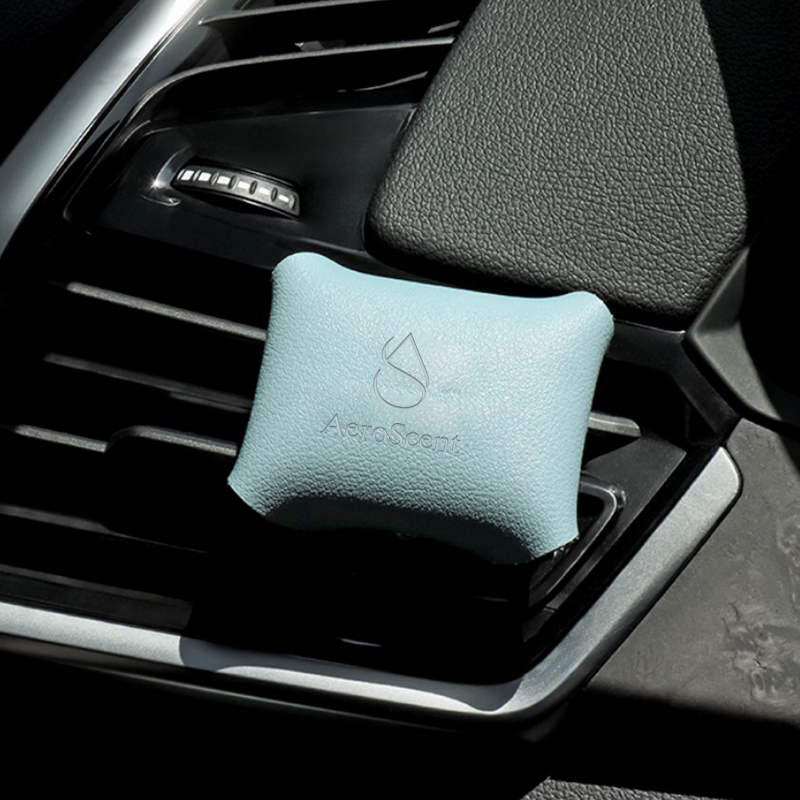
A frequent point of failure occurs when users attempt to transition their home scent to their vehicles. Liquid wall plug-in vials are structurally incompatible with automotive environments due to extreme temperature fluctuations and vibration. Car diffusers typically utilize a completely different, cylindrical solid-state polymer cartridge. Therefore, if you wish to scent your vehicle, you must procure a dedicated car scent refill specifically engineered for automotive thermal conditions.
When engineering a home scenting strategy, operators must weigh the convenience of a closed, app-driven ecosystem against the raw performance and scalability of standard liquid oils.
To make an informed decision, let's look at the hard data comparing closed-system vials with professional-grade open systems.
| Specification | Proprietary Smart Vials | Ramon Aroma Universal Oils (Cold-Air) |
|---|---|---|
| Volume Capacity | 10ml - 15ml | 100ml / 500ml / Bulk |
| Dispersion Tech | Thermal Heating (Wick) | Cold-Air Twin-Fluid Atomization |
| System Lock-in | Yes (RFID DRM restricted) | No (Compatible with all nebulizers) |
| Residue / Carrier | Often contains synthetic carriers | Zero-residue, 100% pure formulation |
| Coverage Area | Single Room (up to 300 sq ft) | Whole House / HVAC (up to 3,000+ sq ft) |
Analyzing economic value requires calculating the cost per milliliter of atomized liquid. Smart vials command a massive premium due to the integrated silicon chip and brand licensing. While app control is convenient, it is highly inefficient for large spaces.
In contrast, purchasing premium bulk fragrance refill oil for cold-air diffusers yields a significantly lower operational cost. Formulations from industrial suppliers like Ramon Aroma are engineered for twin-fluid atomization. This means they break down into nano-particles without heat, preserving the exact chemical integrity of the white tea notes while covering massive square footage.
Synthesizing aggregate data from daily operators highlights both the strengths and the empirical limitations of proprietary vial systems in residential deployment.
Field tests consistently highlight the realism of the fragrance. The formulation effectively avoids the synthetic, plastic after-smell associated with cheap grocery store plug-ins. Furthermore, the high-volatility citrus notes are highly effective at neutralizing ambient household VOCs (Volatile Organic Compounds), making it a favorite for pet owners.
Conversely, the most documented biological failure is olfactory fatigue, commonly known as "nose blindness." Because the white tea scent is delicate, human receptors desensitize rapidly under continuous exposure.
Mechanically, depletion rates are a major friction point. Due to the physics of capillary action in the wick, vials frequently empty faster than the advertised 30-day mark when subjected to high-intensity thermal cycles. Additionally, periodic RFID read errors—where the device fails to recognize a newly inserted refill—disrupt the automated experience.
For users stepping away from proprietary hardware, the open market provides robust, scalable alternatives. How do you choose the right setup? It comes down to your dispersion hardware.
If you operate an ultrasonic water diffuser, a standalone cold-air nebulizer, or a direct-to-HVAC system, purchasing standalone liquids is the only logical path. High-quality white tea diffuser refill oils provide the exact luxury aroma profile without DRM restrictions.
When selecting an oil, look for zero-residue formulations. Subpar oils contain heavy carrier lipids that will clog the microscopic nozzles of a cold-air atomizing pump. Industrial-grade formulations ensure clean atomization, allowing a single 100ml bottle to scent a massive commercial lobby or an entire residential floor with minimal maintenance.
Regardless of whether you utilize a smart vial or a bulk commercial system, implementing strict operational protocols will significantly extend the lifespan of your liquids.
To combat olfactory fatigue and reduce fluid consumption, never run a diffuser continuously. Utilize scheduling features to disperse scent only during high-occupancy hours. For example, programming a duty cycle of 2 minutes ON and 3 minutes OFF during morning and evening hours is highly efficient. This intermittent dispersion prevents receptor desensitization, ensuring the scent remains noticeable.
Aromatic compounds are highly volatile and degrade rapidly under poor conditions. Proper storage is non-negotiable. Keep spare vials and bulk aluminum bottles in a temperature-controlled, dark environment. Direct ultraviolet (UV) exposure and radiant heat will oxidize the top notes, ruining the fragrance profile before it even enters the machine.
Proprietary smart vials offer a highly engineered, convenient solution for single-room applications, delivering a sophisticated white tea aesthetic. However, their closed-ecosystem design inherently limits scalability and inflates long-term operational costs.
For those seeking robust performance, whole-house coverage, and freedom from subscription models, transitioning to open-format cold-air systems is the superior engineering choice. By utilizing professional-grade, zero-residue liquids, you can achieve a true commercial spa experience at a fraction of the cost per square foot. If you are ready to upgrade your ambient scenting infrastructure with high-capacity equipment and premium formulations, explore the comprehensive solutions available at Ramon Aroma to find the exact match for your residential or commercial requirements.
Under typical residential deployment, a single 10ml vial lasts between 15 to 30 days. This duration is strictly governed by the intensity setting and the duty cycle programmed in the app. Continuous thermal heating on maximum intensity will evaporate the fluid in less than two weeks.
From an engineering standpoint, this is highly discouraged. These cartridges are sealed and contain specific wicking materials calibrated for the original fluid's viscosity. Prying them open damages the seal, leading to internal leaks that will short-circuit the motherboard of the diffuser and void all warranties.
This is rarely a hardware failure; it is a biological phenomenon called olfactory fatigue. Your brain's olfactory receptors adapt to constant background smells to prioritize new, potentially dangerous odors. To fix this, program your diffuser to run intermittently (e.g., on for 2 hours, off for 4 hours) or alternate between two completely different scent profiles.
While premium formulations use clean ingredients, biological responses in animals differ from humans. Cats and birds are particularly sensitive to aerosolized VOCs. Always ensure the HVAC system is providing adequate fresh air exchange, keep diffusers out of physical reach, and monitor pets for respiratory distress.
Yes, provided the oil is specifically formulated for twin-fluid atomization. Cold-air nebulizers require pure, zero-residue oils without heavy carrier oils (like coconut or jojoba oil), which will clog the internal atomizing core. Always verify the viscosity specifications with your oil supplier.
Yes, but they require different hardware. Automotive diffusers use solid-state polymer matrix cartridges designed to withstand the extreme heat of a parked car interior. Liquid wall-plug vials cannot be used in vehicles, as the fluid would leak or evaporate instantly under high cabin temperatures.


