
Views: 0 Author: Site Editor Publish Time: 2026-08-04 Origin: Site


Traditional heat-based scent dispersion degrades delicate botanical compounds, altering their natural aromatic profiles. Modern cold-mist technology solves this by preserving these complex molecular structures entirely. Buyers frequently struggle to differentiate between basic humidifiers and specialized scent devices. This confusion risks investment in equipment that either damages essential oils or fails to disperse them effectively across targeted square footage. Evaluating these devices requires looking beyond basic aesthetics and marketing claims. Understanding the specific fluid dynamics and mechanical components of ultrasonic diffusion is critical. This technical knowledge allows you to evaluate device durability, maintenance requirements, and overall performance before purchase. By examining how transducers and airflow systems operate, you can select a unit that delivers consistent, safe, and efficient scent dispersion.
Older diffusion methods relied heavily on thermal energy to release fragrances into the air. Candles, heated plates, and electric warming pads force liquids to evaporate through rising temperatures. This fundamental flaw compromises the process. Heat alters the molecular structure of botanical extracts. It neutralizes their intended therapeutic properties and destroys fragile aromatic compounds like terpenes and esters. Boiling essential oils fundamentally changes their chemical profile, resulting in a flat, distorted scent that lacks the complexity of the original plant material.
Modern devices solve this through mechanical oscillation. At the base of the water tank sits a small ceramic disk known as a piezoelectric transducer. Electrical currents cause this plate to expand and contract rapidly. This movement creates vibrations at ultrasonic frequencies, typically ranging from 1.7 to 2.4 million times per second. Humans cannot hear this oscillation, but its physical impact on the fluid above it is immense. The energy transfers directly into the water and oil mixture resting on top of the disk.
These rapid vibrations create microscopic vacuum bubbles in the fluid. This fluid dynamic process is called cavitation. As the ceramic disk pushes upward, it creates high pressure. As it pulls downward, it creates low pressure, tearing the water apart to form tiny cavities. When these vacuum bubbles collapse, they generate intense local shockwaves. This pressure ejects tiny droplets from the surface of the liquid. These droplets measure just 1 to 5 microns in diameter, making them light enough to float on natural room air currents.
The sequence of atomization follows a precise mechanical path:
Many users mistake the visible plume exiting the device for steam. Because the device relies entirely on mechanical oscillation rather than thermal heating, mist generation happens instantly upon activation. The output is entirely cold. There is no boiling water, no heating element, and no waiting period for the liquid to reach a specific temperature. You can place your hand directly over the output nozzle and feel only a cool, damp breeze.
A small internal fan sits inside the chassis to manage airflow. This fan directs the suspended, microscopic particles up a central channel and out of the device. Because the droplets are micro-fine, they evaporate rapidly into the ambient air. This rapid evaporation maximizes scent dispersion across the room. It also prevents wet residue from accumulating on surrounding furniture, electronics, or hardwood floors, provided the ambient humidity is not already saturated.
The scenting technology landscape includes several distinct mechanisms. You must map these options to understand where an ultrasonic aroma diffuser fits best within your specific environment. Comparing atomization methods reveals distinct advantages and operational compromises for each category. You cannot expect a single device type to perform perfectly across a small bedroom and a massive open-concept living space.
Nebulizing diffusers, also known as cold-air diffusers, operate on entirely different physics. They use pressurized air and the Bernoulli principle to break down pure essential oil into a micro-mist. A high-velocity air stream creates a vacuum that pulls the oil up a small glass tube. The oil shatters against a glass baffle, turning into a fine mist. They do not use water. Nebulizers offer a significantly stronger scent profile because the oil remains undiluted. However, these units operate with noticeable mechanical noise from the air pump. They consume expensive oils much faster and require a higher initial financial investment.
Conversely, an older essential oil vaporizer relies on direct heat. These heat vaporizers are largely obsolete for therapeutic use. The thermal degradation destroys the complex chemical profiles of the oils, leaving only base aromatic notes. While they remain cheaper to manufacture and purchase, the functional sacrifice renders them ineffective for users seeking intact botanical properties. The heat also presents a minor fire hazard if left unattended after the liquid evaporates.
Defining success criteria helps match the technology to the use case. Ultrasonic units fit bedrooms, personal offices, and dry climates perfectly. They provide slight, localized humidity alongside the fragrance, creating a comfortable breathing environment. Nebulizers suit large, open-concept commercial spaces, hotel lobbies, or retail environments where water dilution would reduce scent effectiveness over long distances. Heat vaporizers only serve basic ambient scenting where therapeutic value is irrelevant.
| Technology Type | Atomization Method | Water Required | Scent Intensity | Operational Noise | Primary Use Case |
|---|---|---|---|---|---|
| Ultrasonic Diffuser | High-frequency mechanical vibration | Yes | Moderate (Diluted) | Low (Fan and water trickle) | Bedrooms, small offices, dry climates |
| Nebulizing Diffuser | Pressurized air (Bernoulli principle) | No | High (Pure Oil) | Moderate to High (Air pump hum) | Large open spaces, commercial areas |
| Heat Vaporizer | Thermal evaporation | Optional | Low (Altered profile) | Silent | Basic ambient scenting on a strict budget |
| Evaporative Fan | Forced air over a scent pad | No | Very Low | Low (Fan noise only) | Cars, small closets, personal desks |
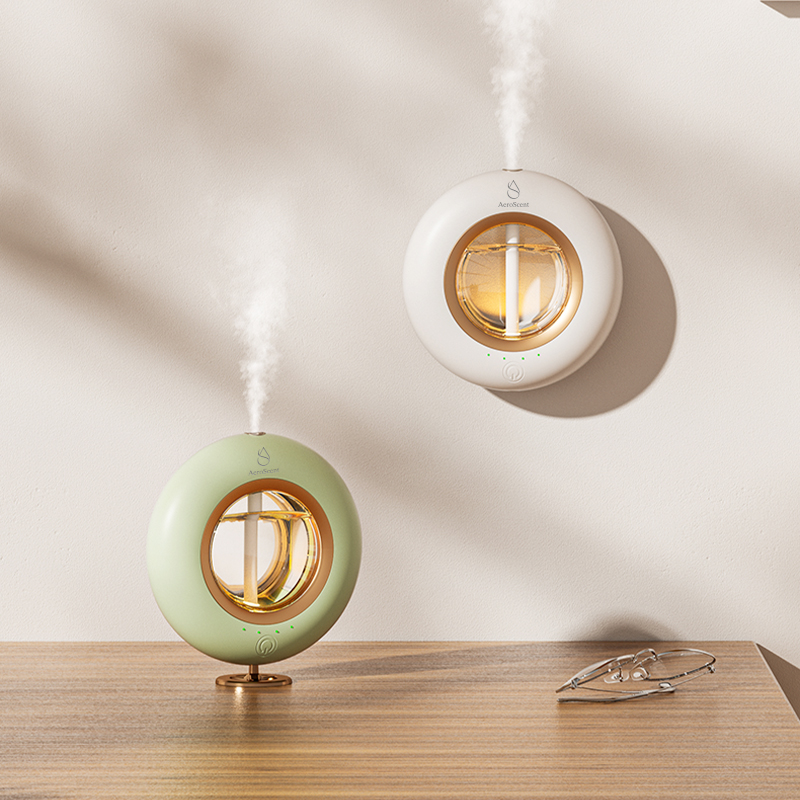
The frequency of the vibrating plate dictates the fineness of the mist. Industrial transducers operate at various speeds, but a premium aromatherapy ultrasonic essential oil diffuser typically utilizes a 2.4 MHz frequency. Higher frequencies produce lighter, smaller droplets. These micro-particles stay airborne longer, traveling further on natural room air currents. Lower frequency plates, often found in cheap humidifiers, produce heavier droplets that fall quickly. This creates damp spots on surfaces directly beneath the output nozzle and limits the scent throw.
Manufacturers frequently market these devices as featuring silent operation. The ultrasonic waves themselves are indeed inaudible to human ears. However, the mechanical noise generated by the internal fan and the physical agitation of the water is noticeable. This acoustic profile is a critical buying factor for bedroom use. Evaluate the decibel rating if provided. Listen for fan hum and the trickling sound of water returning to the reservoir. A well-engineered unit isolates the fan motor with rubber dampeners to keep the noise floor below 30 decibels.
Water tank capacity directly dictates run-time scalability. Map the tank volume to your operational needs and room square footage. A 100ml tank suits a small office, running for roughly three to four hours before requiring a refill. A 500ml tank can run continuously through the night in a master bedroom. However, oversized tanks present a specific trade-off. Continuous run-time is convenient, but large reservoirs risk stagnant water if you do not empty and dry them daily. Standing water degrades the plastic and invites bacterial colonization.
Material safety and chemical resistance separate premium devices from disposable electronics. Highly concentrated oils, especially citrus variants like lemon, sweet orange, and bergamot, contain natural solvents like d-limonene. These solvents aggressively corrode cheap plastics like standard polystyrene. This corrosion leads to structural leaks, cracked reservoirs, and chemical off-gassing into your air. Verify the necessity of medical-grade, BPA-free plastics. Polypropylene (PP) is the industry standard for chemical resistance in scent devices. You can usually identify PP plastic by the recycling triangle with a number 5 stamped on the bottom of the water tank.
Automated safety features prevent hardware failure. A reliable device must include an auto-shutoff mechanism triggered by low water levels. When the reservoir empties, the piezoelectric transducer loses its liquid cooling medium. If it continues to vibrate dry, it will overheat and burn out within minutes. Gravity-fed floats or electronic resistance sensors detect this drop in water and instantly cut power to the ceramic disk. Capacitive sensors offer better reliability than mechanical floats, which can jam if mineral scale builds up on the guide rail.
The type of water used significantly impacts device longevity. Users frequently debate the merits of tap water versus distilled water. Hard tap water contains high levels of dissolved minerals, primarily calcium and magnesium. During atomization, these minerals are left behind or deposited directly onto the vibrating plate. This calcium carbonate scaling dampens the transducer's oscillation, severely reducing mist output over time. Using distilled water prevents this mineral scaling entirely, extending the hardware's lifespan and ensuring consistent atomization.
Water-based mist diffuser units require diligent upkeep to mitigate mold and bacterial growth. Stagnant water provides an ideal breeding ground for airborne pathogens. Biofilms can form on the inside of the tank within 48 hours. If neglected, the device will aerosolize these bacteria, dispersing them directly into your breathing zone. Outline strict cleaning protocols for your household. Perform weekly deep cleans using acetic acid (white vinegar) or isopropyl alcohol. This routine breaks down residual oil sludge and sanitizes the internal reservoir.
Adding moisture to indoor air carries environmental impacts. Address humidity accumulation in poorly ventilated spaces. While these devices are micro-humidifiers, running a high-capacity unit continuously in a small, closed room raises the relative humidity. Warn against using these units in already damp environments, such as basements or poorly ventilated bathrooms. Excess moisture encourages localized mold growth on walls, windowsills, and textiles. If you notice condensation forming on the inside of your windows, the room has reached its dew point, and you must turn the device off immediately.
Placement dictates performance and safety. Keep the device away from direct sunlight, which can degrade the plastic housing and alter the oils in the tank. Position the unit on a flat, water-resistant surface at least two feet off the ground. This elevation gives the mist time to evaporate into the air before reaching the floor. Ensure the air intake vents, usually located on the bottom of the chassis, remain unobstructed by tablecloths or soft furnishings. Blocking the intake starves the internal fan, causing the mist to fall straight down and pool around the base of the unit.
An aromatherapy ultrasonic essential oil diffuser remains the most versatile and cost-effective solution for users seeking to preserve oil integrity while adding mild moisture to the air. By utilizing high-frequency mechanical vibrations, these devices bypass the destructive nature of heat, delivering intact botanical compounds instantly. They bridge the gap between heavy-duty humidifiers and expensive nebulizing systems, offering a balanced approach to personal space scenting.
Filter your choices based on practical realities rather than aesthetic appeal alone. Match the tank capacity to your room size, verify the use of chemically resistant Polypropylene (PP) plastic, and assess the acoustic levels for your specific environment. Success relies entirely on your willingness to adhere to strict, water-based maintenance routines to prevent mineral scaling and microbial growth. Neglecting the hardware will inevitably lead to weak mist output and potential hygiene risks.
Take the following steps to finalize your setup:
A: No. Unlike heat-based methods that boil and degrade botanical compounds, ultrasonic frequencies rely on physical agitation. This cold-mist process does not alter the chemical composition of the oils, making it a preferred method for preserving therapeutic properties.
A: While it adds moisture to the air, it functions as a micro-humidifier. It works well for immediate personal space or small bedrooms, but it cannot replace a dedicated, high-capacity humidifier designed for whole-room climate control.
A: Weak output usually stems from three technical failures: mineral buildup on the piezoelectric plate, overfilling the tank past the maximum water line (which restricts cavitation), or a failing internal fan that cannot push the mist upward.
A: Wet fallout occurs when the ambient humidity is already too high for the mist to evaporate. It also happens if a low-quality transducer produces droplets larger than 5 microns, making them too heavy to stay airborne.
A: The mechanical water mist itself is safe, but the specific essential oils aerosolized can be highly toxic to cats and dogs. Animals lack certain liver enzymes to process these compounds. Always consult a veterinarian regarding safe oil types.
A: Empty and wipe down the reservoir after every use. Perform a deep clean with white vinegar or rubbing alcohol every 3 to 6 uses. This evidence-based timeline maintains transducer efficiency and prevents bacterial aerosolization.


