
Views: 0 Author: Site Editor Publish Time: 2026-08-17 Origin: Site


The growing demand for non-toxic atmospheric scenting has flooded the market with various diffusion technologies. This abundance makes it difficult to separate marketing claims from actual mechanical performance. It also leads to widespread misconceptions about how these devices operate. Consumers and facility managers must choose a diffusion method that effectively disperses scent without altering the chemical composition of premium essential oils. Heat and chemical degradation ruin therapeutic benefits. Understanding the exact internal mechanics of an ultrasonic unit helps you evaluate whether this specific technology aligns with your spatial requirements, maintenance capabilities, and therapeutic goals. You need to know exactly what happens inside the water tank to maximize efficiency and device lifespan.
The physical process inside an essential oil diffuser ultrasonic aromatherapy diffuser relies on precise fluid dynamics. Before any mechanical action begins, the user fills the reservoir with room-temperature water. You then add a few drops of essential oil. Because oil is less dense than water, it floats on the surface. This fluid layering is a specific physical property. It allows the ultrasonic process to target the oil layer effectively without requiring chemical emulsifiers.
At the base of the water tank sits the piezoelectric transducer. This small ceramic disc acts as the engine of the entire operation. When you power on the device, electrical currents flow into this disc. The electrical charge causes the ceramic material to rapidly expand and contract. This vibration happens at ultrasonic frequencies, typically ranging between 1.6 to 2.4 megahertz. These frequencies sit far beyond the range of human hearing, ensuring silent mechanical operation.
These rapid vibrations travel upward through the water column. The kinetic energy creates microscopic bubbles in the fluid, a process known as cavitation. As these bubbles rise and collapse, they generate intense localized pressure. This pressure breaks the essential oil floating on the surface into microscopic particles. Capillary waves form on the water's surface, further fragmenting the oil and water molecules into an ultra-fine state.
The combination of fragmented water and oil molecules is then propelled upward. The kinetic energy of the ultrasonic vibrations forces these micro-particles out of the device. They exit the nozzle as a fine, cool mist. This process explicitly debunks the common misconception regarding evaporation. These devices do not heat the oil. No thermal energy is applied during the process. The mist is entirely generated through physical agitation, preserving the exact chemical profile of the plant extracts.
To understand the exact sequence of events, consider the mechanical workflow:
Evaluating an aromatherapy machine requires comparing it against other established technologies. The most common alternative is the nebulizing diffuser. Nebulizers use pressurized cold air to atomize pure essential oils. They do not require water. This waterless method provides a much stronger, undiluted scent throw. Nebulizers work well for larger spaces. However, they consume oil at a significantly faster rate. They also operate with a noticeable humming sound due to the internal air pump.
Heat diffusers represent another traditional approach. These devices use a heat source, like a candle or an electric warming plate, to evaporate the oil. While silent, heat alters the molecular structure of the oil. Thermal degradation destroys the volatile terpenes and therapeutic properties of the plant extracts. Ultrasonic technology maintains oil integrity completely. This makes the ultrasonic method the superior choice for clinical or therapeutic applications.
Evaporative diffusers offer a passive alternative. These models use a small internal fan to blow air across a pad soaked in essential oil. The oil evaporates into the room over time. While simple, evaporative models suffer from inconsistent scent dispersion. The lighter top notes of the oil evaporate quickly, leaving the heavier base notes behind. Ultrasonic units actively mist the entire oil profile simultaneously, ensuring a consistent aroma from start to finish.
| Technology Type | Carrier Mechanism | Scent Intensity | Oil Preservation | Noise Level |
|---|---|---|---|---|
| Ultrasonic | Water & Vibrations | Moderate (Diluted) | Excellent (No Heat) | Very Quiet |
| Nebulizing | Pressurized Air | High (Undiluted) | Excellent (No Heat) | Moderate (Pump Noise) |
| Heat | Thermal Evaporation | Moderate | Poor (Degrades Terpenes) | Silent |
| Evaporative | Fan & Airflow | Low to Moderate | Fair (Fractional Evaporation) | Low (Fan Noise) |
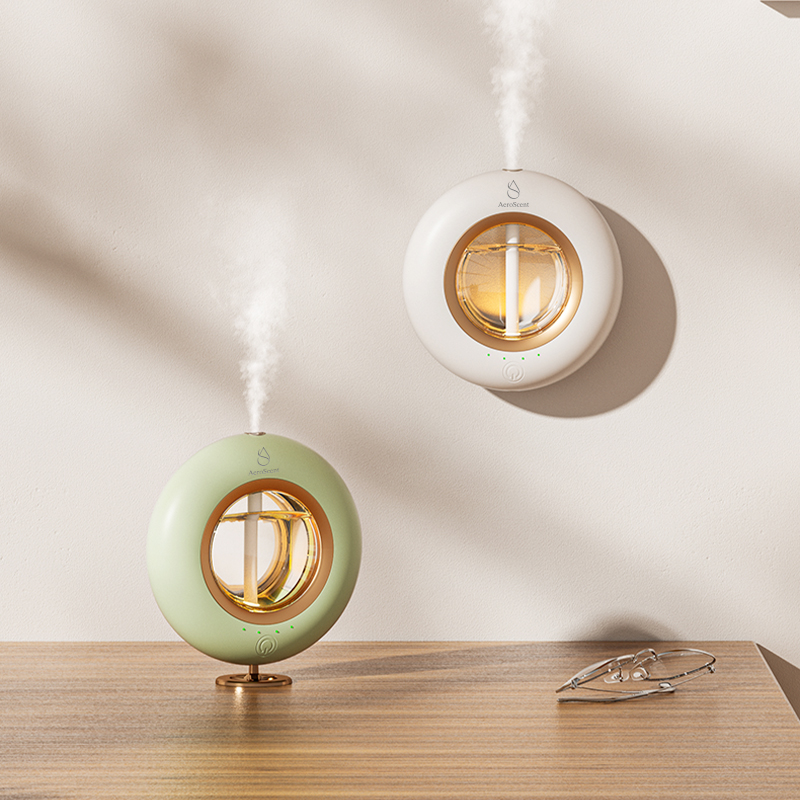
Selecting the right unit requires matching technical specifications to your physical space. Tank capacity directly dictates run time scalability. A small 100ml reservoir typically runs for three to four hours. This size suits a home office or a small bedroom. A larger 500ml tank can operate continuously for up to ten hours. You must match the water reservoir size to your room square footage and your desired continuous operation time.
Mist output controls offer another layer of customization. Many units feature intermittent mist settings. The device will mist for thirty seconds and then pause for thirty seconds. Intermittent cycling prevents olfactory fatigue. The human nose quickly becomes blind to constant smells. Pausing the output keeps the scent noticeable longer. It also significantly reduces overall oil consumption throughout the day.
Safety mechanisms demand careful consideration. Built-in water level sensors are non-negotiable features. These sensors automatically power down the unit when the tank runs dry. Operating a dry tank damages the ceramic piezoelectric disc permanently. Auto-shutoff features ensure safe unattended operation, allowing you to run the device overnight without risk of hardware failure.
Material safety impacts both durability and health. Essential oils, particularly citrus oils, are highly corrosive. They will degrade cheap plastics over time. The internal tank must utilize medical-grade, BPA-free plastics, such as Polypropylene (PP). Alternatively, inert materials like glass or ceramic provide excellent resistance to chemical degradation. High-quality materials prevent toxic plastic compounds from leaching into the water and subsequently entering your breathable air.
When evaluating a mist diffuser, you should inspect the following hardware components:
Every ultrasonic diffuser introduces specific environmental trade-offs. The humidification factor is the most prominent. Because these devices aerosolize water, they act as localized humidifiers. This dual-nature is a massive benefit during dry, winter months. It soothes dry skin and respiratory passages. However, it becomes a potential drawback in already humid environments. You must exercise caution when placing these units near sensitive electronics, unsealed wood, or important paper documents.
You must weigh oil dilution against longevity. Because the oil mixes with water, the resulting scent profile is softer. It lacks the intense, immediate punch of a waterless system. However, this dilution makes the scent safer for continuous, all-day exposure. Strong, undiluted oils can cause headaches or respiratory irritation if inhaled constantly. The water-based method provides a gentle, ambient background aroma rather than an overwhelming fragrance.
Exterior design choices impact more than just aesthetics. Manufacturers wrap the internal tanks in various shells, including faux wood grain, ceramic, or glass. Many include LED lighting for ambiance. While visually appealing, these exterior choices impact the unit's footprint and durability. A heavy ceramic shell shatters easily if dropped. Complex exterior designs sometimes make accessing and cleaning the internal water tank more difficult. Prioritize functional access over superficial aesthetics.
Operating these devices successfully requires strict attention to water quality. The debate between tap water and distilled water is ongoing. Tap water contains natural minerals. These minerals actually help conduct the ultrasonic waves, sometimes producing a thicker mist. However, tap water leaves hard mineral scale on the ceramic disc. Distilled water prevents scale buildup but may produce a slightly weaker mist. Regardless of the type, you must use room-temperature water. Cold water inhibits the cavitation process and drastically reduces mist production.
Strict cleaning protocols mitigate severe health and hardware risks. Stagnant water and oil residue create an ideal breeding ground for mold and bacterial growth. You must clean the tank regularly to prevent aerosolizing these pathogens into your room.
Follow this standard operating procedure for maintenance:
Troubleshooting mechanical failures saves time and frustration. The most common point of failure is a clogged transducer disc. If the device powers on but produces no mist, oil residue or mineral scale is likely smothering the ceramic plate. A gentle alcohol cleaning usually restores function. If the mist barely rises above the nozzle, the internal fan may be blocked or failing. Ensure the air intake at the bottom of the unit remains clear of dust and fabric.
| Symptom | Likely Cause | Corrective Action |
|---|---|---|
| Device powers on, no mist produced | Mineral scale on transducer disc | Clean disc with rubbing alcohol and cotton swab |
| Weak mist output | Blocked air intake or cold water | Clear bottom vents; use room-temperature water |
| Water leaking from base | Damaged silicone gasket or overfilled tank | Check max fill line; inspect gasket for tears |
| Unpleasant odor during operation | Bacterial growth or rancid oil residue | Perform a full vinegar deep clean and air dry |
An ultrasonic unit remains the most balanced choice for users seeking heat-free scent dispersion. It protects the delicate chemical integrity of your essential oils while providing added ambient moisture. This technology fits perfectly into small to medium rooms where gentle, continuous aroma is desired. By understanding the cavitation process and the importance of the piezoelectric transducer, you can operate the device at peak efficiency.
When shortlisting models, look past the exterior marketing. Prioritize the quality of the internal components. Demand BPA-free plastics for the reservoir. Insist on auto-shutoff safety sensors. Evaluate the mist output controls to ensure they match your daily usage habits. Superficial additions like color-changing LEDs should never outweigh core mechanical reliability.
Take the following steps to finalize your setup:
A: No. It uses high-frequency vibrations generated by a ceramic disc to agitate the water and oil. This process creates a fine mist without applying any thermal energy, protecting the chemical integrity of the essential oils and debunking common evaporation myths.
A: A standard baseline is 3 to 5 drops of essential oil per 100ml of water. You can adjust this ratio based on the size of your room and your personal preference for scent strength. Stronger oils like peppermint require fewer drops.
A: You can use tap or distilled water. Tap water contains minerals that aid misting but leave scale buildup. Distilled water keeps the machine cleaner. Always use room-temperature water, as cold water inhibits the ultrasonic vibrations and reduces mist output.
A: The cool mist is physically safe because there is no heat or burn risk. However, many essential oils, such as eucalyptus and tea tree, are highly toxic to cats and dogs. Always research specific oil toxicity before diffusing around pets or infants.
A: With proper daily use and weekly maintenance, a quality unit can last three to five years. The lifespan heavily depends on the ceramic piezoelectric disc. Regular cleaning prevents mineral scale and oil residue from permanently damaging this critical component.
A: Reduced mist output is almost always caused by a dirty transducer disc. Essential oil residue or hard water mineral scale builds up on the ceramic plate, dampening the vibrations. A deep clean with white vinegar and a cotton swab usually restores full misting capability.


