
Views: 0 Author: Site Editor Publish Time: 2026-07-21 Origin: Site


When shopping for an essential oil diffuser, you will quickly notice a massive variance in the market. A quick search reveals generic models alongside specialty wellness brands that charge a significant premium. This extreme gap leaves many buyers wondering how to evaluate these devices to get a reliable product without overpaying for unnecessary features.
Purchasing purely based on the lowest available option carries significant risks. Entry-level units often suffer from rapid motor failure or use low-grade plastics that degrade quickly when exposed to acidic citrus oils. Conversely, premium units frequently overcharge for aesthetic housing rather than superior internal mechanics. Understanding what drives these variations is critical to making a smart purchase.
To find the right balance, you need a structured evaluation framework. By breaking down the market based on diffusion technology, material durability, room coverage, and run-time capacities, you can determine exactly what you are paying for. This guide will help you navigate the market and choose the best device for your specific needs.
In the budget tier, you can expect basic ultrasonic technology, low water capacity, and standard ABS plastic construction. These models generally have a limited lifespan. Popular entry-level benchmarks include simple white plastic cylinders versus oddly shaped faux-wood units. The high replacement rate in this category means you might spend more over time replacing broken devices. The internal ultrasonic plates in these units are often thin and prone to cracking after a few months of continuous use.
When evaluating budget models, pay close attention to the warranty and the type of plastic used. If the manufacturer does not explicitly state that the plastic is BPA-free or resistant to citrus oils, you should assume it will degrade. Over time, the essential oils will eat into the plastic reservoir, causing leaks and potentially releasing unwanted chemical compounds into the air.
This tier sets the standard for reliable home use. Devices in this range typically feature larger reservoirs, intermittent timers, and auto-shutoff capabilities. You will also find higher-grade ceramic or natural wood aesthetics. These units balance affordability with durability, making them suitable for everyday use. The motors are generally quieter, and the ultrasonic plates are thicker, providing a more consistent mist output over a longer period.
Mid-range models often include customizable settings that allow you to control the mist output and the LED lighting independently. This flexibility is highly practical for bedrooms, where you might want the mist running without any disruptive light. The build quality in this tier usually incorporates polypropylene (PP), which is highly resistant to the corrosive nature of pure essential oils.
Premium diffusers justify their position through superior materials and advanced technology. Value drivers at this level include hand-blown glass, sustainably sourced hardwood, and advanced nebulizing pumps. Many premium models also offer smart-home integration and extended multi-year warranties, ensuring long-term reliability. These devices are built to run continuously for hours without overheating or losing diffusion efficiency.
The internal components of premium models are designed for heavy-duty use. The air pumps in nebulizing models are robust and engineered to atomize thick oils like vetiver or patchouli without clogging. Additionally, the aesthetic design of these units often mimics high-end home decor, allowing them to blend seamlessly into sophisticated living spaces or professional clinical environments.
Before purchasing a dedicated device, consider DIY aromatherapy diffusion methods using common household items. Passive cotton ball diffusion or warm water bowl methods serve as a free baseline comparison. These simple techniques allow you to test scents in your space before committing financially to a mechanical diffuser. While they lack the coverage and consistency of a dedicated machine, they are excellent for personal, close-proximity scenting.
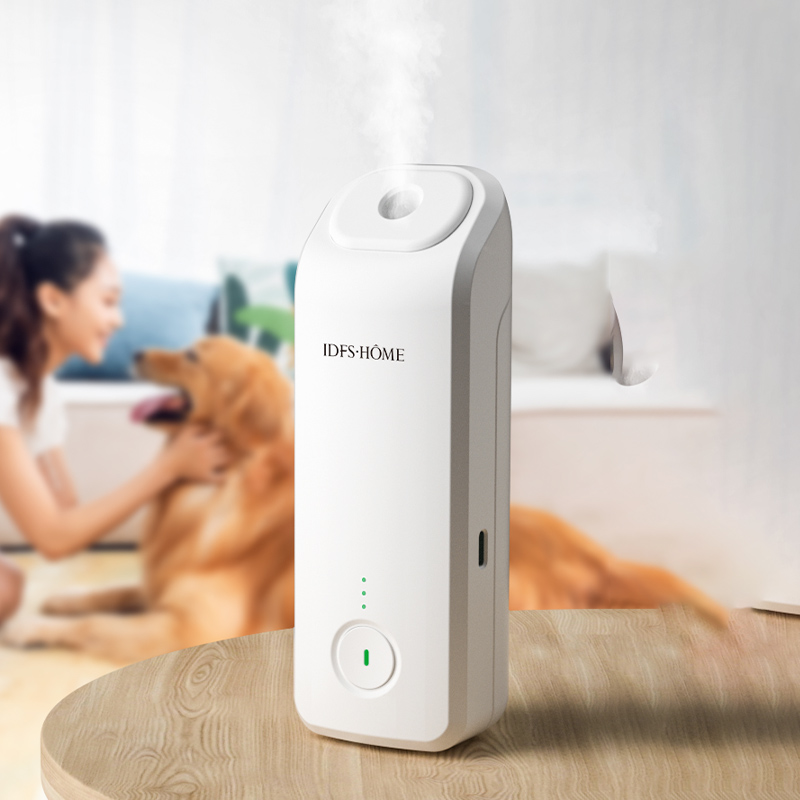
Ultrasonic vibrations create a fine water and oil mist, making this the most accessible category to manufacture. The dual-functionality as a mild humidifier is a major benefit for dry climates. However, the water dilutes the essential oil's therapeutic potency, which may not suit clinical applications where high concentrations of airborne botanical compounds are required.
The mechanics involve a small ceramic disc at the bottom of the water reservoir that vibrates at ultrasonic frequencies. These vibrations break the essential oil and water into micro-particles, which are then dispersed into the air by a small fan. Because they rely on water, these units require regular cleaning to prevent mold and mineral scale buildup, especially if you use hard tap water instead of distilled water.
Nebulizers use pressurized air to atomize pure essential oils without water or heat. The specialized glass, air pumps, and premium build drive the investment up. They offer maximum therapeutic benefit and strong scent throw. The trade-offs include higher operational noise and rapid oil consumption, as they pull directly from the bottle without any dilution.
This technology relies on Bernoulli's principle. A stream of pressurized air is forced through a small tube, creating a vacuum that pulls the essential oil up through a separate glass tube. When the oil hits the air stream, it is atomized into a micro-fine vapor. This method preserves the complete chemical profile of the essential oil, making it the preferred choice for certified aromatherapists and clinical practitioners.
Fan-based evaporation and low-heat plates are typically the most basic mechanical options available. While highly accessible, heat diffusers can alter the chemical composition of the oils. This makes them less ideal for clinical aromatherapy. Evaporative models use a fan to blow air through a pad soaked in essential oils, which disperses the lighter chemical notes first and the heavier base notes later, resulting in an uneven scent profile over time.
Cheap decorative plastics degrade quickly when exposed to concentrated oils. Investing in glass, ceramic, or medical-grade plastic like Polypropylene (PP) and Polyethylene Terephthalate (PET) is necessary to prevent essential oils from eating through the reservoir. High-quality materials ensure the longevity and safety of your aromatherapy diffuser.
| Material Type | Durability | Chemical Resistance | Best Use Case |
|---|---|---|---|
| Standard ABS Plastic | Low | Poor (Degrades with citrus) | Short-term, infrequent use |
| Polypropylene (PP) | High | Excellent | Everyday home use, children's rooms |
| Hand-Blown Glass | Fragile | Perfect (Inert) | Adult living spaces, clinical settings |
| Ceramic | Moderate | Excellent | Decorative home integration |
Motor size and internal components dictate run-time settings, such as 4-hour continuous or 8-hour intermittent cycles. Reservoir size maps directly to square footage capabilities. High-output motors required for large, open-concept spaces naturally increase the unit's tier, as they must process more water and oil efficiently without overheating.
App connectivity, customizable interval timers, and ambient LED lighting add convenience but inflate the retail positioning. Evaluate the utility of these features carefully. Determine whether smart integration offers actual utility for your daily routine or if a simpler model with manual buttons would suffice. For many users, a basic intermittent timer is far more valuable than Wi-Fi connectivity.
The upfront acquisition of the device is only part of the equation. A nebulizer will consume significantly more oil per month compared to an ultrasonic diffuser. This drastically alters the long-term commitment. Consider your monthly budget for essential oils when selecting a diffusion technology. If you prefer expensive oils like rose or sandalwood, an ultrasonic model will stretch your supply much further.
Maintenance realities impact long-term viability. Ultrasonic models require frequent cleaning to prevent mold buildup and mineral deposits on the oscillating plate. Nebulizers require periodic deep cleaning with rubbing alcohol to prevent clogged micro-tubes. Factoring in replacement parts, like glass reservoirs or power adapters, helps provide a realistic view of the total investment over the lifespan of the unit.
Buying direct from manufacturers or specialized distributors changes the acquisition metrics significantly. You might secure a high-quality retail diffuser for a fraction of the standard rate when purchasing in bulk. This margin reduction makes bulk purchasing highly attractive for commercial applications, allowing businesses to outfit multiple rooms uniformly without exhausting their operational budgets.
Wholesale purchasing carries specific logistical challenges. Minimum order quantities typically range from 50 to 500 units. You must also account for overseas shipping logistics, custom duties, and the potential lack of individual user warranties. Quality control can vary widely between manufacturing batches, so vetting suppliers and requesting sample units before committing to a large order is crucial.
Wholesale strategies are ideal for specific commercial use cases. Boutique hotels, yoga studios, and clinical practices benefit greatly from outfitting multiple rooms uniformly. Individuals outfitting large multi-room estates or corporate offices may also find bulk purchasing highly efficient for maintaining a consistent ambient scent profile across a large footprint.
Durability and safety are the primary success criteria here. You want child-safe plastics and a low replacement threshold in case of accidental drops or spills. A durable plastic ultrasonic model is the best recommendation for these environments. Look for units with a secure locking lid to prevent water spills if the device is knocked over.
For casual use, prioritize quiet operation, aesthetic integration, and a reasonable upfront acquisition. A 4 to 8-hour run-time is usually sufficient. Mid-range ultrasonic models offer the best balance of features and reliability for standard home spaces. Features like a sleep mode that turns off all LED lights while maintaining mist output are highly desirable here.
Clinical applications require pure oil dispersion with no water dilution or heat alteration. Medical-grade materials are essential. Premium nebulizing diffusers meet these strict success criteria and deliver maximum therapeutic benefits. The ability to saturate a large room quickly with pure botanical compounds makes these units indispensable for professional aromatherapists.
Commercial environments demand maximum coverage, continuous run-time, and efficiency at scale. High-capacity ultrasonic units or strategic wholesale purchasing models provide the necessary performance and economic viability for large-scale operations. HVAC-integrated scenting systems are also an option for massive commercial footprints, though they require professional installation.
The right choice for your space depends entirely on your specific priorities. Whether you value scent longevity, therapeutic purity, child safety, or aesthetic design, your selection should align with those operational needs. Avoid the absolute cheapest options if you want a unit that lasts longer than a few months, and reserve premium investments for situations that demand waterless nebulizing technology or high-end materials.
To finalize your decision, follow these actionable steps:
A: Premium diffusers utilize high-grade materials like medical plastics, hand-blown glass, and solid wood. They often feature advanced nebulizing technology that requires specialized air pumps, and brand markups also contribute to the higher positioning.
A: They work temporarily but often suffer from rapid motor burnout, poor mist output, or plastic degradation when exposed to concentrated oils over a short period.
A: No, they use very little electricity. Most standard ultrasonic models operate at low wattages, having a minimal impact on your monthly energy consumption.
A: Entry-level models typically last one to two years. Premium models, when properly maintained and cleaned regularly, can last three to five years or more.
A: The per-unit acquisition is significantly lower, but the total upfront investment is higher due to minimum order quantities required by suppliers.
A: Ultrasonic and evaporative models are the most oil-efficient because they dilute the oil with water and often utilize timed intervals to stretch the supply.


